Mark The Days - February

February may be short, but it sure knows how to stir things up. It packs in romance, groundhogs, presidents, and more weather drama than a tornado in a teacup. Valentine’s Day pops up in the middle like a glitter-covered emotional pop quiz, while the rest of the month toggles between “do I need a parka or just a sweater?” It’s the calendar’s wildcard—only 28 days long (unless it’s feeling frisky), but fully capable of delivering snowstorms, awkward dinner dates, and random holidays involving umbrellas, chili, or lost socks. Small? Yes. Boring? Never.

- Details
Optimists are the folks who wear sunglasses in a thunderstorm, firmly convinced that the sun is just on a brief coffee break. They'll look at a glass half-empty and not only argue it's half-full but also cheerfully anticipate a free refill any minute now. Optimism, their unshakeable belief system, turns them into the kind of people who'd bring a single fork to an all-you-can-eat buffet, ready to tackle life's challenges one bite at a time. To an optimist, every Monday is a Friday in disguise, every flat tire an opportunity for an impromptu workout, and every tax return a surprise savings account they forgot they had. In the grand theatre of life, optimists are those insisting on clapping until the curtain call, convinced the best is yet to come—even if it's just the blooper reel.
Celebrated: Annually, on the First Thursday in February
Join the celebration of Optimist Day, a festival dedicated to positivity, resilience, and finding hope in every situation, taking place every February.

- Details
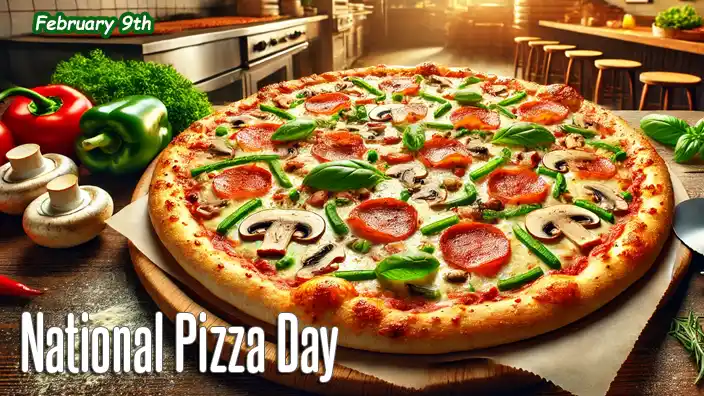
Imagine if pizza were a person—it would be that friend who's always invited to parties, never needs to RSVP, and somehow fits in everywhere, from fancy dinner tables to dive bars. Pizza would have an extensive wardrobe, from classic Margherita outfits to exotic Hawaiian shirts topped with pineapple accessories. It would tell saucy jokes, leaving everyone in stitches, and have a cheesy sense of humor that, despite your best efforts, you couldn't resist. Pizza would be the life of the party, sliding into social situations with the ease of a well-oiled crust. And just when you think you know all there is about this delightful character, it would surprise you with a new topping combination, proving that when it comes to pizza, there's always more to love and laugh about.
Celebrated: Annually, on February 9th
Celebrate National Pizza Day with a humorous journey through its history, traditions, and the eternal toppings debate. Discover fun ways to celebrate Pizza!


- Details
If plagiarism had a smell, it would probably be like reheated leftovers that someone insists are “homemade.” You know the kind—suspiciously familiar, slightly out of place, and guaranteed to raise eyebrows. Sure, copying someone else’s work might feel like a shortcut, but it’s about as convincing as a store-bought pie in a pan you’ve “aged” with a little flour dust. So do yourself a favor: cook up your own ideas. They may not be five-star cuisine at first, but at least no one will recognize them from the menu down the street.
Celebrated: Annually, on February 19th
Learn what plagiarism is, why originality matters, and how to give proper credit. Celebrate Prevent Plagiarism Day with smart, honest writing habits.

- Details
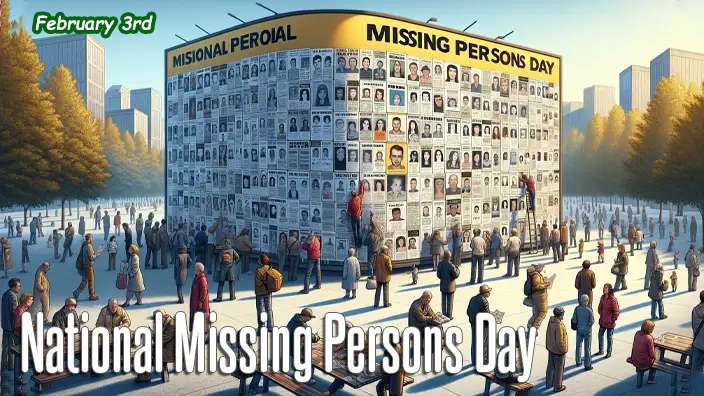
Finding someone who’s gone missing is like trying to spot your friend in a crowded concert—except they didn’t text you what they’re wearing, and the stakes are infinitely higher. For families, the search is relentless, like yelling “Marco!” in an ocean of silence, hoping to hear the faintest “Polo!” in return. It’s a serious issue, but the dedication of search teams, investigators, and communities proves that no one stops playing the game until the missing are found.
Celebrated: Annually, on February 3rd
Learn how technology and community support play vital roles on National Missing Persons Day, focusing on solutions for families affected by disappearances.


- Details
This day brings a harrowing reminder of the stolen childhoods and shattered innocence resulting from the forced recruitment of child soldiers around the globe. This day casts a spotlight on the grim reality that, in many conflict zones, children are coerced into becoming instruments of war, robbing them of their education, families, and futures. The red handprint, a symbol of protest against this atrocity, embodies the collective outcry against the exploitation of children in armed conflicts and the urgent call for action to restore their rights, dignity, and hope. Red Hand Day is not just a day of awareness; it's a plea for the world to recognize and end the cycle of violence that preys on the most vulnerable, demanding immediate and unwavering efforts to safeguard all children from the horrors of war.
Celebrated: Annually, on February 12th
Learn about Red Hand Day, a global initiative to protect children from being recruited as soldiers in armed conflicts. Join the fight to uphold children's rights and end this grave violation.


- Details
Imagine if Chocolate were to run for president. Its campaign slogan? "Make Life Sweet Again." Chocolate doesn't discriminate; it unites milk, dark, and white lovers under one creamy, delicious banner. It promises to tackle the bitter issues with smooth resolutions and sprinkle joy in the lives of its constituents. Forget about the economy for a second—what about the choc-onomy, where the currency is cocoa and happiness is measured in chocolate bars? Election day would see a record turnout, with polling stations doubling as candy stores. And in a world where dessert decisions are as crucial as diplomatic ones, President Chocolate's first order of business? Mandatory chocolate breaks. After all, in the pursuit of liberty, happiness, and the perfect truffle, one nation, under chocolate, indivisible, with liberty and chocolate for all!
Celebrated: Annually, on February 9th
Celebrate Chocolate Day with humor and joy! Discover this sweet indulgence's origins, rituals, and universal appeal in our entertaining article.


- Details
Cabbage has the personality of that one coworker who never brags, never complains, and somehow ends up doing half the work in the office. It just sits there in the produce aisle looking like a tightly wrapped mystery, and you’re not entirely sure what to expect—until you slice into it and suddenly it’s starring in salads, soups, sandwiches, and dishes your grandmother swore could cure anything short of bad decisions. It may not be glamorous, but cabbage gets things done. And if it makes your kitchen smell a little “memorable” along the way, well… that’s just its way of reminding you who’s in charge.
Celebrated: Annually, on February 17th
Discover National Cabbage Day, its history, health benefits, and creative ways to cook and enjoy cabbage in everyday meals.

- Details
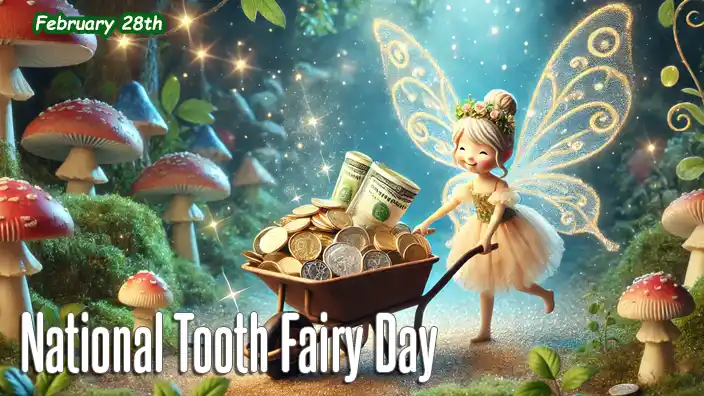
Some people get into real estate, others go into finance, but imagine making a living collecting discarded body parts from under pillows. The hours are brutal, the pay fluctuates wildly based on inflation, and the clientele have an annoying habit of waking up mid-transaction. And yet, somehow, this tiny winged entrepreneur keeps the magic alive—swooping in undetected, dodging stuffed animal minefields, and making sure every kid wakes up feeling just a little bit richer (even if it’s just a handful of pocket change their parents scrambled to find at 2 AM).
Celebrated: Annually, on February 28th and again on August 22nd
Uncover the enchanting world of the Tooth Fairy, her global variations, and fun facts that keep the magic alive for children and nostalgic adults alike.


- Details
Now is the time for Imagine watching your favorite show on an old analog TV—it was a workout. First, you had to position the rabbit-ear antenna just right, sometimes resorting to aluminum foil or an elaborate balancing act. Even then, the picture might still look like it was being broadcast from the Moon, complete with ghostly duplicates of every character. Now, with digital TV, it’s like your eyes got an upgrade! The picture is so sharp you can count every pore on an actor’s face, and instead of white noise filling the screen when there’s a weak signal, the whole thing just freezes like a bad Zoom call. At least with analog, you could still sort of make out what was happening through the static—digital just leaves you hanging like a suspenseful season finale with no resolution!
Celebrated: Annually, on February 17th
Celebrate Analog to Digital TV Day by reflecting on the fun, frustrations, and advancements that transformed our viewing experience into the digital age.


- Details
National Trading Card Day is the one time of year when grown adults proudly admit they own binders full of cardboard and consider it a perfectly normal life choice. It’s a day for reliving schoolyard trades, debating whether that slightly bent rookie card still counts as “near mint,” and opening fresh packs with the same suspense usually reserved for lottery tickets. Because deep down, every collector believes the next pack holds glory, riches, or at least someone worth trading to their buddy for a snack.
Celebrated: Annually, on February 24th
Celebrate National Trading Card Day with a look at the hobby’s history, rare finds, and the timeless thrill of opening a fresh pack.


- Details
Tortellini is the pasta that decided being flat was too mainstream and took a turn towards the whimsical. Imagine, if you will, a pasta so confident in its uniqueness that it decided to stuff itself with all the good things in life—cheese, meats, and sometimes even a rogue spinach leaf for those pretending to be healthy. It's like the pasta world's answer to a treasure chest, and only instead of gold and jewels, it's bursting with ricotta and herbs. Let's be honest: if pasta shapes were people, tortellini would be the life of the party, showing up fashionably late, slightly tipsy, and ready to spill all its delicious secrets. In a world full of straight-laced spaghetti and serious penne, tortellini dares to twist, turn, and tango right into our hearts (and stomachs).
Celebrated: Annually, on February 13th
Discover the legend of tortellini, inspired by the goddess Venus's navel. A tale of beauty, pasta, and divine inspiration wrapped in mystery and marinara. Explore the delicious world of this quirky pasta on National Tortellini Day!


- Details
Tourism resilience is like that one friend who misses a flight, loses their luggage, gets food poisoning, and still somehow manages to post a sunset selfie with the caption, “Living my best life!” No matter what disasters strike—volcanic ash clouds, economic crashes, or a pandemic that briefly turned us all into sourdough-baking hermits—travel always finds a way to bounce back. Flights may get canceled, but people will still find a way to squeeze into an overpacked airport lounge, determined to sip overpriced coffee while dreaming of beaches, mountains, and that one historic site they’ll spend five minutes at before heading to the gift shop.
Celebrated: Annually, on February 17th
Explore the rich history of tourism resilience, from ancient travel disruptions to modern challenges, and discover why the spirit of travel endures.


- Details
If you’ve ever watched professional tennis and thought, “I could totally do that,” National Play Tennis Day is your official invitation to test that theory. Grab a racket, chase a bright yellow ball like it owes you money, and discover that serves are harder than they look and that “love” in tennis does not, in fact, feel romantic. It’s sunshine, sweat, strategy—and just enough friendly competition to keep things interesting.
Celebrated: Annually, on February 23th
Celebrate National Play Tennis Day with a fun look at tennis history, health benefits, and why this classic sport never goes out of style.


- Details
Pokémon is what happens when someone looks at the animal kingdom and says, “Nice, but what if the squirrel could shoot lightning and the turtle had cannons?” Suddenly, you’re ten years old, wandering the countryside with no adult supervision, carrying six powerful creatures in your pockets, and your only real responsibility is to challenge strangers to battle in tall grass. Imagine that logic in real life: you step outside, trip over the mailbox, and now you own it because you threw a ball at it. And somehow, despite the epic battles, world-saving adventures, and constant travel, the main character still can’t remember to charge his phone or do homework. It’s the only universe where kids run the world, pets breathe fire, and everyone agrees that the solution to most problems is a friendly, well-organized duel.
Celebrated: Annually, on February 27th
Celebrate National Pokémon Day with a fun, fact-filled look at the franchise’s history, characters, games, and global popularity.


- Details
The Arabian leopard may not host wildlife documentaries as often as lions with dramatic manes or tigers with blockbuster reputations, but this rare feline remains one of nature’s most impressive underdogs—or perhaps undercats. Agile, elusive, and perfectly adapted to some of the harshest landscapes on Earth, the Arabian leopard proves that true greatness doesn’t require constant publicity. International Day of the Arabian Leopard celebrates this critically endangered predator while reminding humanity that preserving extraordinary wildlife is far more noble than simply admiring cats on the internet, though admittedly, both have their appeal.
Celebrated: Annually, on February 10th
Learn about the Arabian leopard, its endangered status, conservation efforts, and the global importance of International Day of the Arabian Leopard


- Details
Wine is like a loyal friend—always there when you need it, full of personality, and occasionally responsible for your worst decisions. It has the magical ability to make you feel sophisticated while simultaneously convincing you that dancing on the coffee table is a brilliant idea. One glass turns you into a philosopher, two glasses make you fluent in a foreign language you don’t actually speak, and three glasses? Well, let’s just say that’s when you start texting your ex or attempting to explain quantum physics to the cat. Cheers to wine—the only history lesson that gets better with every sip!
Celebrated: Annually, on February 18th
Join the festivities of National Drink Wine Day! Discover fun ways to celebrate, from wine tastings to perfect food pairings, and enjoy this timeless elixir.


- Details
Let’s be honest—no one eats tortilla chips casually. You don’t take one and move on with your life. You take one, then another, then suddenly you’re standing over the counter, wondering how half the bag disappeared while you were “just having a few.” They’re the official snack of accidental dinners, heroic dipping attempts, and bold confidence in a chip that may or may not survive the scoop it’s been assigned. Tortilla chips don’t judge, they don’t ask questions, and they certainly don’t stop you. They just crunch loudly enough to announce that you’re enjoying yourself—and maybe that it’s time to buy another bag.
Celebrated: Annually, on February 24th
Discover the history of tortilla chips, their rise from simple tortillas to snack legend, plus fun facts and tasty ways to celebrate National Tortilla Chip Day.


- Details
Open That Bottle Night is the one evening of the year when your wine rack stops being a museum and starts being a kitchen appliance. That dusty bottle you’ve been saving for the “perfect occasion” finally gets its moment, only for you to realize the perfect occasion is you, your spouse, and leftovers in the microwave. Still, there’s something heroic about pulling that cork—like you’ve defeated time itself, or at least your own indecision. And if the wine turns out to be amazing, you feel like a genius. If it tastes like vinegar with a backstory, well, at least you’ve freed up some shelf space for the next “special” bottle you’ll absolutely open… someday.
Celebrated: Annually, on the Last Saturday in February
Celebrate Open That Bottle Night by uncorking a special bottle, sharing stories, and turning an ordinary evening into a memorable occasion.

From Our Marks Catelog
-

Brussels sprouts: the tiny green orbs that have been sparking dinner table debates for...
-
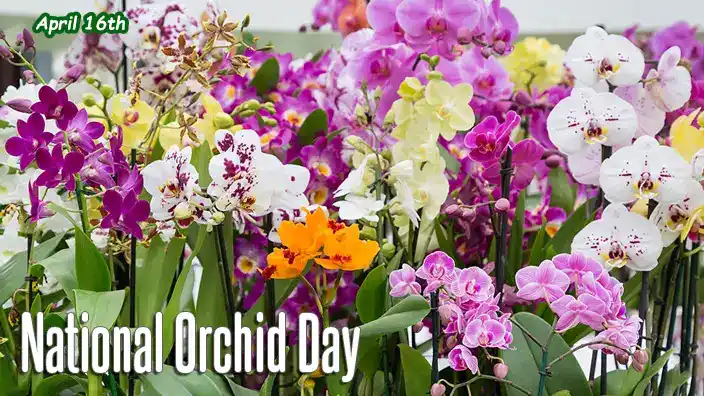
Elegance, mystery, and just the right amount of arrogance—some things demand admiration without lifting...
-
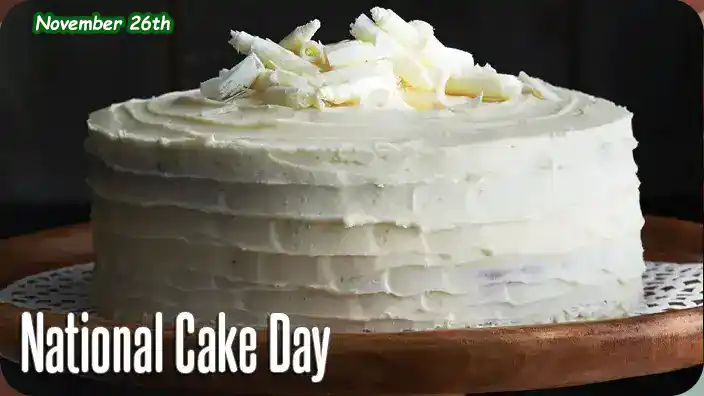
National Cake Day is the one day of the year when it's socially acceptable to have your cake and eat...
-

Forget glow-in-the-dark snack cakes and cheese that comes in a spray can—there’s something wildly...
-

If there were an Olympic event for clumsiness, someone would be rolling down the hill, missing their...
-

Gazpacho Soup Day isn’t just a day to honor cold tomato soup; it’s a day to revel in the absurdity of...

