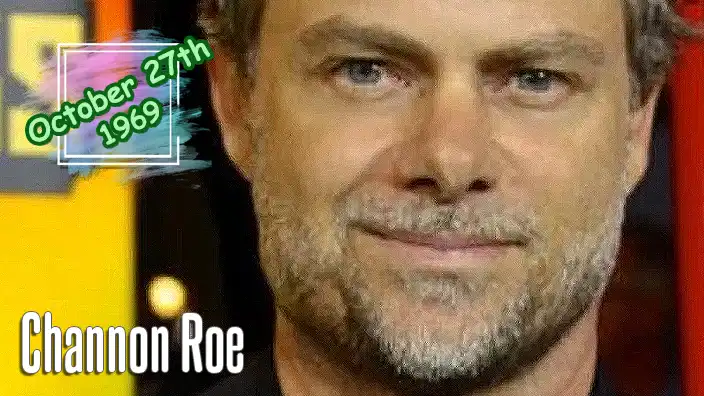
October 27, 1969, in Pasadena, California

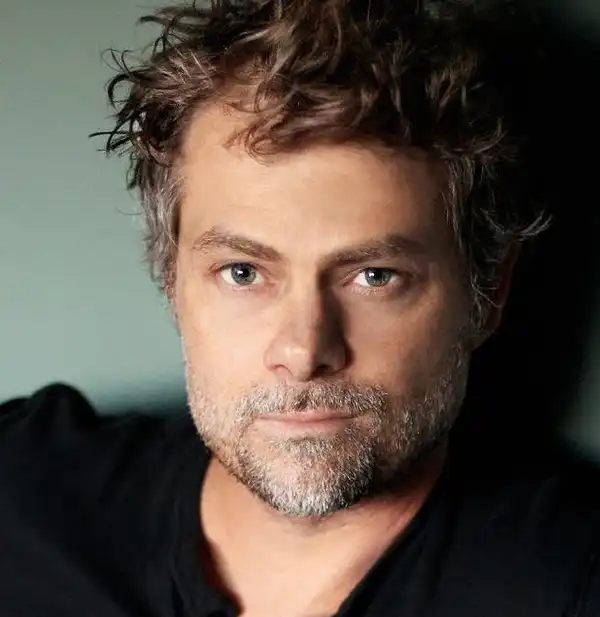
James Channon Roe was born on October 27, 1969, in Pasadena, California, and became a familiar face to American television audiences through an extensive career as a character actor in films, crime dramas, supernatural series, and independent productions. Professionally known as Channon Roe, he appeared in numerous recognizable television programs, including CSI: Crime Scene Investigation, CSI: Miami, Justified, NCIS, Bones, The X-Files, Prison Break, House, and Murder in the First. His film appearances included Boogie Nights, Can't Hardly Wait, Bio-Dome, Psycho Beach Party, and Chasing Mavericks. Although he never became a conventional Hollywood leading man, Roe established a successful career portraying a remarkable variety of characters, frequently appearing in stories involving mystery, crime, suspense, and unconventional personalities. His professional journey illustrates the importance of character actors whose performances contribute to the success of productions even when their names are not displayed in enormous letters across the movie poster.
Roe spent much of his childhood in Corona del Mar, a coastal community in Newport Beach, California, where the Pacific Ocean and Southern California's beach culture became familiar parts of everyday life. Growing up near the ocean encouraged an enthusiasm for surfing that would remain an important personal interest. The region also provided relatively convenient access to Los Angeles and its entertainment industry, although proximity to Hollywood does not automatically guarantee a successful acting career. Roe eventually developed an interest in performing and began pursuing the training necessary to work professionally. His coastal upbringing and relaxed California background would later prove useful for roles involving surfers, rebellious young men, and characters whose lifestyles reflected the atmosphere of Southern California. Fortunately, he also demonstrated enough versatility to portray people who had never been anywhere near a surfboard.
Determined to develop his abilities as an actor, Roe studied at the Joanne Baron/D.W. Brown Studio, a respected Los Angeles acting school associated with the Meisner technique. This approach emphasizes truthful behavior, emotional responsiveness, and close attention to other performers rather than relying exclusively on memorized gestures or theatrical presentation. Roe also pursued training through the British Academy of Dramatic Arts, broadening his exposure to different approaches to acting and performance. Such preparation was particularly valuable for a performer seeking work across television, film, and independent productions, where actors frequently encounter different directors, production schedules, and dramatic expectations. The training provided a foundation for his subsequent career, allowing him to move between comedy, drama, suspense, and supernatural storytelling without becoming permanently associated with a single type of character.
Roe began appearing in professional film and television productions during the mid-1990s, a period when American television was expanding its range of youth dramas, crime programs, and supernatural entertainment. One of his early television appearances came in the acclaimed ABC series My So-Called Life, which starred Claire Danes as teenager Angela Chase. The program became known for its realistic portrayal of adolescent relationships, identity, and emotional uncertainty, developing a devoted following despite its relatively brief original run. Roe's participation introduced him to a television environment emphasizing naturalistic performances and complicated interpersonal relationships. Although his role was comparatively small, appearing in a critically admired production provided valuable professional experience and helped establish his screen credentials.
His early film career included The Low Life, a 1995 independent drama starring Rory Cochrane, in which Roe portrayed Craig. Independent productions frequently offered developing actors opportunities to explore unusual characters and challenging material without the commercial restrictions associated with major studio releases. Roe's participation reflected his willingness to pursue varied projects while building professional experience. He also appeared in Soldier Boyz, an action film featuring military themes, and the television thriller The Courtyard. These early assignments demonstrated the practical realities of a working actor's career, where success often depends upon accepting different roles, adapting quickly to unfamiliar production environments, and making a convincing impression during limited screen time.
In 1996, Roe appeared in the comedy Bio-Dome, starring Pauly Shore and Stephen Baldwin. The film followed two irresponsible young men who accidentally become trapped inside an experimental ecological facility, creating a series of increasingly absurd situations. Roe portrayed Roach, contributing to a production that combined slapstick comedy with environmental themes and the deliberately exaggerated humor popular in certain 1990s films. Although Bio-Dome received unfavorable reviews from many critics, it developed a following among viewers who appreciated its chaotic style and unconventional comedy. For Roe, the film represented an opportunity to work in a widely distributed Hollywood production while demonstrating that his acting interests extended beyond serious drama. After all, a performer who can convincingly inhabit a character named Roach has already demonstrated a certain willingness to embrace the unexpected.
The same year brought one of Roe's most distinctive television assignments when he joined the cast of Kindred: The Embraced, a supernatural drama broadcast by Fox. Based on the role-playing game Vampire: The Masquerade, the series explored a secret society of vampires living within modern San Francisco, where different clans competed for influence while attempting to conceal their existence from ordinary humans. Roe portrayed Cash, a member of the Gangrel vampire clan who served as an enforcer and protector within the supernatural hierarchy. His character combined physical toughness, loyalty, and emotional complications, providing Roe with an opportunity to develop a recurring role within an elaborate fictional world. The series featured a distinctive mixture of crime drama, Gothic romance, and supernatural intrigue, reflecting the growing popularity of vampire-related entertainment during the 1990s.
Although Kindred: The Embraced lasted only eight episodes, it developed a dedicated cult following and remained memorable to fans of supernatural television. Its early cancellation was influenced by the death of cast member Mark Frankel, who portrayed the powerful vampire prince Julian Luna. Roe's role as Cash became one of his most recognizable performances, particularly among viewers interested in vampire mythology and genre television. The character's association with the Gangrel clan also allowed Roe to portray a physically confident, independent personality whose loyalties were tested by competing responsibilities. His work on the series demonstrated an ability to contribute to an ensemble production in which character relationships and atmospheric storytelling were essential to maintaining audience interest.
Roe continued building his film career with an appearance in Boogie Nights, the acclaimed 1997 drama written and directed by Paul Thomas Anderson. Set against the changing American adult-film industry during the 1970s and 1980s, the movie featured an ensemble cast including Mark Wahlberg, Julianne Moore, Burt Reynolds, John C. Reilly, and Heather Graham. Roe appeared in a supporting role as a surfer, contributing to a production widely praised for its direction, performances, and detailed recreation of a distinctive period in American popular culture. The film received three Academy Award nominations and became an important work in Anderson's developing career. Although Roe's contribution was comparatively brief, appearing in such a critically successful production added a significant credit to his growing filmography.
Another recognizable film appearance came in the 1998 teen comedy Can't Hardly Wait, starring Jennifer Love Hewitt, Ethan Embry, and an ensemble of young performers. The film takes place largely during a high school graduation party, exploring romantic disappointments, social rivalries, friendships, and the anxieties associated with leaving adolescence behind. Roe appeared as one of the young men within the film's large collection of characters, contributing to the lively and occasionally chaotic atmosphere of the party. Although the movie received mixed reviews upon release, it subsequently developed a nostalgic following among viewers who remembered the music, fashion, and social conventions of the late 1990s. Roe's participation provided another example of his ability to contribute effectively to ensemble productions where numerous performers shared limited screen time.
The late 1990s also brought appearances in independent films such as Girl, released in 1998, and Junked, a drama released in 1999. These projects allowed Roe to explore characters outside the conventional expectations of mainstream television, including individuals dealing with complicated relationships, difficult circumstances, and personal conflicts. His work in independent cinema reflected the varied opportunities available to character actors willing to move between commercial productions and smaller films. While major studio projects often provided broader public recognition, independent productions could offer more unusual material and opportunities to develop distinctive performances. Roe's filmography during this period demonstrated a willingness to pursue both approaches rather than concentrating exclusively on one category of entertainment.
In 2000, Roe appeared in Psycho Beach Party, a horror-comedy directed by Robert Lee King and based on Charles Busch's stage play. The film affectionately parodied the beach-party movies of the 1960s while incorporating elements of psychological thrillers and slasher films. Roe portrayed Wedge Riley, contributing to a deliberately exaggerated world of surfers, teenage relationships, mysterious murders, and improbable behavior. The production became a cult favorite among audiences who appreciated its unusual combination of satire, nostalgia, and camp humor. For an actor raised near the California coast, returning to a surfing-related setting must have offered a familiar environment, although the film's increasingly bizarre events probably differed considerably from an ordinary afternoon at the beach.
Throughout the late 1990s and early 2000s, Roe became increasingly active in television, appearing in a wide variety of established American series. His credits included The X-Files, Buffy the Vampire Slayer, Charmed, Touched by an Angel, The Pretender, NYPD Blue, and Diagnosis Murder. These productions represented an unusually broad range of genres, from supernatural horror and fantasy to police procedurals and inspirational family drama. Each required a different approach to characterization, dialogue, and performance, particularly because guest actors often had limited time to establish their characters before the story moved toward its conclusion. Roe's ability to adapt to these different formats helped establish him as a reliable performer capable of contributing to both episodic television and longer dramatic narratives.
His appearance in The X-Files was particularly appropriate for a performer whose career frequently involved mysterious circumstances and unusual characters. The series, starring David Duchovny and Gillian Anderson, became one of the defining science-fiction dramas of the 1990s, combining paranormal investigations with government conspiracies and unsettling psychological storytelling. Roe appeared as Derek Banks in the 1997 episode The Walk, contributing to the show's distinctive atmosphere of uncertainty and suspense. Guest appearances on programs of this kind provided opportunities to work with experienced directors and established casts while reaching large national audiences. They also offered a practical lesson in the hazards of television employment: if a character encounters FBI agents investigating unexplained phenomena, the chances of enjoying an uneventful afternoon are probably rather limited.
Roe also appeared in Buffy the Vampire Slayer, the influential supernatural drama created by Joss Whedon and starring Sarah Michelle Gellar. He portrayed Jack O'Toole in the 1999 episode The Zeppo, a memorable installment that shifts attention toward Xander Harris while the other characters confront a seemingly apocalyptic threat. Roe's character was a menacing delinquent involved in a dangerous supernatural adventure, allowing him to combine intimidation with the episode's unusual mixture of horror and dark comedy. The appearance reinforced his association with genre television and introduced him to another devoted fan community. His earlier work as a vampire in Kindred: The Embraced and subsequent participation in Buffy demonstrated a recurring professional relationship with supernatural entertainment, although his characters did not always enjoy particularly favorable outcomes.
During the early 2000s, Roe expanded his television credits through appearances in CSI: Miami, CSI: Crime Scene Investigation, Without a Trace, and other crime-related series. The enormous popularity of forensic dramas created substantial opportunities for character actors, particularly performers capable of portraying witnesses, suspects, victims' acquaintances, and individuals whose behavior complicated investigations. Roe's appearances in these programs demonstrated his versatility within the procedural format, where characters must often establish their personalities through relatively brief interviews or confrontations. A successful guest performer needs to make an impression without distracting from the central investigation, particularly when the script requires viewers to remain uncertain about a character's honesty or involvement in a crime. Roe became familiar with this demanding style of television storytelling, developing a professional résumé that included many of the genre's most recognizable titles.
In CSI: Miami, Roe portrayed Brad Repkin, while his appearances in the original CSI: Crime Scene Investigation included different characters across separate episodes. Such assignments illustrate a familiar practice in long-running television, where established guest actors sometimes return to the same series in entirely unrelated roles. For viewers who recognize faces more readily than character names, the experience can create amusing moments of uncertainty. One week, an actor may be questioned as a suspicious witness; several seasons later, he may reappear as someone with a completely different occupation and an equally unfortunate connection to a criminal investigation. Fortunately, television detectives generally concentrate on the evidence rather than asking why a familiar-looking fellow keeps turning up in their jurisdiction.
Roe continued working in mainstream television with appearances in The O.C., Prison Break, 24, and Deadwood. Each production presented a distinctive dramatic environment, ranging from the affluent communities of Southern California to high-security prisons, counterterrorism operations, and the violent frontier settlements of the American West. His appearances in Deadwood, the acclaimed HBO Western drama, demonstrated his ability to adapt to historical settings and a demanding ensemble cast. He portrayed Slippery Dan, a character whose name alone suggests that the residents of Deadwood might have been wise to keep a close watch on their belongings. The series became widely praised for its complex storytelling, rich dialogue, and uncompromising portrayal of frontier society, providing another notable entry in Roe's television career.
A recurring role arrived in the FX drama Dirt, which starred Courteney Cox as Lucy Spiller, the editor of a fictional celebrity gossip magazine. Roe portrayed Jeff Stagliano, an independent film director whose complicated personal relationships contributed to the series' exploration of Hollywood ambition, publicity, and celebrity culture. The program examined the frequently uncomfortable relationship between entertainment journalism and the people whose private lives become public commodities. Roe's performance allowed him to portray a character operating within the entertainment industry itself, a setting quite different from the police investigations and supernatural conflicts associated with many of his earlier appearances. His participation in several episodes demonstrated that he could sustain a recurring character across an extended storyline rather than appearing exclusively in isolated guest roles.
His television credits continued expanding through appearances in Bones, Castle, NCIS, Cold Case, and House. In Bones, he portrayed Danny Fitz in the 2008 episode The Man in the Mud, while his appearance in Castle placed him within another popular investigative drama. He played Greg Lambro in NCIS and appeared in Cold Case as John Norwood, a character associated with an investigation into events from the past. In House, Roe portrayed Emory in the 2011 episode Dead & Buried, joining a medical drama known for its complicated diagnostic mysteries and the famously abrasive personality of Dr. Gregory House. These appearances demonstrated his continued ability to move between established television franchises, frequently portraying individuals whose personal circumstances became essential to solving a central mystery.
Roe also appeared in NCIS: Los Angeles, the popular military crime drama centered on undercover investigations and national security operations. His appearances as Ray provided another opportunity to work within a procedural series involving complicated investigations and potentially dangerous situations. He also appeared in Dark Blue, a crime drama exploring the activities of undercover police officers, and Terriers, a critically admired series combining detective storytelling with dark humor. These productions emphasized different aspects of the crime genre, ranging from traditional investigations to morally complicated characters operating outside conventional law enforcement structures. Roe's willingness to accept varied assignments contributed to a career that encompassed numerous approaches to television drama.
In 2011, Roe appeared in the acclaimed FX crime series Justified, portraying Cutter in the episode The I of the Storm. Based on characters created by novelist Elmore Leonard, the series starred Timothy Olyphant as Deputy U.S. Marshal Raylan Givens, a lawman whose unconventional methods frequently placed him in conflict with criminals and colleagues alike. Set primarily in Kentucky, Justified became known for its sharp dialogue, distinctive characters, and combination of contemporary crime drama with traditional Western storytelling. Roe's appearance added another highly regarded series to his professional résumé and demonstrated his continuing presence in American television productions that emphasized strong characterization and carefully constructed dialogue.
The following year, Roe appeared in Breakout Kings, an action-oriented crime drama centered on a team of U.S. marshals and former fugitives working together to capture escaped prisoners. He portrayed Victor Mannion in a recurring role, contributing to storylines involving criminal investigations and the complicated relationships between law enforcement officers and individuals with criminal backgrounds. The series provided another opportunity to work within an ensemble production where tension, suspense, and character conflicts were central to the storytelling. Roe also appeared in the period crime drama Vegas, portraying Ted Ermin in an episode set against the backdrop of Las Vegas during the 1960s. His involvement in these programs reinforced his reputation as a versatile television character actor comfortable with both contemporary and historical settings.
Roe's later film work included Behind Enemy Lines: Colombia, released in 2009, in which he portrayed Chief Petty Officer Kevin Derricks. The military action film followed American Navy SEALs involved in a dangerous mission in Colombia, providing Roe with an opportunity to work within a production emphasizing physical action, suspense, and military operations. He also appeared in Chasing Mavericks, the 2012 biographical sports drama inspired by the life of American surfer Jay Moriarity. Starring Gerard Butler and Jonny Weston, the film explored Moriarity's determination to surf the enormous waves at Mavericks, a famous surfing location off the coast of Northern California. Roe portrayed Bob Pearson, returning to a subject closely connected with his personal enthusiasm for surfing and coastal life. The production combined dramatic storytelling with spectacular ocean photography, celebrating the skill, courage, and dedication required to confront some of the world's most challenging waves.
One of Roe's final prominent television appearances came in 2015 when he joined the TNT crime drama Murder in the First, starring Taye Diggs and Kathleen Robertson as San Francisco homicide detectives Terry English and Hildy Mulligan. The series followed complicated murder investigations across multiple episodes, allowing supporting characters to develop more extensively than is usually possible within traditional single-episode procedural dramas. Roe portrayed Riley Maker during the show's second season, appearing in a recurring storyline involving criminal activity and the investigation's developing complications. His performance provided another example of his ability to contribute to suspenseful ensemble storytelling, working alongside an established cast within a carefully constructed dramatic narrative.
Following his work on Murder in the First, Roe appears to have stepped away from regular screen acting, with public filmographies showing no substantial continuation of his earlier television career. His professional achievements nevertheless encompass an unusually wide selection of recognizable productions, including cult supernatural dramas, acclaimed independent films, popular teen comedies, and some of America's most successful crime television franchises. His career illustrates the valuable contribution made by character actors who frequently appear in supporting roles rather than receiving the publicity associated with major stars. Such performers help create believable fictional worlds, supplying the personalities, conflicts, and unexpected complications that allow central characters to develop their stories.
Away from acting, Roe has been associated with environmental interests and ocean conservation. His enthusiasm for surfing has encouraged involvement with organizations concerned about marine pollution, coastal preservation, and environmental protection, including the Surfrider Foundation and Heal the Bay. He has also been associated with Greenpeace and has expressed an interest in environmentally responsible living. His personal commitment to conservation reflects a connection with the coastal environment in which he grew up, demonstrating that his relationship with the ocean extends beyond recreational surfing. For someone who spent considerable time portraying fictional characters involved in dangerous or questionable activities, supporting the protection of beaches and marine ecosystems offered a rather more constructive occupation.
Roe married Australian actress Bianca Chiminello in October 2009. Although his professional career frequently involved appearances in widely watched television productions, he generally maintained a comparatively private personal life, avoiding the constant celebrity publicity associated with some entertainment personalities. His decision to concentrate on acting assignments rather than cultivating an elaborate public image reflected a career built primarily around professional performances and varied screen credits. The available public record provides relatively limited information about his activities following his departure from regular television work, and it would be inappropriate to assume details about his private circumstances without reliable confirmation.
Channon Roe's career demonstrates that successful acting does not always require international celebrity, starring roles, or enormous promotional campaigns. His professional achievements were built through persistence, versatility, and the ability to adapt to the requirements of different directors, casts, and television formats. From his early appearances in independent films to memorable roles in Kindred: The Embraced, Buffy the Vampire Slayer, Justified, and Murder in the First, he contributed to productions that attracted audiences across several generations. His extensive collection of guest appearances also illustrates the importance of reliable supporting performers within the American television industry, particularly during the decades when crime procedurals and serialized dramas became dominant forms of entertainment.
James Channon Roe established a distinctive place in American film and television through a career encompassing supernatural fantasy, comedy, independent cinema, crime drama, and character-driven storytelling. His appearances in popular productions helped make him a recognizable face to audiences even when his name was less familiar than those of the leading actors. Whether portraying a vampire, a surfer, a suspicious witness, a criminal associate, or an ordinary person caught in extraordinary circumstances, Roe demonstrated the adaptability essential to a successful character actor. His work remains available through the many films and television series in which he appeared, providing an enduring record of a varied entertainment career. And for viewers who have ever watched a television mystery and exclaimed, "I know that fellow from somewhere!" there is a reasonable possibility that Channon Roe was the man they were trying to remember.