November 5, 1959, in Kingston, Canada

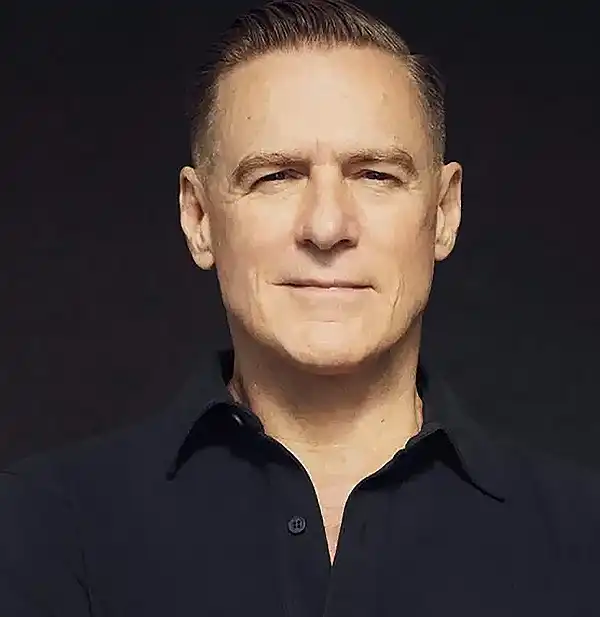
Bryan Guy Adams was born on November 5, 1959, in Kingston, Ontario, Canada, and grew up in a family whose international lifestyle would eventually influence his outlook on music and the world. His father, Conrad Adams, served as a Canadian diplomat, while his mother, Elizabeth Jane Watson, was an educator and homemaker. Because of his father's diplomatic assignments, Bryan spent portions of his childhood living in several countries, including Portugal, Austria, and Israel. This international upbringing exposed him to different cultures and experiences, although music quickly became the one interest that consistently captured his attention. By the time his family settled in Vancouver, British Columbia, he had developed a determination to become a professional musician. His parents might have imagined a conventional career for their son, but Bryan had already decided that electric guitars were considerably more interesting than office furniture.
Adams became fascinated with rock music during his teenage years, drawing inspiration from performers such as the Beatles, the Rolling Stones, Led Zeppelin, and other influential artists of the 1960s and 1970s. He taught himself to play guitar, developed his singing abilities, and began performing with local bands while still attending school. His enthusiasm for music eventually took priority over formal education, and he left school to pursue a professional career. One of his early opportunities came when he joined the Vancouver-based glam rock band Sweeney Todd as its lead singer, replacing original vocalist Nick Gilder. Adams recorded with the group during the late 1970s, gaining valuable experience in recording studios and live performances. Although Sweeney Todd did not make him an international star, the experience introduced him to the realities of the music industry and helped establish the confident vocal style that would later become his trademark.
A crucial turning point occurred in 1978 when Bryan Adams met Canadian songwriter and producer Jim Vallance. Their partnership developed into one of the most productive songwriting collaborations in rock music, producing numerous hits that would define Adams's career. The two musicians shared an instinct for memorable melodies, straightforward lyrics, and arrangements that balanced energetic rock instrumentation with emotional accessibility. Adams brought his distinctive voice and performing personality, while Vallance contributed extensive musical knowledge and songwriting expertise. Together, they began writing material for Adams and other recording artists, gradually attracting attention from music publishers and record companies. Their partnership demonstrated the importance of collaboration in popular music, even when the finished songs sounded as though they had emerged effortlessly from one man with a guitar.
In 1980, Adams released his self-titled debut album, Bryan Adams, through A&M Records. The album introduced his developing musical identity, combining guitar-driven rock with melodic pop influences. Although it did not immediately establish him as a major international performer, it provided a foundation for his future career and included songs such as “Hidin' from Love” and “Give Me Your Love.” Adams followed with You Want It You Got It in 1981, an album that displayed growing confidence and featured the single “Lonely Nights.” These early recordings helped him build an audience in Canada and attracted increasing interest from American radio programmers. The albums also revealed his ability to deliver emotionally direct songs without unnecessary musical complications, a quality that would become central to his commercial success.
Adams achieved his first major international breakthrough with his third studio album, Cuts Like a Knife, released in 1983. Produced by Bob Clearmountain and Bryan Adams, the album featured several songs that became enduring favorites, including “Straight from the Heart,” “Cuts Like a Knife,” and “This Time.” “Straight from the Heart” reached the Top 10 of the Billboard Hot 100, while the album itself became a major commercial success in North America. Its combination of polished production, memorable guitar riffs, and Adams's powerful vocals helped establish him as one of the most promising rock performers of the decade. The title track, in particular, demonstrated his ability to combine emotional vulnerability with the energy of mainstream rock, creating music that appealed to listeners who wanted both a strong melody and something they could play loudly while driving.
The release of Reckless in November 1984 transformed Bryan Adams from a successful recording artist into an international rock superstar. The album produced an extraordinary series of hit singles, including “Run to You,” “Heaven,” “Summer of '69,” “Somebody,” “One Night Love Affair,” and “It's Only Love,” a duet with Tina Turner. Reckless became the first album by a Canadian artist to sell more than one million copies domestically and eventually achieved multi-platinum success internationally. Its popularity was driven by Adams's ability to combine energetic rock performances with accessible songwriting, producing an album that sounded equally comfortable on concert stages, car radios, and home stereo systems. Few rock albums of the 1980s generated such a consistent collection of recognizable songs, and Reckless remains one of the defining recordings of Adams's career.
Among the album's most celebrated tracks was “Summer of '69,” a song that became an enduring anthem of youth, nostalgia, friendship, and the emotional power of music. Written by Adams and Jim Vallance, the song describes memories of forming a band, working hard, falling in love, and discovering that certain experiences remain unforgettable long after they have passed. Although listeners often interpret the title as a reference to the calendar year 1969, Adams has explained that the phrase also carries a more suggestive meaning. The song's energetic guitar introduction, memorable chorus, and universal themes helped it develop a cultural life far beyond its original chart performance. It remains a regular feature of classic rock radio, sporting events, celebrations, and concert singalongs. Indeed, there are probably people who cannot remember what they had for breakfast yesterday but can still deliver every word of “Summer of '69” without hesitation.
Another major success from Reckless was “Heaven,” a romantic power ballad that became Adams's first single to reach number one on the Billboard Hot 100 in 1985. Originally recorded for the soundtrack of the film A Night in Heaven, the song demonstrated that Adams could move comfortably between energetic rock anthems and emotionally expressive ballads. Its soaring melody and heartfelt lyrics helped establish him as a major performer of romantic songs, a reputation that would become increasingly important during the following decade. “It's Only Love,” his duet with Tina Turner, provided another memorable moment from the album and earned a Grammy nomination for Best Rock Vocal Performance by a Duo or Group. The collaboration brought together two distinctive voices and demonstrated Adams's ability to share the spotlight with one of rock music's most commanding performers.
Following the enormous success of Reckless, Adams released Into the Fire in 1987. The album explored more serious social and political themes, reflecting his growing interest in subjects beyond conventional romantic relationships. Songs such as “Heat of the Night,” “Hearts on Fire,” and “Victim of Love” retained his familiar melodic approach while introducing a more reflective tone. Although Into the Fire did not achieve the extraordinary commercial success of its predecessor, it performed strongly on international charts and reinforced Adams's reputation as a musician interested in artistic development. The album also demonstrated the difficulties of following a record that had produced so many hit singles. When an artist releases an album as successful as Reckless, the next record faces expectations that would make even the most confident musician consider hiding behind the amplifiers.
The early 1990s brought another remarkable chapter in Bryan Adams's career, beginning with the release of “(Everything I Do) I Do It for You” in 1991. Written by Adams, Michael Kamen, and Robert John “Mutt” Lange for the soundtrack of Robin Hood: Prince of Thieves, starring Kevin Costner, the song became one of the most successful romantic ballads in popular music history. It reached number one in numerous countries and spent an extraordinary sixteen consecutive weeks at the top of the United Kingdom Singles Chart, establishing a record for the longest uninterrupted run at number one on that chart. In the United States, it topped the Billboard Hot 100 for seven weeks. The song's combination of emotional lyrics, sweeping instrumentation, and Adams's passionate vocal performance made it a favorite at weddings and romantic occasions around the world. Robin Hood may have been famous for stealing from the rich, but Bryan Adams managed to capture the hearts of millions without so much as drawing a bow.
The success of “(Everything I Do) I Do It for You” was accompanied by major industry recognition. The song won the Grammy Award for Best Song Written Specifically for a Motion Picture or for Television and received an Academy Award nomination for Best Original Song. It also appeared on Adams's 1991 studio album Waking Up the Neighbours, which became another major international success. Produced by Robert John “Mutt” Lange and Bryan Adams, the album featured additional hits including “Can't Stop This Thing We Started,” “Do I Have to Say the Words?,” and “Thought I'd Died and Gone to Heaven.” Its commercial performance confirmed that Adams remained a major force in popular music despite the changing musical landscape of the early 1990s, when alternative rock, grunge, and new pop styles were attracting increasing attention. His ability to adapt without abandoning his recognizable sound helped him maintain a worldwide audience.
Adams continued his association with film soundtracks in 1993 when he recorded “All for Love” with Rod Stewart and Sting for The Three Musketeers. Written by Bryan Adams, Robert John “Mutt” Lange, and Michael Kamen, the song brought together three internationally recognized singers and became a major chart success, reaching number one on the Billboard Hot 100. The collaboration highlighted Adams's ability to work effectively with artists whose voices and musical backgrounds differed considerably from his own. Its dramatic arrangement and romantic lyrics complemented the film's adventurous atmosphere while providing radio audiences with another memorable ballad. Bringing three major rock stars together on one recording might have presented challenges involving schedules, creative opinions, and dressing-room arrangements, but the resulting song demonstrated that the combination could be commercially irresistible.
In 1995, Adams recorded “Have You Ever Really Loved a Woman?” for the romantic comedy-drama Don Juan DeMarco, starring Johnny Depp, Marlon Brando, and Faye Dunaway. The song featured Spanish guitar influences that complemented the film's romantic atmosphere and represented a slightly different musical direction for Adams. It reached number one on the Billboard Hot 100 and received nominations for both an Academy Award and a Golden Globe Award for Best Original Song. The recording demonstrated his continuing ability to connect with international audiences through emotionally expressive music. By this point, Adams had become so closely associated with romantic film themes that Hollywood producers could reasonably consider calling him whenever a screenplay required someone to fall hopelessly in love.
His 1996 album 18 til I Die marked a return to a more energetic rock sound while retaining the melodic qualities that had made him successful. The album included “The Only Thing That Looks Good on Me Is You,” “Let's Make a Night to Remember,” and “I'll Always Be Right There.” It also featured “Have You Ever Really Loved a Woman?” on some editions. The title reflected Adams's youthful attitude toward music and performing, emphasizing enthusiasm rather than conventional expectations about growing older. The album performed particularly well internationally and demonstrated his continuing popularity in Europe and other major music markets. During the same period, Adams remained an active touring performer, building a reputation for concerts that emphasized musicianship, audience participation, and an impressive collection of recognizable songs.
In 1998, Adams released On a Day Like Today, which included the popular single “When You're Gone,” a duet with Melanie C of the Spice Girls. The collaboration introduced Adams to additional listeners and demonstrated his willingness to work with performers from different musical generations. The album also featured “Cloud Number Nine,” which became a successful international single. His musical output during this period reflected the changing nature of the recording industry, as artists increasingly needed to balance established audiences with new promotional opportunities. Adams continued touring extensively, maintaining a strong presence in countries where his music had developed particularly loyal followings. His concerts became known for their direct connection with audiences, often relying on strong songs and energetic performances rather than elaborate theatrical effects.
Bryan Adams expanded his musical activities in the 2000s with projects that included additional studio albums, film music, and collaborations. His 2002 song “Here I Am,” recorded for the animated film Spirit: Stallion of the Cimarron, earned a Golden Globe nomination for Best Original Song. The film's soundtrack allowed Adams to contribute several recordings to a story centered on freedom, courage, and the American West. He subsequently released Room Service in 2004, an album recorded in various hotel rooms and backstage locations while touring. The unusual recording process reflected his busy concert schedule and demonstrated that modern recording technology could support creative work outside traditional studios. It also suggested that, for Bryan Adams, a hotel room was not merely somewhere to sleep between performances but a perfectly acceptable place to make another album.
His later studio releases included 11 in 2008, Tracks of My Years in 2014, Get Up in 2015, Shine a Light in 2019, and So Happy It Hurts in 2022. These albums explored different aspects of his musical influences while preserving the energetic guitar sound and direct songwriting style associated with his career. Tracks of My Years featured interpretations of songs that had influenced him, including recordings originally associated with artists such as the Beatles, Bob Dylan, and Ray Charles. Get Up, produced by Jeff Lynne of Electric Light Orchestra, introduced a lively collection of songs that emphasized concise arrangements and classic rock influences. His continued recording activity demonstrated that he regarded music as an ongoing creative pursuit rather than simply an opportunity to revisit past successes.
The 2022 album So Happy It Hurts received particular attention for its upbeat approach and themes of freedom, optimism, and rediscovering the pleasures of everyday life. The title track was nominated for a Grammy Award for Best Rock Performance, demonstrating that Adams continued to receive industry recognition decades after his original breakthrough. The album also reflected the emotional atmosphere surrounding the return of live entertainment following the disruption caused by the COVID-19 pandemic. Adams subsequently released additional recordings and continued developing new musical projects, maintaining the active touring schedule that has long been central to his career. His performances regularly attract audiences representing several generations, many of whom first encountered his music through radio, films, family record collections, or the occasional unforgettable karaoke performance.
In addition to his successful recording career, Bryan Adams has become an accomplished professional photographer. His photographic work includes portraits of musicians, actors, models, political figures, and other prominent personalities. His images have appeared in major publications such as Vogue, Harper's Bazaar, and Interview, and he has published several photography books. Among his notable projects is Wounded: The Legacy of War, which features portraits of British military personnel who experienced serious injuries during service in Iraq and Afghanistan. The photographs emphasize the human consequences of armed conflict and present their subjects with dignity and directness. Adams's work behind the camera demonstrates a creative interest extending beyond music, allowing him to communicate through visual composition as well as songwriting.
His photography has also included fashion campaigns, celebrity portraits, and exhibitions presented in galleries and museums internationally. Adams has photographed numerous well-known entertainers, including Mick Jagger, Amy Winehouse, and other influential cultural figures. His work often favors straightforward compositions that emphasize the personality of the subject rather than elaborate settings. The transition from performer to photographer is particularly interesting because it reverses his usual position in the creative process. Instead of standing in front of an audience or camera, Adams becomes the person observing and interpreting someone else. Considering how many times he has been photographed during his career, he has certainly had plenty of opportunities to study what happens on the other side of the lens.
Bryan Adams has also been involved in charitable activities and humanitarian causes throughout his career. He established the Bryan Adams Foundation in 2006 to support educational opportunities and improve the lives of children and young people around the world. The foundation has contributed to projects involving schools, healthcare, and assistance for disadvantaged communities. Adams has also supported environmental protection, animal welfare, and humanitarian relief initiatives, frequently using his public profile to draw attention to important causes. His participation in major benefit concerts and charitable events reflects a longstanding interest in connecting his professional success with practical assistance for others. While his songs have entertained millions, his philanthropic work has sought to produce benefits that extend beyond the concert hall.
Among his numerous honors, Adams has received Grammy Awards recognition, multiple Juno Awards, and appointments to the Order of Canada. He was inducted into the Canadian Music Hall of Fame in 2006 and received a star on the Hollywood Walk of Fame in 2011. His songwriting achievements have also been recognized through induction into the Canadian Songwriters Hall of Fame. These distinctions reflect his influence on Canadian music and his success in establishing an international career. He is widely regarded as one of Canada's most successful musical exports, joining a distinguished group of Canadian performers whose recordings have achieved worldwide recognition. His contribution to popular music has also helped demonstrate that Canadian artists can maintain distinctive national identities while appealing to audiences across cultural and geographical boundaries.
Throughout his career, Bryan Adams has maintained a relatively private approach to his personal life. He has two daughters with his longtime partner, Alicia Grimaldi, and has generally preferred to keep family matters separate from his professional activities. He has also been associated with animal welfare causes and has followed a plant-based diet for many years, reflecting his interest in ethical and environmental issues. Despite his international fame, Adams has often presented himself as a working musician rather than an extravagant celebrity, emphasizing the importance of songwriting, performing, and maintaining creative independence. His public personality has remained closely connected to the straightforward musical style that first attracted audiences during the 1980s.
One of the most distinctive aspects of Bryan Adams's career is the remarkable durability of his music. Songs such as “Summer of '69,” “Heaven,” “Run to You,” and “(Everything I Do) I Do It for You” continue to reach listeners who were not yet born when the recordings originally appeared. Their enduring popularity reflects a combination of memorable melodies, emotionally accessible lyrics, and performances that capture recognizable human experiences. Adams has never depended entirely on complicated musical arrangements or fashionable production techniques. Instead, many of his most successful songs are built around strong choruses, recognizable guitar parts, and his unmistakable raspy voice. That approach has helped his music remain familiar through major changes in recording technology, radio programming, and popular culture.
Bryan Adams's influence extends beyond the number of records he has sold or the awards he has received. His career illustrates the international appeal of Canadian rock music and the importance of maintaining a recognizable artistic identity while adapting to changing audiences. His songwriting partnership with Jim Vallance produced some of the most memorable recordings of the 1980s, while his later collaborations with Robert John “Mutt” Lange and other musicians helped expand his commercial success. His work in film soundtracks introduced his voice to additional generations, and his photography and charitable activities revealed other dimensions of his creative and personal interests. Few performers have managed to combine mainstream rock credibility, international pop success, film music recognition, and a substantial second career in photography with comparable consistency.
From the clubs of Vancouver to sold-out arenas around the world, Bryan Adams has built an extraordinary career through determination, musical instinct, and an enduring connection with his audience. His greatest songs have become part of the soundtrack of everyday life, accompanying celebrations, relationships, memories, and moments that listeners continue to associate with particular times and places. Whether performing an energetic rock anthem or a heartfelt ballad, he brings the same recognizable voice and direct emotional approach that established his reputation decades ago. Bryan Adams may have made “Summer of '69” famous, but his own musical journey has produced enough memorable summers, hit records, and international performances to fill several lifetimes. And judging by his continued enthusiasm for the stage, he has no intention of putting the guitar away just yet.
References & Sources