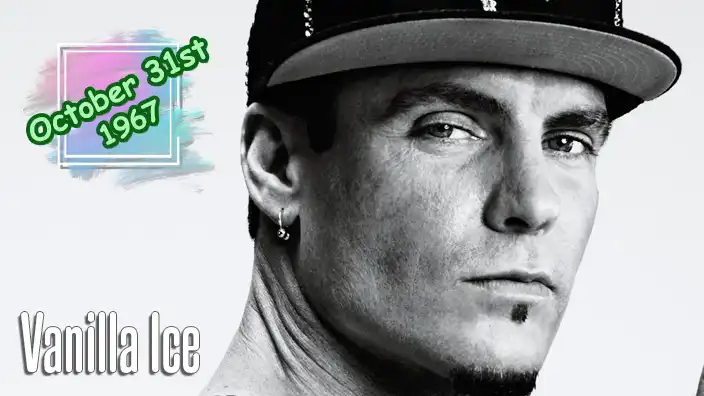
October 31, 1967, in Dallas, Texas

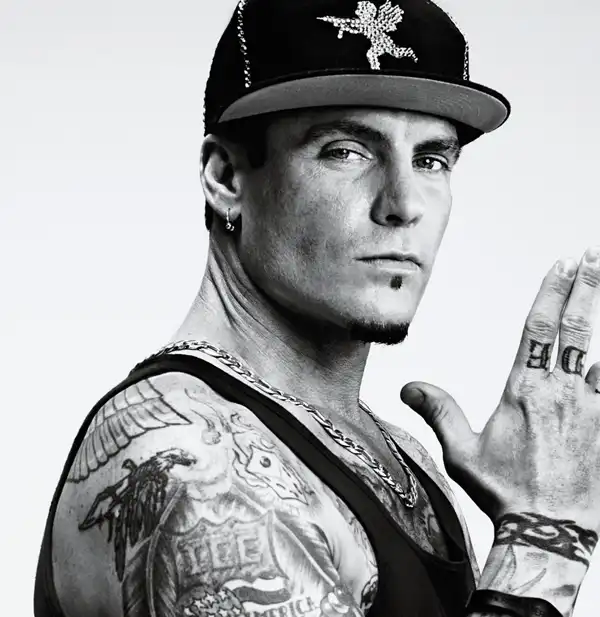
Vanilla Ice, born Robert Matthew Van Winkle on October 31, 1967, in Dallas, Texas, is an American rapper, actor, television personality, and entrepreneur who became one of the most recognizable entertainers of the early 1990s. Best known for his international hit "Ice Ice Baby," Vanilla Ice achieved extraordinary commercial success at a time when hip-hop was rapidly expanding beyond its original audiences. His distinctive hairstyle, energetic dancing, colorful clothing, and catchy lyrics helped define a memorable period in popular music. Although his initial rise to fame was followed by controversy and declining record sales, he reinvented himself through music, television, real estate, and home renovation. Not bad for a fellow whose most famous contribution to popular culture involved repeatedly reminding everyone that ice was, in fact, ice.
Growing up between Dallas, Texas, and South Florida, Van Winkle developed an early fascination with music, dancing, and extreme sports. The emerging hip-hop culture of the late 1970s and early 1980s captured his imagination, particularly breakdancing, which was becoming increasingly popular among young people across America. He began practicing dance routines with friends, developing the athletic movements and confident stage presence that would later become important parts of his performances. His friends nicknamed him "Vanilla" because he was the only white member of his breakdancing group, while "Ice" came from the name of one of his dance moves. The combination eventually became Vanilla Ice, a stage name that would prove considerably more memorable than Robert Van Winkle, particularly when printed across T-shirts, posters, and lunchboxes.
During his teenage years, Vanilla Ice became increasingly involved in the Dallas hip-hop scene, performing at parties, clubs, and local entertainment venues. He attended R. L. Turner High School in Carrollton, Texas, but left school before graduating to pursue his interests in music and performance. His early experiences included competing in dance contests, developing rap lyrics, and performing alongside other aspiring musicians. He also maintained an enthusiasm for motocross racing, an interest that required considerable physical skill and occasionally introduced him to the less glamorous experience of meeting the ground at high speed. These activities helped develop the energetic performance style that would distinguish him from many other emerging rappers.
A significant opportunity arrived when Vanilla Ice began performing at City Lights, a Dallas nightclub where his dancing and rapping attracted enthusiastic audiences. Club owner Tommy Quon recognized his commercial potential and became his manager, helping him organize performances and develop his recording career. Vanilla Ice frequently appeared with a group of dancers and musicians, creating shows that combined rap music, elaborate choreography, and energetic audience participation. His ability to entertain live audiences attracted attention beyond the local club scene, eventually leading to opportunities to perform alongside established artists. These early experiences helped transform a talented nightclub performer into an aspiring recording artist with national ambitions.
In 1989, Vanilla Ice released his debut album, Hooked, through the independent record label Ichiban Records. The album included a song that would soon change his life: "Ice Ice Baby." Co-written with Mario "Chocolate" Johnson, the track featured a memorable bass line sampled from "Under Pressure," the 1981 collaboration between Queen and David Bowie. Originally released as the B-side of his version of Wild Cherry's "Play That Funky Music," "Ice Ice Baby" unexpectedly attracted attention when radio stations began playing it. Listeners responded enthusiastically to its catchy rhythm, conversational rap delivery, and dance-friendly production. The song's popularity demonstrated that a recording originally considered secondary material could become a commercial sensation, particularly when radio audiences decided they preferred the other side of the record.
The breakthrough came in 1990 when "Ice Ice Baby" climbed to number one on the Billboard Hot 100, becoming the first hip-hop single to reach the top of that influential American chart. The achievement represented an important commercial milestone for rap music, which had been growing steadily in popularity throughout the 1980s. The song also reached number one in several international markets, introducing Vanilla Ice to audiences around the world. Its instantly recognizable bass line and opening lyrics became fixtures of radio playlists, school dances, nightclubs, and countless parties. For a brief period, it seemed almost impossible to turn on a radio without encountering Vanilla Ice, which was excellent news for his record company and considerably less exciting for anyone who preferred classical music.
Following the success of the single, Vanilla Ice signed with SBK Records, which reissued his debut album under the title To the Extreme in 1990. The album became an enormous commercial success, spending 16 consecutive weeks at number one on the Billboard 200 and selling millions of copies. Its popularity placed Vanilla Ice among the most commercially successful performers of the period, alongside artists such as MC Hammer, Madonna, and New Kids on the Block. His music videos received extensive television exposure, particularly on MTV, where his energetic dancing and distinctive appearance were ideally suited to the visual presentation of popular music. With his carefully styled hair, oversized clothing, and enthusiastic choreography, Vanilla Ice became one of the defining pop culture personalities of the decade.
The success of "Ice Ice Baby" also generated controversy concerning its use of the bass line from Queen and David Bowie's "Under Pressure." The similarity between the recordings was unmistakable, leading to disputes over songwriting credit and the use of copyrighted material. The matter was eventually resolved through an agreement that recognized the original songwriters' contributions. The controversy became one of the most frequently discussed examples of sampling in popular music, illustrating the legal and creative challenges that emerged as hip-hop producers increasingly incorporated elements of existing recordings into new compositions. For Vanilla Ice, the episode provided an early lesson in the music business: borrowing a memorable bass line can be enormously profitable, but the original musicians may eventually want to discuss the arrangement.
Vanilla Ice's rapid commercial success brought additional recognition, including American Music Awards in 1991 for Favorite Pop/Rock New Artist and Favorite Rap/Hip-Hop New Artist. He also received a Grammy Award nomination for Best Rap Solo Performance. These achievements reflected his extraordinary popularity during the early 1990s, even as music critics debated the artistic merits of his recordings. Some observers regarded his success as evidence that hip-hop had entered the mainstream music industry, while others criticized the commercial promotion of a white rapper within a genre developed primarily by African American artists. The debate surrounding Vanilla Ice became part of a broader discussion about race, authenticity, marketing, and cultural influence in popular music.
His growing celebrity also led to opportunities in Hollywood. In 1991, Vanilla Ice appeared in Teenage Mutant Ninja Turtles II: The Secret of the Ooze, performing the energetic "Ninja Rap" during a memorable nightclub sequence. The appearance introduced his music to younger movie audiences and became one of the most recognizable moments in the film. The sight of four oversized, crime-fighting turtles performing martial arts while a rapper encouraged everyone to dance was certainly unusual, but it fit perfectly into the cheerful absurdity of early 1990s entertainment. "Ninja Rap" subsequently developed its own nostalgic following, particularly among fans who grew up watching the Teenage Mutant Ninja Turtles franchise.
That same year, Vanilla Ice starred in the romantic musical comedy Cool as Ice, portraying Johnny Van Owen, a motorcycle-riding musician who becomes romantically involved with a young woman from a more conventional background. The film attempted to capitalize on his enormous popularity, combining music, romance, motorcycle stunts, and the distinctive fashion choices of the period. Unfortunately, critics were largely unimpressed, and the movie performed poorly at the box office. Nevertheless, Cool as Ice eventually developed a cult following among enthusiasts of unusual 1990s cinema. Its extravagant clothing, dramatic dialogue, and unmistakably dated atmosphere have made it a nostalgic curiosity, demonstrating that even an unsuccessful movie can enjoy a surprisingly long afterlife.
The extraordinary speed of Vanilla Ice's rise to fame also contributed to a difficult period in his career. As journalists investigated his background, questions emerged about claims made in promotional biographies concerning his upbringing, street experiences, and motocross achievements. Several statements were challenged or contradicted, damaging his credibility and encouraging accusations that his public image had been exaggerated for commercial purposes. Vanilla Ice later attributed some of these problems to the marketing decisions of people involved in managing his early career. Regardless of responsibility, the controversy illustrated the dangers of constructing an entertainment personality around claims that could not withstand public scrutiny. In the music business, a carefully manufactured image can disappear remarkably quickly when reporters start asking inconvenient questions.
By the middle of the 1990s, Vanilla Ice's mainstream popularity had declined considerably. His 1994 album Mind Blowin' represented an attempt to move away from the polished pop-rap style associated with "Ice Ice Baby," incorporating elements of funk and a harder musical approach. The album failed to reproduce his earlier commercial success, and he struggled with the pressures of celebrity, negative publicity, and changing musical tastes. He also experienced serious personal difficulties, including substance abuse and a drug overdose in 1994. These experiences contributed to a period of reassessment during which he stepped away from the intense publicity surrounding his earlier career.
Rather than abandon music completely, Vanilla Ice experimented with different musical styles and began rebuilding his career on his own terms. His 1998 album Hard to Swallow incorporated elements of rap rock, heavy metal, and alternative music, reflecting the growing popularity of heavier musical genres during the late 1990s. Working with producer Ross Robinson, who had collaborated with bands such as Korn and Limp Bizkit, Vanilla Ice explored a darker and more aggressive sound. Subsequent albums, including Bi-Polar (2001) and Platinum Underground (2005), continued his experimentation with alternative approaches to hip-hop and rock. Although these recordings never matched the extraordinary commercial achievements of To the Extreme, they demonstrated his determination to continue creating music beyond the expectations established by his first major hit.
Outside the recording studio, Vanilla Ice pursued his longstanding interests in motorsports and extreme sports. He participated in competitive jet skiing and continued enjoying motocross, activities that provided a different form of excitement from performing before thousands of concertgoers. His enthusiasm for motorcycles, racing, and physical challenges had been part of his life long before he became famous, and these interests remained important during periods when his musical career attracted less attention. For someone accustomed to the unpredictable nature of show business, racing across water or dirt at high speed may have seemed comparatively straightforward, although the consequences of a mistake were considerably more immediate.
Vanilla Ice also began developing an interest in real estate investment and residential renovation, eventually transforming what started as a personal business activity into a second successful career. He purchased, renovated, and sold properties, developing practical knowledge of construction, remodeling, and property development. His experience included transforming outdated homes into modern residences with upgraded kitchens, bathrooms, landscaping, and entertainment spaces. Unlike his early recording career, which had depended heavily on the rapidly changing tastes of music audiences, real estate offered opportunities to create lasting improvements and build value through careful planning and physical work. It also provided a useful alternative occupation for a man whose original profession required audiences to remain enthusiastic about a song released decades earlier.
In 2010, Vanilla Ice became the host of The Vanilla Ice Project, a home renovation television series on the DIY Network. The program followed him and his construction team as they purchased and transformed properties, particularly in South Florida. Viewers watched extensive renovations involving interior design, swimming pools, landscaping, modern technology, and ambitious structural improvements. The series ran for nine seasons through 2019, introducing Vanilla Ice to an entirely different television audience. Many viewers who remembered him as the energetic rapper of the early 1990s were surprised to discover that he possessed considerable experience in property renovation. The transformation from hip-hop superstar to home improvement personality was unusual, but it demonstrated that a successful career can take unexpected turns, especially when the performer knows how to handle both a microphone and a power drill.
His renovation career also led to Vanilla Ice Goes Amish, a television series that premiered in 2013 and featured the rapper working alongside Amish craftsmen. The program explored traditional construction techniques, craftsmanship, and the differences between modern building methods and the practical skills preserved within Amish communities. Rather than relying entirely on contemporary equipment and technology, Vanilla Ice participated in projects that emphasized hands-on work and traditional building practices. The unusual combination of a former rap superstar and experienced Amish builders created an entertaining contrast, while also highlighting the value of craftsmanship and cooperation. Few television concepts could have sounded more unlikely, but the series demonstrated that the entertainment industry still had plenty of surprises available.
Vanilla Ice continued appearing on reality television and entertainment programs, including The Surreal Life, Dancing with the Stars, and various celebrity competitions. His participation in the 23rd season of Dancing with the Stars in 2016 allowed him to return to the dancing skills that had helped launch his career. Performing with professional dancer Witney Carson, he demonstrated that his early enthusiasm for breakdancing had never entirely disappeared. His television appearances frequently embraced the nostalgia associated with his musical success, while also allowing audiences to see a more relaxed and self-aware personality. Rather than constantly attempting to escape the reputation created by "Ice Ice Baby," he increasingly appeared comfortable acknowledging the song's permanent place in popular culture.
His later entertainment career included performances at nostalgia concerts, music festivals, and events celebrating the popular culture of the 1990s. These appearances often featured other performers associated with the decade, allowing audiences to revisit the music and entertainment of their younger years. Vanilla Ice's signature hit remained the centerpiece of many performances, generating enthusiastic reactions from listeners who could still remember the lyrics long after forgetting where they had left their car keys. The continuing popularity of 1990s nostalgia demonstrated that music associated with a particular period can retain enormous emotional appeal, even when fashions, technology, and musical trends have changed dramatically.
Beyond his professional activities, Vanilla Ice has experienced the challenges of maintaining a personal life while living in the public eye. He married Laura Giaritta in 1997, and the couple had two daughters, Dusti Rain and KeeLee Breeze. Their marriage later ended in divorce. His experiences as a father, businessman, and entertainer have influenced his public appearances and interviews, particularly as he has reflected on the difficulties of sudden fame and the importance of developing interests beyond the entertainment industry. His career has included extraordinary commercial success, professional disappointments, personal struggles, and unexpected opportunities for reinvention.
The influence of Vanilla Ice on popular music remains a subject of discussion among historians, critics, and hip-hop enthusiasts. His commercial success demonstrated the expanding mainstream appeal of rap music during a crucial period in its development, although the cultural significance of that achievement has often been debated. Hip-hop had already been shaped by pioneering artists and groups including Grandmaster Flash, Run-D.M.C., Public Enemy, and the Beastie Boys, whose work established the foundations upon which later commercial successes were built. Vanilla Ice's breakthrough occurred within that larger musical movement, introducing rap to additional pop audiences while also raising questions about representation and the music industry's marketing priorities.
"Ice Ice Baby" remains one of the most recognizable songs associated with the early 1990s. Its bass line, rhythmic delivery, and memorable opening have appeared in countless television programs, advertisements, comedy sketches, and nostalgic celebrations. The recording has become so closely associated with its era that hearing only a few seconds can immediately transport listeners back to a world of cassette tapes, oversized clothing, and music videos featuring choreographed dancers. While some performers spend their entire careers searching for one unforgettable recording, Vanilla Ice achieved that distinction almost immediately. The challenge was discovering what to do after the entire world had learned the words.
Vanilla Ice's career offers an entertaining example of the unpredictable nature of fame and the importance of adaptability. From his early days as a breakdancer and aspiring rapper to his extraordinary success with "Ice Ice Baby," he experienced the heights of international celebrity before confronting criticism, changing musical tastes, and personal difficulties. Rather than disappearing completely from public life, he developed new interests, explored different musical styles, and established himself as a recognizable television personality in the home renovation industry. His journey demonstrates that an entertainer's most famous achievement need not define every chapter of a career. And while millions will always remember Vanilla Ice for his unforgettable contribution to 1990s hip-hop, homeowners might be equally pleased to discover that he can renovate a kitchen without insisting that everyone dance around the refrigerator.Vanilla Ice, born Robert Matthew Van Winkle on October 31, 1967, in Dallas, Texas, is an American rapper, actor, television personality, and entrepreneur who became one of the most recognizable entertainers of the early 1990s. Best known for his international hit "Ice Ice Baby," Vanilla Ice achieved extraordinary commercial success at a time when hip-hop was rapidly expanding beyond its original audiences. His distinctive hairstyle, energetic dancing, colorful clothing, and catchy lyrics helped define a memorable period in popular music. Although his initial rise to fame was followed by controversy and declining record sales, he reinvented himself through music, television, real estate, and home renovation. Not bad for a fellow whose most famous contribution to popular culture involved repeatedly reminding everyone that ice was, in fact, ice.
Growing up between Dallas, Texas, and South Florida, Van Winkle developed an early fascination with music, dancing, and extreme sports. The emerging hip-hop culture of the late 1970s and early 1980s captured his imagination, particularly breakdancing, which was becoming increasingly popular among young people across America. He began practicing dance routines with friends, developing the athletic movements and confident stage presence that would later become important parts of his performances. His friends nicknamed him "Vanilla" because he was the only white member of his breakdancing group, while "Ice" came from the name of one of his dance moves. The combination eventually became Vanilla Ice, a stage name that would prove considerably more memorable than Robert Van Winkle, particularly when printed across T-shirts, posters, and lunchboxes.
During his teenage years, Vanilla Ice became increasingly involved in the Dallas hip-hop scene, performing at parties, clubs, and local entertainment venues. He attended R. L. Turner High School in Carrollton, Texas, but left school before graduating to pursue his interests in music and performance. His early experiences included competing in dance contests, developing rap lyrics, and performing alongside other aspiring musicians. He also maintained an enthusiasm for motocross racing, an interest that required considerable physical skill and occasionally introduced him to the less glamorous experience of meeting the ground at high speed. These activities helped develop the energetic performance style that would distinguish him from many other emerging rappers.
A significant opportunity arrived when Vanilla Ice began performing at City Lights, a Dallas nightclub where his dancing and rapping attracted enthusiastic audiences. Club owner Tommy Quon recognized his commercial potential and became his manager, helping him organize performances and develop his recording career. Vanilla Ice frequently appeared with a group of dancers and musicians, creating shows that combined rap music, elaborate choreography, and energetic audience participation. His ability to entertain live audiences attracted attention beyond the local club scene, eventually leading to opportunities to perform alongside established artists. These early experiences helped transform a talented nightclub performer into an aspiring recording artist with national ambitions.
In 1989, Vanilla Ice released his debut album, Hooked, through the independent record label Ichiban Records. The album included a song that would soon change his life: "Ice Ice Baby." Co-written with Mario "Chocolate" Johnson, the track featured a memorable bass line sampled from "Under Pressure," the 1981 collaboration between Queen and David Bowie. Originally released as the B-side of his version of Wild Cherry's "Play That Funky Music," "Ice Ice Baby" unexpectedly attracted attention when radio stations began playing it. Listeners responded enthusiastically to its catchy rhythm, conversational rap delivery, and dance-friendly production. The song's popularity demonstrated that a recording originally considered secondary material could become a commercial sensation, particularly when radio audiences decided they preferred the other side of the record.
The breakthrough came in 1990 when "Ice Ice Baby" climbed to number one on the Billboard Hot 100, becoming the first hip-hop single to reach the top of that influential American chart. The achievement represented an important commercial milestone for rap music, which had been growing steadily in popularity throughout the 1980s. The song also reached number one in several international markets, introducing Vanilla Ice to audiences around the world. Its instantly recognizable bass line and opening lyrics became fixtures of radio playlists, school dances, nightclubs, and countless parties. For a brief period, it seemed almost impossible to turn on a radio without encountering Vanilla Ice, which was excellent news for his record company and considerably less exciting for anyone who preferred classical music.
Following the success of the single, Vanilla Ice signed with SBK Records, which reissued his debut album under the title To the Extreme in 1990. The album became an enormous commercial success, spending 16 consecutive weeks at number one on the Billboard 200 and selling millions of copies. Its popularity placed Vanilla Ice among the most commercially successful performers of the period, alongside artists such as MC Hammer, Madonna, and New Kids on the Block. His music videos received extensive television exposure, particularly on MTV, where his energetic dancing and distinctive appearance were ideally suited to the visual presentation of popular music. With his carefully styled hair, oversized clothing, and enthusiastic choreography, Vanilla Ice became one of the defining pop culture personalities of the decade.
The success of "Ice Ice Baby" also generated controversy concerning its use of the bass line from Queen and David Bowie's "Under Pressure." The similarity between the recordings was unmistakable, leading to disputes over songwriting credit and the use of copyrighted material. The matter was eventually resolved through an agreement that recognized the original songwriters' contributions. The controversy became one of the most frequently discussed examples of sampling in popular music, illustrating the legal and creative challenges that emerged as hip-hop producers increasingly incorporated elements of existing recordings into new compositions. For Vanilla Ice, the episode provided an early lesson in the music business: borrowing a memorable bass line can be enormously profitable, but the original musicians may eventually want to discuss the arrangement.
Vanilla Ice's rapid commercial success brought additional recognition, including American Music Awards in 1991 for Favorite Pop/Rock New Artist and Favorite Rap/Hip-Hop New Artist. He also received a Grammy Award nomination for Best Rap Solo Performance. These achievements reflected his extraordinary popularity during the early 1990s, even as music critics debated the artistic merits of his recordings. Some observers regarded his success as evidence that hip-hop had entered the mainstream music industry, while others criticized the commercial promotion of a white rapper within a genre developed primarily by African American artists. The debate surrounding Vanilla Ice became part of a broader discussion about race, authenticity, marketing, and cultural influence in popular music.
His growing celebrity also led to opportunities in Hollywood. In 1991, Vanilla Ice appeared in Teenage Mutant Ninja Turtles II: The Secret of the Ooze, performing the energetic "Ninja Rap" during a memorable nightclub sequence. The appearance introduced his music to younger movie audiences and became one of the most recognizable moments in the film. The sight of four oversized, crime-fighting turtles performing martial arts while a rapper encouraged everyone to dance was certainly unusual, but it fit perfectly into the cheerful absurdity of early 1990s entertainment. "Ninja Rap" subsequently developed its own nostalgic following, particularly among fans who grew up watching the Teenage Mutant Ninja Turtles franchise.
That same year, Vanilla Ice starred in the romantic musical comedy Cool as Ice, portraying Johnny Van Owen, a motorcycle-riding musician who becomes romantically involved with a young woman from a more conventional background. The film attempted to capitalize on his enormous popularity, combining music, romance, motorcycle stunts, and the distinctive fashion choices of the period. Unfortunately, critics were largely unimpressed, and the movie performed poorly at the box office. Nevertheless, Cool as Ice eventually developed a cult following among enthusiasts of unusual 1990s cinema. Its extravagant clothing, dramatic dialogue, and unmistakably dated atmosphere have made it a nostalgic curiosity, demonstrating that even an unsuccessful movie can enjoy a surprisingly long afterlife.
The extraordinary speed of Vanilla Ice's rise to fame also contributed to a difficult period in his career. As journalists investigated his background, questions emerged about claims made in promotional biographies concerning his upbringing, street experiences, and motocross achievements. Several statements were challenged or contradicted, damaging his credibility and encouraging accusations that his public image had been exaggerated for commercial purposes. Vanilla Ice later attributed some of these problems to the marketing decisions of people involved in managing his early career. Regardless of responsibility, the controversy illustrated the dangers of constructing an entertainment personality around claims that could not withstand public scrutiny. In the music business, a carefully manufactured image can disappear remarkably quickly when reporters start asking inconvenient questions.
By the middle of the 1990s, Vanilla Ice's mainstream popularity had declined considerably. His 1994 album Mind Blowin' represented an attempt to move away from the polished pop-rap style associated with "Ice Ice Baby," incorporating elements of funk and a harder musical approach. The album failed to reproduce his earlier commercial success, and he struggled with the pressures of celebrity, negative publicity, and changing musical tastes. He also experienced serious personal difficulties, including substance abuse and a drug overdose in 1994. These experiences contributed to a period of reassessment during which he stepped away from the intense publicity surrounding his earlier career.
Rather than abandon music completely, Vanilla Ice experimented with different musical styles and began rebuilding his career on his own terms. His 1998 album Hard to Swallow incorporated elements of rap rock, heavy metal, and alternative music, reflecting the growing popularity of heavier musical genres during the late 1990s. Working with producer Ross Robinson, who had collaborated with bands such as Korn and Limp Bizkit, Vanilla Ice explored a darker and more aggressive sound. Subsequent albums, including Bi-Polar (2001) and Platinum Underground (2005), continued his experimentation with alternative approaches to hip-hop and rock. Although these recordings never matched the extraordinary commercial achievements of To the Extreme, they demonstrated his determination to continue creating music beyond the expectations established by his first major hit.
Outside the recording studio, Vanilla Ice pursued his longstanding interests in motorsports and extreme sports. He participated in competitive jet skiing and continued enjoying motocross, activities that provided a different form of excitement from performing before thousands of concertgoers. His enthusiasm for motorcycles, racing, and physical challenges had been part of his life long before he became famous, and these interests remained important during periods when his musical career attracted less attention. For someone accustomed to the unpredictable nature of show business, racing across water or dirt at high speed may have seemed comparatively straightforward, although the consequences of a mistake were considerably more immediate.
Vanilla Ice also began developing an interest in real estate investment and residential renovation, eventually transforming what started as a personal business activity into a second successful career. He purchased, renovated, and sold properties, developing practical knowledge of construction, remodeling, and property development. His experience included transforming outdated homes into modern residences with upgraded kitchens, bathrooms, landscaping, and entertainment spaces. Unlike his early recording career, which had depended heavily on the rapidly changing tastes of music audiences, real estate offered opportunities to create lasting improvements and build value through careful planning and physical work. It also provided a useful alternative occupation for a man whose original profession required audiences to remain enthusiastic about a song released decades earlier.
In 2010, Vanilla Ice became the host of The Vanilla Ice Project, a home renovation television series on the DIY Network. The program followed him and his construction team as they purchased and transformed properties, particularly in South Florida. Viewers watched extensive renovations involving interior design, swimming pools, landscaping, modern technology, and ambitious structural improvements. The series ran for nine seasons through 2019, introducing Vanilla Ice to an entirely different television audience. Many viewers who remembered him as the energetic rapper of the early 1990s were surprised to discover that he possessed considerable experience in property renovation. The transformation from hip-hop superstar to home improvement personality was unusual, but it demonstrated that a successful career can take unexpected turns, especially when the performer knows how to handle both a microphone and a power drill.
His renovation career also led to Vanilla Ice Goes Amish, a television series that premiered in 2013 and featured the rapper working alongside Amish craftsmen. The program explored traditional construction techniques, craftsmanship, and the differences between modern building methods and the practical skills preserved within Amish communities. Rather than relying entirely on contemporary equipment and technology, Vanilla Ice participated in projects that emphasized hands-on work and traditional building practices. The unusual combination of a former rap superstar and experienced Amish builders created an entertaining contrast, while also highlighting the value of craftsmanship and cooperation. Few television concepts could have sounded more unlikely, but the series demonstrated that the entertainment industry still had plenty of surprises available.
Vanilla Ice continued appearing on reality television and entertainment programs, including The Surreal Life, Dancing with the Stars, and various celebrity competitions. His participation in the 23rd season of Dancing with the Stars in 2016 allowed him to return to the dancing skills that had helped launch his career. Performing with professional dancer Witney Carson, he demonstrated that his early enthusiasm for breakdancing had never entirely disappeared. His television appearances frequently embraced the nostalgia associated with his musical success, while also allowing audiences to see a more relaxed and self-aware personality. Rather than constantly attempting to escape the reputation created by "Ice Ice Baby," he increasingly appeared comfortable acknowledging the song's permanent place in popular culture.
His later entertainment career included performances at nostalgia concerts, music festivals, and events celebrating the popular culture of the 1990s. These appearances often featured other performers associated with the decade, allowing audiences to revisit the music and entertainment of their younger years. Vanilla Ice's signature hit remained the centerpiece of many performances, generating enthusiastic reactions from listeners who could still remember the lyrics long after forgetting where they had left their car keys. The continuing popularity of 1990s nostalgia demonstrated that music associated with a particular period can retain enormous emotional appeal, even when fashions, technology, and musical trends have changed dramatically.
Beyond his professional activities, Vanilla Ice has experienced the challenges of maintaining a personal life while living in the public eye. He married Laura Giaritta in 1997, and the couple had two daughters, Dusti Rain and KeeLee Breeze. Their marriage later ended in divorce. His experiences as a father, businessman, and entertainer have influenced his public appearances and interviews, particularly as he has reflected on the difficulties of sudden fame and the importance of developing interests beyond the entertainment industry. His career has included extraordinary commercial success, professional disappointments, personal struggles, and unexpected opportunities for reinvention.
The influence of Vanilla Ice on popular music remains a subject of discussion among historians, critics, and hip-hop enthusiasts. His commercial success demonstrated the expanding mainstream appeal of rap music during a crucial period in its development, although the cultural significance of that achievement has often been debated. Hip-hop had already been shaped by pioneering artists and groups including Grandmaster Flash, Run-D.M.C., Public Enemy, and the Beastie Boys, whose work established the foundations upon which later commercial successes were built. Vanilla Ice's breakthrough occurred within that larger musical movement, introducing rap to additional pop audiences while also raising questions about representation and the music industry's marketing priorities.
"Ice Ice Baby" remains one of the most recognizable songs associated with the early 1990s. Its bass line, rhythmic delivery, and memorable opening have appeared in countless television programs, advertisements, comedy sketches, and nostalgic celebrations. The recording has become so closely associated with its era that hearing only a few seconds can immediately transport listeners back to a world of cassette tapes, oversized clothing, and music videos featuring choreographed dancers. While some performers spend their entire careers searching for one unforgettable recording, Vanilla Ice achieved that distinction almost immediately. The challenge was discovering what to do after the entire world had learned the words.
Vanilla Ice's career offers an entertaining example of the unpredictable nature of fame and the importance of adaptability. From his early days as a breakdancer and aspiring rapper to his extraordinary success with "Ice Ice Baby," he experienced the heights of international celebrity before confronting criticism, changing musical tastes, and personal difficulties. Rather than disappearing completely from public life, he developed new interests, explored different musical styles, and established himself as a recognizable television personality in the home renovation industry. His journey demonstrates that an entertainer's most famous achievement need not define every chapter of a career. And while millions will always remember Vanilla Ice for his unforgettable contribution to 1990s hip-hop, homeowners might be equally pleased to discover that he can renovate a kitchen without insisting that everyone dance around the refrigerator.
IMDb – Vanilla Ice Biography – Birth information, early life, personal background, and entertainment career. Biography – Vanilla Ice – Musical breakthrough, commercial success, personal challenges, and later career. AllMusic – Vanilla Ice – Musical biography, albums, recordings, and critical perspective. American Songwriter – Where Are They Now? Vanilla Ice – Career history, musical development, and professional reinvention. TV Guide – Vanilla Ice – Awards, television appearances, film performances, and musical achievements. Fandango – Vanilla Ice Biography – Early life, recording success, film appearances, and television projects. TV Insider – Vanilla Ice – Television credits, professional background, and entertainment appearances. Los Angeles Times – Vanilla Ice's Facade Is Melting – Contemporary reporting on controversies surrounding his early publicity and biography.References & Sources