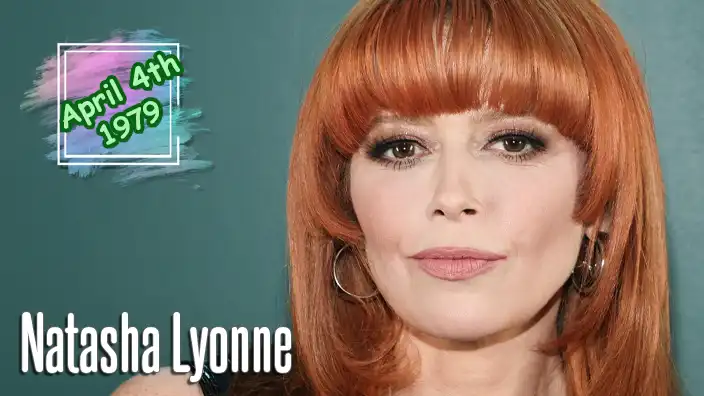
April 4, 1979, in New York City, New York
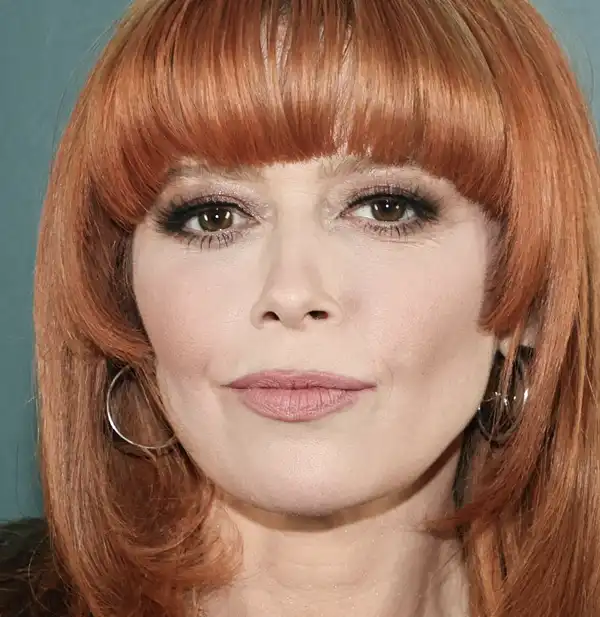
Natasha Lyonne is one of those rare performers who manages to be both unmistakably unique and instantly recognizable. With her raspy voice, sharp comedic timing, and unmistakable red curls, she has carved out a career that blends edgy humor, emotional depth, and a bit of delightful unpredictability. Hollywood has always had plenty of stars, but Natasha Lyonne built her reputation by refusing to fit neatly into anyone’s mold.
She was born Natasha Bianca Lyonne Braunstein on April 4, 1979, in New York City. Her father was a boxing promoter and race car driver, while her mother worked as a writer and radio host. Growing up around such colorful personalities likely helped shape Lyonne’s bold personality and fearless sense of humor.
Lyonne began acting at a young age and appeared on the popular children’s television program Pee-wee's Playhouse during the 1980s. Early exposure to television and film gave her a taste of the industry long before most kids have figured out what they want to be when they grow up.
As a teenager, Lyonne attended the prestigious Tisch School of the Arts at New York University, although her acting career quickly took priority over classroom schedules. By the mid-1990s, she had begun landing roles in independent films that showcased her ability to portray complex, rebellious, and often sarcastically funny characters.
Her breakout role came in the teen comedy American Pie (1999), where she played Jessica, the blunt and worldly friend who seemed to understand far more about life than the rest of the characters. The film became a cultural phenomenon and introduced Lyonne to a much wider audience.
Around the same time, she delivered memorable performances in films such as But I'm a Cheerleader (1999), a satirical comedy that later became a cult favorite, and Slums of Beverly Hills (1998). These roles showed her knack for blending humor with emotional vulnerability—something that would become a trademark of her acting style.
Like many performers who start young, Lyonne’s early career also came with personal struggles. During the early 2000s she faced serious health and addiction challenges that temporarily stalled her career. However, much like several other Hollywood comeback stories, she gradually rebuilt both her life and her reputation in the industry.
Her return to prominence came with the Netflix series Orange Is the New Black (2013–2019). Lyonne played Nicky Nichols, a witty and sarcastic inmate whose humor masked a complicated past. The role earned her widespread praise and introduced her to a new generation of viewers. Her performance stood out even in a cast full of strong characters.
In 2019, Lyonne reached a new level of creative control when she co-created and starred in the Netflix series Russian Doll. The show follows a woman who repeatedly dies and relives the same night in a mysterious time loop. Lyonne’s performance combined dark humor, philosophical questions, and emotional depth. The series received critical acclaim and multiple award nominations.
Lyonne also became known for her work behind the camera as a writer, director, and producer. She helped shape the creative direction of Russian Doll, demonstrating that her talents extended well beyond acting.
In 2023 she starred in the mystery series Poker Face, created by filmmaker Rian Johnson. The show pays homage to classic detective programs, with Lyonne playing Charlie Cale, a woman who has the uncanny ability to tell when someone is lying. Each episode follows her as she travels across America solving unusual crimes. The role suited her perfectly—equal parts clever, quirky, and cool.
Throughout her career, Lyonne has earned a reputation for authenticity. She speaks openly about her past struggles and often uses humor to reflect on them. Rather than hiding the difficult chapters of her life, she treats them as lessons learned and proof that second acts are always possible.
Beyond acting, Lyonne has become a respected creative voice in modern television. Her work often explores themes of identity, personal growth, and the strange twists of fate that shape people’s lives.
Fans appreciate her because she feels genuine. She doesn’t deliver polished, predictable performances; she delivers characters that feel messy, real, and oddly lovable. That combination has made Natasha Lyonne one of the most distinctive performers working today.
In an industry that often rewards playing it safe, Lyonne built her career by doing the exact opposite—leaning into her individuality, trusting her instincts, and reminding audiences that sometimes the most interesting stories come from the people who refuse to follow the usual script.