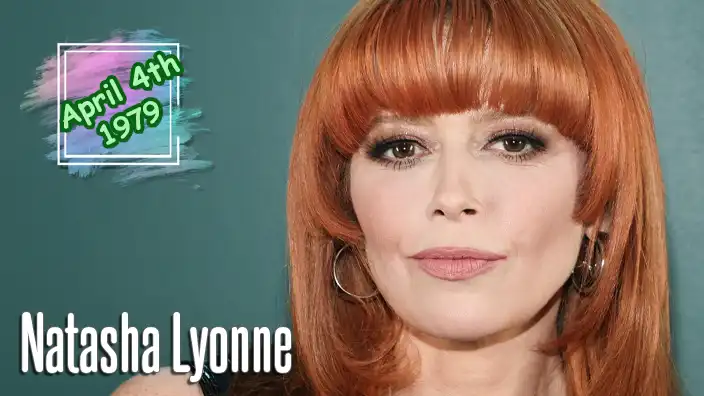
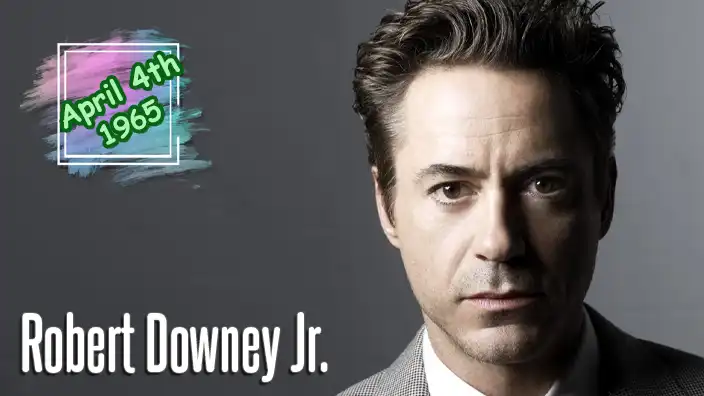
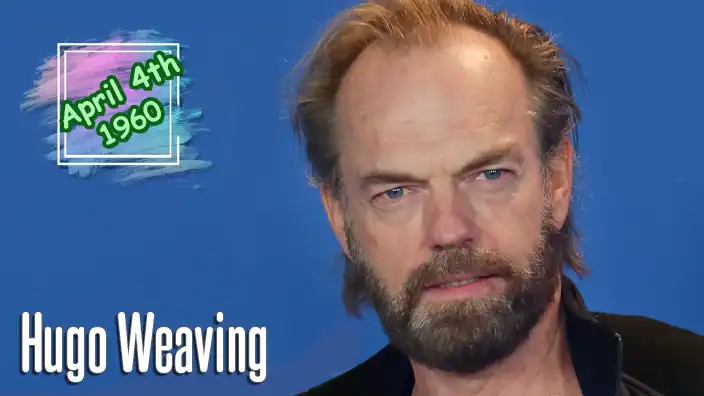
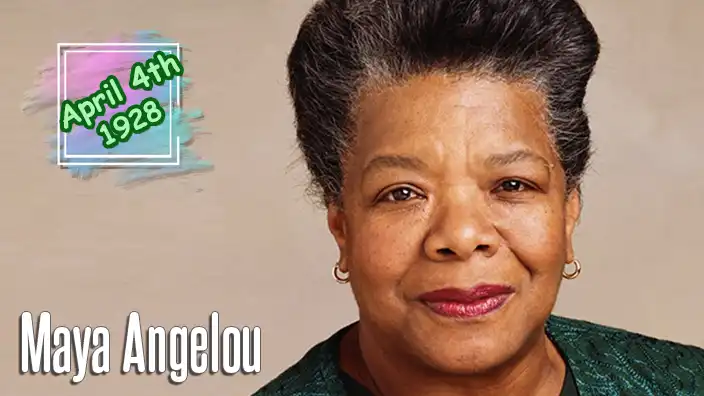
April 4, 1979, in Perth, Western Australia
 January 22, 2008, SoHo, New York

Heath Ledger remains one of the most admired actors of his generation, remembered for both his remarkable talent and the depth he brought to every role. During a career that lasted just over a decade, Ledger moved from teenage television roles in Australia to some of the most memorable performances in modern cinema. His work demonstrated a rare commitment to transformation, emotion, and storytelling.
Heath Andrew Ledger was born on April 4, 1979, in Perth, Western Australia. His father worked as a racing car driver and mining engineer, while his mother taught French. Ledger grew up with a strong interest in the arts and sports. As a child he enjoyed chess—winning a junior championship at age ten—and later developed a passion for acting through school theater productions.
After finishing school, Ledger decided to pursue acting professionally. Instead of taking the traditional university route, he moved to Sydney to audition for film and television roles. The move paid off quickly. In the mid-1990s he appeared in Australian television series such as Sweat and Home and Away, gaining valuable experience and industry recognition.
Hollywood soon took notice of the young Australian actor. Ledger’s international breakthrough came with the teen romantic comedy 10 Things I Hate About You (1999). In the film he played the charming yet rebellious Patrick Verona, winning audiences with a combination of humor, confidence, and sincerity. The performance turned him into a rising star and introduced him to a global audience.
Rather than remain in typical “teen heartthrob” roles, Ledger deliberately chose projects that allowed him to stretch as an actor. In 2001 he starred in the historical adventure film A Knight's Tale, portraying a medieval squire who rises through determination and courage to compete as a knight. The film blended history with modern humor and showcased Ledger’s charisma and leading-man presence.
Ledger continued to take on diverse roles in films such as The Patriot (2000) and Monster's Ball (2001), steadily building a reputation as an actor willing to tackle challenging material. However, it was his performance in Brokeback Mountain (2005) that truly demonstrated the depth of his abilities.
In Brokeback Mountain, Ledger portrayed Ennis Del Mar, a quiet and emotionally reserved ranch hand involved in a complex and secretive relationship. Directed by Ang Lee, the film was widely praised and earned numerous awards and nominations. Ledger received an Academy Award nomination for Best Actor for his subtle and deeply moving performance.
Ledger’s dedication to his craft was evident in the way he approached roles. He often immersed himself fully in characters, studying their psychology and mannerisms in detail. This commitment reached its most famous expression when he portrayed the Joker in The Dark Knight (2008), directed by Christopher Nolan.
Ledger’s version of the Joker was unlike any previous portrayal of the character. Instead of a simple comic-book villain, he created a chilling and chaotic antagonist who challenged the moral order of the film’s world. His unsettling laugh, unpredictable movements, and eerie calm made the character unforgettable.
The performance was widely considered one of the greatest villain portrayals in film history. Tragically, Ledger passed away on January 22, 2008, before the film was released. His death shocked the film community and fans around the world.
Following the film’s release, Ledger’s performance received extraordinary praise. He was posthumously awarded the Academy Award for Best Supporting Actor, recognizing the remarkable impact of his work.
Outside of acting, Ledger was also interested in directing and filmmaking. He directed several music videos and had begun exploring projects behind the camera. Friends and colleagues often described him as thoughtful, creative, and deeply committed to artistic expression.
Ledger also had a daughter, Matilda, with actress Michelle Williams, whom he met while filming Brokeback Mountain. Becoming a father was something he spoke about with great pride and joy.
Although Heath Ledger’s life and career were cut tragically short, his influence on modern cinema remains significant. His performances continue to be studied and admired for their intensity, authenticity, and emotional depth.
In a relatively short time, Ledger proved that acting could be more than entertainment—it could be transformation. His work demonstrated that great performances do not simply portray characters; they bring them vividly and permanently to life.