Mark The Days - December

December doesn’t walk in—it bursts through the door wearing twinkle lights and demanding cocoa. It’s the month where to-do lists triple, bank accounts whimper, and Mariah Carey begins her annual takeover of the airwaves. There’s gift-wrapping, cookie-baking, carol-singing, and the occasional existential crisis about whether you sent Aunt Linda a card last year or just thought about it really hard. But in the chaos comes cheer, and in the cold comes comfort—plus a solid excuse to eat fudge for breakfast. December is loud, sparkly, sentimental... and somehow always over too soon.
- Details
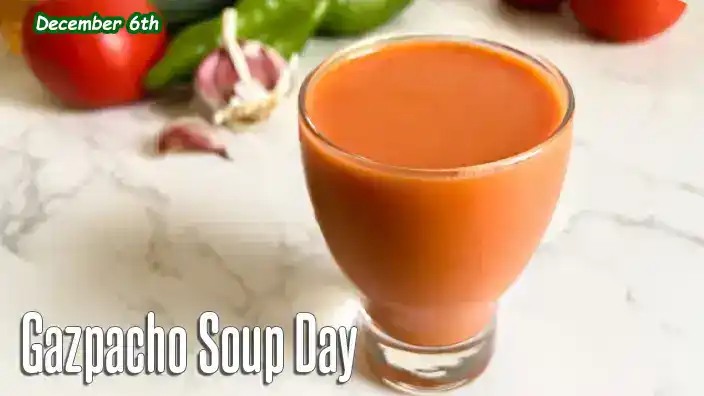
One interesting aspect of Gazpacho Soup Day is its link to the British sci-fi sitcom "Red Dwarf." The 'Gazpacho Soup Incident' referenced in the show is not just a humorous anecdote but also a pivotal moment for one of the main characters, Arnold Rimmer. This incident from Rimmer's past, where he embarrassingly mistakes gazpacho soup for being served hot rather than cold, is often brought up by other characters to highlight his social awkwardness and lack of common sense. This moment has become so iconic among fans that it turned Gazpacho Soup into a symbol of humor and character development, transcending its culinary origins to become a memorable part of pop culture.
Celebrated: Annually, on December 6th
Discover the refreshing world of gazpacho, a chilled Spanish delight that defies winter norms. Embrace the tangy flavors and culinary creativity of this iconic cold soup.

- Details
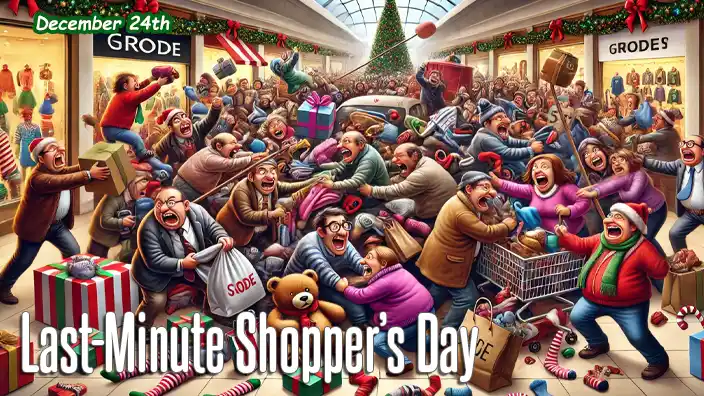
This is the annual Olympics for the perpetually unprepared! It’s that magical time when malls transform into competitive obstacle courses, and grown adults engage in strategic elbow maneuvers over the last pair of fuzzy socks. You can spot these heroic procrastinators by their wild-eyed determination, frenzied scanning of gift racks, and whispered prayers that “overnight shipping” still means tonight. Forget Santa’s sleigh—these folks are powered by caffeine, desperation, and the faint hope that Aunt Marge will love whatever’s left on the shelf.
Celebrated: Annually, on December 24th
Explore the chaos of Last-Minute Shopper's Day, a tradition of frantic gift hunting on December 24th filled with unique shopper types and survival tips.

- Details
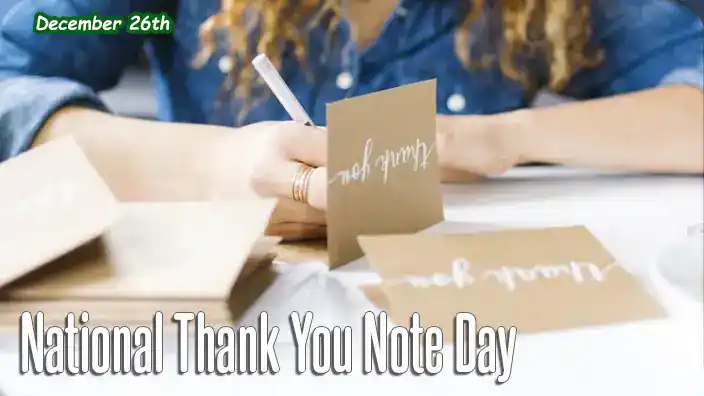
Writing thank you notes is the delicate art of expressing gratitude while navigating the fine line between sincerity and sounding like a Hallmark card. It's the perfect way to relive the awkwardness of opening gifts, trying to find polite ways to say "thanks for the socks" or "appreciate the thought, even if it was a bit off." Every note starts with the noble intention of heartfelt appreciation but often ends up as a desperate scramble for synonyms of "grateful." It's the post-holiday tradition that tests your creativity and penmanship, one polite fib at a time.
Celebrated: Annually, on December 26th
Celebrate National Thank You Note Day by expressing gratitude with handwritten notes. Discover the art and charm of personal thank you messages.


- Details
Sometimes, heroism sneaks into the mundane, like when someone battles the impossible task of assembling IKEA furniture without the instructions or keeps calm when faced with a toddler wielding a crayon near freshly painted walls. Everyday heroes are the ones who hold the fort, even if that fort is a chaotic living room or an office printer refusing to cooperate. They might not seek glory, but let’s admit, there’s a special kind of valor in dealing with tangled Christmas lights or an overflowing junk drawer without surrendering to the chaos.
Celebrated: Annually, on December 19th
Discover ways to celebrate National Heroes and Heroines Day by expressing gratitude, volunteering, and recognizing the unsung heroes in our communities.

- Details
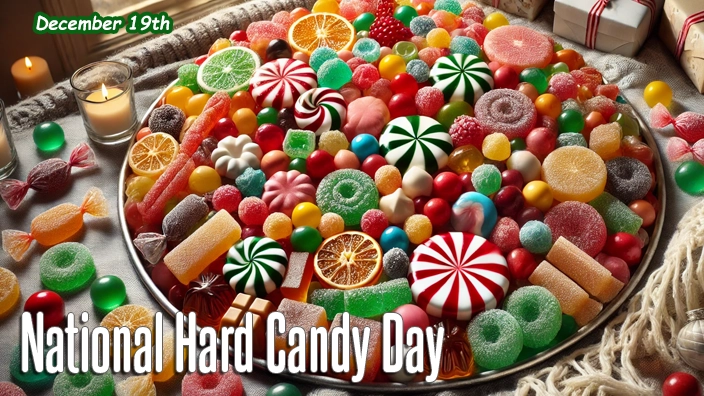
Hard candy isn’t just a treat; it’s a challenge. It tests your patience with its slow dissolve and your determination when the wrapper clings like it’s hiding treasure. And let’s not even get started on rock candy—it’s basically sugar’s way of saying, “I dare you to bite me.” Yet somehow, even after the occasional chipped tooth or sticky pocket mishap, we keep coming back for more. It’s the only candy that doubles as both dessert and a workout for your jaw!
Celebrated: Annually, on December 19th
Unwrap the fascinating world of hard candy, from its ancient origins to modern treats, and discover fun ways to celebrate National Hard Candy Day.

- Details
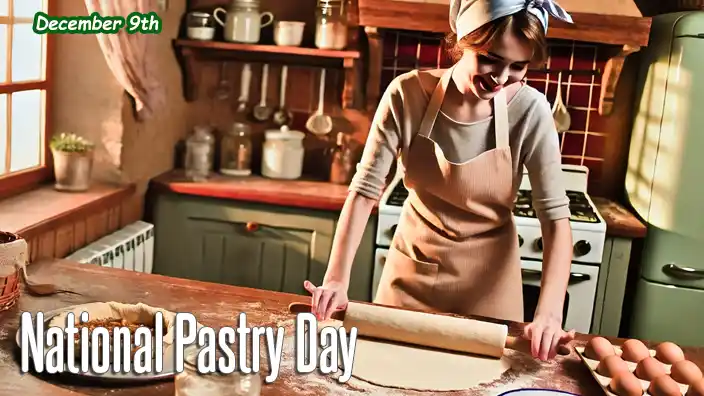
Enter a world where flour, butter, and sugar dance together in a delicious ballet. It's the only art form where "knead to create" is taken literally, and your masterpiece is just as likely to end up in a gallery of greatness (a.k.a. the dessert table) as it is to be critiqued by the toughest of judges – the taste buds. In this delightful realm, a rolling pin is your paintbrush, the dough your canvas, and the oven, a magical portal where raw ingredients transform into golden, flaky masterpieces. Whether it's a croissant that's so buttery, it should come with a warning label or a pie that's the perfect combination of 'crust-acular' and 'filling-tastic,' remember: even if your pastry doesn't look perfect, it's still a 'batch' made in heaven!
Celebrated: Annually, on December 9th
Celebrate National Pastry Day on December 9 by exploring the rich history and diverse world of pastries, from ancient treats to modern delights.

- Details
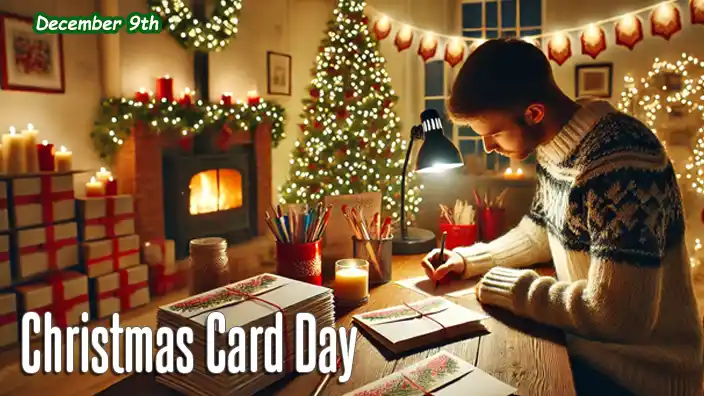
Christmas Card Day is that special time of year when we all realize our handwriting hasn’t improved since fourth grade. It’s a day filled with glitter that sticks to you more stubbornly than your New Year’s resolutions, and festive stamps that somehow end up everywhere except the top right corner of the envelope. It's when you sit down to write heartfelt messages, only to find your vocabulary is suddenly limited to “Happy Holidays” and “Warm Wishes.” This is the day we all become amateur poets, trying to squeeze a year's worth of sentiment into a card that inevitably gets displayed on the mantel like a tiny paper trophy. So grab your pens, embrace the clichés, and remember: it’s the thought that counts, even if that thought is hastily scribbled and smudged with a mystery stain from last year’s eggnog.
Celebrated: Annually, on December 9th
Experience the joy of Christmas Card Day, celebrating handwritten notes in a digital age. Join the tradition of spreading holiday cheer with physical cards.

- Details
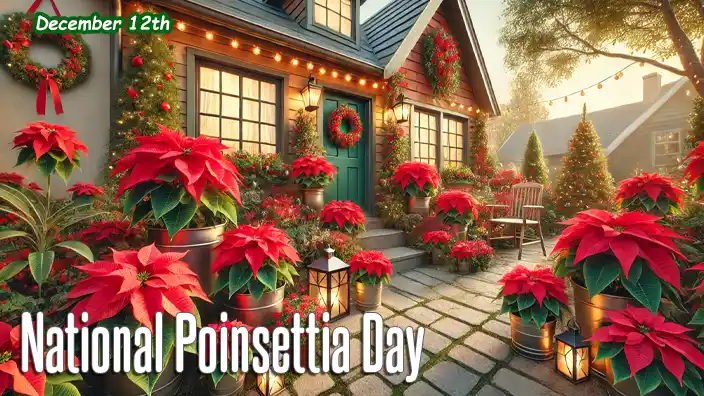
Poinsettias are the divas of the plant world—beautiful, vibrant, and just a little bit high-maintenance. They demand the perfect balance of water, light, and temperature, or else they start shedding leaves faster than a Christmas tree in January. And don’t even think about placing them near a drafty window; they’ll wilt dramatically as if to say, “How dare you!” But when treated with the care and attention they believe they deserve, poinsettias reward you with their star-like beauty, turning any room into a festive stage. Truly, they’re the holiday performers we didn’t know we needed.
Celebrated: Annually, on December 12th
Learn about the poinsettia's journey from Aztec traditions to modern holiday decor, alongside fun facts and care advice for this festive plant.

- Details
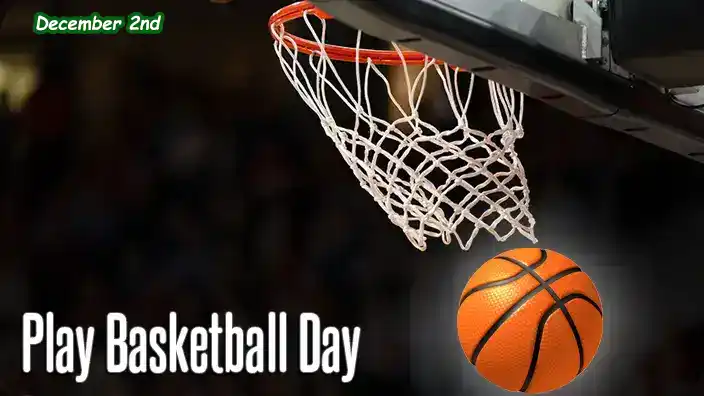
In the quirky annals of sports history, basketball holds a particularly amusing chapter. Invented in 1891 by Dr. James Naismith, a man desperate to keep his rowdy students busy during the cold winter months, the game initially featured peach baskets as hoops. That's right, actual baskets meant for peaches! And here's the kicker – they forgot to remove the bottoms. So, every time a player scored, someone had to clamber up a ladder to retrieve the ball. Talk about a game pause! This peachy beginning of basketball not only revolutionized indoor sports but also gave gym teachers worldwide a new way to keep energetic kids at bay, minus the ladder duty.
Celebrated: Annually, on December 2nd
Celebrate Play Basketball Day on December 2nd! Discover the joy of basketball, its history, and fun ways to enjoy the game with friends and family.

- Details
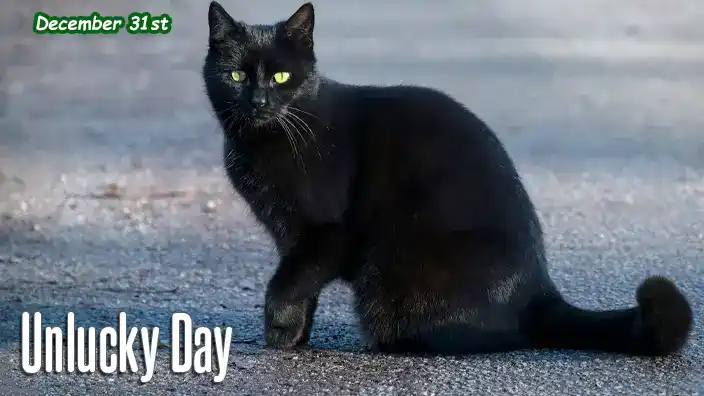
Unlucky Day is that rare holiday where you can celebrate spilling your coffee, tripping over thin air, and locking your keys in the car—all before lunchtime. It’s a day to laugh in the face of fate as you discover the printer is out of ink right before you need to print something important. On Unlucky Day, even the smallest mishaps become badge-worthy tales of survival. So embrace the chaos, dodge that black cat, and remember: if your toast lands butter-side down, it’s just life reminding you that gravity has a great sense of humor.
Celebrated: Annually, on December 31st
Discover Unlucky Day, a humorous holiday that encourages sharing stories of bad luck, celebrating resilience, and finding joy in life's unpredictable moments.

- Details
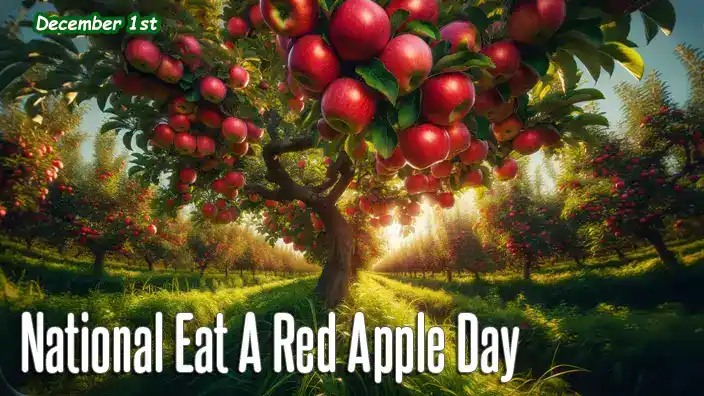
You select the most photogenic apple from the bunch, its skin shining like a polished sports car. You take a bite, expecting a silent movie-style dainty nibble, but instead, it's like a sound effect from a cartoon – a loud, echoing crunch that startles your cat and earns a look from your neighbor through the window. You realize that eating a red apple isn't just a snack, it's an experience. There you are, juice dribbling down your chin, looking more like a mischievous toddler than a dignified adult. And just when you think you've got it under control, you find a rogue apple peel stuck between your teeth, turning your confident smile into a comedic grimace. Who knew eating an apple could be a one-person slapstick routine?
Celebrated: Annually, on December 1st
Celebrate National Eat A Red Apple Day on December 1st. Dive into a world of apple-related knowledge, history, and delicious recipes.


- Details
Celebrate Shelter Pets Day—because nothing says “holiday spirit” quite like adopting a best friend who will love you unconditionally, follow you everywhere, and immediately claim your bed, your heart, and your snacks. Whether they bark, purr, chirp, or simply stare at you until you surrender a treat, shelter pets have a remarkable talent for turning houses into homes and pet owners into willing servants.
Celebrated: Annually, on the First Tuesday After Thanksgiving
Learn about Celebrate Shelter Pets Day, pet adoption, and shelter animals. Explore fun facts and discover how you can make a difference

- Details
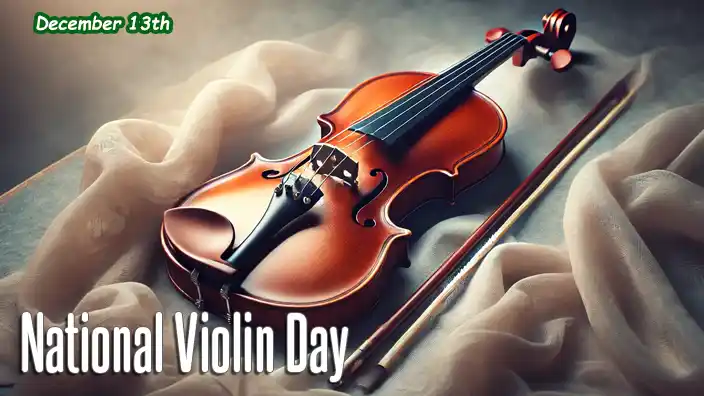
Violins may be the epitome of elegance, but they have a playful side too. Ever tried tuning one? It’s like convincing a toddler to clean their room—a delicate negotiation that often ends in frustration. And who can forget the violin’s knack for exposing even the slightest lack of coordination? One misplaced bow stroke and you’re performing an impromptu rendition of “Screeching Symphony.” Yet, despite these quirks, the violin’s charm is undeniable—a testament to the fact that even temperamental divas can steal the show.
Celebrated: Annually, on December 13th
Discover the allure of the violin on National Violin Day! Learn about its craftsmanship, legendary musicians, and how to celebrate this timeless instrument.


- Details
It’s the kind of dish that makes you feel fancy just saying its name, even if you’re pronouncing it wrong. Somewhere between the delicate swirl of saffron and the occasional battle with a slippery mussel shell, you realize bouillabaisse isn’t just food—it’s an adventure. You’re not just eating dinner; you’re navigating a treasure chest of seafood, dodging rogue fish bones, and wondering if the chef secretly has a hotline to Poseidon. And by the end, when the broth is gone and you’ve somehow used three napkins, it feels like you’ve earned a certificate in culinary courage.
Celebrated: Annually, on December 14th
Celebrate National Bouillabaisse Day on December 14th by exploring the rich history and culinary artistry of this iconic seafood stew from Marseille.

- Details
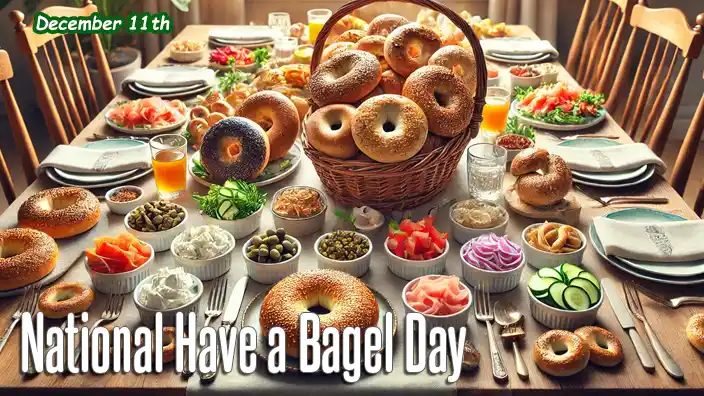
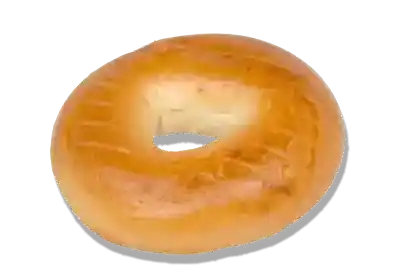
Bagels are proof that even bread can have a personality crisis. Are they breakfast? Lunch? A full-on dinner? Nobody knows, but they bravely attempt all three. They’re the only food that demands you stab them with a knife, smear them with something, and then apologize by adding lox and capers. And let’s not forget the hole—an existential reminder that no matter how much cream cheese you add, something will always be missing. Yet, despite this pastry paradox, bagels remain the chewy champions of carbs, uniting us all in the eternal struggle of sesame seeds versus poppy seeds stuck in our teeth.
Celebrated: Annually, on December 11th
Discover the fascinating origins and evolution of bagels, from their 17th-century Polish roots to their status as a beloved American staple.

- Details
Ditch the texts and dial up some laughter! It's time to give your thumbs a break and your vocal cords a workout. Reconnect with old pals, relive those "remember when" moments, and laugh over the phone like it's 1999. Who knew science could be this much fun? So, grab your phone, call a friend, and let the good times and giggles roll!
Celebrated: Annually, on December 28th
Celebrate National Call a Friend Day: reconnect with humor, relive memories, and discover the joy and science of hearing a friend's voice!


- Details
Today is the one day of the year when you have a legitimate excuse to leave your bed in disarray. Forget about tucking in those sheets and fluffing those pillows – embrace the crumpled chaos! You can finally let your duvet run wild and your pillows rebel against order. So, kick back, relax, and enjoy the freedom of a messy bed. Who knew that not making your bed could be so liberating? Just remember, tomorrow is another day, but today, let your bed be as untamed as your spirit!
Celebrated: Annually, on December 21st
Discover the joy of 'Don't Make Your Bed Day' – a celebration of tousled sheets and rebel mornings. Embrace chaos and take a stand against bed-making norms.

- Details
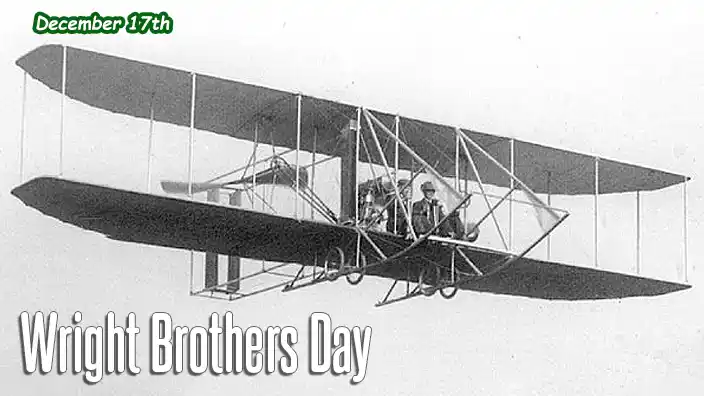
The development of flight is a lot like a family road trip—what started as an exciting 12-second joyride with the Wright Brothers in 1903 quickly turned into a chaotic whirlwind of progress. The Wrights got the ball rolling with their wooden Flyer, flapping their arms (well, metaphorically) over 120 feet of sand, and by the 1940s, planes were zipping through the skies faster than Wilbur could shout, “Hang on, Orville!” Suddenly, jet engines replaced propellers, peanuts became standard in-flight cuisine, and someone thought, “Hey, why not strap rockets to a metal tube and call it space travel?” Fast forward to today, and you’ve got airplanes the size of small buildings carrying hundreds of passengers, Wi-Fi mid-air so you can send cat memes at 35,000 feet, and pilots with sunglasses cooler than Tom Cruise’s. The Wright Brothers would probably stare in awe—then wonder why we still have to remove our shoes at airport security.
Celebrated: Annually, on December 17th
Discover the inspiring journey of the Wright brothers from bicycle mechanics to aviation legends, and how their innovations shaped the future of flight.

From Our Marks Catelog
-

Single parenthood is a crash course in multitasking—where making dinner, helping with homework, and dodging Lego...
-

Balloons are the life of any party, with their bright colors and whimsical shapes, but they also...
-

Letting things go is a skill we all think we have—until we’re in the shower five years later, replaying an...
-

Some holidays ask for deep reflection. Others demand fireworks, feasts, or elaborate decorations....
-

With a gaze that could melt ice and a mustache so perfectly groomed it might have had its own...
-

Imagine having the uncanny ability to make even the driest statistics sound like the punchline to a...

