Mark The Days - December

December doesn’t walk in—it bursts through the door wearing twinkle lights and demanding cocoa. It’s the month where to-do lists triple, bank accounts whimper, and Mariah Carey begins her annual takeover of the airwaves. There’s gift-wrapping, cookie-baking, carol-singing, and the occasional existential crisis about whether you sent Aunt Linda a card last year or just thought about it really hard. But in the chaos comes cheer, and in the cold comes comfort—plus a solid excuse to eat fudge for breakfast. December is loud, sparkly, sentimental... and somehow always over too soon.

- Details
New Year's Eve is the one night everyone collectively decides to time-travel one second into the future, champagne in hand. It's a chaotic mix of sparkly outfits, ambitious resolutions, and countdowns that feel like the final lap of a marathon. The evening is a blur of confetti, questionable dance moves, and the inevitable scramble to find anyone to kiss at midnight. By the end of the night, you're left with glitter in places you didn't know could sparkle and a vow to never attempt to dance like that again... until next year.
Celebrated: Annually, on April 27th
Discover the chaos and excitement of New Year's Eve in this 24-hour, sequin-studded extravaganza filled with fashion parades, culinary conundrums, resolution roulette, and the magical countdown to a new beginning.

- Details
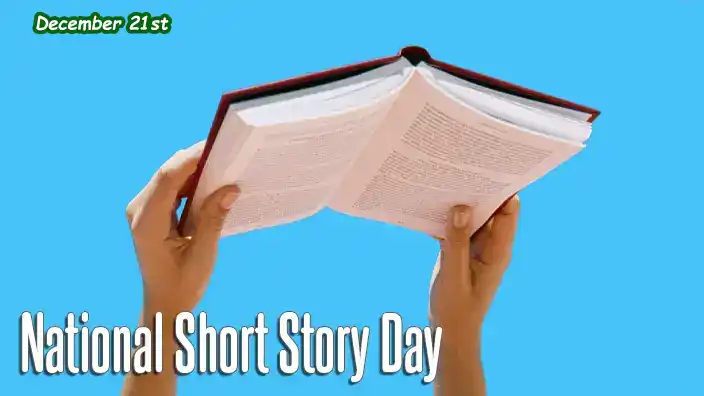
Short story readers are a unique breed, often armed with a cup of coffee and a slightly smug grin that says, “I consume entire narratives while you’re still on chapter one.” They delight in the concise brilliance of a well-crafted tale, flipping pages like literary speed demons. For them, short stories are the literary equivalent of a perfectly-timed joke or a well-aimed zinger—quick, clever, and impossible to forget. And if you ask them why they love short stories so much, they’ll give you an answer so succinct it could fit on a Post-it.
Celebrated: Annually, on December 21st
Discover the essence of concise storytelling and the power of short stories on National Short Story Day. Join the celebration of literary brevity and toast to tiny tales that pack a punch in a few pages.

- Details
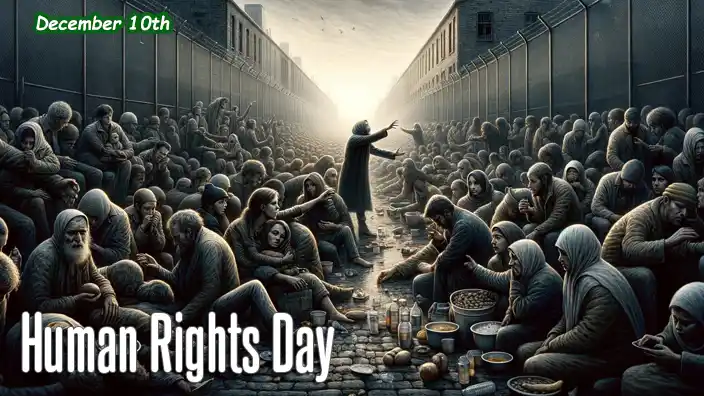
Human rights: the universal declaration that boldly proclaims everyone is equal—except when you're boarding a plane, checking your paycheck, or trying to voice an opinion on social media without being virtually pummeled. It’s the glorious ideal where everyone is entitled to dignity, yet countless people still spend their lives holding signs, shouting into megaphones, or writing petitions, trying to convince others that basic decency shouldn’t be optional. It’s a world where freedom of speech exists, but only if you say the right things to the right people, and the right to life often depends on your zip code, bank account, or whether or not you can dodge a bureaucratic pitfall. Progress is happening, sure—but some days, it feels like humanity's "equality marathon" is being run in flip-flops on a treadmill set to reverse.
Celebrated: Annually, on December 10th
Join the celebration of Human Rights Day by educating yourself, volunteering, and advocating for the rights that ensure dignity and freedom for all.

- Details
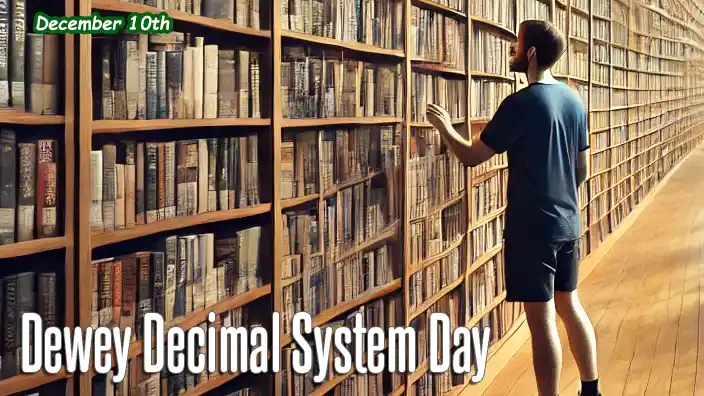
Walking into a library and navigating the shelves can feel like embarking on an intellectual treasure hunt where the map is made of numbers and decimals. Somewhere between the 500s and 600s, you might wonder if Melvil Dewey was a librarian or a secret agent leaving cryptic codes for us to decode. And let’s face it, while the system is a marvel of organization, there’s something hilariously ironic about the fact that the books teaching us how to stay organized are often tucked away in the depths of the 640s, requiring an organizational feat just to find them.
Celebrated: Annually, on December 10th
Explore the fascinating world of the Dewey Decimal System, a revolutionary classification method that organizes knowledge, making libraries navigable treasure troves of information.

- Details
There’s something oddly satisfying about a drink that feels both classy and a little mischievous. It’s as if someone looked at a glass of orange juice and thought, “What if we took breakfast and made it slightly irresponsible?” This concoction doesn’t require flair bartending or a mixology degree—just the courage to mix vodka with the same juice you’d pour for your morning pancakes. It’s the ultimate multitasker: part refreshment, part rebellion, and entirely too easy to make another.
Celebrated: Annually, on December 14th
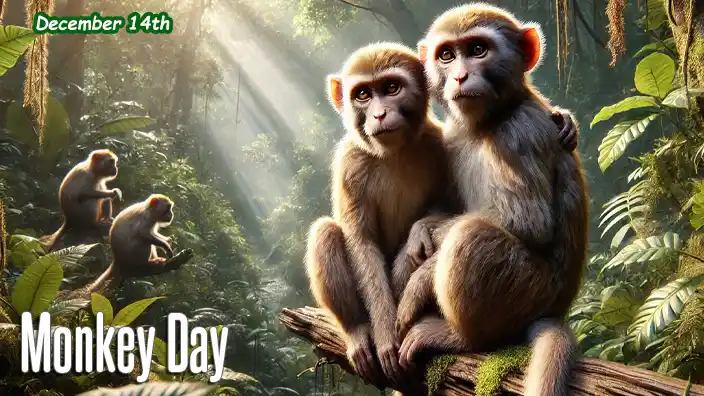
Celebrate Monkey Day on December 14th! Discover fascinating facts about monkeys, their antics, and how they connect with human culture and conservation efforts.

- Details
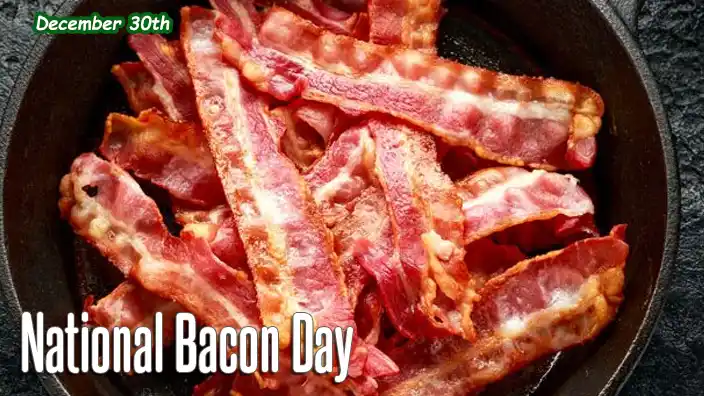
Bacon is like the internet's favorite cat video - universally loved and impossible to ignore. It's the culinary equivalent of a rock star, with the power to turn a bland breakfast into a standing ovation-worthy meal. Imagine a world without bacon: brunch would just be a sad, lonely plate of eggs, and BLTs would be just... LTs. Bacon's not just a food; it's a lifestyle choice, a whisper of smoky, crispy joy in a world of soggy cereal and bland tofu. It's the high-five of the food world, the sizzle that makes life a little more 'crispy'. So here's to bacon - the reason we think it's totally acceptable to eat something that sounds like applause.
Celebrated: Annually, on December 30th
Discover the sizzle, aroma, and history of National Bacon Day on December 30th. Join the celebration of bacon as a cultural icon and culinary marvel. Let's dive into the greasy, delightful world of bacon!


- Details
On National Chocolate Covered Anything Day, it's socially acceptable to dip your broccoli in chocolate and call it a health food. This day of sweet abandon throws the culinary rulebook out the window, encouraging everyone to live on the wild side of the pantry. It's the one day where you can look at a chocolate-dipped pickle and say, "Why not?" with the same enthusiasm usually reserved for more traditional treats. In the spirit of this chocolate-coated holiday, remember: if it doesn't move, cover it in chocolate; if it does, catch it first!
Celebrated: Annually, on December 16th
Celebrate National Chocolate Covered Anything Day with a chocolate-coating extravaganza! Indulge in the joy and versatility of chocolate in its most creative form.


- Details
While researching, we stumbled upon a peculiar, almost unbelievable event: The Mysterious Brownie Incident of 1957. Legend has it that a local baker created the world's largest brownie as a publicity stunt in a small town (whose name has conveniently been lost to history). The plan? Baking a brownie so enormous would require a crane to lift it. The day of the big reveal was marked with fanfare and a parade, but things took a turn for the absurd. As the crane hoisted the gigantic brownie, it crumbled under its weight, causing a chocolate avalanche covering the town square. It was a shock followed by a collective shrug as the townsfolk decided to do what any sensible person would do in the face of a brownie disaster – they grabbed spoons and started eating. The event was never officially recorded, perhaps out of embarrassment or because everyone was too busy enjoying the unexpected feast. It's a story that, while it may sound like a brownie lover's tall tale, reminds us that sometimes, even a baking fiasco can turn into a deliciously memorable moment.
Celebrated: Annually, on December 8th
Discover the delightful celebration of National Brownie Day on December 8th, a festive occasion where brownie lovers unite to indulge in the rich, chocolatey goodness of this beloved treat. Join the fun and savor the sweet history and diverse creations of brownies.

- Details
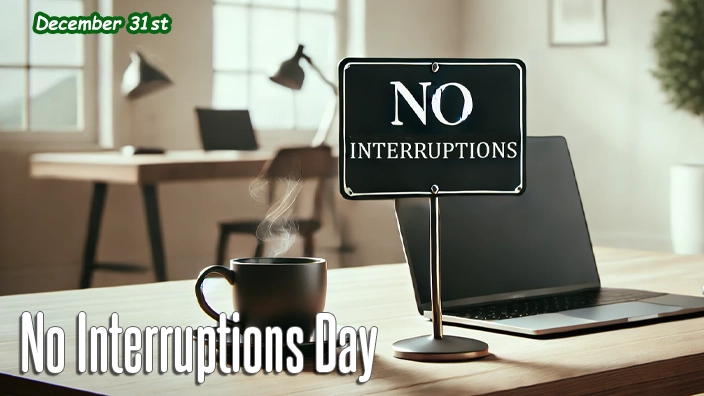
Imagine finally sitting down with your favorite book, a warm cup of coffee, and a cozy blanket, only to have a parade of questions, phone calls, and urgent-but-not-really-urgent emails march into your peaceful moment. It’s like the universe holds a conference call every time you attempt quiet. That’s why there’s a day to reclaim your focus and sanity—because sometimes, even the cat needs to wait.
Celebrated: Annually, on December 31st
Discover the joy of No Interruptions Day, a celebration dedicated to unplugging from distractions and embracing productivity in a chaotic world.


- Details
In recent years, the National Guard has tackled everything from wildfires to pandemics. They’ve distributed vaccines, rebuilt infrastructure, and even served in cybersecurity roles. Their versatility is unmatched. One day they’re patrolling streets after a natural disaster, the next they’re helping at food banks. And let’s not forget their role in responding to alien invasions—well, not yet, but you know they’ll be ready.
Celebrated: Annually, on December 13th
Commemorate the U.S. National Guard's birthday on December 13th, celebrating centuries of service, resilience, and community commitment by citizen-soldiers.

- Details
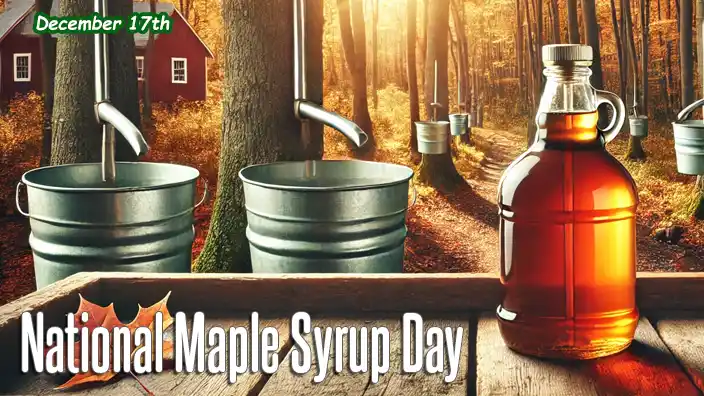
Maple syrup is nature's way of reminding us that even trees have hidden talents. Who knew that beneath their bark, sugar maples were busy producing the liquid equivalent of happiness? This sweet nectar has the uncanny ability to turn pancakes into masterpieces, waffles into edible works of art, and oatmeal into something you'd actually eat willingly. And let’s be honest—pouring maple syrup isn’t just a breakfast ritual; it’s a performance, complete with dramatic drizzles and the occasional sticky table aftermath.
Celebrated: Annually, on December 17th
Celebrate National Maple Syrup Day on December 17th with delicious recipes, intriguing history, and fun facts about this sweet liquid gold.
- Details
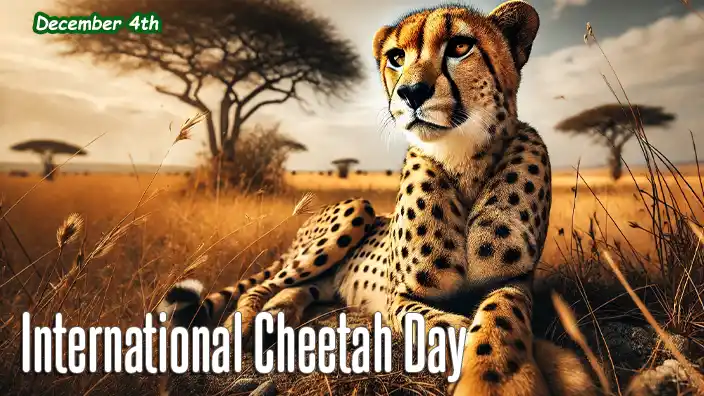
Cheetahs are nature’s overachievers, the Ferraris of the animal kingdom, but even they can’t outrun the irony of life. Despite being able to hit 60 mph in just a few seconds, they spend most of their time lounging around, probably wondering why they’re the only cats that can’t roar. They might be the ultimate sprinters, but their stamina is about as good as a teenager’s attention span—they run like their lives depend on it (which, let’s be honest, it usually does) and then flop down like they’ve just completed a marathon. And let’s not forget their unique black tear lines, which look like permanent eyeliner, as if they’re perpetually mourning the fact that they’re always stuck doing their own hunting while lions just take their leftovers. Nature can be cruel, but cheetahs somehow make it look stylish.
Celebrated: Annually, on December 4th
Discover the extraordinary world of cheetahs, nature's speed demons, on International Cheetah Day. Learn about their unmatched speed, unique biology, and the urgent need for conservation efforts.


- Details
National Lager Day is the hero of the beer calendar, a day when lagers, often overshadowed by their flashier ale cousins, finally get their moment in the sudsy spotlight. It’s like the quiet kid in class who suddenly wins the talent show with a surprisingly good ventriloquist act. On this day, beer lovers unite, raising their glasses to honor the brew that's as reliable as your favorite pair of jeans – comfortable, always fits right, and never goes out of style. It's a day where we salute the beer that doesn’t need exotic ingredients or a hipster beard to be enjoyed; a beer that says, "I'm here, I'm clear, get used to it." So, grab a lager, make a toast to simplicity, and remember – in the world of craft beers and trendy brews, sometimes the best choice is just a good old-fashioned lager, the drinkable equivalent of a dad joke – straightforward, unexpectedly delightful, and always there when you need it.
Celebrated: Annually, on December 10th
Discover the story of lager, the brew that reigns supreme in the world of beers. Celebrate National Lager Day with a toast to simplicity and quality. Cheers!

- Details
There’s nothing quite like stepping barefoot onto the living room carpet, only to discover a holiday ambush of pine needles. What started as a proud, fragrant centerpiece of holiday cheer has slowly devolved into a seasonal menace, shedding more than a golden retriever in summer. The vacuum is on its third emotional breakdown, the broom has given up entirely, and the cat has decided this is its new playground of pain. Yet somehow, as you pull another needle from your sock, you can’t help but smile—because nothing says Christmas like cleaning up after a tree that’s clearly over it.
Celebrated: Annually, on December 30th
Celebrate Falling Needles Family Fest Day on December 30th, a quirky tribute to the Christmas tree's final moments filled with laughter and memories.

- Details
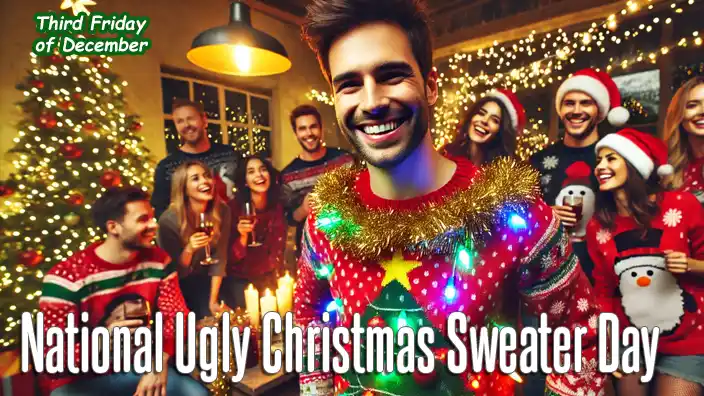
It’s the time of year when subtlety takes a holiday and garishness reigns supreme. Glitter, pom-poms, blinking lights, and questionable puns unite in a single garment, daring anyone to ignore its festive audacity. Somewhere between "Ho Ho Ho" and "Oh No No," these creations have transcended their humble beginnings to become the unofficial uniform of merrymaking mischief. Whether it’s a reindeer with googly eyes staring into your soul or Santa moonwalking across your chest, there’s no denying the sheer chaotic joy packed into every thread of an Ugly Christmas Sweater.
Celebrated: Annually, on December 19th
Celebrate National Ugly Christmas Sweater Day with vibrant, eccentric knitwear that brings joy and laughter. Discover the origins and creativity behind these festive garments.

- Details
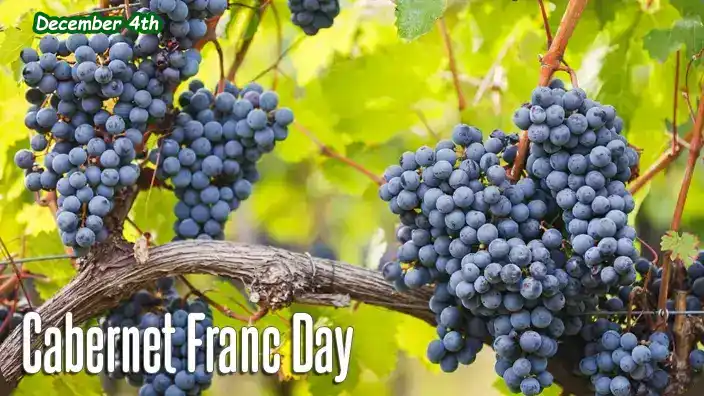
Did you know that Cabernet Franc is the vinous equivalent of a chameleon with a flair for disguise? This grape has a cheeky habit of sneaking into vineyards and masquerading as its more famous offspring, Merlot. It's true! In the late 1990s, a group of astute vintners in New Zealand were puzzled by their Merlot vines behaving oddly. Upon investigation, they discovered these 'Merlot' vines were actually Cabernet Franc in disguise! This case of mistaken identity, not unlike a comedic scene from a Shakespearean play, revealed the grape's whimsical side and added a twist to the tale of one of the world's most versatile and playful grapes. So next time you're sipping a Merlot, you might want to give it a second glance – who knows, it might just be Cabernet Franc playing a game of hide and seek!
Celebrated: Annually, on December 4th
Celebrate Cabernet Franc Day with curiosity and a glass, exploring its depth and diversity across different regions. Join the journey into the heart of this silent yet resilient grape, raising a toast to Cabernet Franc, the unsung hero in your wine glass.


- Details
Somewhere in the world right now, a marshmallow is nervously waiting to discover whether it will be gently placed on top of a mug of cocoa or launched into it from across the kitchen by an overconfident amateur. National Cocoa Day celebrates the warm, chocolatey beverage that has comforted generations through cold weather, holiday gatherings, and the occasional attempt to stay awake through a three-hour movie. Whether you like your cocoa topped with whipped cream, marshmallows, or enough toppings to qualify as a dessert, today is the perfect excuse to put the kettle on and embrace your inner chocolate enthusiast.
Celebrated: Annually, on December 13th
Discover the history of National Cocoa Day, learn fun cocoa facts, and find tasty ways to celebrate this comforting chocolate drink

- Details
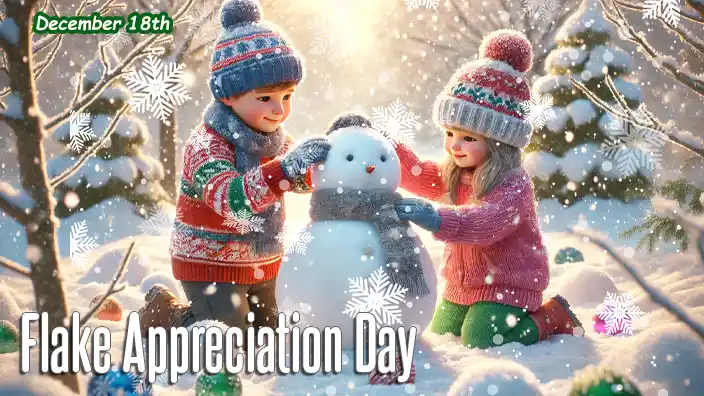
While snowflakes deserve a poetic tribute for their uniqueness and beauty, let’s take a moment to acknowledge their distant relatives—the other flakes of the world. There are cereal flakes, which politely float in milk until you get distracted, and then there’s that one flaky friend who cancels plans last minute with, “Sorry, I’m just so snowed under!” Whether in your bowl, on your calendar, or in the clouds, flakes have a knack for leaving a lasting impression—some sweet, some messy, and some disappearing faster than you can say, “It’s snow joke!”
Celebrated: Annually, on December 18th
Discover the fascinating world of snowflakes, their formation, and how to celebrate Flake Appreciation Day with fun activities and interesting facts.

From Our Marks Catelog
-

Single parenthood is a crash course in multitasking—where making dinner, helping with homework, and dodging Lego...
-

Balloons are the life of any party, with their bright colors and whimsical shapes, but they also...
-

Letting things go is a skill we all think we have—until we’re in the shower five years later, replaying an...
-

Some holidays ask for deep reflection. Others demand fireworks, feasts, or elaborate decorations....
-
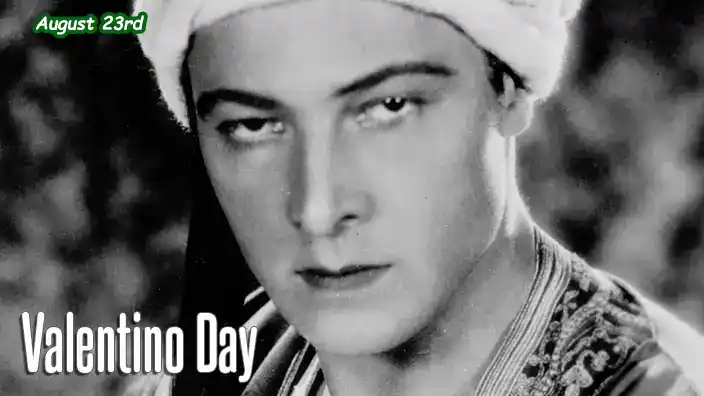
With a gaze that could melt ice and a mustache so perfectly groomed it might have had its own...
-

Imagine having the uncanny ability to make even the driest statistics sound like the punchline to a...

