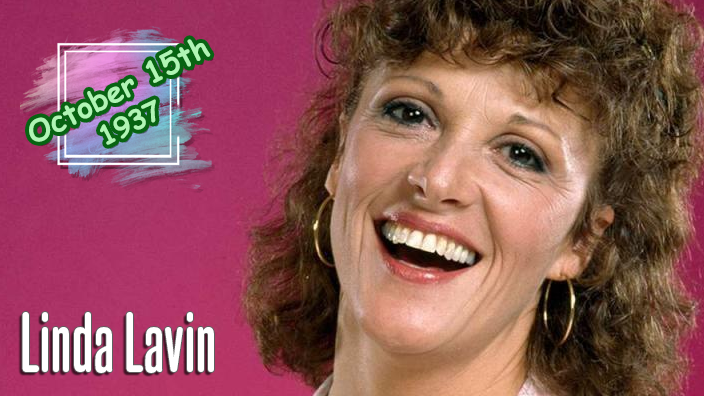
October 15, 1937, in Portland, Maine
 December 29, 2024, in Los Angeles, California
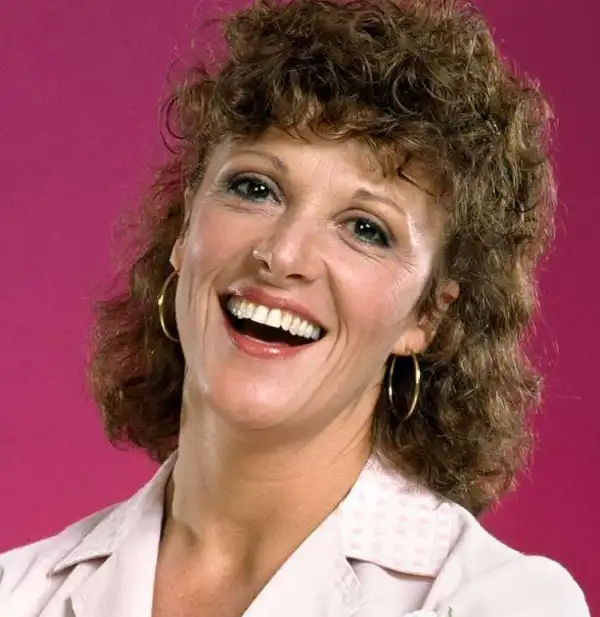
Linda Lavin was an American actress and singer whose remarkable career spanned Broadway, television, film, and musical performance. Best remembered for playing Alice Hyatt in the beloved CBS sitcom Alice, Lavin became one of television's most recognizable working women while maintaining an extraordinary reputation as a serious stage actress. Born on October 15, 1937, in Portland, Maine, she possessed a rare combination of comic timing, dramatic intelligence, and musical talent. Whether performing before a Broadway audience or exchanging wisecracks with the regulars at Mel's Diner, Linda Lavin had a way of making every character feel like someone audiences already knew.
Long before television viewers welcomed her into their living rooms, Linda Lavin was developing her performing skills in a household where music was part of everyday life. Her mother, Lucille, had been an opera singer, and young Linda demonstrated an enthusiasm for entertaining almost as soon as she could stand in front of an audience. She began appearing onstage as a child and eventually attended the College of William & Mary in Virginia, where she studied theater. Her education provided a foundation for a career that would demand considerably more than memorizing lines and remembering which side of the stage to exit. Lavin learned to approach performance with discipline, curiosity, and an understanding of the human emotions that make comedy and drama equally compelling.
After college, Linda Lavin pursued professional theater work, eventually establishing herself in New York City's competitive theatrical world. Her Broadway debut came in the 1962 musical A Family Affair, followed by appearances in productions including It's a Bird... It's a Plane... It's Superman and On a Clear Day You Can See Forever. Her performance of the song "You've Got Possibilities" in the Superman musical helped demonstrate her ability to combine musical flair with sophisticated comedy. Broadway audiences quickly discovered that Lavin could make even a supporting role memorable, a useful talent in an industry where performers sometimes have only a few minutes to convince everyone that they deserve considerably more stage time.
Her theatrical reputation continued growing through the late 1960s and early 1970s. Linda Lavin earned recognition for her work in the off-Broadway production Little Murders and received her first Tony Award nomination for Neil Simon's Last of the Red Hot Lovers in 1970. Her ability to portray complicated women with humor, vulnerability, and intelligence became one of her defining professional strengths. Rather than simply delivering jokes, Lavin understood the emotional circumstances behind them. A sarcastic observation could reveal disappointment, affection, frustration, or all three simultaneously. It was an approach that would serve her particularly well when television came calling.
Linda Lavin's transition to television included a recurring role as Detective Janice Wentworth in the police comedy Barney Miller during the 1970s. The series gave her an opportunity to demonstrate her comedic abilities to a national audience, and her performance attracted attention at a particularly important moment in her career. Although her work on Barney Miller was relatively brief, it helped establish her television credentials and prepared the way for the role that would make her famous throughout America. Before long, Lavin would exchange the police station for a roadside diner, and television history would acquire one of its most enduring fictional waitresses.
In 1976, Linda Lavin became the star of Alice, a CBS sitcom inspired by Martin Scorsese's 1974 film Alice Doesn't Live Here Anymore. Lavin portrayed Alice Hyatt, a widowed mother traveling with her son Tommy in pursuit of a better life and a career as a singer. When circumstances interrupted her journey, Alice found employment at Mel's Diner in Phoenix, Arizona. What began as a temporary job became the setting for nine seasons of comedy, friendship, family challenges, and workplace adventures. The series ran from 1976 until 1985 and transformed Lavin into a household name, particularly among viewers who recognized something of their own struggles and aspirations in Alice's determination to build an independent future.
The success of Alice depended heavily on the chemistry between Linda Lavin and her fellow cast members. Vic Tayback portrayed the frequently exasperated diner owner Mel Sharples, while Polly Holliday became a fan favorite as the sharp-tongued waitress Florence Jean "Flo" Castleberry. Beth Howland played the delightfully absentminded Vera Gorman, and Philip McKeon portrayed Alice's son Tommy. Together, they created a fictional workplace where the coffee was plentiful, the customers were unpredictable, and the employees could turn an ordinary disagreement into an impressive display of verbal fireworks. Alice often became the voice of reason, although maintaining reason in Mel's Diner sometimes appeared more difficult than getting Mel himself to smile.
Beyond its comedy, Alice addressed subjects that resonated with American audiences during a period of changing social expectations. The title character was a single working mother attempting to support her family while preserving her personal ambitions. Alice wanted financial independence, professional satisfaction, and a better future for her son, goals that reflected the experiences of countless women balancing employment and family responsibilities. Linda Lavin brought warmth and credibility to the role, ensuring that Alice was never simply a collection of sitcom punchlines. Her portrayal helped make the character an important example of working women on American television, and the series remained popular throughout its lengthy run.
Linda Lavin's performance in Alice earned her two Golden Globe Awards for Best Actress in a Television Series – Musical or Comedy, along with a Primetime Emmy Award nomination in 1979. The show's theme song, "There's a New Girl in Town," became another recognizable feature of the series, with Lavin performing the opening theme during its run. Her musical abilities were particularly appropriate for a character whose original ambition involved becoming a singer. Although Alice spent considerably more time serving hamburgers than performing beneath theater lights, the character's determination to pursue her dreams remained an important part of the show's appeal.
Despite the enormous popularity of Alice, Linda Lavin never abandoned her commitment to live theater. After the sitcom ended, she returned to Broadway and delivered one of the most acclaimed performances of her career in Neil Simon's Broadway Bound. Playing Kate Jerome, the mother of two aspiring comedy writers, Lavin demonstrated her extraordinary ability to balance humor with emotional complexity. Her performance earned the 1987 Tony Award for Best Actress in a Play, confirming that the woman television audiences knew as Alice Hyatt remained a formidable dramatic performer. For Lavin, Broadway was not simply a place to revisit between television assignments; it was a central part of her artistic identity.
Her subsequent theatrical work included The Diary of Anne Frank, The Tale of the Allergist's Wife, Hollywood Arms, Collected Stories, and The Lyons. These productions showcased her versatility across a broad range of characters, from difficult family members to emotionally complicated women confronting disappointment, ambition, and uncomfortable truths. She received additional Tony Award nominations for several of these performances, building a Broadway record that reflected decades of professional excellence. Her 2012 performance in The Lyons, portraying the outspoken Rita Lyons, demonstrated that Lavin could still command an audience with a cutting remark and a perfectly judged pause.
Linda Lavin also maintained an extensive career in film and television beyond Alice. Her film appearances included The Morning After (1986), See You in the Morning (1989), I Want to Go Home (1989), and The Back-up Plan (2010), starring Jennifer Lopez. On television, she appeared in programs including The Sopranos, The O.C., The Good Wife, Madame Secretary, and Santa Clarita Diet. She also played recurring or leading roles in comedies such as Sean Saves the World, 9JKL, and B Positive. These performances introduced her to viewers who might never have watched Alice during its original broadcast, proving that a strong performer can remain relevant without relying entirely on past success.
Her work as a singer was another important dimension of Linda Lavin's career. Drawing upon her musical upbringing and extensive theatrical experience, she performed in concerts and cabaret engagements, interpreting standards and popular songs with an actress's sensitivity to storytelling. Her album Possibilities, released in 2012, reflected her affection for the Great American Songbook and the expressive possibilities of musical performance. Lavin approached songs much as she approached dramatic dialogue, searching for the emotions beneath the words rather than merely delivering an attractive melody. For audiences familiar only with her television comedy, her musical performances offered another opportunity to appreciate the range of her talents.
Away from the stage and television cameras, Linda Lavin also contributed to the performing arts through her work in North Carolina. With her husband, actor and artist Steve Bakunas, she helped establish the Red Barn Studio Theatre in Wilmington, supporting live theatrical productions and creating opportunities for performers and audiences within the community. Her involvement reflected a longstanding belief in the importance of theater beyond the commercial stages of New York. She understood that a compelling performance did not require a famous Broadway address, although a comfortable seat and an audience willing to laugh were certainly appreciated.
Throughout her career, Linda Lavin earned respect for her professionalism, artistic curiosity, and refusal to be confined to a single type of character. Her accomplishments included a Tony Award, multiple Drama Desk Awards, two Golden Globe Awards, and induction into the American Theater Hall of Fame in 2010. These honors recognized an actress whose career had developed across several generations of American entertainment. Her enduring appeal came not only from her ability to entertain but also from the humanity she brought to her performances. Whether portraying a struggling waitress, an outspoken mother, or a sophisticated Broadway character, Lavin understood that believable people are always more interesting than perfect ones.
Linda Lavin continued acting into the final years of her life, appearing in contemporary television productions and remaining connected to the theater. Her later screen work included the Netflix comedy No Good Deed and the television series Elsbeth. She died on December 29, 2024, in Los Angeles following complications associated with lung cancer. Her death brought an end to a remarkable career, but her performances remained part of American entertainment history. From the bright lights of Broadway to the familiar booths of Mel's Diner, Linda Lavin left audiences with memorable characters, countless laughs, and a reminder that even the most ordinary workplace can become extraordinary when the right person walks through the door.