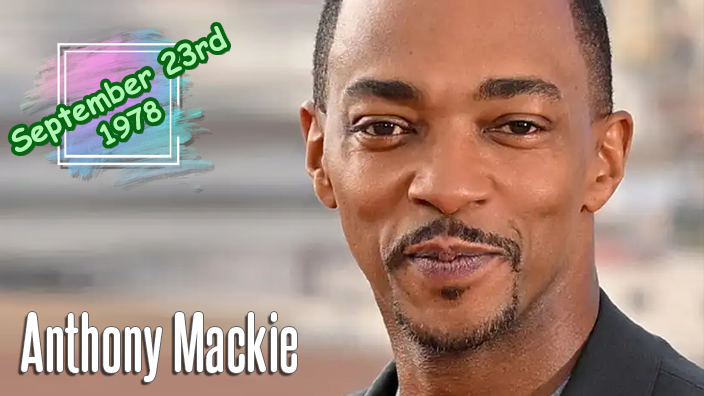
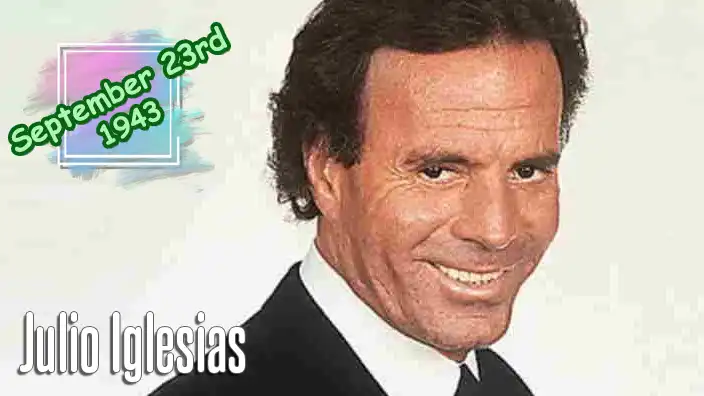
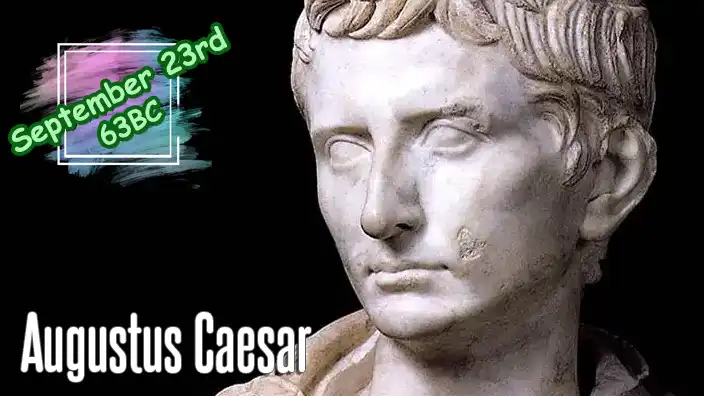
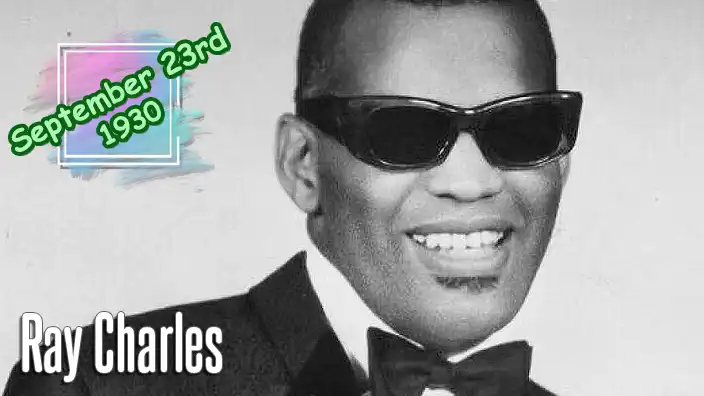
September 23, 1949, in Long Branch, New Jersey
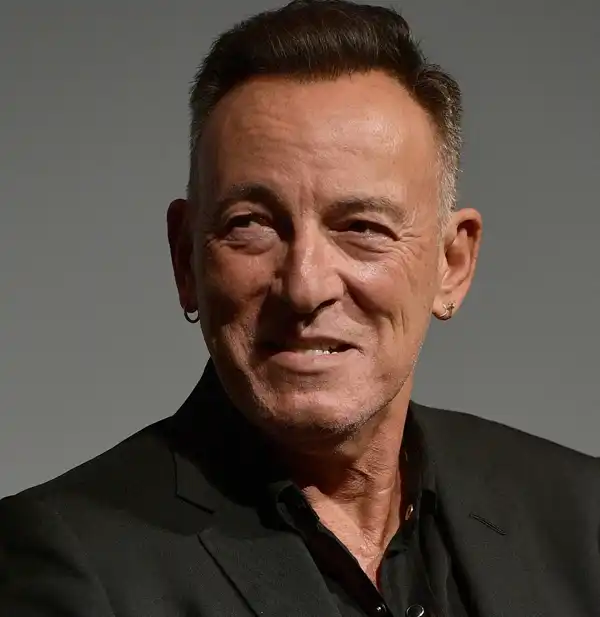
Bruce Frederick Joseph Springsteen was born on September 23, 1949, in Long Branch, New Jersey, and grew up primarily in nearby Freehold. His childhood surroundings would eventually become part of the landscape of his songwriting: working-class neighborhoods, Catholic upbringing, complicated families, factories, highways and young people dreaming about getting somewhere else. New Jersey was not merely where Springsteen came from. It became one of the principal characters in his music.
His father, Douglas Springsteen, worked at various jobs, including as a bus driver and mill worker, while his mother, Adele, worked as a legal secretary. Springsteen's relationship with his father was often difficult, and the tensions between them later surfaced repeatedly in his songwriting and storytelling. His mother, by contrast, encouraged his interest in music and helped him obtain an important early guitar. The contrast between his parents and their relationships with their son would echo through songs about fathers, sons, work, responsibility and frustrated ambition.
Like countless young musicians of his generation, Springsteen experienced a revelation when he encountered Elvis Presley. Seeing Presley perform on The Ed Sullivan Show helped convince him that rock and roll offered a world considerably more exciting than the one immediately outside his window. The Beatles later provided another jolt, particularly after their American breakthrough in the 1960s. A guitar increasingly looked less like an instrument and more like an escape vehicle.
Springsteen began playing with local New Jersey bands during his teenage years, including the Castiles. He developed as a guitarist and performer by playing clubs, dances and other venues where there was nowhere to hide if the audience lost interest. Those years of relentless live work became crucial to his later stagecraft. Springsteen learned that performing was not simply a matter of reproducing recorded songs. A concert had to become an event.
During the late 1960s and early 1970s, Springsteen performed with several groups, including Steel Mill, which developed a strong regional following. His musical world centered increasingly on the Jersey Shore, particularly Asbury Park. The area's clubs brought together musicians who would become important to his career, and the community eventually became inseparable from the mythology surrounding Springsteen and the E Street Band.
Springsteen signed with Columbia Records after attracting the attention of talent scout and producer John Hammond, the legendary record executive who had previously played important roles in the careers of artists including Bob Dylan and Aretha Franklin. Hammond recognized Springsteen's songwriting ability, and Columbia initially promoted the young New Jersey musician in ways that invited comparisons with Dylan.
His debut album, Greetings from Asbury Park, N.J., appeared in 1973. Packed with words, characters and restless musical ideas, the album introduced a songwriter whose lyrics sometimes seemed determined to fit an entire neighborhood into a single verse. Songs including “Blinded by the Light,” “Growin' Up” and “Spirit in the Night” displayed Springsteen's fascination with street characters, youthful ambition and romanticized nighttime adventures.
Commercial success, however, was limited. His second album, The Wild, the Innocent & the E Street Shuffle, also released in 1973, expanded the musical palette and moved closer toward the sound associated with his developing band. Songs such as “Rosalita (Come Out Tonight)” and “4th of July, Asbury Park (Sandy)” captured the boardwalk atmosphere, romantic longing and exuberant storytelling of the Jersey Shore.
Springsteen's third album became the critical turning point. Born to Run, released in 1975, was constructed with enormous ambition and considerable difficulty. Springsteen obsessed over arrangements and production, trying to create a dense, cinematic sound influenced partly by producer Phil Spector's famous “Wall of Sound.” Recording the title track alone became a lengthy process as Springsteen pursued the enormous sound he could hear in his head.
The effort worked. “Born to Run” exploded with guitars, piano, saxophone, drums and romantic desperation. Its characters dream of escaping a town that feels too small for them, climbing into a car and driving toward something better. Whether that something actually exists is almost beside the point. The engine has started, the radio is on and standing still is no longer an acceptable option.
The album also contained “Thunder Road,” “Tenth Avenue Freeze-Out,” “Backstreets” and “Jungleland,” songs that helped establish Springsteen's reputation as a writer capable of combining rock and roll spectacle with detailed storytelling. Born to Run became his commercial breakthrough and transformed him from a regional favorite into a major American rock artist.
In October 1975, Springsteen appeared simultaneously on the covers of Time and Newsweek. The extraordinary publicity created as much anxiety as celebration. Springsteen had spent years attempting to establish himself, only to discover that sudden fame came with an uncomfortable amount of hype. Being declared the future of rock and roll is flattering right up until everyone starts waiting to see whether you can actually deliver it.
Central to Springsteen's success was the E Street Band. Its membership changed over the years, but musicians including pianist Roy Bittan, bassist Garry Tallent, drummer Max Weinberg, organist Danny Federici, guitarist Steven Van Zandt and saxophonist Clarence Clemons became closely identified with the classic Springsteen sound. Later, guitarist Nils Lofgren and vocalist Patti Scialfa became important members of the group.
Clarence Clemons in particular became one of Springsteen's most recognizable musical partners. Known as the “Big Man,” Clemons brought an enormous physical and musical presence to the stage. His saxophone became an essential part of recordings including “Born to Run” and “Jungleland,” while his friendship with Springsteen became central to the E Street Band's public image.
Springsteen's rise was interrupted by a legal dispute with his former manager Mike Appel, which temporarily prevented him from recording new studio material. He responded by touring extensively, further developing the marathon performances for which he would become famous. By the time the dispute was resolved, Springsteen had accumulated songs reflecting a darker and more mature perspective.
The resulting album, Darkness on the Edge of Town, arrived in 1978. Gone was much of the youthful boardwalk romanticism of his earlier work. Songs such as “Badlands,” “The Promised Land,” “Racing in the Street” and the title track examined work, economic pressure, responsibility and the distance between youthful dreams and adult reality.
Springsteen followed it with the double album The River in 1980. The record balanced exuberant rock songs with increasingly somber material. Its title track told a story of young love, economic hardship, marriage and disappointment, inspired in part by the experiences of Springsteen's sister Virginia and her husband. It demonstrated his growing ability to turn individual lives into narratives that felt much larger without losing their intimacy.
Then Springsteen stripped almost everything away. Nebraska, released in 1982, originated as a collection of home demos recorded on a simple four-track cassette machine. Springsteen initially intended the songs to be rerecorded with the E Street Band, but the stark demos possessed an atmosphere that proved difficult to reproduce. The rough home recordings were ultimately released largely as they were.
The result was one of the darkest albums of his career. Nebraska contains stories of murderers, desperate workers, criminals and people living at the edges of American society. The title song drew inspiration from the killing spree of Charles Starkweather and Caril Ann Fugate. With little more than Springsteen's voice, guitar and harmonica, the album demonstrated that he did not require a stadium-sized band to create an enormous emotional landscape.
Two years later, Springsteen went in almost the opposite direction. Born in the U.S.A. became a global commercial phenomenon. Released in 1984, the album produced a remarkable string of hit singles, including “Dancing in the Dark,” “Cover Me,” “I'm on Fire,” “Glory Days,” “My Hometown” and the title track.
“Dancing in the Dark” also produced one of the defining images of 1980s music video. During the video, directed by Brian De Palma, Springsteen pulls a young woman from the audience onto the stage to dance with him. That woman was Courteney Cox, years before Friends made her internationally famous. Millions of viewers therefore encountered Cox as the lucky audience member invited onto the stage by Bruce Springsteen before they ever knew her as Monica Geller.
The title song “Born in the U.S.A.” became one of the most frequently misunderstood popular songs in American music. Its pounding drums and shouted chorus can sound triumphantly patriotic when separated from the verses, but the lyrics tell the story of a Vietnam veteran returning home to economic hardship and limited opportunity. Politicians and audiences have periodically treated the chorus as a straightforward patriotic slogan, demonstrating the risks involved in stopping one's lyrical analysis after five words.
The Born in the U.S.A. tour turned Springsteen into one of the world's biggest concert attractions. His shows became famous for their length, physical energy and interaction with audiences. Three-hour performances were common, and some went considerably longer. Springsteen appeared to approach the concept of an encore as though the venue had challenged him personally.
His nickname, “The Boss,” dates back to his earlier years playing with musicians in New Jersey. Springsteen reportedly acquired it partly because he handled practical matters such as collecting payment from club owners and distributing money among band members. He has expressed some discomfort with the nickname over the years, but resistance proved futile. Once millions of people decide you are The Boss, apparently there is no appeals process.
Springsteen temporarily dissolved the E Street Band as his principal recording and touring unit near the end of the 1980s, pursuing other musical directions and working with different musicians. Albums including Tunnel of Love, Human Touch and Lucky Town explored relationships, marriage, personal uncertainty and adulthood from perspectives different from the youthful escape fantasies of his early records.
His personal life also changed significantly. Springsteen married actress Julianne Phillips in 1985, but the marriage ended several years later. He subsequently formed a relationship with E Street Band member Patti Scialfa, whom he later married. They raised three children together, and Springsteen's songwriting increasingly reflected domestic life, love and the complicated business of maintaining relationships rather than merely escaping them in a Chevrolet.
In 1994, Springsteen wrote “Streets of Philadelphia” for Jonathan Demme's film Philadelphia, starring Tom Hanks and Denzel Washington. The haunting song addressed isolation, illness and mortality during the AIDS crisis. It earned Springsteen the Academy Award for Best Original Song and several Grammy Awards, demonstrating that the fellow famous for roaring across stages with the E Street Band could be equally powerful at near-whisper volume.
Springsteen reunited with the E Street Band for performances and eventually a full-scale reunion tour beginning in 1999. The reunion restored one of rock music's most celebrated live partnerships and introduced the band to audiences who had been too young to experience its earlier tours.
The terrorist attacks of September 11, 2001, deeply influenced Springsteen's next major project. The Rising, released in 2002 with the E Street Band, explored grief, loss, courage and recovery through characters affected by the attacks. Rather than attempting to explain the event politically, many of the songs concentrated on individuals — firefighters, spouses and families confronting absence and trauma.
The album became one of Springsteen's most acclaimed later works and reinforced his role as a songwriter to whom audiences often turned during moments of national reflection. His songs had long dealt with communities under pressure, and The Rising applied that perspective to a catastrophe experienced on an enormous scale.
The following years produced an extraordinarily varied run of recordings. Devils & Dust returned to sparse storytelling, while We Shall Overcome: The Seeger Sessions explored traditional American folk music associated with Pete Seeger. Springsteen assembled a large group of musicians for the project, replacing the familiar E Street rock sound with fiddles, horns, banjo and communal folk arrangements.
Albums including Magic, Working on a Dream, Wrecking Ball, High Hopes and Western Stars continued exploring politics, economic dislocation, mortality, memory and American identity. Western Stars, in particular, drew upon orchestral pop and the sweeping sound of late-1960s and 1970s recordings, demonstrating yet again that Springsteen was willing to wander away from the musical formula that had made him famous.
The E Street Band suffered painful losses along the way. Danny Federici died in 2008, and Clarence Clemons died in 2011. Clemons' nephew Jake Clemons subsequently joined the touring band on saxophone, carrying forward an important element of the E Street sound without attempting simply to reproduce his uncle's singular presence.
Springsteen also became an author. His memoir Born to Run, published in 2016, traced his childhood, musical development, family relationships, career and struggles with depression. The book's candid treatment of his mental health and complicated relationship with his father revealed aspects of the man behind the highly energetic stage persona.
That memoir helped lead to Springsteen on Broadway, an unusually intimate theatrical production that opened on Broadway in 2017. Instead of the enormous E Street Band experience, Springsteen appeared primarily alone with guitar and piano, telling stories and performing songs in a small theater. Patti Scialfa joined him for portions of the show.
The production stripped away the stadium mythology and placed the emphasis on storytelling. Springsteen discussed his parents, hometown, career, family and the curious relationship between autobiography and songwriting. He also cheerfully acknowledged one of the great ironies of his career: he had written extensively about cars, factories and working-class jobs despite never spending his adult life working on an assembly line and, for a surprisingly long time, not even knowing how to drive.
His extraordinary live reputation continued well beyond the period when most performers might reasonably have considered shortening the set. Springsteen and the E Street Band remained major touring attractions, with concerts continuing to combine famous hits, album tracks, covers and occasional requests from handmade signs in the audience.
Springsteen has accumulated an enormous collection of honors. He has won numerous Grammy Awards, an Academy Award and a Tony Award, and he was inducted into the Rock and Roll Hall of Fame in 1999. He received the Kennedy Center Honors in 2009 and the Presidential Medal of Freedom in 2016. The E Street Band was inducted into the Rock and Roll Hall of Fame through the Award for Musical Excellence in 2014.
Yet awards only explain part of Springsteen's durability. His central subject has remained remarkably consistent: what happens to ordinary people when their hopes encounter reality. His characters work jobs they dislike, fall in love, lose work, get married, drive too fast, remember better days and convince themselves that tomorrow might still offer another chance.
Cars and highways recur so frequently because movement in Springsteen's songs is rarely just transportation. Driving represents possibility. The characters want to cross a bridge, leave a town, reach the coast or simply keep moving long enough that yesterday cannot catch them. Sometimes they escape. Sometimes they discover that whatever they were running from has climbed into the passenger seat.
New Jersey remains equally inseparable from Springsteen's identity. Freehold, Asbury Park and the Jersey Shore provided the geography from which his early mythology developed, and he has maintained deep connections with the state. For generations of listeners around the world who had never visited New Jersey, Springsteen's records created an imaginary landscape of boardwalks, turnpikes, factories, diners, summer nights and cars pointed toward somewhere better.
His relationship with the E Street Band has likewise been central to his career. Springsteen may be The Boss, but his greatest rock recordings and concerts have frequently depended upon the chemistry of a group of musicians who developed a distinctive musical language together. Roy Bittan's piano, Max Weinberg's drums, Steven Van Zandt's guitar and vocals, Garry Tallent's bass and the unmistakable saxophone tradition established by Clarence Clemons became ingredients in a sound far larger than any single member.
That sound can be enormous, but Springsteen's career has repeatedly demonstrated that volume is optional. Nebraska, “Streets of Philadelphia” and Springsteen on Broadway showed that the storytelling survives when almost everything else is removed. Beneath the roaring saxophones and pounding drums is a songwriter fascinated by people attempting to make sense of work, family, love, failure and hope.
Bruce Springsteen has spent more than half a century writing about Americans who rarely get statues built in their honor. Factory workers, veterans, mechanics, immigrants, unemployed men, single mothers, policemen, lovers and small-town dreamers populate his songs. Their victories are often modest and their defeats sometimes permanent, but Springsteen keeps returning to them.
And when all else fails, there is usually a car nearby.
Preferably with a full tank.
Because somewhere out beyond the city limits, according to Bruce Springsteen, there is always another road — and The Boss is apparently not finished driving it yet.