More Than a Dog, More Than a Speech
National Checkers Day, observed annually on September 23, commemorates one of the most famous moments in American political history. The day honors Checkers, a cocker spaniel who became unexpectedly famous after being mentioned during a televised speech by Richard Nixon in 1952. What began as a political controversy turned into a landmark moment in media history and created a lasting connection between politics, pets, and public opinion.
Today, National Checkers Day celebrates Checkers the dog, the role of pets in politics, and the unique story behind a speech that helped shape a presidential campaign. It also serves as a reminder that sometimes the most memorable figure in a political story isn't a politician at all.
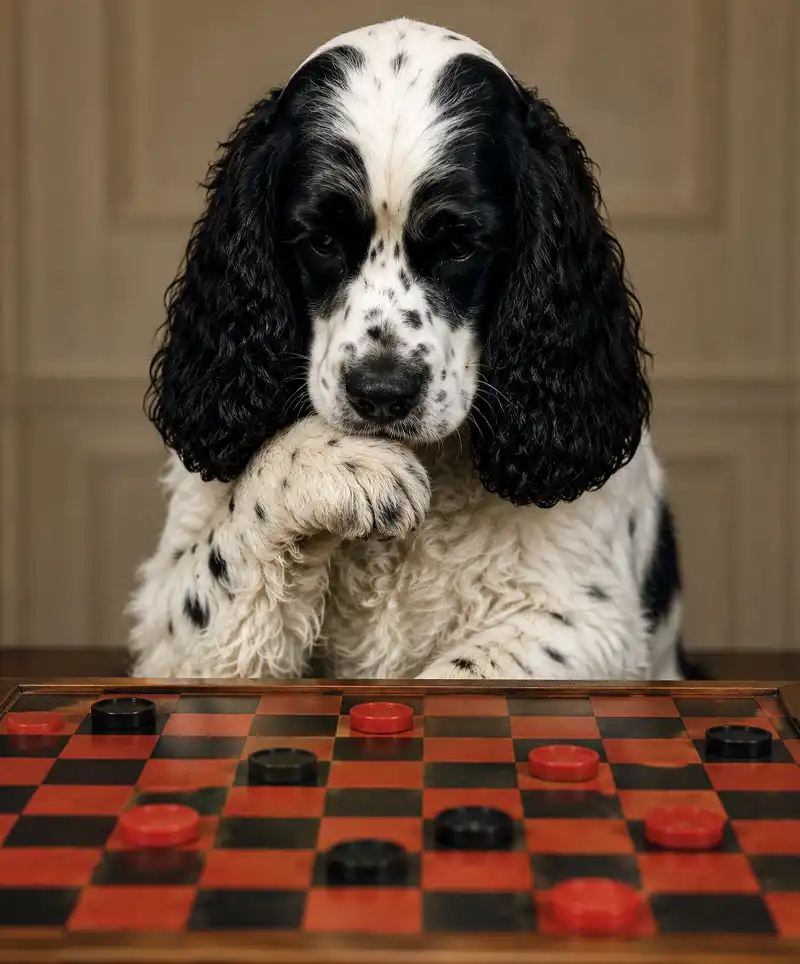
Wait... Not That Checkers?
If you arrived here expecting a celebration of the classic board game, you're certainly not alone. The name "National Checkers Day" sounds exactly like the kind of holiday that would encourage people to challenge Grandpa to a fierce battle of strategy while arguing over whether a move was legal.
In reality, the holiday has very little to do with checkerboards. Instead, it honors a dog named Checkers who became a household name during the 1952 presidential campaign.
Of course, there's nothing stopping anyone from celebrating with a game of checkers anyway. In fact, it might be one of the few holidays where both a board game and a cocker spaniel can be honored at the same gathering.
The Story of Checkers the Dog
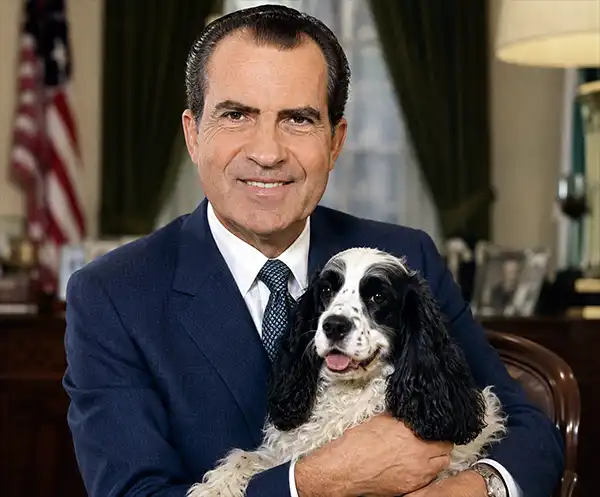
The story of Checkers began during one of the most turbulent moments of Richard Nixon's political career. In 1952, Nixon was serving as a United States senator from California and had been selected as Dwight D. Eisenhower's running mate in the presidential election. However, reports emerged alleging that Nixon had access to a privately funded political expense account supported by wealthy backers. The controversy quickly grew, and some political leaders began questioning whether Nixon should remain on the Republican ticket.
Facing intense public scrutiny, Nixon decided to address the nation directly through a televised broadcast on September 23, 1952. At the time, television was still a relatively new medium, and few politicians had attempted to use it in such a personal way. During the speech, Nixon detailed his family's finances, discussed his assets and debts, and answered accusations point by point. The goal was simple: convince the American public that he had done nothing improper and deserved to remain a candidate.
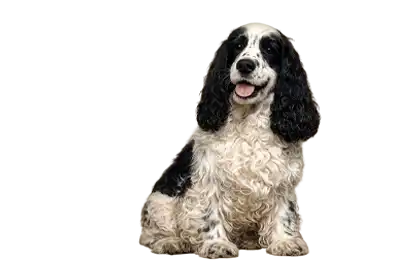
Near the end of the speech, Nixon shifted to a more personal topic. He explained that among the gifts his family had received was a black-and-white cocker spaniel sent by a supporter in Texas. The dog had been given to his daughters, Tricia and Julie, who immediately fell in love with their new pet. Nixon then made the statement that would become famous across the country. Regardless of what critics thought, he said, the family intended to keep the dog.
That simple remark transformed Checkers from an ordinary family pet into a national celebrity overnight. Newspapers, radio programs, and television broadcasts all focused on the dog. Millions of Americans who watched the speech remembered Checkers long after they had forgotten many of the political details surrounding the controversy. The dog became a symbol of the personal side of politics and helped humanize Nixon at a critical moment in his campaign.
The speech proved remarkably successful. Public reaction was overwhelmingly positive, and thousands of telegrams and letters poured in supporting Nixon. Rather than being removed from the ticket, he remained Eisenhower's running mate and helped secure victory in the 1952 election. Historians often point to the Checkers Speech as one of the first major examples of television influencing national politics and shaping public opinion on a massive scale.
Although Checkers himself never sought fame, his place in history was secure. The little cocker spaniel became one of the most recognizable dogs in American political history and remains closely associated with one of the most famous speeches ever delivered by a presidential candidate. More than seven decades later, the story continues to be remembered not only because of the politics involved but because it demonstrates how a beloved family pet unexpectedly became part of a defining moment in American history.
The Famous Checkers Speech
The Checkers Speech, delivered by Richard Nixon on September 23, 1952, remains one of the most influential political speeches in American history. Broadcast live on television and radio, the address was watched and listened to by an estimated 60 million people. At a time when television was still a relatively new form of mass communication, the speech demonstrated just how powerful the medium could be in shaping public opinion.
Nixon found himself in a difficult position. Reports about a political expense fund had created a growing controversy, and critics were calling for him to be removed as Dwight D. Eisenhower's vice-presidential running mate. Rather than relying on campaign staff or party leaders to defend him, Nixon chose to speak directly to the American people. The strategy was unusual for the era and represented one of the first major examples of a politician bypassing traditional media channels to appeal directly to voters.
During the thirty-minute address, Nixon carefully reviewed his personal finances in remarkable detail. He discussed his salary, savings, debts, and family circumstances, attempting to demonstrate transparency and honesty. While modern audiences might find such personal financial disclosures surprising, the approach helped many viewers feel they were getting an unfiltered look at the candidate behind the headlines.
The most memorable moment came near the end of the speech when Nixon spoke about the family's cocker spaniel. He explained that the dog had been given to his daughters and stated that regardless of the criticism he was facing, the family intended to keep the pet. The emotional and relatable story resonated with viewers. Almost immediately, the dog became the symbol of the entire speech, and the address became permanently known as the Checkers Speech.
Public reaction was swift and overwhelmingly favorable. Thousands of telegrams, letters, and messages poured in supporting Nixon. Many Americans appreciated his willingness to address the controversy openly and felt a personal connection after hearing him speak about his family. The positive response convinced Republican leaders to keep Nixon on the ticket, preserving his political career at a critical moment.
The speech also marked a turning point in political campaigning. Historians frequently cite it as one of the first demonstrations of television's ability to influence elections and shape public perception. Future candidates would increasingly use television to connect with voters, recognizing that personality, storytelling, and direct communication could be just as important as policy discussions.
More than seventy years later, the Checkers Speech is still studied by historians, political scientists, and communication experts. It remains a powerful example of how a single broadcast can alter the course of a campaign, save a political career, and unexpectedly make a family dog one of the most famous animals in American history.
Dogs in Politics
Checkers may be the most famous political dog in American history, but he is far from the only one.
Presidents and political leaders have long shared their lives with pets. Dogs have lived in the White House for much of American history, often becoming beloved public figures in their own right. These pets frequently appear in photographs, public appearances, and news stories.
From hunting dogs and terriers to retrievers and shepherds, presidential pets have often helped humanize political leaders and connect them with voters. Few, however, can claim to have influenced a national election quite like Checkers.
Why Americans Loved Checkers
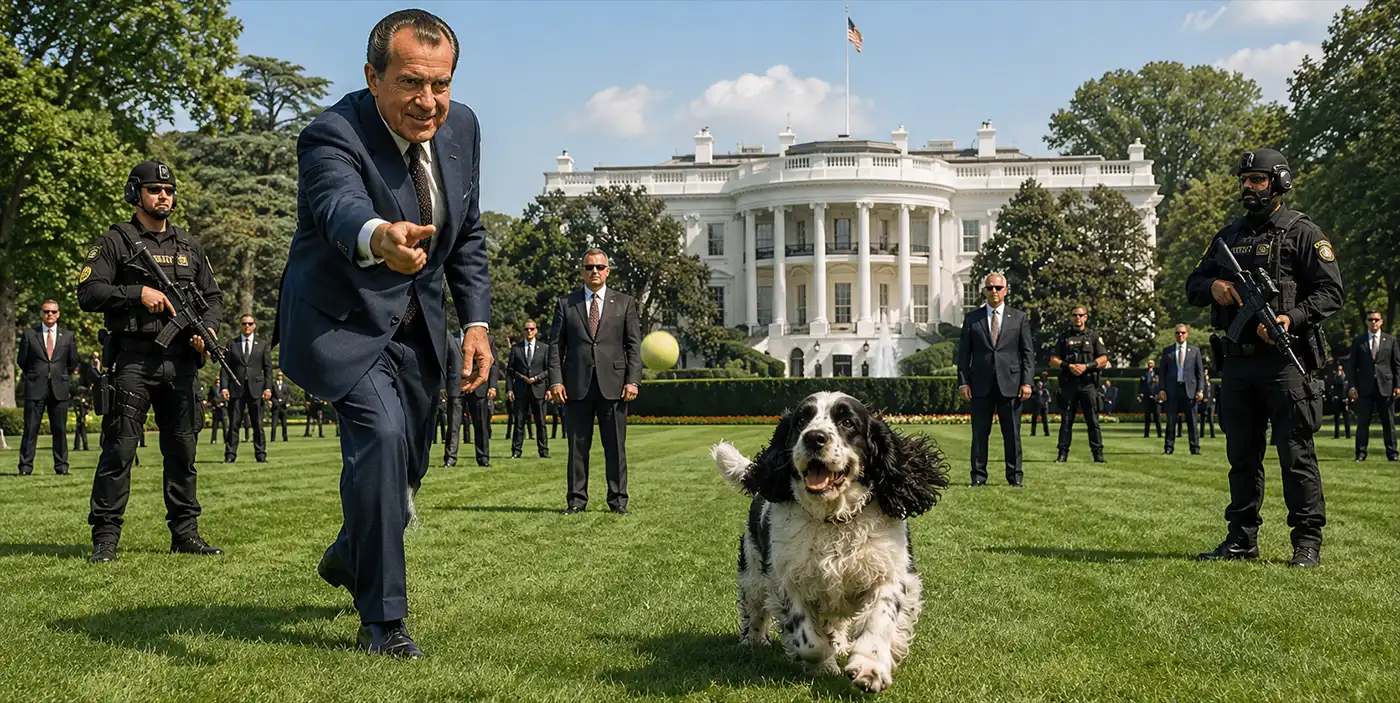
Part of Checkers' appeal was that he represented something everyone could understand. While political expense accounts, campaign finances, and election controversies could be complicated subjects, a family dog was not. Millions of Americans watched Nixon's speech and found themselves relating less to the political arguments and more to the simple story of a beloved pet that had become part of a family's life.
Checkers also arrived at exactly the right moment in American history. During the early 1950s, television was rapidly becoming the centerpiece of the American home. For the first time, voters could see political candidates speaking directly to them rather than reading about them in newspapers or hearing brief radio reports. Nixon's discussion of his family and their dog helped create a personal connection that many viewers had never experienced with a national politician. Rather than appearing as a distant public figure, he appeared as a husband, father, and pet owner.
Americans have long had a special affection for dogs, and Checkers benefited from that tradition. People understood the joy a family pet could bring, especially to children. Nixon's description of his daughters' attachment to the cocker spaniel made the story relatable to parents and grandparents across the country. Even those who knew little about politics could appreciate a child loving a dog and a family wanting to keep their pet.
The story also provided a welcome contrast to the serious political issues dominating the headlines. At a time when Americans were hearing debates about government, elections, and international affairs, Checkers brought a moment of warmth and humanity to the national conversation. The dog became a symbol of family values, loyalty, and ordinary life—qualities that many voters found appealing.
Another reason Checkers remained memorable is that he gave people a simple way to remember a complex event. Most Americans could not recall every detail of Nixon's financial explanation, but they certainly remembered the dog. In many ways, Checkers became the face of the speech itself. The cocker spaniel transformed what could have been remembered as a routine political defense into a story that people continued discussing for decades.
More than seventy years later, Checkers remains one of the most famous dogs in American history. His popularity demonstrates how powerful personal stories can be in shaping public opinion. While politicians come and go, and political controversies fade with time, the image of a family refusing to give up a beloved dog proved unforgettable. Checkers never campaigned, never gave an interview, and never made a speech, yet he managed to win the affection of millions of Americans and secure a lasting place in history.
Fun Facts About National Checkers Day
National Checkers Day has a little bit of everything: politics, television history, presidential pets, and a surprising amount of confusion involving a board game. While the holiday honors a famous cocker spaniel rather than a checkerboard, its story is packed with memorable moments and unusual trivia. Here are some fun facts about Checkers, the famous speech, and the holiday that continues to puzzle people who show up expecting to celebrate kings and jump moves.
- The holiday commemorates Richard Nixon's famous 1952 Checkers Speech.
- Checkers was a black-and-white cocker spaniel.
- The speech was watched by millions of Americans on television.
- Political historians consider the speech a landmark moment in media and campaign history.
- Many people mistakenly assume the holiday celebrates the board game checkers.
The confusion surrounding the holiday's name probably inspires more unexpected internet searches than almost any other observance.
How to Celebrate National Checkers Day
National Checkers Day offers plenty of ways to celebrate, whether you're a history enthusiast, a dog lover, a political junkie, or someone who simply enjoys learning unusual facts. The holiday provides a chance to explore a fascinating moment in American history while appreciating the unexpected role a family pet played in a presidential campaign.
One of the easiest ways to celebrate is by learning more about the famous Checkers Speech and the events surrounding it. Reading about the 1952 election, watching clips of the speech, or exploring the history of political campaigns can provide a deeper understanding of why this moment remains so significant decades later. History has a way of becoming more interesting when a cocker spaniel unexpectedly steals the spotlight.
Animal lovers may choose to honor the holiday by spending extra time with their own pets, sharing photos of their dogs, or supporting a local animal shelter or rescue organization. After all, Checkers became famous because of the special bond between a family and their dog, making pet appreciation a fitting way to mark the occasion.
The holiday is also a great excuse to learn about other famous presidential pets. Throughout American history, dogs, cats, horses, and even more unusual animals have lived alongside political leaders and occasionally become celebrities themselves. Their stories often provide a lighter and more personal perspective on historical events.
And yes, if you still want to celebrate with a game of checkers, nobody is going to stop you. In fact, doing so may be the most common way people accidentally observe the holiday. Just remember that while the board game and the famous dog share a name, only one of them helped shape the course of a national election.
Why National Checkers Day Matters
National Checkers Day highlights a unique moment when politics, television, and a family pet unexpectedly became part of American history. The holiday reminds us that public figures are often remembered not only for major policies and speeches but also for the personal stories that resonate with ordinary people.
More than seventy years later, Checkers remains one of the most famous dogs in American history. Not bad for a cocker spaniel who never ran for office, never gave a speech, and probably just wanted a treat and a good nap.
Sometimes history belongs to the underdog. In this case, it literally belonged to a dog.