More Than Just Filling Prescriptions
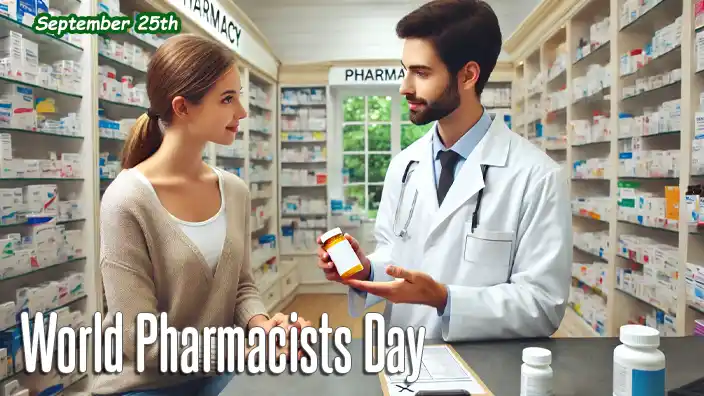
September 25 is World Pharmacists Day, an opportunity to recognize the healthcare professionals who help ensure that medicines are used safely, effectively, and appropriately. Pharmacists are often among the most accessible members of the healthcare system, answering questions, reviewing prescriptions, providing clinical services, and helping patients understand treatments that can sometimes feel like a foreign language written in very small print.
The familiar image of a pharmacist standing behind a counter tells only part of the story. These professionals work in hospitals, research laboratories, universities, public health programs, and community pharmacies around the world. Their expertise connects the science of medicines with the practical needs of the people who use them. Whether they are checking a potentially dangerous drug interaction or helping someone understand a new treatment, pharmacists play a vital role in keeping healthcare safe and effective.
The Origins of World Pharmacists Day
World Pharmacists Day was established in 2009 by the Council of the International Pharmaceutical Federation, better known as FIP, during its congress in Istanbul, Turkey. The proposal came from the Turkish Pharmacists Association, which suggested September 25 as the date of the annual observance. The choice was particularly meaningful because it marked the anniversary of FIP’s founding in 1912, connecting the celebration of modern pharmacy with more than a century of international professional cooperation.
FIP was founded to bring together pharmacists and pharmaceutical scientists from different countries, encourage the exchange of knowledge, and advance the profession through education, research, and collaboration. Over the decades, its work has expanded to address the changing needs of healthcare, including medication safety, access to medicines, professional standards, and the development of the pharmacy workforce. World Pharmacists Day grew from this international mission, providing a shared occasion for pharmacy professionals to explain their work and demonstrate the contribution they make to healthier communities.
The observance is not simply a day for recognizing the person who dispenses prescriptions at the local pharmacy. Its purpose is to promote and advocate for the role of pharmacists in improving health around the world. Pharmacy organizations, universities, hospitals, community pharmacies, and other healthcare institutions use the occasion to organize educational activities, public health campaigns, professional events, and community outreach. These efforts help people understand that pharmacists contribute to patient care, scientific research, disease prevention, and the safe and effective use of medicines.
Each year, FIP selects a theme to focus attention on an important aspect of pharmacy and the challenges facing healthcare systems. The themes may change, but the underlying message remains consistent: pharmacists are essential members of the healthcare workforce whose knowledge and skills deserve recognition and support. World Pharmacists Day also encourages cooperation between pharmacists and other healthcare professionals, reinforcing the idea that effective healthcare depends on a team rather than any single profession.
The celebration has grown into a global opportunity to recognize the people working throughout pharmacy, from community and hospital pharmacists to researchers, educators, and those involved in developing and supplying medicines. It is also a chance to look toward the future of the profession, including the need for continuing education, improved access to healthcare, and the responsible use of new technologies. The date may be rooted in pharmacy history, but its purpose is firmly focused on helping the profession meet the needs of patients today and in the years ahead.
What Does a Pharmacist Actually Do?
For many of us, a visit to the pharmacy becomes a more regular part of life as the years go by. We arrive with a prescription, collect a familiar collection of bottles, and head home with enough tablets to make us wonder whether we ought to rattle when we walk. Yet the person handing over those medicines is doing considerably more than counting pills and printing labels. Pharmacists are highly trained healthcare professionals whose expertise helps ensure that medicines are appropriate, effective, and used as safely as possible.
A pharmacist's work begins with understanding the medication itself. They study how drugs act on the body, how they are absorbed and eliminated, how different medicines interact, and how factors such as age, kidney function, allergies, and other medical conditions can affect treatment. When a prescription arrives, the pharmacist reviews it for accuracy and suitability, checking details such as the medicine, strength, dosage, directions, and potential interactions with other treatments. If something appears unusual or unclear, they may contact the prescriber before dispensing it.
This review becomes particularly important for people taking several medications. A patient may receive prescriptions from a family doctor, a cardiologist, a specialist, and perhaps another clinician after a hospital visit. Each prescription may be appropriate on its own, but the pharmacist helps look at the wider picture. They can identify possible duplication, interactions, or concerns that deserve clarification and can work with the prescribing healthcare professionals to resolve them. Keeping an up-to-date medication list, including over-the-counter products and supplements, makes this process much more effective.
Pharmacists also explain how medicines should be taken. Some need to be taken with food, others on an empty stomach, and certain treatments require specific timing or storage conditions. They can advise on missed doses, common side effects, precautions, and what to do when a medication does not seem to be working as expected. Their role is not to replace the prescribing clinician, but to help patients understand and follow the treatment plan safely. If you are unsure about an instruction, asking the pharmacist is far better than deciding that the tiny print probably says something sensible.
Another important responsibility is helping patients manage their medicines over time. Pharmacists may conduct medication reviews, assist with adherence strategies, explain changes in treatment, and help people who find a complicated schedule difficult to follow. Depending on local laws and their professional training, they may also provide vaccinations, health screenings, chronic disease support, or other clinical services. In hospitals and specialized settings, pharmacists can take an even more direct role in monitoring and optimizing medication therapy as part of the healthcare team.
Behind the scenes, pharmacists must also maintain accurate records, ensure medicines are stored and supplied correctly, monitor stock, comply with professional and legal requirements, and supervise pharmacy staff. They handle confidential health information and must balance the demands of a busy workplace with the need to give each patient appropriate attention. It is a profession in which precision matters, because a small error involving a medicine can have consequences far greater than a misplaced grocery item.
Perhaps the most valuable part of the pharmacist's work is the conversation that takes place across the counter. A patient may be worried about a new diagnosis, confused by a change in medication, or simply trying to remember whether the blue tablet is the one taken before breakfast. A good pharmacist can turn complicated medical information into clear, practical advice and help the patient know when to contact their doctor or seek urgent care.
So, the next time you collect your prescriptions, remember that the pharmacist is not merely the final stop between the doctor's office and your medicine cabinet. They are an important safeguard, an educator, and a member of your healthcare team. And if your collection of pills has grown large enough to require its own filing system, they may also be the person best placed to help you make sense of it all.
Medication Safety: The Details That Matter
Medicines can be enormously beneficial, but they must be used correctly. Pharmacists help patients understand when and how to take their medications, whether they should be taken with food, what side effects may occur, and which interactions require attention.
Some medicines interact with other prescriptions, over-the-counter products, supplements, or particular foods. Grapefruit, for example, can affect the way certain drugs are processed by the body. Other medications may require special storage, careful timing, or monitoring to ensure that treatment remains effective and safe.
Pharmacists also help patients navigate changes in medication. They may explain the difference between a brand-name drug and an approved generic, clarify instructions after a hospital discharge, or assist someone who is struggling to manage several prescriptions. For patients with complex treatment plans, a medication review can help identify unnecessary duplication, potential problems, or opportunities to simplify the routine in consultation with the prescribing clinician.
The goal is not merely to provide a bottle of tablets. It is to help the person receiving that bottle understand what it is for, how to use it, and when to seek further advice.

The Many Places Pharmacists Work
Although community pharmacies are the most familiar setting, pharmacists contribute to healthcare in a wide variety of environments. Their responsibilities differ according to their training, specialization, and the laws of the country or state in which they practice.
Community Pharmacies
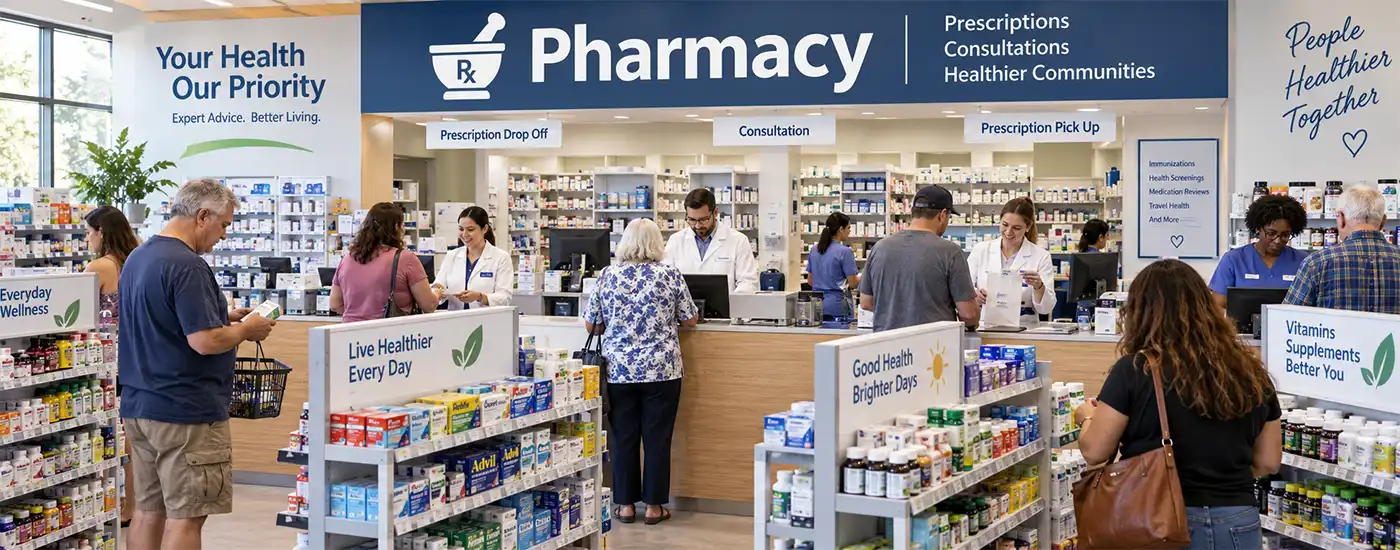
Community pharmacists dispense prescriptions, counsel patients, recommend appropriate over-the-counter treatments, and provide advice about medication safety. Depending on local regulations, they may also administer vaccinations, conduct health screenings, provide certain clinical services, or help patients manage long-term conditions.
For many people, the community pharmacist is the healthcare professional they can reach most easily. That accessibility makes pharmacies an important point of contact for everyday health questions and preventive care.
Hospitals and Clinical Settings
Hospital pharmacists work alongside physicians, nurses, and other healthcare professionals to manage medication therapy. They may review treatment plans, calculate complex doses, monitor drug levels, prepare specialized medications, and help ensure that patients receive appropriate treatment during their hospital stay.
Some specialize in areas such as oncology, intensive care, pediatrics, infectious diseases, or transplant medicine. Their knowledge is particularly valuable when patients require multiple medicines or treatments with narrow safety margins.
Research and the Pharmaceutical Industry
Pharmacists and pharmaceutical scientists contribute to the development, testing, manufacturing, and evaluation of medicines. Their work may involve drug formulation, clinical research, quality assurance, regulatory affairs, or monitoring the safety of medicines after they reach the market.
The journey from a promising laboratory discovery to an approved treatment can take many years. Pharmacy professionals help ensure that medicines are not only effective but also manufactured consistently and used safely.
Academia, Public Health, and Government
Pharmacists also teach future healthcare professionals, conduct research, develop medication policies, and contribute to public health initiatives. Some work with regulatory agencies, healthcare organizations, or government programs to improve access to medicines and promote their appropriate use.
Their expertise can influence everything from the education of a new pharmacy student to the safety standards governing medicines used by millions of people.
Pharmacists and Public Health
The COVID-19 pandemic brought the role of pharmacists into particularly sharp focus. As hospitals faced extraordinary pressure, medical appointments were disrupted, and communities struggled to obtain reliable information, pharmacies remained an essential point of contact with the healthcare system. For many people, the local pharmacy was not simply somewhere to collect a prescription; it was one of the few familiar healthcare services they could still reach during a period of lockdowns, uncertainty, and rapidly changing public health guidance.
Keeping Essential Medicines Available
One of the first challenges was maintaining access to ordinary medicines while the world concentrated on the new virus. People with heart disease, diabetes, asthma, and other long-term conditions still needed their regular treatments, even when they were isolating or unable to attend routine appointments. Pharmacists and their teams worked to maintain supplies, arrange medication deliveries where available, support prescription renewals under applicable rules, and help patients avoid interruptions to essential treatment.
The pandemic also placed enormous pressure on supply chains. Demand for medicines, protective equipment, thermometers, and hand sanitizer increased, while manufacturing and transportation disruptions created shortages. Pharmacy professionals helped manage available stock, identify alternatives when appropriate, and explain why certain products could not always be obtained immediately. In some countries, pharmacists even compounded hand sanitizer to help address shortages. It was a reminder that keeping a healthcare system functioning involves far more than treating the disease making the headlines.
Bringing Testing Into the Community
As COVID-19 testing became available, pharmacies were brought into the response through partnerships with public health agencies, laboratories, and healthcare providers. In the United States, federal programs expanded community-based testing through retail pharmacy networks, allowing people to access testing at familiar locations rather than relying exclusively on hospitals or dedicated medical facilities.
Depending on the program and local regulations, pharmacy teams helped coordinate appointments, collect specimens, provide or administer tests, and explain results and the next steps patients should take. These services increased testing capacity and made it easier for communities to identify infections. They also required pharmacists and staff to adopt infection-control procedures while continuing to serve people who needed their usual medicines.
The Vaccination Campaign
The arrival of COVID-19 vaccines marked another major stage in the pharmacy response. In February 2021, the United States launched the Federal Retail Pharmacy Program for COVID-19 Vaccination, a collaboration between the federal government, states and territories, and national pharmacy partners and independent pharmacy networks. The program was designed to use the accessibility of community pharmacies to expand vaccination opportunities across the country.
Pharmacists and other authorized pharmacy professionals administered vaccines, maintained appropriate storage and handling procedures, answered questions, and helped patients understand eligibility and vaccination schedules. Pharmacy teams also managed appointments, records, supplies, and the considerable logistical work required to operate vaccination services safely. Long-term care facilities were an important part of the early effort, with pharmacy partners helping bring vaccines to residents who were especially vulnerable to severe illness.
By August 2023, participants in the federal retail pharmacy program had administered and reported more than 307 million COVID-19 vaccine doses, including approximately eight million doses delivered on-site at long-term care facilities. The scale of that contribution demonstrated how an established network of community healthcare professionals could be mobilized during a national emergency.
Information, Reassurance, and the Human Side
The pandemic was also an information crisis. Patients had questions about symptoms, testing, vaccines, medication interactions, and claims circulating through social media. Pharmacists helped explain evolving public health recommendations, correct misinformation, and direct people to appropriate medical care when their symptoms or circumstances required it.
For older adults and people managing several medical conditions, these conversations could be particularly important. A pharmacist might be helping one person understand a new prescription while reassuring another who was concerned about visiting a healthcare facility. Pharmacy staff themselves faced exposure risks, changing regulations, heavy workloads, and the emotional strain of serving anxious communities. Their contribution was not limited to the technical work of dispensing medicines or administering injections; it also included maintaining trust and continuity during a difficult period.
Lessons That Continue Beyond the Pandemic
COVID-19 demonstrated that pharmacists are an essential part of public health infrastructure. Their accessibility, medication expertise, and established relationships with patients made them valuable partners in prevention, testing, vaccination, and the continuity of everyday healthcare. The experience also highlighted the need for adequate staffing, professional support, protective equipment, and clear coordination between pharmacies and public health authorities.
The lessons extend beyond COVID-19. Pharmacists continue to contribute to vaccination programs, smoking cessation, medication adherence, health screenings, and education about the responsible use of antibiotics. Their role in addressing antimicrobial resistance is especially important, since unnecessary antibiotic use can encourage the development of drug-resistant infections. The services available vary by jurisdiction, but the broader principle remains the same: pharmacists help connect scientific knowledge with practical healthcare that people can access in their own communities.
The pandemic may have brought their work into the spotlight, but it did not create their importance. It simply made it much harder to overlook the people who were already helping to keep us healthy—often while standing behind a counter, wearing a mask, and answering the same question for the fiftieth time that morning.
A Brief History of Pharmacy
The history of pharmacy stretches back thousands of years, long before anyone could walk into a brightly lit store and collect a prescription in a neatly labeled bottle. Throughout human history, people have searched for ways to relieve pain, treat illness, and preserve health using substances found in the natural world. Plants, minerals, animal products, and carefully prepared mixtures formed the basis of early medicine, while experience and observation gradually helped healers distinguish useful remedies from those that were ineffective or dangerous.
Ancient Civilizations and the First Medicines
Some of the earliest written evidence of medicinal practice comes from Mesopotamia, where clay tablets dating to the second millennium BCE describe remedies and methods of preparation. Ancient Egyptian medical texts, including the Ebers Papyrus from around 1550 BCE, record hundreds of treatments involving plants and other ingredients. These documents reveal societies that had already developed considerable knowledge of medicinal substances, even though their understanding of disease differed greatly from modern science.
Medical traditions also developed independently in China, India, and other parts of the world. Traditional Chinese medicine accumulated extensive knowledge of herbal preparations, while Ayurveda in India established systems of healing that included the preparation and use of medicinal substances. These traditions were shaped by their own philosophies and cultural practices, and their historical importance should not be confused with modern scientific proof that every traditional remedy is safe or effective.
The ancient Greeks and Romans made further contributions to the study of medicines. Hippocrates and later physicians encouraged systematic observation, while Dioscorides, a Greek physician and pharmacologist of the first century CE, compiled De Materia Medica, an influential work describing hundreds of medicinal plants and substances. Galen, a second-century physician, developed methods of preparing and combining medicines that influenced European and Middle Eastern pharmacy for centuries. The term “galenical preparations” is still associated with certain traditional methods of pharmaceutical preparation.
The Rise of the Apothecary
During the medieval period, pharmacy became increasingly specialized. In the Islamic world, scholars and practitioners preserved, translated, and expanded earlier medical knowledge while developing sophisticated approaches to the preparation and distribution of medicines. Pharmacies were established in cities such as Baghdad, and important medical writers, including Al-Razi and Ibn Sina, contributed to the study of drugs and their therapeutic uses.
In Europe, apothecaries gradually emerged as a distinct profession. They prepared remedies, maintained stocks of medicinal ingredients, and supplied treatments prescribed by physicians or requested by customers. Their shops contained jars of herbs, powders, oils, and other substances, along with the mortar and pestle that remains one of pharmacy’s most recognizable symbols.
The separation between physicians and apothecaries developed at different times in different countries. A notable milestone occurred in 1240, when the Holy Roman Emperor Frederick II issued regulations in Sicily that helped distinguish the responsibilities of physicians and those who prepared and supplied medicines. Such developments contributed to the gradual establishment of pharmacy as a profession with its own standards and responsibilities.
Of course, the medieval apothecary did not have the benefit of modern clinical trials or pharmaceutical regulation. Some remedies were genuinely useful, while others were ineffective, toxic, or based on mistaken beliefs. The history of pharmacy is therefore also the history of learning which treatments work—and, just as importantly, which ones should be left on the shelf.
From Herbal Remedies to Scientific Chemistry
The scientific revolution and the development of modern chemistry transformed the study of medicines. During the seventeenth and eighteenth centuries, researchers began to investigate the composition of substances more systematically, while advances in anatomy, physiology, and experimental science improved understanding of the human body.
The nineteenth century brought particularly important changes. Chemists and pharmacists isolated active compounds from plants, allowing medicines to be studied and administered with greater precision. Morphine was isolated from opium in the early 1800s, quinine was isolated from cinchona bark in 1820, and other discoveries helped establish the foundations of modern pharmacology. Rather than relying solely on a whole plant preparation, scientists could increasingly identify and investigate the substances responsible for particular effects.
Pharmacy education and professional organizations also developed during this period. Colleges of pharmacy were established, professional standards became more formalized, and governments introduced laws regulating the preparation and sale of medicines. The profession was moving away from the traditional apothecary model toward a scientific discipline grounded in chemistry, biology, and increasingly rigorous standards of practice.
The Industrial Revolution and Modern Medicines
The growth of pharmaceutical manufacturing changed the way medicines were produced and distributed. Companies began manufacturing drugs on a larger scale, improving consistency and making treatments more widely available. Advances in chemical synthesis allowed researchers to develop medicines that were not simply extracted from natural sources, while new manufacturing methods made tablets, capsules, and other dosage forms increasingly practical.
The twentieth century brought some of the most dramatic advances in medical history. The discovery of penicillin by Alexander Fleming in 1928, followed by the development of methods for its large-scale production during the Second World War, helped usher in the antibiotic era. Other major developments included insulin therapy, vaccines, anesthetics, medicines for cardiovascular disease, and treatments for conditions that had previously been difficult or impossible to manage.
These advances also revealed the importance of rigorous testing and regulation. Tragedies involving unsafe medicines, including the 1937 sulfanilamide disaster in the United States and the thalidomide tragedy of the late 1950s and early 1960s, demonstrated the devastating consequences of inadequate safety controls. Governments responded by strengthening requirements for drug testing, approval, manufacturing, and monitoring.
Modern pharmacy became increasingly concerned not only with producing and supplying medicines, but also with ensuring that they were safe, effective, and appropriate for the people receiving them.
The Development of Clinical Pharmacy
During the latter half of the twentieth century, the pharmacist’s role expanded significantly toward direct patient care. Clinical pharmacy developed as a field focused on optimizing medication therapy, preventing drug-related problems, and working alongside other healthcare professionals to improve patient outcomes.
Hospital pharmacists became more involved in treatment decisions, medication monitoring, and specialized areas of care. Community pharmacists increasingly provided counseling, medication reviews, and other patient-centered services. The concept of pharmaceutical care emphasized that the pharmacist’s responsibility extends beyond the medicine itself to the health and well-being of the person using it.
This change was particularly important as treatments became more complex. Patients were living longer, managing more chronic conditions, and often taking several medicines at the same time. Pharmacists’ expertise in interactions, dosing, and medication management became an essential part of helping people use these treatments safely.
Pharmacy in the Twenty-First Century
Today, pharmacy is a global profession that combines scientific research, advanced technology, and direct patient care. Pharmacists contribute to the development of new medicines, the management of complex therapies, vaccination programs, public health initiatives, and the education of patients and healthcare professionals.
Modern pharmacy also makes use of electronic prescribing, automated dispensing systems, digital health records, and increasingly sophisticated tools for identifying medication-related risks. These technologies can improve efficiency and safety, but they do not replace the professional judgment required to interpret information and make appropriate decisions.
The profession continues to evolve as healthcare systems respond to aging populations, chronic diseases, emerging infections, and the need for more accessible services. In many countries, pharmacists are taking on expanded clinical responsibilities, although the services they may provide depend on local laws, training, and professional regulations.
From ancient clay tablets to modern pharmaceutical laboratories, the central purpose of pharmacy has remained remarkably consistent: to understand medicinal substances and help people use them to improve health. The methods have changed beyond recognition, and thankfully the days of prescribing a mysterious powder based on the position of the moon are largely behind us. But the pharmacist’s responsibility to combine knowledge, accuracy, and care remains as important as ever.
The Human Side of Pharmacy
Medicines are often discussed in terms of dosages, interactions, and clinical results, but there is a person behind every prescription. That person may be worried about a new diagnosis, struggling to understand a complicated treatment, or wondering how life is going to change now that a particular condition has entered the picture. Pharmacists regularly meet people at moments when reassurance and clear information are just as important as the medicine itself.
A diagnosis can be especially overwhelming when it comes with unfamiliar equipment, new routines, and instructions that seem to arrive all at once. Someone newly diagnosed with diabetes, for example, may be sent home with insulin, a glucose meter, testing supplies, and a list of things they are expected to understand immediately. Even after a medical consultation, they may still have practical questions: How do I use the injection device? When should I check my blood sugar? What do the readings mean? How should the medicine be stored? What should I do if something goes wrong?
A pharmacist can help turn that frightening collection of instructions into a manageable routine. Depending on their training and the services available, they may demonstrate how to use medication devices, explain the purpose of each treatment, review testing procedures, and help patients understand when to contact their healthcare team. They can also provide written information, reinforce instructions, and encourage patients to ask questions until they feel confident. The goal is not to replace the doctor or diabetes educator, but to make sure the patient has the knowledge needed to follow the treatment plan safely.
That kind of conversation can change the way someone feels about their condition. A patient who arrived at the pharmacy frightened and uncertain may leave understanding what the medicine is for, how to use it, and what the next steps will be. The diagnosis has not disappeared, but the sense of helplessness may have been replaced by a practical plan. Sometimes the most valuable thing a healthcare professional can provide is the confidence that comes from finally understanding what is happening.

Helping Patients Manage Long-Term Conditions
For people living with chronic conditions, the relationship with a pharmacist may continue for many years. Regular prescriptions, changes in treatment, and the occasional new medication can create a complicated routine, particularly when several healthcare professionals are involved. Pharmacists help patients keep track of their medicines, understand changes, and identify questions that should be discussed with their prescribing clinicians.
They may also help people develop practical strategies for taking medicines consistently, such as using medication organizers, setting reminders, or coordinating refill schedules. When a treatment is difficult to manage because of side effects, cost, or an inconvenient schedule, pharmacists can discuss the concern and work with the healthcare team to explore appropriate options. Patients should never feel that they must quietly struggle with a medication simply because it has been prescribed.
The same support can be valuable when a condition improves or treatment changes. A person whose diabetes is in remission, for example, may no longer require the same medication regimen but still need ongoing monitoring and follow-up. Pharmacists can help explain changes in prescriptions and reinforce the importance of following the monitoring plan recommended by the healthcare team. Improvement is wonderful, but it is not a reason to abandon the instruction manual.
A Familiar Face in Difficult Times
Community pharmacists often become familiar figures in the lives of their patients. They may know that someone has recently returned from the hospital, that a new medicine has been prescribed, or that a family member is collecting medication for a loved one who can no longer visit the pharmacy independently. These ongoing relationships can help pharmacists recognize when a patient needs additional support or when a change in treatment deserves closer attention.
For older adults, caregivers, and people managing multiple conditions, that continuity can be particularly reassuring. A pharmacist who remembers a patient's medication history may be able to explain a new prescription in the context of their existing treatment, identify a potential concern, or encourage them to seek medical advice when something does not seem right. The relationship is professional, but it can also be deeply personal in the best sense: built on trust, familiarity, and a shared interest in the patient's well-being.
Pharmacists also encounter people during some of life's most difficult moments. A patient may be collecting pain medication after surgery, starting treatment for a serious illness, or trying to understand the medicines prescribed for a family member receiving end-of-life care. In these circumstances, sensitivity matters. A calm explanation, a private conversation, or simply allowing someone enough time to ask their questions can make an intimidating situation easier to face.
Communication Is Part of the Treatment
One of the most important skills a pharmacist possesses is the ability to translate complex medical information into language that patients can understand. A medicine may have a complicated mechanism of action, but the patient needs to know what it does, how to take it, what precautions matter, and when to seek help. Good communication bridges the gap between scientific knowledge and everyday life.
This includes listening as well as explaining. Patients may be reluctant to admit that they have forgotten doses, misunderstood instructions, or stopped taking a medicine because of side effects. A nonjudgmental conversation can uncover problems that might otherwise remain hidden. Pharmacists can then help the patient understand the risks and work with the appropriate healthcare professionals to find a safer way forward.
Confidentiality is equally important. Pharmacy professionals handle sensitive health information and are expected to protect patient privacy. A person should be able to ask about an embarrassing symptom, a personal medication, or a difficult diagnosis without feeling that the entire waiting line has been invited into the conversation.
More Than a Prescription
The human side of pharmacy is ultimately about helping people feel informed, respected, and supported. A pharmacist may spend only a few minutes with a patient, but those minutes can prevent a medication error, clarify a confusing instruction, or provide reassurance at a time when it is badly needed.
The next time you visit your pharmacy, remember that the person behind the counter may be doing far more than preparing your prescription. They may be helping someone learn to manage a new diagnosis, guiding a caregiver through a complicated treatment, or making sure an older patient understands which medicine to take and when. Their scientific knowledge is essential, but their ability to communicate that knowledge with patience and compassion is what often makes the greatest difference.
And when the collection of prescription bottles begins to look as though it deserves its own shelf in the kitchen, it is comforting to know that someone is there to help make sense of the lot.
Fun Facts About Pharmacy
The history and science of pharmacy contain some fascinating details that reveal how much the profession has changed over the centuries.
- An Ancient Profession: The preparation of medicinal remedies can be traced back thousands of years to early civilizations.
- The Mortar and Pestle: This traditional tool remains one of the most recognizable symbols of pharmacy, even though modern practice uses far more sophisticated equipment.
- More Than One Career Path: Pharmacists can specialize in clinical care, research, education, manufacturing, regulation, and numerous other fields.
- Generic Medicines: Approved generic drugs must meet applicable regulatory standards for quality and equivalence to their reference products.
- Medication Detectives: Pharmacists are trained to identify interactions, dosage concerns, and other problems that may not be obvious to patients.
- Public Health Partners: In many jurisdictions, pharmacists provide vaccinations and other preventive healthcare services.
- A Global Profession: Pharmacy organizations around the world collaborate through FIP to advance education, science, and professional practice.
- Precision Matters: Some medicines require extremely careful dosing, making accurate calculations and thorough checking essential parts of the job.
How to Celebrate World Pharmacists Day
World Pharmacists Day is an opportunity to recognize the people who help make medicines safer and healthcare more accessible. A few simple actions can make the celebration meaningful.
- Thank Your Pharmacist: A sincere word of appreciation can mean a great deal to someone working through a busy day.
- Ask Questions About Your Medicines: Use the occasion to make sure you understand your prescriptions, including how to take them and what precautions may apply.
- Review Your Medication List: Keep an up-to-date record of your prescriptions, over-the-counter medicines, and supplements, and discuss any concerns with a healthcare professional.
- Support Pharmacy Education: Learn about the profession or encourage a student interested in healthcare to explore pharmacy as a career.
- Recognize the Whole Team: Pharmacy technicians, support staff, scientists, and other professionals also contribute to the safe delivery of medicines.
- Share the Message: Use #WorldPharmacistsDay to highlight the importance of pharmacists and the work they do in your community.
Pharmacist FAQ
Pharmacists are among the most accessible healthcare professionals, yet many people are unaware of the full range of services they provide. These frequently asked questions explain their training, responsibilities, and the ways they help patients use medicines safely.
What is World Pharmacists Day?
World Pharmacists Day is an annual international observance held on September 25. It recognizes the contribution pharmacists make to healthcare and promotes awareness of their role in improving health, preventing disease, and ensuring the safe and effective use of medicines.
Why is World Pharmacists Day celebrated on September 25?
The date commemorates the founding of the International Pharmaceutical Federation (FIP) on September 25, 1912. World Pharmacists Day was established by FIP in 2009 to provide a global occasion for recognizing and promoting the pharmacy profession.
What does a pharmacist do?
A pharmacist is a healthcare professional who specializes in medicines and their safe, effective use. Pharmacists review prescriptions, check for potential interactions and dosage concerns, dispense medications, counsel patients, and work with other healthcare professionals to optimize treatment. Depending on their location and qualifications, they may also provide vaccinations, medication reviews, health screenings, and other clinical services.
How is a pharmacist different from a pharmacy technician?
Pharmacists complete extensive professional education and are licensed to exercise clinical judgment concerning medication therapy. Pharmacy technicians assist with technical and administrative tasks, such as preparing prescriptions, managing inventory, and processing records, under the supervision required by local law. Their responsibilities and permitted activities vary by jurisdiction.
How long does it take to become a pharmacist?
The educational requirements depend on the country. In the United States, pharmacists generally complete a Doctor of Pharmacy (Pharm.D.) program, which typically requires four professional years after prerequisite undergraduate study, followed by licensing examinations and other state requirements. Some pharmacists also complete postgraduate residencies or specialized training.
Can pharmacists prescribe medication?
In some countries and jurisdictions, pharmacists have authority to prescribe certain medicines or prescribe under collaborative practice agreements, additional qualifications, or specific legal frameworks. The scope of this authority varies considerably. Patients should ask their local pharmacist which prescribing services are available.
Can pharmacists give vaccinations?
Yes, pharmacists in many jurisdictions are authorized to administer vaccinations, subject to local laws, training, and eligibility requirements. Community pharmacies have become important vaccination locations for influenza, COVID-19, and other preventable diseases because they are often convenient and accessible.
Can a pharmacist help if I take several medications?
Yes. Pharmacists can review a patient's medication list for potential interactions, duplication, dosing concerns, and other medication-related problems. They can also explain how to take medicines correctly and help patients organize complicated schedules. It is useful to provide a complete list of prescription medicines, over-the-counter products, vitamins, and supplements.
What should I ask my pharmacist about a new prescription?
You should understand what the medicine is for, how and when to take it, whether it should be taken with food, how to store it, and what side effects or precautions are important. Ask what to do if you miss a dose and whether it may interact with your other medicines. If the instructions are unclear, request an explanation before leaving the pharmacy.
Can a pharmacist help me learn to use insulin or other medication devices?
Pharmacists can often demonstrate how to use insulin pens, inhalers, glucose meters, and other medication-related devices, depending on their training and available services. They can explain the prescribed instructions and help patients understand practical aspects of treatment. For individualized diabetes management, medication adjustments, or questions about blood glucose targets, patients should follow the plan established with their healthcare team.
What is the difference between a pharmacist and a pharmacologist?
A pharmacist is a licensed healthcare professional who specializes in the safe and effective use of medicines in patient care and other professional settings. A pharmacologist is a scientist who studies how drugs and other substances affect biological systems. Some professionals work in both areas, but the educational pathways and day-to-day responsibilities are different.
Where do pharmacists work besides community pharmacies?
Pharmacists work in hospitals, clinics, pharmaceutical research and manufacturing, universities, government agencies, public health organizations, regulatory bodies, and the pharmaceutical industry. Their roles may include patient care, research, education, medication safety, drug development, and healthcare policy.
Why are pharmacists important to public health?
Pharmacists support public health by improving access to medicines, providing vaccinations and screenings where authorized, educating patients, promoting medication safety, and helping prevent the inappropriate use of antibiotics. During emergencies such as the COVID-19 pandemic, pharmacies have also contributed to testing, vaccination, and the continuity of essential healthcare services.
Can I ask a pharmacist about an over-the-counter medicine?
Yes. Pharmacists can help you choose an appropriate over-the-counter product, explain how to use it, and identify possible interactions with your existing medicines or medical conditions. They can also advise when symptoms require evaluation by a doctor rather than self-treatment.
Is information I share with my pharmacist confidential?
Pharmacists are required to follow applicable privacy laws and professional confidentiality standards. They handle sensitive medical information and should provide appropriate privacy for discussions about medications and health concerns. If you need to discuss something personal, you can ask whether a private consultation area is available.
How can I show appreciation for my pharmacist?
A sincere thank-you is always welcome. You can also recognize your pharmacy team on World Pharmacists Day, share a positive experience, or take the opportunity to learn more about the services they provide. One of the best ways to support their work is to ask questions, keep an accurate medication list, and use medicines according to the instructions provided by your healthcare team.
A Prescription for Appreciation
World Pharmacists Day reminds us that healthcare depends on many professionals whose work is not always visible. Pharmacists bring scientific expertise, clinical judgment, and personal care to a profession that affects people at every stage of life. Their responsibilities may differ from one workplace to another, but the common purpose is to help medicines improve health while minimizing the risks associated with their use.
On September 25, take a moment to appreciate the pharmacist who answers your questions, checks your prescriptions, or helps you navigate a complicated treatment. They may not wear a cape, and they probably cannot make your insurance paperwork disappear, but their knowledge and dedication make a genuine difference every day.