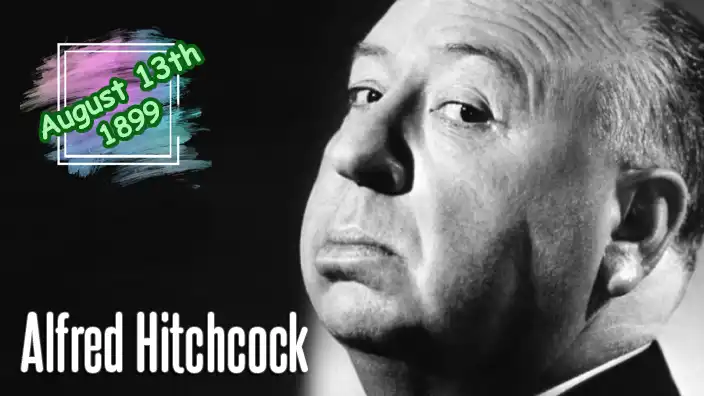
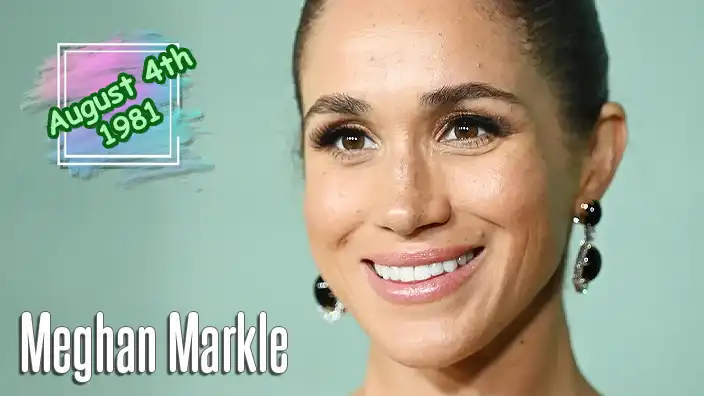
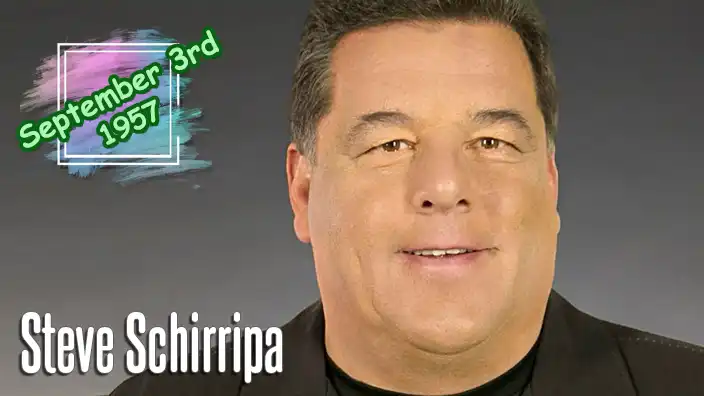
August 13, 1962, in Boston, Massachusetts

John Slattery has the rare ability to make almost any line sound as though it contains equal measures of wisdom, sarcasm, and the beginning of a very good cocktail-party story. With his distinctive silver hair, dry delivery, and impeccable comic timing, he spent years as one of television's most dependable character actors before finding the role that turned him into a pop-culture favorite: Roger Sterling on Mad Men.
Born on August 13, 1962, in Boston, Massachusetts, Slattery grew up in a large Irish-American family. He attended The Catholic University of America in Washington, D.C., where he earned a Bachelor of Fine Arts degree before heading to New York to pursue acting professionally. Like many actors whose careers eventually appear effortless, his success was anything but immediate.
Slattery spent years working in theater and accepting television roles wherever opportunity appeared. He performed on Broadway and off-Broadway while gradually establishing himself on television, developing the sort of résumé filled with characters audiences recognized even when they did not immediately recognize the actor's name.
Throughout the 1990s and early 2000s, Slattery appeared in a wide range of television productions. His credits included Will & Grace, Sex and the City, Judging Amy, Ed, Jack & Bobby, and Desperate Housewives. He demonstrated an ability to move comfortably between comedy and drama, often playing intelligent, successful, occasionally difficult men who could command a room without raising their voices.
Then came Roger Sterling.
In 2007, Slattery joined the cast of AMC's Mad Men, the acclaimed drama centered on the advertising industry of 1960s New York. As Roger Sterling, a senior partner at the fictional Sterling Cooper advertising agency, Slattery found a character perfectly suited to his strengths. Roger was charming, privileged, frequently inappropriate, occasionally insightful, and armed with an apparently endless supply of one-liners.
Slattery's performance transformed what could easily have been a supporting caricature into one of the show's most complicated and entertaining characters. Roger could be selfish and irresponsible one moment, unexpectedly vulnerable the next, and hilariously observant immediately afterward. Slattery delivered it all with the relaxed confidence of a man who seemed capable of closing a multimillion-dollar advertising account before lunch and spending the rest of the afternoon avoiding anything resembling actual work.
His performance earned widespread critical recognition and multiple Primetime Emmy Award nominations for Outstanding Supporting Actor in a Drama Series. Although Mad Men featured an ensemble filled with memorable performances, Roger Sterling became one of its most reliable scene-stealers.
Slattery also stepped behind the camera during the series, directing several episodes of Mad Men. His directing work demonstrated another side of his understanding of television storytelling and prepared him for larger projects behind the camera.
His film career developed alongside his television success. Slattery appeared in movies including Charlie Wilson's War, The Adjustment Bureau, Spotlight, and Churchill, among others. In the Academy Award-winning Spotlight, he portrayed Boston Globe editor Ben Bradlee Jr., joining an ensemble cast in the dramatization of the newspaper's investigation into sexual abuse within the Catholic Church.
Slattery also became part of the Marvel Cinematic Universe as Howard Stark, father of Tony Stark. He first portrayed the older Howard in Iron Man 2 and later returned to the character in Ant-Man, Captain America: Civil War, and Avengers: Endgame. His version of Howard possessed many qualities recognizable in his famous son: intelligence, confidence, ambition, charm, and an ego that rarely suffered from neglect.
The role gave Slattery an interesting place within one of cinema's largest franchises. Howard Stark was simultaneously a brilliant inventor, businessman, government contractor, and complicated father whose influence continued shaping Tony Stark long after his death.
Not content with remaining exclusively in front of the camera, Slattery made his feature-film directing debut with God's Pocket in 2014. The dark drama, starring Philip Seymour Hoffman, Richard Jenkins, Christina Hendricks, and John Turturro, also featured Slattery as a co-writer. It was a substantial move behind the camera and further expanded a career already encompassing theater, television, and film.
In later years, Slattery continued appearing in prominent television productions, including Veep, Mrs. America, and Next. He also took a leading role in the series Maggie Moore(s) and continued choosing projects that made good use of his particular combination of dramatic restraint and understated humor.
Much of Slattery's screen persona has become inseparable from his prematurely gray — and eventually unmistakably silver — hair. What might have worried another young actor ultimately became one of his trademarks. Combined with his distinctive voice and deadpan delivery, it helped create a screen presence recognizable almost immediately.
Yet Slattery's longevity has depended on considerably more than appearance. He spent decades developing his craft on stage and in supporting television roles before Roger Sterling made him widely famous. By the time Mad Men arrived, he had already accumulated the experience required to make difficult performances look deceptively easy.
John Slattery's career is a fine example of the character actor who gradually became an icon without abandoning what made him interesting in the first place. Whether he's occupying a Madison Avenue office, portraying the father of a superhero, directing from behind the camera, or stealing a scene with little more than a raised eyebrow, Slattery brings intelligence, timing, and unmistakable style to the job.
And somewhere, Roger Sterling would probably insist that deserves a drink.