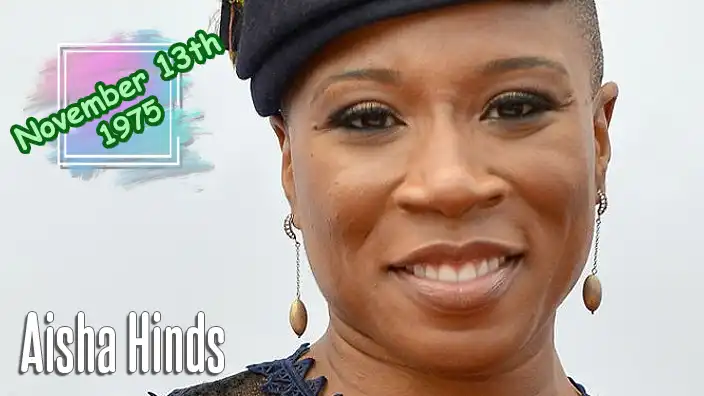
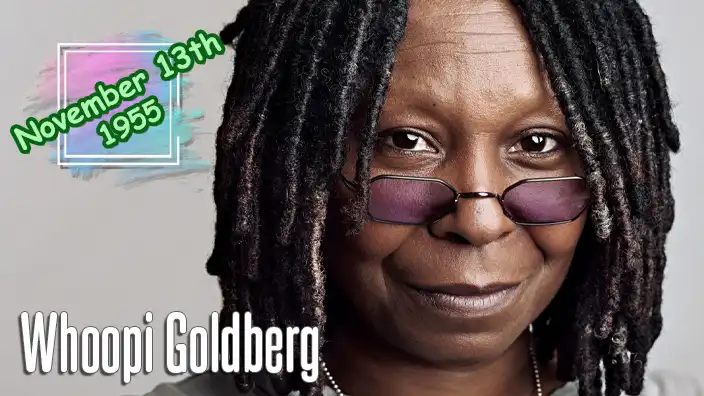
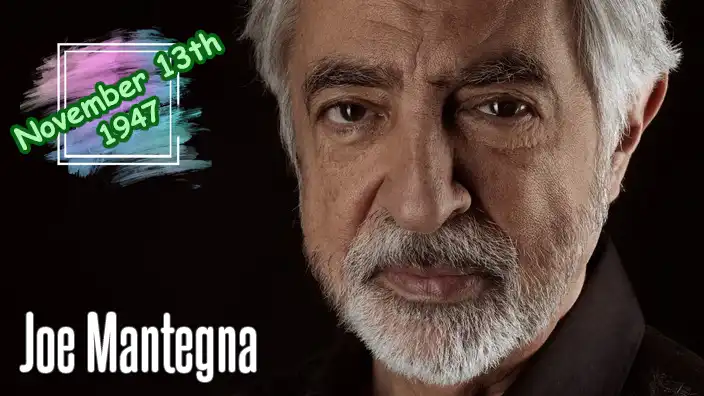
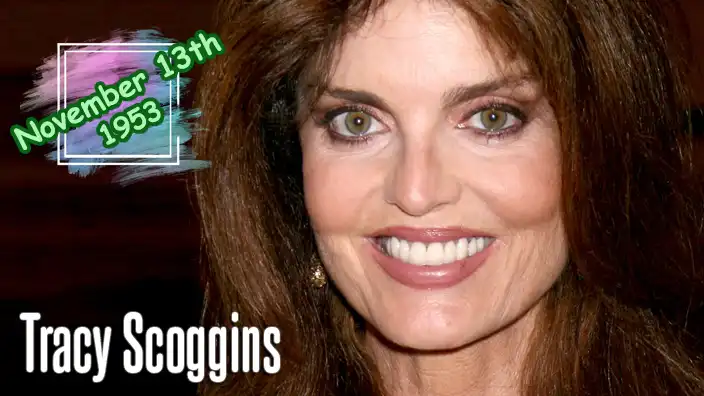
November 13, 1967, in Brooklyn, New York

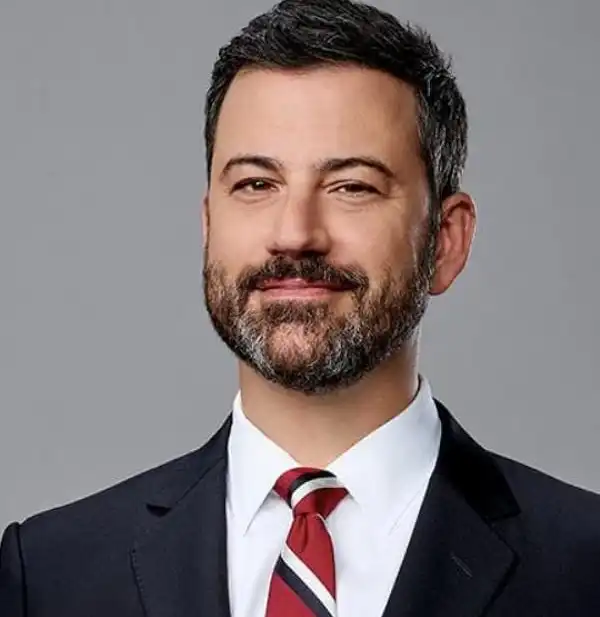
Jimmy Kimmel is an American television host, comedian, writer, producer, and one of the most recognizable personalities in late-night entertainment. Best known as the host and executive producer of ABC's Jimmy Kimmel Live!, he has built a remarkable career combining celebrity interviews, political satire, elaborate comedy sketches, and an unmistakably mischievous sense of humor. Born James Christian Kimmel on November 13, 1967, in Brooklyn, New York, he began his professional journey in radio before becoming a major figure in American television. His ability to turn everyday absurdities into memorable comedy has helped him remain relevant through changing audiences, shifting television habits, and enough celebrity scandals to keep an entire writers' room employed for several lifetimes.
Kimmel grew up in a close-knit family with Italian and German ancestry, the eldest of three children born to James and Joan Kimmel. His father worked for IBM, while his mother was a homemaker who later became involved in charitable activities. When Jimmy was nine, the family relocated from Brooklyn to Las Vegas, Nevada, where he spent much of his childhood and adolescence. Growing up in a city famous for extravagant entertainment, colorful personalities, and people making questionable decisions probably provided an excellent education for a future comedian. As a teenager, Kimmel developed a fascination with radio broadcasting and television comedy, particularly the work of David Letterman, whose unconventional humor and playful disregard for traditional talk-show conventions would become a major influence on his career.
After graduating from Ed W. Clark High School in Las Vegas, Kimmel attended the University of Nevada, Las Vegas, and later Arizona State University, although he did not complete a degree. Instead, he found himself increasingly attracted to broadcasting, gaining early experience at college radio stations and discovering that he preferred entertaining listeners to sitting through lectures. His enthusiasm for radio eventually developed into a professional career, beginning in the late 1980s and taking him through stations in cities including Seattle, Phoenix, Tampa, Tucson, and Palm Springs. The journey was hardly glamorous, involving changing jobs, unpredictable employment, and the constant challenge of persuading radio audiences that whatever he was saying deserved their attention. Fortunately, Kimmel had already developed the conversational humor and quick thinking that would become his professional trademarks.
His career gained considerable momentum when he joined the popular Los Angeles radio program The Kevin and Bean Show on KROQ-FM, where he became known as "Jimmy the Sports Guy." Despite the title, his contributions frequently involved comedy, irreverent observations, and entertaining exchanges rather than straightforward sports reporting. His work introduced him to a larger audience and helped establish connections within the entertainment industry, including a friendship and professional partnership with comedian Adam Carolla. Their shared enthusiasm for unconventional humor would eventually lead to several television projects. Kimmel's radio background also taught him the importance of timing, spontaneity, and keeping audiences entertained when absolutely nothing interesting was happening—a skill that remains useful whenever a celebrity interview begins with a lengthy explanation of someone's latest diet.
Kimmel made his breakthrough into national television in 1997 when he joined Comedy Central's game show Win Ben Stein's Money. The program featured contestants competing against economist, actor, and political commentator Ben Stein in a challenging trivia competition, with Kimmel providing comic commentary and an energetic contrast to Stein's famously dry delivery. The unlikely combination proved highly entertaining, and Kimmel's quick wit helped transform what might otherwise have been a fairly conventional quiz show into a distinctive comedy success. In 1999, Kimmel and Stein shared a Daytime Emmy Award for Outstanding Game Show Host, giving Kimmel an important early television achievement. It was a particularly satisfying accomplishment for someone who had left college without a degree, although winning an Emmy alongside a man celebrated for his intellectual knowledge probably provided sufficient academic compensation.
In 1999, Kimmel and Adam Carolla launched The Man Show on Comedy Central, a comedy program built around sketches, interviews, audience participation, and deliberately outrageous humor. The series became known for its provocative jokes, exaggerated masculine stereotypes, and willingness to push the boundaries of television comedy. Although successful with its target audience, the show's style also attracted criticism, and some of its material has aged considerably less gracefully than its creators might have hoped. Nevertheless, The Man Show helped establish Kimmel as a recognizable television personality and demonstrated his ability to develop original entertainment formats. He and Carolla also collaborated with producer Daniel Kellison to establish Jackhole Industries, a production company responsible for several comedy projects that would help shape the next phase of Kimmel's career.
Among the company's most memorable creations was Crank Yankers, which premiered on Comedy Central in 2002. The unusual program combined real prank telephone calls with puppet characters acting out the conversations, producing a bizarre mixture of improvisational comedy and elaborate visual absurdity. The concept allowed comedians to create outrageous situations while the unsuspecting people answering the telephone attempted to make sense of increasingly ridiculous requests. Kimmel served as a co-creator, executive producer, and performer, helping develop a show that became a cult favorite and later returned for additional seasons. It also demonstrated that television comedy did not necessarily require expensive sets, complicated storylines, or even human actors on screen. Sometimes a puppet, a telephone, and someone with an extremely questionable sense of humor were more than sufficient.
Kimmel's defining professional achievement arrived on January 26, 2003, when Jimmy Kimmel Live! premiered on ABC. The late-night talk show initially faced considerable competition from established television personalities, including Jay Leno, David Letterman, and Conan O'Brien. Unlike traditional late-night hosts who relied heavily on polished monologues and carefully structured interviews, Kimmel embraced a more relaxed, unpredictable approach influenced by his radio experience. His program featured celebrity guests, musical performances, comedy sketches, audience interaction, and recurring segments that frequently blurred the line between professional television production and an elaborate practical joke. Despite its title, Jimmy Kimmel Live! is generally recorded before its broadcast, a small technical detail that has undoubtedly disappointed viewers expecting to witness television history unfolding in real time.
Over the years, Jimmy Kimmel Live! developed a distinctive identity through recurring comedy features that became popular far beyond its television audience. One of the best-known segments, Mean Tweets, invited celebrities, athletes, and other public figures to read insulting messages posted about them on social media. The humor came from watching famous personalities confront the occasionally astonishing creativity of people who apparently had nothing better to do with their internet connections. Another popular feature, Lie Witness News, involved interviewing unsuspecting members of the public about completely fabricated events, often revealing just how confidently people can discuss subjects they know absolutely nothing about. These segments became widely shared online, helping Kimmel's program reach younger audiences and demonstrating the growing importance of digital entertainment.
Another enduring feature of Kimmel's television career is his elaborate fictional feud with actor Matt Damon. The running joke began when Kimmel started ending episodes by apologizing to Damon for supposedly running out of time to interview him, despite the actor not actually being scheduled to appear. The joke eventually developed into an elaborate series of sketches, surprise appearances, and celebrity collaborations. One of the most memorable installments came in 2008, when comedian Sarah Silverman appeared in a humorous music video claiming a romantic relationship with Damon. Kimmel responded with his own star-studded musical parody involving Ben Affleck, turning the fictional rivalry into a major entertainment event. The ongoing feud became one of late-night television's most recognizable jokes, demonstrating that two successful entertainers can spend years pretending to dislike each other while apparently having a wonderful time doing it.
Kimmel's willingness to involve ordinary families in his comedy produced another widely recognized television tradition: the annual Halloween candy prank. In these segments, parents recorded their children's reactions after falsely claiming they had eaten all the candy collected during trick-or-treating. The resulting videos ranged from surprisingly forgiving responses to emotional meltdowns that made it clear just how seriously some children regard their annual sugar supply. Although the prank occasionally attracted criticism from viewers who considered it unnecessarily upsetting, the segment became one of the show's most popular recurring features. It also demonstrated a universal truth about childhood: telling a small child that their Halloween candy has disappeared is an excellent way to discover exactly how much negotiating power that child believes they possess.
Beyond his regular television program, Kimmel has become a familiar host of major entertainment award ceremonies. He hosted the Primetime Emmy Awards in 2012, 2016, and 2020, and the Academy Awards in 2017, 2018, 2023, and 2024. His appearances combined topical humor, celebrity jokes, and the difficult responsibility of keeping lengthy ceremonies entertaining while ensuring that winners had sufficient time to thank everyone from their families to their childhood piano teachers. His first Academy Awards hosting appearance in 2017 coincided with the notorious Best Picture announcement mistake, when La La Land was initially declared the winner before the award was correctly presented to Moonlight. Kimmel handled the extraordinary confusion with humor, although it was hardly the sort of unscripted entertainment any Oscar host would deliberately request.
Kimmel has also worked extensively as a television producer, developing and supporting entertainment programs beyond his own talk show. His production credits include The Andy Milonakis Show, Sports Show with Norm Macdonald, and Generation Gap. He collaborated with legendary television producer Norman Lear on Live in Front of a Studio Audience, a series of specials recreating episodes of classic American sitcoms with contemporary performers. These productions celebrated influential television programs including All in the Family, The Jeffersons, Good Times, and The Facts of Life, introducing familiar stories to new audiences while honoring the performers and writers who helped establish American television comedy. The specials earned critical recognition and Emmy Awards, demonstrating Kimmel's appreciation for television history as well as his enthusiasm for creating new entertainment.
Another significant chapter of his career began when he took over hosting duties on ABC's revival of Who Wants to Be a Millionaire in 2020. The program challenged contestants with increasingly difficult multiple-choice questions as they competed for substantial cash prizes, combining intellectual competition with the familiar tension of potentially losing a fortune over an answer that suddenly seemed much less obvious than it had thirty seconds earlier. Kimmel's conversational hosting style provided a different atmosphere from earlier versions of the show, and his work earned him additional Emmy recognition, including awards for Outstanding Host for a Game Show. His return to quiz-show television also brought his career full circle, recalling the early success he enjoyed alongside Ben Stein.
Kimmel's personal life has occasionally become an important part of his public work. He married television writer and producer Molly McNearney in 2013, and the couple have two children together. Kimmel also has two older children from his previous marriage to Gina Maddy. McNearney has played a major creative role in Jimmy Kimmel Live!, serving as a writer and executive producer, making the program something of a family enterprise. In 2017, Kimmel delivered an emotional monologue describing the serious congenital heart condition affecting his newborn son, Billy, and the medical treatment he required. The experience prompted Kimmel to speak publicly about children's healthcare and access to medical treatment, revealing a more personal side of a comedian generally associated with jokes, pranks, and celebrity interviews.
His career has also included political satire and commentary on major national events, particularly through the opening monologues of Jimmy Kimmel Live!. While late-night television has a long tradition of political humor, Kimmel's approach has increasingly incorporated personal opinions, public policy discussions, and direct criticism of political figures. His commentary has attracted both enthusiastic support and strong opposition, reflecting the increasingly divided audience for political entertainment. In September 2025, ABC temporarily suspended his program following controversial remarks concerning the killing of conservative activist Charlie Kirk. The decision prompted widespread debate about free expression, broadcaster responsibilities, and political pressure in entertainment. The program subsequently returned to the air, and Kimmel continued hosting, illustrating how his career has evolved from lighthearted comedy into a prominent position within America's broader cultural conversations.
Throughout his professional life, Kimmel has received numerous awards and honors recognizing his contributions to television. In January 2013, he received a star on the Hollywood Walk of Fame, appropriately located near the theater where his late-night program is recorded. He was also included in Time magazine's list of the world's 100 most influential people in 2018. His Emmy recognition spans several decades and multiple television formats, reflecting accomplishments as a host, writer, producer, and comedian. His longevity is particularly notable in an entertainment industry where audience preferences change rapidly and television personalities must compete not only with rival networks but also with streaming services, social media platforms, podcasts, and an apparently endless supply of people filming themselves doing peculiar things on the internet.
Jimmy Kimmel's enduring success reflects his ability to adapt to changing entertainment trends without abandoning the conversational humor that first established his reputation. From local radio stations and unconventional Comedy Central programs to award-winning television productions and internationally recognized celebrity interviews, he has built a career around the simple idea that people enjoy being entertained by someone who seems genuinely interested in making them laugh. His comedy has evolved considerably over the years, incorporating more personal storytelling and social commentary while retaining the practical jokes, celebrity rivalries, and unpredictable sketches that made his program famous. Whether introducing a Hollywood superstar, delivering a pointed monologue, or once again explaining that Matt Damon has unfortunately been bumped from the schedule, Kimmel remains a distinctive presence in American television entertainment.
ABC – Jimmy Kimmel Live! – Official program information, episodes, and entertainment features. ABC Press – Jimmy Kimmel Biography – Broadcasting career, television production, and professional achievements. Television Academy – Jimmy Kimmel – Emmy Awards, nominations, and television accomplishments. Hollywood Walk of Fame – Jimmy Kimmel – Official recognition and Hollywood Walk of Fame ceremony. Biography – Jimmy Kimmel – Early life, radio career, family background, and television success. TV Guide – Jimmy Kimmel Biography – Career highlights, entertainment projects, and television trivia. ABC News – Jimmy Kimmel Contract Extension – December 2025 reporting on his continued late-night television career.References & Sources