May 14, 1944, in Modesto, California
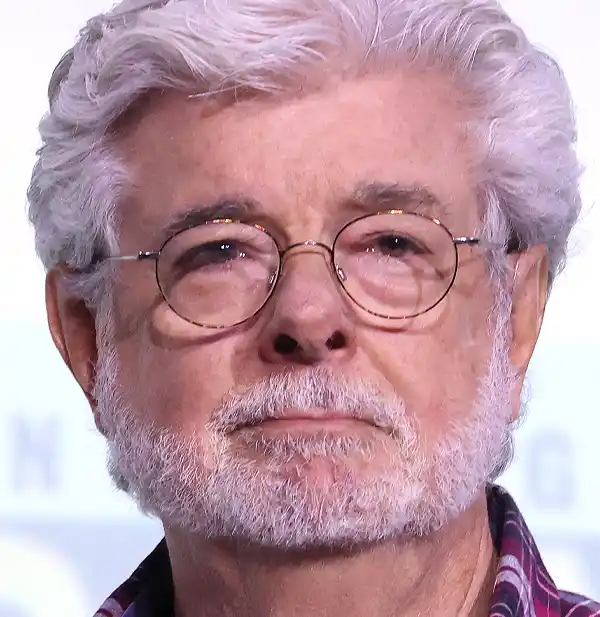
On May 14, we celebrate the birthday of George Lucas, the filmmaker who didn’t just make movies—he built entire galaxies and invited the rest of us to move in. Born in 1944 in Modesto, California, Lucas grew up with a love of cars, cameras, and storytelling. He originally dreamed of becoming a race car driver, but a serious crash as a teenager changed his path. The experience nudged him toward filmmaking, a decision that ended up reshaping modern entertainment.
Lucas studied at the University of Southern California’s School of Cinematic Arts, where he began developing his unique visual style. His early work caught the attention of fellow filmmaker Francis Ford Coppola, and the two formed a production company together. Lucas’s first major success came with American Graffiti in 1973, a nostalgic, music-filled look at teenage life in early-1960s California. Made on a modest budget, it became a massive hit and earned multiple Academy Award nominations, proving that Lucas had a strong instinct for what audiences would connect with.
Then came the project that would change everything. In 1977, Lucas released Star Wars, a space fantasy that blended mythology, adventure serials, and cutting-edge special effects. At the time, few people expected much from a movie about farm boys, smugglers, and laser swords. Instead, it became a cultural earthquake. Audiences lined up around the block, kids turned bedrooms into miniature star systems, and suddenly everyone knew what a Wookiee was.
Lucas didn’t just create a successful film; he changed how movies were made and marketed. He negotiated to keep the merchandising rights for Star Wars, a move that Hollywood once considered foolish. It turned out to be one of the smartest deals in entertainment history. Action figures, lunchboxes, video games, novels, and theme park attractions followed, creating a multimedia empire that still thrives today.
He also revolutionized film technology. Lucas founded Industrial Light & Magic, which pushed visual effects into new territory and helped shape everything from Indiana Jones to Jurassic Park. He later launched Skywalker Sound and helped develop the THX sound system, raising the standard for movie audio in theaters around the world. Long before digital filmmaking became common, Lucas was investing in computer-based editing, sound, and visual effects, helping to move the entire industry forward.
In the late 1990s and early 2000s, Lucas returned to the Star Wars universe with the prequel trilogy, exploring the fall of Anakin Skywalker and the rise of Darth Vader. While fans debated the details, the films proved that the galaxy far, far away still had the power to draw huge audiences and spark conversation across generations.
In 2012, Lucas sold Lucasfilm to Disney, passing the lightsaber to a new creative team while ensuring that the saga he started would continue. The sale also allowed him to focus on philanthropy, education, and personal projects. He has donated large portions of his fortune to charitable causes, particularly those related to learning and creativity.
George Lucas’s influence goes far beyond one franchise. He helped turn blockbuster filmmaking into a global phenomenon, pushed technical boundaries, and reminded audiences that big stories about heroes, villains, and redemption still resonate. Without him, the movie landscape—and probably a few childhood toy boxes—would look very different.
On his birthday, it’s worth tipping a hat to the man who taught generations to “trust the Force,” embrace adventure, and never underestimate the power of a good story… or a small green mentor with a fondness for speaking backwards.