October 29, 1980, in Boston, Massachusetts

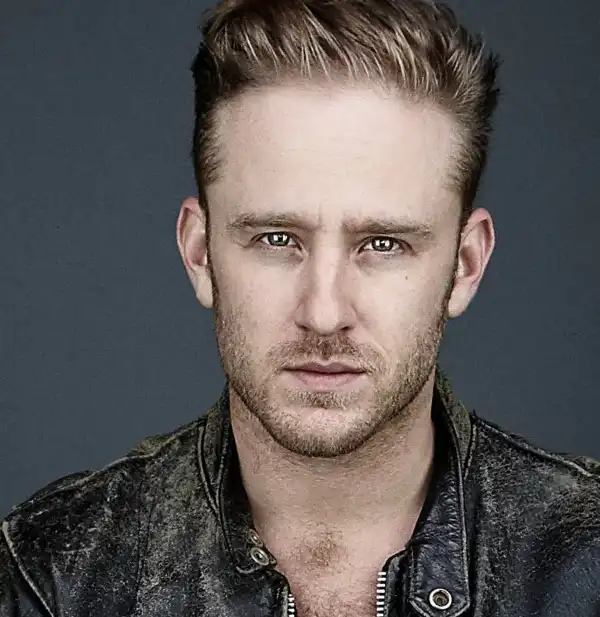
Ben Foster was born Benjamin A. Foster on October 29, 1980, in Boston, Massachusetts, to Steven Foster and Gillian Kirwan, who operated restaurants. His family later moved to Fairfield, Iowa, where he spent much of his childhood. Although Boston provided his birthplace, the smaller Midwestern community offered the environment in which his interest in acting began to develop. His younger brother, Jon Foster, also pursued an acting career, making performance an important part of the family's professional history. Long before Ben became known for portraying dangerous criminals, troubled soldiers, and emotionally complicated outsiders, he was a young theater enthusiast with an unusually strong determination to become a professional actor.
Growing up in Fairfield, Foster discovered an active local theater community that encouraged his early interest in performing. He participated in community productions, including a staging of You're a Good Man, Charlie Brown, an experience that introduced him to the excitement of creating a character before a live audience. His enthusiasm quickly developed beyond simply memorizing dialogue and appearing on stage. He began writing and directing his own material, demonstrating an interest in the creative process that would later influence his approach to film roles. At twelve, he wrote, directed, and performed in a play that received second place in an international competition for young playwrights, an impressive achievement for someone who had barely reached the point where most children begin complaining seriously about homework.
Foster continued developing his acting abilities through formal training, attending the Interlochen Arts Camp in Michigan during his teenage years. The experience provided exposure to theatrical techniques, disciplined rehearsals, and other young performers pursuing professional ambitions. Unlike many aspiring actors who gradually enter the entertainment industry after completing their education, Foster made an unusually early commitment to his chosen profession. He left high school and moved to Los Angeles at sixteen, determined to establish himself as an actor. The decision involved considerable uncertainty, particularly in an industry where enthusiasm and talent do not automatically produce employment, but his determination soon began producing results.
One of Foster's earliest major opportunities came with the Disney Channel series Flash Forward, which premiered in 1995. He portrayed Tucker James, a teenager navigating friendship, school, family relationships, and the awkward complications of adolescence. The series also starred Jewel Staite as Becca Fisher, Tucker's longtime friend and neighbor. Together, the characters explored familiar teenage experiences through humor and everyday situations, introducing Foster to a young television audience. His performance demonstrated an appealing naturalness and comic ability, although the wholesome atmosphere of the program offered little indication of the darker and more psychologically demanding characters that would later define much of his career.
Following Flash Forward, Foster continued pursuing television and film opportunities, gradually establishing himself as a promising young performer. He appeared in the television movie I've Been Waiting for You (1998) and gained wider attention with Barry Levinson's Liberty Heights (1999), a coming-of-age drama set in 1950s Baltimore. Foster portrayed Ben Kurtzman, a Jewish teenager confronting social prejudice, romantic complications, and the changing cultural expectations of postwar America. The film explored issues of race, religion, identity, and family relationships, providing Foster with an opportunity to portray a thoughtful and emotionally sensitive character. His performance demonstrated an ability to communicate internal conflict without relying upon exaggerated gestures or dramatic speeches.
In 2001, Foster appeared in Get Over It, a teenage romantic comedy starring Kirsten Dunst, Sisqó, and Melissa Sagemiller. He portrayed Berke Landers, a high-school student attempting to recover from a romantic breakup while becoming involved in a school production of Shakespeare's A Midsummer Night's Dream. The film combined romantic confusion, musical performances, and the familiar humiliations of teenage life. Foster's performance revealed a lighter side of his acting abilities, demonstrating that he could successfully portray an awkward romantic lead as well as the more intense characters that would later attract critical attention. At this stage, audiences could still reasonably imagine him becoming a regular fixture in Hollywood romantic comedies.
A major turning point arrived with Bang Bang You're Dead (2002), a television drama examining bullying, alienation, school violence, and the emotional consequences of social rejection. Foster portrayed Trevor Adams, a troubled student whose experiences with harassment and isolation lead others to fear that he might become violent. The story follows Trevor's involvement in a controversial school play while exploring the importance of communication, understanding, and intervention. Foster delivered a powerful performance that captured the character's anger, vulnerability, and desperation without reducing him to a simple stereotype. His work earned a Daytime Emmy Award for Outstanding Performer in a Children's Special, providing important recognition for his dramatic abilities.
Foster's willingness to explore psychologically complicated characters continued with his recurring role in the acclaimed HBO drama Six Feet Under. Between 2003 and 2005, he portrayed Russell Corwin, an art student whose relationship with Claire Fisher, played by Lauren Ambrose, becomes increasingly complicated. The series examined mortality, family relationships, identity, and emotional uncertainty through the experiences of a family operating a funeral home. Foster's character contributed to the show's exploration of artistic ambition, sexuality, and personal insecurity, allowing him to develop a nuanced performance within one of television's most critically respected dramas. His involvement demonstrated that he could hold his own within an ensemble known for sophisticated writing and emotionally demanding material.
During the early 2000s, Foster also began appearing in increasingly prominent film roles. In The Punisher (2004), starring Thomas Jane, he portrayed Spacker Dave, an eccentric young man who becomes an unlikely ally of the film's troubled vigilante. Although the movie emphasized violent action and comic-book revenge, Foster brought humor and humanity to his supporting character. He followed this with Hostage (2005), a crime thriller starring Bruce Willis, in which he played Mars Krupcheck, a dangerously unstable young criminal involved in a violent home invasion. The role allowed Foster to explore a frighteningly unpredictable personality, helping establish his reputation for portraying characters whose behavior could change from quiet menace to explosive violence with very little warning.
That reputation became even stronger with Alpha Dog (2006), directed by Nick Cassavetes and inspired by the real-life kidnapping and murder of Nicholas Markowitz. Foster portrayed Jake Mazursky, a volatile young man whose drug-related disputes contribute to a rapidly escalating criminal situation. The ensemble included Emile Hirsch, Justin Timberlake, Anton Yelchin, and Sharon Stone. Foster's performance was notable for its intensity, emotional instability, and frightening unpredictability. He approached the character with considerable commitment, creating a portrait of a young man whose anger and desperation overwhelm his judgment. The film reinforced Foster's standing as an actor willing to portray deeply unpleasant individuals without attempting to make their behavior attractive or acceptable.
Foster entered the superhero genre with X-Men: The Last Stand (2006), portraying Warren Worthington III, also known as Angel. The character is a young mutant whose enormous feathered wings become a source of conflict within his wealthy family. His father supports the development of a treatment intended to suppress mutant abilities, while Warren struggles to accept his identity and resist the pressure to conform. Although the film featured an extensive ensemble of established superheroes, Foster's character provided a memorable representation of the franchise's recurring themes of difference, prejudice, and self-acceptance. His transformation into a winged mutant also demonstrated that even actors known for gritty realism occasionally find themselves suspended above a film set wearing equipment that would make airport security extremely nervous.
One of Foster's most acclaimed performances came in 3:10 to Yuma (2007), directed by James Mangold and starring Russell Crowe and Christian Bale. A remake of the classic 1957 Western, the film follows struggling rancher Dan Evans as he attempts to escort notorious outlaw Ben Wade to a train that will transport him to prison. Foster portrayed Charlie Prince, Wade's fiercely loyal and exceptionally dangerous second-in-command. Dressed in a distinctive hat and coat, Charlie combines calm confidence with an alarming willingness to resort to violence. Foster's performance made the character one of the film's most memorable figures, demonstrating that a supporting villain could command attention even while sharing the screen with two established leading men.
Charlie Prince became particularly memorable because Foster avoided portraying him as a conventional Western outlaw. His character possessed an almost elegant composure, speaking quietly while demonstrating extraordinary ruthlessness whenever his loyalty to Wade was threatened. Foster's precise physical movements, watchful expressions, and controlled delivery created a sense of danger that extended beyond the film's gunfights. His performance attracted considerable critical praise and helped establish him as one of Hollywood's most compelling character actors. The film also demonstrated that a villain does not necessarily need to shout, threaten, or announce his intentions. Sometimes a quiet smile and a carefully positioned revolver communicate everything an audience needs to know.
Foster continued exploring horror and science fiction with 30 Days of Night (2007), a vampire thriller set in an isolated Alaskan town during a prolonged period of winter darkness. He portrayed a mysterious stranger whose arrival precedes a terrifying vampire attack. His unsettling performance contributed to the film's atmosphere of dread, emphasizing the vulnerability of a community cut off from daylight and outside assistance. He later starred in Pandorum (2009), a science-fiction horror film set aboard a seemingly abandoned spacecraft. Playing Corporal Bower, Foster portrayed a crew member attempting to understand the disturbing circumstances surrounding his awakening from suspended animation. The film combined psychological suspense with survival horror, giving Foster another opportunity to explore fear, confusion, and human resilience.
In The Messenger (2009), directed by Oren Moverman, Foster delivered one of his most emotionally demanding performances. He portrayed Staff Sergeant Will Montgomery, a soldier recovering from combat injuries who is assigned to the United States Army's Casualty Notification Service. Working alongside Captain Tony Stone, played by Woody Harrelson, Montgomery must deliver devastating news to the families of service members killed in action. The film examines grief, emotional isolation, military responsibility, and the psychological consequences of war. Foster's restrained performance conveyed the difficulty of carrying out an assignment that requires professional composure while confronting overwhelming human suffering.
The Messenger received widespread critical acclaim, with particular praise directed toward Foster and Harrelson. Harrelson received an Academy Award nomination for Best Supporting Actor, while the film earned another nomination for its original screenplay. Foster's portrayal of Montgomery demonstrated a remarkable ability to communicate emotional distress through subtle expressions, silences, and physical behavior. Rather than relying upon dramatic speeches, he allowed the character's internal struggles to emerge gradually, creating a performance that felt painfully authentic. The role strengthened his reputation as an actor capable of bringing emotional depth to difficult subjects without unnecessary theatricality.
Foster continued appearing in action and crime productions, including The Mechanic (2011), starring Jason Statham. He portrayed Steve McKenna, a young man who becomes involved in the dangerous profession of contract killing after the death of his father. The film combined elaborate action sequences with themes of loyalty, deception, and revenge. Foster also appeared in Contraband (2012), starring Mark Wahlberg, portraying Sebastian Abney, a troubled associate whose personal problems create serious complications for the film's central characters. These projects demonstrated his versatility within commercially oriented action cinema, where his unpredictable screen presence often added tension to otherwise familiar storylines.
In 2013, Foster appeared in Lone Survivor, directed by Peter Berg and based on the experiences of Navy SEAL Marcus Luttrell during Operation Red Wings in Afghanistan. Foster portrayed Matthew "Axe" Axelson, one of the American service members involved in the ill-fated mission. The film starred Mark Wahlberg, Taylor Kitsch, and Emile Hirsch, depicting the extraordinary dangers faced by a small military reconnaissance team during a devastating confrontation with enemy fighters. Foster approached the role with considerable physical preparation and attention to the responsibilities of portraying a real service member. The film's demanding action sequences and emotionally intense subject matter required both physical endurance and sensitivity toward the individuals whose experiences inspired the production.
That same year, Foster appeared in Kill Your Darlings (2013), portraying writer William S. Burroughs in a drama exploring the early relationships among members of the Beat Generation. The film starred Daniel Radcliffe as Allen Ginsberg and Dane DeHaan as Lucien Carr, examining artistic rebellion, friendship, and a murder that influenced the lives of several young writers. Foster's portrayal of Burroughs reflected his interest in unusual personalities and unconventional historical figures. His ability to move between military dramas, action thrillers, and literary biographies demonstrated a willingness to pursue roles based upon their creative challenges rather than simply their commercial potential.
Foster undertook another demanding transformation for The Program (2015), directed by Stephen Frears. He portrayed professional cyclist Lance Armstrong in a biographical drama examining Armstrong's career and the doping scandal that eventually destroyed his competitive reputation. The role required Foster to reproduce the physical appearance, competitive intensity, and complicated personality of one of professional cycling's most controversial figures. He underwent extensive preparation to portray the cyclist, including demanding physical training and research into Armstrong's professional history. Foster later acknowledged using performance-enhancing substances during preparation, a decision that generated concern and controversy. His commitment illustrated both the intensity of his acting methods and the potential risks associated with extreme attempts to inhabit a character.
In 2016, Foster appeared in several major productions, including Warcraft, the fantasy adventure based on the popular video-game franchise, and Inferno, directed by Ron Howard and starring Tom Hanks. In Warcraft, he portrayed Medivh, a powerful guardian whose magical abilities and troubled circumstances become central to the conflict between humans and orcs. In Inferno, he played Bertrand Zobrist, a wealthy scientist whose radical beliefs about population growth create a dangerous international mystery. These roles allowed Foster to explore large-scale fantasy and thriller productions while maintaining his preference for complicated characters with strong convictions and questionable methods.
However, his most celebrated performance of 2016 came in Hell or High Water, directed by David Mackenzie and written by Taylor Sheridan. The modern Western crime drama starred Chris Pine as Toby Howard and Foster as his older brother, Tanner Howard, two men who embark upon a series of bank robberies in economically struggling West Texas. Their actions attract the attention of a determined Texas Ranger, played by Jeff Bridges, who begins pursuing them across the region. The film combines suspense, family loyalty, economic frustration, and moral ambiguity, presenting a story in which the distinction between desperation and criminality becomes increasingly complicated.
Foster's portrayal of Tanner Howard became one of the film's defining elements. Tanner is impulsive, reckless, fiercely loyal, and often dangerously enthusiastic about situations that would cause most sensible people to reconsider their immediate plans. Beneath his unpredictable behavior, however, Foster reveals a character whose devotion to his younger brother shapes many of his decisions. The relationship between Tanner and Toby provides the emotional foundation of the story, with Foster and Pine creating a convincing portrait of brothers whose personalities differ dramatically but whose shared history binds them together. Tanner's willingness to embrace danger makes him both entertaining and tragic, particularly as the consequences of the brothers' actions become increasingly unavoidable.
Hell or High Water received widespread critical acclaim and earned four Academy Award nominations, including Best Picture. Foster's performance was praised for its intensity, humor, and emotional complexity, earning him the Independent Spirit Award for Best Supporting Male. The recognition represented an important milestone in his career, demonstrating that his distinctive approach to character acting could attract major awards attention. His portrayal of Tanner Howard remains among his most widely admired performances, combining the menace of his earlier villains with the vulnerability and humanity that distinguish his strongest dramatic work.
Foster followed this success with Hostiles (2017), directed by Scott Cooper and starring Christian Bale and Rosamund Pike. Set in the American West during the nineteenth century, the film examines violence, prejudice, trauma, and the difficult consequences of frontier conflict. Foster portrayed Sergeant Charles Wills, a troubled soldier whose experiences reflect the psychological damage inflicted by prolonged exposure to violence. The film's serious subject matter and bleak atmosphere provided another opportunity for Foster to explore characters shaped by trauma and moral uncertainty. His performance contributed to a story concerned with the lasting human consequences of conflict rather than the romanticized heroism frequently associated with traditional Westerns.
In 2018, Foster delivered one of his most sensitive and critically admired performances in Leave No Trace, directed by Debra Granik and adapted from Peter Rock's novel My Abandonment. He portrayed Will, a military veteran living with his teenage daughter, Tom, in a forested public park near Portland, Oregon. The pair survive through careful routines, limited possessions, and a strong emotional bond, attempting to remain separate from conventional society. Their isolated existence is disrupted when authorities discover their campsite and attempt to help them establish a more stable life. The film explores trauma, independence, parenting, and the difficult balance between personal freedom and social responsibility.
Foster's performance in Leave No Trace is remarkable for its restraint. Unlike the explosive personalities he portrayed in films such as 3:10 to Yuma and Hell or High Water, Will is quiet, withdrawn, and deeply uncomfortable with ordinary social expectations. Foster communicates the character's psychological struggles through small gestures, guarded expressions, and carefully controlled reactions. His relationship with Tom, played by Thomasin McKenzie, forms the emotional center of the film, revealing a father who genuinely loves his daughter but cannot provide the stability she increasingly needs. Their contrasting desires create a heartbreaking conflict in which neither character can simply be dismissed as unreasonable or selfish.
Leave No Trace received extraordinary critical acclaim, with particular attention directed toward the performances of Foster and McKenzie. Critics praised the film's naturalistic storytelling, emotional intelligence, and refusal to reduce complicated personal circumstances to easy explanations. Foster's portrayal of Will demonstrated his ability to create a powerful character through understatement rather than intensity, reinforcing his reputation as one of the most versatile actors of his generation. The film also highlighted the experiences of military veterans struggling with psychological trauma and reintegration into civilian life, presenting these issues with sensitivity and compassion.
That same year, Foster starred in Galveston (2018), directed by Mélanie Laurent and adapted from Nic Pizzolatto's novel. He portrayed Roy Cady, a criminal enforcer who discovers that his employer intends to have him killed. Escaping a dangerous situation, Roy becomes involved with a young woman played by Elle Fanning, leading to a desperate journey along the Gulf Coast. The film combined crime drama with themes of regret, survival, and unexpected human connection. Foster brought emotional depth to a character whose violent profession contrasts with his growing desire to protect someone more vulnerable than himself.
In 2021, Foster portrayed Holocaust survivor and professional boxer Harry Haft in The Survivor, directed by Barry Levinson. The film, which received its television premiere on HBO in 2022, tells the story of a Polish Jewish prisoner forced to participate in brutal boxing matches while imprisoned in Nazi concentration camps. Following the war, Haft attempts to rebuild his life while confronting the psychological consequences of his experiences. Foster underwent a demanding physical transformation for the role, portraying the character across different periods of his life. The performance required considerable emotional sensitivity, particularly in scenes exploring survival, guilt, and the lasting effects of unimaginable trauma.
The Survivor represented another example of Foster's interest in characters whose lives have been profoundly shaped by extraordinary circumstances. Rather than portraying Haft simply as a heroic survivor, he explored the complicated emotional consequences of experiences that continued influencing the character long after the war ended. The film combined historical drama, boxing sequences, and intimate personal storytelling, allowing Foster to demonstrate both physical commitment and psychological depth. His performance received praise for its seriousness and emotional honesty, contributing to a body of work increasingly associated with challenging historical and contemporary subjects.
Foster continued appearing in diverse productions during 2022, including The Contractor, an action thriller starring Chris Pine, and Hustle, a basketball drama starring Adam Sandler. In The Contractor, he portrayed Mike Hawkins, a former soldier involved in dangerous private military operations. In Hustle, he played Vince Merrick, a basketball executive whose professional decisions create obstacles for Sandler's character, a determined talent scout. The contrast between the two roles demonstrated Foster's ability to move between military action and sports drama while bringing credibility to characters operating within very different professional environments.
He also starred in Medieval (2022), portraying Jan Žižka, the historical Czech military commander whose leadership and battlefield tactics made him a significant figure in European history. The film combined historical action with political intrigue, requiring Foster to portray a warrior navigating violent conflicts and competing loyalties. That same year, he appeared in Emancipation, directed by Antoine Fuqua and starring Will Smith, playing a relentless pursuer of an escaped enslaved man. The role once again placed Foster in the position of portraying a deeply antagonistic character, emphasizing his willingness to explore disturbing aspects of human behavior without attempting to soften their consequences.
In Finestkind (2023), Foster portrayed Tom Eldridge, a fisherman whose relationship with his younger half-brother becomes entangled in dangerous circumstances involving organized crime and the commercial fishing industry. The film, written and directed by Brian Helgeland, also starred Toby Wallace, Jenna Ortega, and Tommy Lee Jones. Foster's performance reflected his continuing interest in stories about family loyalty, economic pressure, and morally complicated decisions. The maritime setting also provided a distinctive backdrop for a crime drama, demonstrating that dangerous family disagreements are not necessarily improved by adding rough seas and expensive fishing equipment.
Foster's later projects included the psychological thriller Sharp Corner, in which he portrayed Josh McCall, a suburban husband and father who develops an unhealthy obsession with traffic accidents occurring near his home. The film explores anxiety, masculinity, emotional dissatisfaction, and the dangerous consequences of confusing reckless behavior with personal purpose. Foster's performance continues his longstanding interest in characters whose internal conflicts gradually produce disturbing outward behavior. Rather than presenting Josh as a conventional thriller protagonist, the story examines the uncomfortable gap between how a person imagines himself and how his actions affect the people around him.
In Christy (2025), Foster portrayed Jim Martin, the husband and trainer of pioneering professional boxer Christy Martin, played by Sydney Sweeney. The biographical sports drama examines Martin's rise within women's boxing alongside the controlling and abusive relationship that threatened her personal safety. Foster's role required him to portray a deeply troubling real-life figure, continuing his willingness to confront difficult material involving power, manipulation, and violence. The film offered another example of his preference for characters who challenge audiences rather than simply invite their admiration.
Foster has also explored theater, including appearing as Jamie Tyrone in a screen adaptation of Eugene O'Neill's Long Day's Journey into Night, alongside Jessica Lange, Ed Harris, and Colin Morgan. The production draws upon one of American drama's most celebrated plays, examining addiction, family conflict, disappointment, and emotional dependency within the Tyrone household. The role provided Foster with material well suited to his ability to portray deeply troubled individuals whose outward behavior conceals complicated personal suffering.
Beyond his professional work, Foster has generally maintained a relatively private personal life. He was previously in a relationship with actress Robin Wright, and later married actress Laura Prepon in 2018. The couple have two children, and their relationship became the subject of public attention when Prepon filed for divorce in 2024. Although his personal relationships have occasionally attracted entertainment coverage, Foster has generally avoided cultivating the constant public visibility associated with many Hollywood celebrities. His professional reputation rests primarily upon the characters he portrays rather than elaborate promotional campaigns or a carefully manufactured public persona.
One of Foster's defining professional characteristics is his unusually immersive approach to acting. He has frequently undertaken extensive research, physical preparation, and psychological exploration to understand his characters. His performances often involve changes in posture, speech, movement, and emotional behavior, allowing him to create personalities that feel distinct from one another. This commitment has produced some of his most acclaimed work, although certain preparation methods have also generated controversy. His approach reflects a determination to make characters believable, even when their behavior is disturbing or their circumstances are far removed from ordinary experience.
Foster's filmography is particularly notable for its variety. He has portrayed teenage romantics, violent criminals, soldiers, superheroes, historical figures, professional athletes, desperate fathers, and troubled outsiders. While many actors become closely associated with a particular type of character, Foster has repeatedly demonstrated a willingness to abandon familiar territory and explore new challenges. His strongest performances often reveal the humanity beneath difficult personalities, encouraging audiences to understand a character's motivations without necessarily approving of their decisions.
Throughout his career, Ben Foster has earned a reputation as one of American cinema's most compelling character actors. His performances in 3:10 to Yuma, The Messenger, Hell or High Water, and Leave No Trace demonstrate an extraordinary range, moving from explosive violence and reckless confidence to emotional restraint and quiet vulnerability. He has worked alongside some of Hollywood's most respected performers and directors while maintaining a distinctive approach to storytelling that places character development above conventional celebrity appeal.
Ben Foster's enduring contribution to film comes from his ability to make complicated characters feel authentic, even when their actions are frightening, frustrating, or morally indefensible. Whether portraying an outlaw willing to risk everything for his leader, a brother determined to protect his family, or a father struggling to reconcile love with psychological trauma, he brings remarkable intensity and emotional honesty to his work. His career demonstrates that memorable acting does not always require heroic speeches, glamorous surroundings, or characters audiences would particularly enjoy meeting in real life. Sometimes the most fascinating person on screen is the one everyone else would be wise to avoid. And in Ben Foster's case, that person is usually played exceptionally well.