May 16, 1969, in New York City
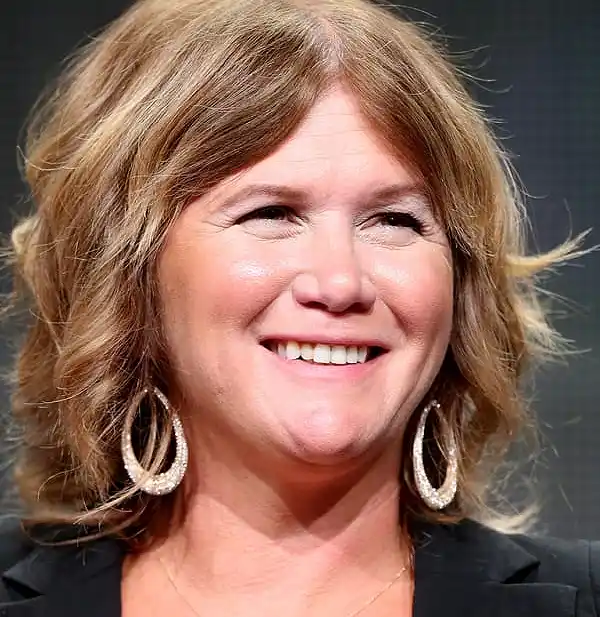
Tracey Gold, born May 16, 1969, in New York City, grew up in front of the camera long before she was old enough to drive herself to the studio. Best known as Carol Seaver on the hit 1980s sitcom Growing Pains, Gold became one of television’s most recognizable teen faces. But her story didn’t stop at sitcom fame. Over the years, she has built a life defined not just by acting, but by resilience, honesty, and advocacy.
Born Tracey Claire Fisher, she began acting at a remarkably young age. By four, she was already appearing in commercials, and by seven, she landed a role in the TV movie The Missiles of October (1974). While most kids her age were learning multiplication tables, Tracey was learning camera angles and hitting her marks. Her natural presence and warm screen personality led to a steady stream of television roles throughout the late 1970s and early 1980s.
Her big break arrived in 1985 when she was cast as Carol Seaver on Growing Pains. As the brainy, earnest, and occasionally awkward middle child, Carol was the voice of reason in a household that included a mischievous brother and a dad who treated life like one long dad-joke marathon. Gold’s performance struck a chord with viewers, and the show ran for seven successful seasons, turning her into a household name.
While audiences saw a cheerful sitcom family each week, life behind the scenes was more complicated. During her teenage years, Gold began struggling with anorexia nervosa, a battle made more difficult by the intense pressures of being a young actress in the public eye. At one point, her condition became so serious that she had to step away from Growing Pains to focus on her health. It was a difficult chapter, but one that would later shape her life’s work.
After the show ended, Gold continued acting in television movies and guest appearances, but she also began to speak openly about her experiences. Her honesty about her eating disorder resonated with audiences and helped bring attention to a subject that had long been misunderstood or ignored. She became a sought-after speaker and advocate, using her platform to support awareness and recovery efforts.
Offscreen, Gold has a down-to-earth personality and a few charming quirks. One of her favorite hobbies is knitting, which she picked up as a calming, therapeutic activity. It’s a far cry from the bright lights of a sitcom set, but it suits her well. There’s something refreshingly wholesome about the idea of a former teen star unwinding with a ball of yarn instead of a Hollywood after-party.
In addition to her advocacy work, Gold has appeared in numerous reality and lifestyle programs, including Celebrity Wife Swap and Worst Cooks in America. These appearances gave audiences a chance to see her sense of humor and everyday personality—proof that Carol Seaver grew up to be just as relatable as she was on television.
Tracey Gold’s legacy is about more than a beloved sitcom character. She represents perseverance, honesty, and the power of using personal challenges to help others. While many child stars struggle to find their footing as adults, Gold carved out a meaningful path—one built on compassion, advocacy, and the willingness to speak the truth, even when it isn’t easy.
As she celebrates her birthday, fans remember not only the smart and lovable Carol Seaver, but also the strong, thoughtful woman behind the role. Her story is a reminder that real strength isn’t about perfection—it’s about getting back up, helping others, and maybe finishing a good knitting project along the way.