November 3, 1946, in Jamestown, North Dakota

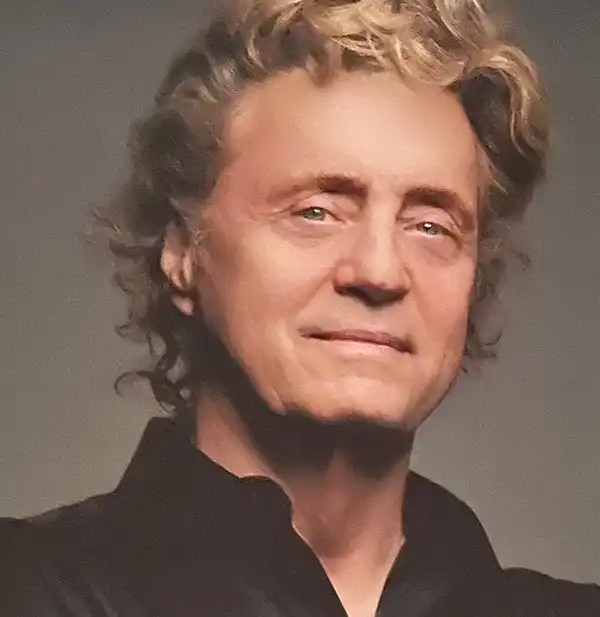
Shadoe Stevens, born Terry Keith Ingstad on November 3, 1946, in Jamestown, North Dakota, is an American radio personality, television announcer, actor, producer, writer, and multimedia artist. Best known for hosting the internationally syndicated radio program American Top 40, announcing Hollywood Squares, and portraying Kenny Beckett on the CBS sitcom Dave's World, Stevens has built an extraordinarily diverse entertainment career. His distinctive deep voice, quick wit, and inventive approach to broadcasting have made him a familiar presence across American radio and television. From small-town North Dakota to Hollywood studios and international radio networks, Stevens has demonstrated that a memorable voice, combined with creativity and determination, can open some remarkable doors.
Stevens grew up surrounded by the broadcasting business. His father and uncle owned radio station KEYJ in Jamestown, providing him with an early introduction to the microphones, transmitters, and technical equipment that would eventually shape his career. Unlike most children who were content to listen to their favorite radio programs, young Terry wanted to understand how those mysterious voices traveled through the air. He built a functioning radio transmitter in the attic of his family home, receiving technical assistance from the station's engineers. His fascination with broadcasting soon became more than a childhood hobby, and he began developing the confidence and technical knowledge necessary to operate professional radio equipment.
His unusual enthusiasm attracted national attention in 1957 when Life magazine featured him in a story about America's youngest disc jockey. Stevens was already gaining practical broadcasting experience at KEYJ, where he developed the presentation style that would eventually become his professional trademark. During his school years, he hosted a late-night radio program called Mister Midnight, experimenting with the deep, deliberate delivery that distinguished him from other young announcers. While his classmates were worrying about homework and school dances, Stevens was learning how to command an audience through a microphone. It was an unconventional education, but one that would prove remarkably useful.
After graduating from high school, Stevens attended the University of North Dakota, studying commercial art while continuing to work in radio. He subsequently studied drama and journalism at the University of Arizona, combining his interest in visual creativity with his growing understanding of broadcasting and performance. Throughout his college years, he supported himself through radio jobs at stations including KILO in Grand Forks and KQWB in Fargo. These experiences helped him develop a broader understanding of the industry, from programming and audience engagement to advertising and station promotion. His education would later influence his distinctive approach to radio, which treated broadcasting as a creative production rather than simply a matter of introducing records.
His professional breakthrough came when he moved to Boston to work at WRKO, one of the city's influential radio stations. During this transition, Terry Ingstad adopted the professional name Shadoe Stevens, creating an identity that suited his dramatic voice and unconventional broadcasting style. His popularity grew rapidly, and his evening program reportedly captured an impressive share of the local listening audience. Boston provided the opportunity to demonstrate his ability to combine music, humor, production effects, and imaginative presentation into an entertaining radio experience. His success soon attracted attention from the highly competitive Los Angeles broadcasting market, where ambitious radio personalities could become national celebrities.
Stevens moved to Los Angeles and joined KHJ, the legendary station associated with the energetic Boss Radio format. KHJ had helped transform American popular music broadcasting during the 1960s, emphasizing lively personalities, carefully selected hit records, and tightly produced programming. Stevens became part of this influential radio environment, developing relationships with musicians, producers, and broadcasting executives. His work demonstrated that a radio announcer could be more than an anonymous voice between songs. Through personality, timing, and creative production, he helped turn ordinary broadcasts into distinctive entertainment experiences.
His influence extended beyond presenting radio programs. Stevens became involved in programming and station development, working with Los Angeles outlets including KRLA, KROQ, and KMET. At KROQ, he helped establish the alternative rock identity that would eventually become closely associated with the station's reputation for adventurous music programming. His approach incorporated unusual sound effects, imaginative promotional campaigns, and a willingness to introduce music outside conventional commercial radio playlists. At KMET, he contributed to the development and promotion of album-oriented rock programming, helping the station establish a distinctive identity in the competitive Los Angeles market. Stevens understood that listeners remembered stations that offered something different, and he was rarely interested in doing things exactly as everyone else did.
One of his most memorable achievements outside traditional radio broadcasting came through television advertising during the 1980s. Stevens created and portrayed Fred Rated, an outrageous fictional spokesman for the Federated Group, a chain of electronics retailers. Wearing flamboyant clothing and delivering rapid-fire sales pitches, Fred Rated became a cult advertising personality through a series of deliberately absurd commercials. The advertisements combined surreal humor, exaggerated enthusiasm, and unconventional production techniques, making them considerably more entertaining than the average announcement about discounted televisions and stereo equipment. Stevens appeared in more than 1,000 commercials for the campaign, demonstrating that a talented performer could turn selling electronics into something resembling experimental comedy.
The popularity of Fred Rated attracted national attention and helped Stevens expand into television and motion pictures. His advertising work earned industry recognition, including a Clio Award, while opening opportunities to develop original entertainment projects. He created Shadoevision, an experimental comedy production for HBO and Cinemax that combined sketches, visual effects, music, and unconventional humor. The program reflected his fascination with pushing the boundaries of established entertainment formats. Rather than limiting himself to familiar comedy formulas, Stevens experimented with imaginative storytelling and deliberately unpredictable material. Not every experiment became a commercial success, but his willingness to explore unusual ideas became an important characteristic of his career.
In 1988, Stevens received one of the most prestigious assignments in American radio when he succeeded Casey Kasem as host of American Top 40. The internationally syndicated countdown program had become a broadcasting institution, presenting the week's most popular songs while sharing stories about recording artists and the music industry. Kasem's familiar voice and storytelling approach had helped establish the show's identity, making his departure a significant moment in radio history. Stevens faced the difficult task of following a broadcasting legend while establishing his own personality. Fortunately, he possessed considerable experience in handling demanding audiences, major productions, and high-profile entertainment assignments.
Stevens hosted American Top 40 from 1988 until 1995, bringing his distinctive deep voice, polished presentation, and energetic delivery to listeners around the world. During his tenure, the program was distributed internationally and reached an enormous audience, with promotional estimates placing its weekly listenership as high as one billion people across more than 100 countries. His broadcasts accompanied a fascinating period in popular music, as established performers competed with emerging stars and new musical styles transformed the charts. From the final years of 1980s pop and rock to the arrival of grunge, alternative music, and the expanding influence of hip-hop, Stevens guided listeners through a changing musical landscape. For millions of radio fans, his voice became an essential part of the weekly countdown tradition.
His success on radio coincided with an increasingly prominent television career. Stevens became widely recognized as the announcer for Hollywood Squares, the celebrity game show built around a giant tic-tac-toe board. He worked on the version hosted by John Davidson during the late 1980s and returned for the revival hosted by Tom Bergeron beginning in 1998. His commanding voice and playful delivery complemented the program's combination of trivia, celebrity humor, and unpredictable answers. Announcing a game show requires more skill than simply reading names and prize descriptions. Stevens understood how to create excitement, support the host, and keep the proceedings moving without distracting from the contestants and celebrity guests.
Stevens also pursued dramatic and comedic acting roles, including the title character in the 1988 action-comedy film Traxx. The movie featured him as a former law enforcement officer attempting to establish an unusual business while confronting criminals. Although Traxx did not become a major box-office success, it developed a following among enthusiasts of unconventional action films. Stevens subsequently appeared in the CBS series Max Monroe: Loose Cannon, portraying a private investigator in a comedy-drama that attempted to combine detective stories with humor. These projects allowed him to explore acting beyond the microphone, using his expressive personality and distinctive screen presence to create memorable characters.
His most recognizable television acting role arrived in 1993 when he joined the cast of the CBS sitcom Dave's World. Based on the humorous writings of Pulitzer Prize-winning columnist Dave Barry, the series starred Harry Anderson as a fictionalized version of the newspaper humorist navigating family life, professional responsibilities, and the everyday absurdities of modern America. Stevens portrayed Kenny Beckett, Dave's close friend and editor, whose personality provided opportunities for lively exchanges and comic situations. The series also featured DeLane Matthews, Meshach Taylor, and other talented performers, creating a family-oriented comedy that reflected the popularity of domestic sitcoms during the 1990s.
Dave's World ran for four seasons, from 1993 to 1997, giving Stevens a regular opportunity to demonstrate his comedic acting abilities. His portrayal of Kenny Beckett benefited from his natural sense of timing, confident delivery, and experience working in fast-paced entertainment environments. The character frequently participated in Dave's professional and personal misadventures, contributing to the show's mixture of workplace humor and family comedy. Stevens proved that the same personality that could hold the attention of radio listeners could also work effectively in an ensemble television cast. Sharing scenes with Harry Anderson, whose own career combined comedy, acting, and magic, provided particularly entertaining opportunities for two performers comfortable with unconventional humor.
Throughout his acting career, Stevens made guest appearances in several popular television programs, including Beverly Hills, 90210, Baywatch, The Larry Sanders Show, Caroline in the City, and Clueless. These appearances allowed him to portray a variety of characters while maintaining his established broadcasting commitments. His recognizable voice and distinctive appearance often made him particularly suitable for roles involving media personalities, entertainers, and larger-than-life individuals. He also appeared in the Billy Crystal comedy-drama Mr. Saturday Night (1992), further expanding a screen résumé that included comedy, drama, and independent productions.
Another important chapter of Stevens's career began when he became the announcer for CBS's The Late Late Show with Craig Ferguson. Serving as the program's voice for approximately a decade, he introduced Ferguson and contributed to the show's distinctive presentation. Ferguson's unconventional approach to late-night television, featuring spontaneous humor, unusual sketches, and frequent departures from traditional talk-show formulas, complemented Stevens's own creative instincts. His familiar announcing style helped establish the program's identity while introducing him to another generation of television viewers. For audiences who had grown up hearing him count down popular songs, his presence on late-night television offered a familiar reminder of American broadcasting history.
Stevens also became a familiar voice on Antenna TV, the digital television network specializing in classic sitcoms and other entertainment programs. Beginning in 2015, he served as the network's primary continuity announcer, introducing programming and providing promotional narration. His involvement with Antenna TV connected his contemporary broadcasting work with television's earlier generations, making him a particularly appropriate voice for a network celebrating classic entertainment. His ability to adapt to changing technology and distribution methods demonstrated the lasting value of an experienced announcer in an industry increasingly shaped by digital platforms.
Beyond conventional radio and television, Stevens has explored international broadcasting, music programming, and experimental audio entertainment. He founded RhythmRadio, an ambitious project designed to present music from different cultures through international broadcasts and internet distribution. The venture reflected his interest in using modern technology to connect listeners across geographical and cultural boundaries. He also helped develop Cabo Wabo Radio, associated with rock musician Sammy Hagar's Cabo Wabo Cantina in Cabo San Lucas, Mexico. These projects demonstrated his continued enthusiasm for creating new broadcasting experiences rather than simply relying on earlier achievements.
His creative interests eventually expanded into MentalRadio, an experimental audio comedy and theatrical project combining imaginative storytelling, sound design, unusual characters, and unconventional humor. Stevens has described the project as an immersive entertainment experience, reflecting his longstanding interest in audio theater and the possibilities of sound-based storytelling. The production incorporates elaborate audio effects and imaginative performances, continuing an approach he began developing during his earliest radio experiments. In many respects, MentalRadio represents a return to the curiosity that inspired him to build a transmitter in his childhood attic, although the production equipment has become considerably more sophisticated.
Stevens is also an accomplished visual artist whose creative work includes painting, digital imagery, graphic design, and multimedia compositions. His artistic interests developed during childhood and continued through his university studies, providing a parallel career alongside broadcasting and acting. His artwork has been exhibited in galleries, including exhibitions in Beverly Hills, California, and Sarasota, Florida. He has described his distinctive multimedia approach as "Transcendental Wha Hoo," a name that suggests he has never felt particularly restricted by conventional artistic labels. His visual projects frequently combine imagination, humor, vibrant imagery, and experimental techniques, demonstrating the same adventurous spirit that has characterized his broadcasting career.
Writing has provided another outlet for his creativity. Stevens has authored several children's books, including The Big Galoot, introducing young readers to imaginative characters and playful storytelling. His work as an author reflects his belief in the importance of creativity and the value of encouraging imagination. He has also participated in motivational speaking and educational programs, sharing his experiences with audiences interested in broadcasting, artistic expression, and personal development. His career provides an unusual example of how skills developed in one creative field can influence success in several others, particularly when an individual remains willing to experiment and learn.
His contributions to radio broadcasting received major recognition in 2023 when he was inducted into the Radio Hall of Fame. The honor acknowledged his achievements as an on-air personality, programmer, producer, and innovator whose work influenced American radio across several decades. His professional recognition also includes advertising awards and broadcasting honors associated with his inventive promotional campaigns and radio productions. The Hall of Fame induction was particularly appropriate for someone whose broadcasting journey began at a family-owned station in North Dakota and eventually reached audiences around the world.
Stevens's family has also maintained connections with the entertainment industry. He married Beverly Cunningham in 1986, and they have two daughters, Amber and Chyna. He also has a son, Brad, from an earlier marriage. His daughter Amber Stevens West followed a successful acting career of her own, appearing in television series including Greek, The Carmichael Show, and Happy Together, as well as the film 22 Jump Street. The father-daughter connection illustrates how artistic interests can continue across generations, although Amber established her professional identity through her own performances rather than relying upon her father's broadcasting reputation.
The remarkable diversity of Stevens's career reflects an unusual combination of artistic curiosity, technical understanding, and professional versatility. He has worked as a radio announcer, station programmer, television personality, actor, advertising creator, voice-over performer, producer, author, and visual artist. His ability to move between these disciplines has allowed him to remain creatively active through enormous changes in the entertainment business. From vinyl records and AM transmitters to digital television and internet audio programming, he has repeatedly adapted his talents to new technologies while preserving the distinctive personality that originally attracted audiences.
Shadoe Stevens has earned a lasting place in American entertainment history through his unmistakable voice, imaginative productions, and memorable performances. His work on American Top 40, Hollywood Squares, Dave's World, and The Late Late Show with Craig Ferguson introduced him to audiences with widely different entertainment interests. Yet his influence extends beyond individual programs through his contributions to radio programming, creative advertising, and experimental media. His career demonstrates that successful broadcasting requires more than a pleasant voice: it demands personality, imagination, technical knowledge, and an understanding of what makes audiences listen. And after all these years, Stevens continues to prove that when you find the right frequency, there's no reason to turn down the volume.
References & Sources