October 26, 1946, in Chicago, Illinois

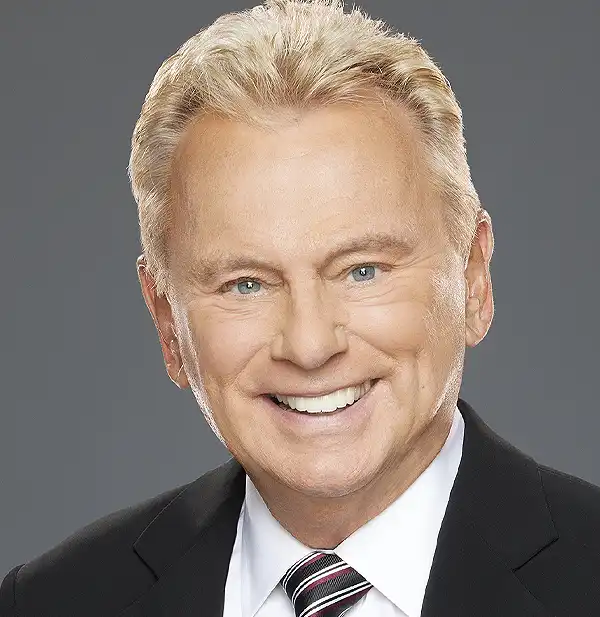
Pat Sajak, born Patrick Leonard Sajdak on October 26, 1946, in Chicago, Illinois, became one of the most recognizable television personalities in American broadcasting history. Best known as the longtime host of Wheel of Fortune, Sajak spent more than four decades guiding contestants through word puzzles, spectacular prizes, disappointing spins, and the occasional answer that left millions of viewers shouting at their television screens. His relaxed manner, dry humor, and remarkable consistency helped transform a simple television game show into an enduring American entertainment institution. Few television personalities have become so closely associated with a single program, and even fewer have spent so many years cheerfully explaining that contestants must solve the puzzle before collecting their winnings.
Growing up in Chicago, Sajak developed an early interest in broadcasting and entertainment. He attended Farragut High School and later studied at Columbia College Chicago, where an instructor helped him discover an opportunity at a local radio station. His early broadcasting experience included working as a newsman and announcer, developing the clear delivery, conversational confidence, and quick thinking that would eventually become his professional trademarks. Like many successful broadcasters of his generation, Sajak learned his trade through practical experience rather than overnight fame. Long before television audiences knew his name, he was mastering the art of speaking into a microphone while making it sound as though he were having an ordinary conversation with an old friend.
In 1968, Sajak joined the United States Army and was subsequently assigned to Vietnam, where he worked as a disc jockey for Armed Forces Radio in Saigon. Broadcasting to American military personnel during the Vietnam War, he presented music and entertainment intended to provide a welcome distraction from the hardships of military service. His radio duties included hosting the morning program associated with the famous greeting "Good Morning, Vietnam!" Although the phrase would later become widely associated with Robin Williams and the 1987 film of the same name, Sajak had firsthand experience delivering broadcasts to service members thousands of miles from home. His military broadcasting experience further developed the professional composure and improvisational skills that would serve him throughout his television career.
Following his military service, Sajak continued working in radio, including a position in Murray, Kentucky, before moving to Nashville, Tennessee. There, he worked for WSM radio and WSM-TV, taking on broadcasting responsibilities that included announcing, talk shows, and presenting the weather. His work as a television weatherman helped him develop an engaging on-camera personality, combining straightforward information with occasional humor. In 1977, he moved to Los Angeles after being recruited as a weatherman for KNBC-TV. It was an important career move, although even the most optimistic forecast probably would not have predicted that he was heading toward a television job involving a giant spinning wheel and an astonishing number of consonants.
Sajak's career changed dramatically in 1981 when television producer Merv Griffin, creator of Wheel of Fortune and Jeopardy!, selected him to replace original host Chuck Woolery on the NBC daytime edition of Wheel of Fortune. Griffin had noticed Sajak's easygoing personality and humorous approach to broadcasting, recognizing qualities that could make him an effective game show host. The appointment was not entirely straightforward, as NBC executives initially questioned whether a local television weatherman was suitable for a nationally broadcast game show. Griffin nevertheless supported his choice, and Sajak began hosting the program in December 1981. The decision would become one of the most successful casting choices in television game show history.
When the syndicated evening version of Wheel of Fortune premiered in September 1983, Sajak became the familiar face of a program that would eventually occupy a permanent place in American popular culture. Working alongside Vanna White, who joined the daytime show in 1982, he helped establish an entertaining partnership built on friendly conversation, professional chemistry, and an unmistakable sense of familiarity. Sajak handled the contestants, puzzles, prizes, and occasional disasters, while White became equally recognizable for revealing letters on the puzzle board. Together, they created a television partnership that endured for decades, giving viewers a reassuringly familiar combination of personalities regardless of how dramatically the rest of the entertainment industry changed.
Part of Sajak's appeal came from his ability to balance humor with the responsibilities of hosting a competitive game show. He could tease contestants about their choices, make amusing observations about unexpected puzzle solutions, and deliver a perfectly timed remark without allowing the proceedings to descend into chaos. His understated style distinguished him from more flamboyant television personalities, demonstrating that a successful host did not need to dominate every moment of a broadcast. Instead, Sajak understood that contestants and their reactions were essential to the entertainment. When someone landed on Bankrupt after building a substantial fortune, his sympathetic response often carried just enough humor to remind viewers that, unfortunate as the situation might be, it was still a game.
The enormous success of Wheel of Fortune also made Sajak a recognizable personality beyond the game show studio. In January 1989, CBS launched The Pat Sajak Show, a late-night talk program featuring celebrity interviews, comedy, and musical entertainment. The series represented an ambitious attempt to establish Sajak in the competitive late-night television market, where established personalities such as Johnny Carson commanded loyal audiences. Although the program ended in 1990, it demonstrated Sajak's willingness to explore different broadcasting formats. He stepped away from the daytime edition of Wheel of Fortune while pursuing the talk show but continued hosting the syndicated evening version. Apparently, one wheel was more than enough to keep his professional fortunes turning.
Sajak also accumulated acting and entertainment credits outside his familiar game show duties. His screen appearances included a cameo in the 1982 comedy Airplane II: The Sequel, as well as appearances associated with television programs such as The A-Team, Days of Our Lives, and The Larry Sanders Show. He frequently appeared as himself, making use of his recognizable television identity and willingness to participate in lighthearted comedy. His IMDb credits also include producing and other entertainment work, reflecting a career that extended beyond asking contestants whether they wanted to buy a vowel. Nevertheless, his reputation remained firmly connected to Wheel of Fortune, where his distinctive personality was an essential ingredient in the show's success.
Recognition for Sajak's broadcasting accomplishments came through numerous awards and industry honors. He received multiple Emmy Awards for his work as a game show host, along with a People's Choice Award and a star on the Hollywood Walk of Fame in 1994. In 2011, he received a Daytime Emmy Lifetime Achievement Award, recognizing his extraordinary contribution to television entertainment. These honors reflected not simply the longevity of his career but also his ability to remain relevant and popular across generations of viewers. Television audiences who first watched him during the 1980s could eventually find themselves enjoying the same familiar host alongside their children and grandchildren, although the younger viewers were sometimes considerably quicker at solving the puzzles.
In 2019, Guinness World Records officially recognized Sajak for the longest career as a game show host on the same program, acknowledging an achievement that few broadcasters could realistically hope to match. His extraordinary tenure eventually extended through 41 seasons of the syndicated evening edition of Wheel of Fortune. Throughout that time, television technology changed, the puzzle board evolved, prizes became increasingly elaborate, and audiences developed new ways to watch entertainment. Sajak remained a reassuring constant, continuing to guide contestants through the familiar rituals of spinning, guessing, solving, and occasionally discovering that a seemingly obvious answer was anything but obvious.
Beyond his professional achievements, Sajak has maintained a family life that includes his wife, photographer Lesly Brown, whom he married in December 1989, and their two children, Patrick and Maggie. His daughter Maggie Sajak also became involved with Wheel of Fortune, serving as the program's social correspondent and introducing another generation of the family to the television audience. Away from the studio, Sajak has pursued interests including baseball, broadcasting, writing, and word games. His enthusiasm for puzzles has extended beyond television, including involvement in developing word-based games, which seems entirely appropriate for someone who spent much of his working life surrounded by missing letters.
In June 2023, Sajak announced that he would retire from the syndicated edition of Wheel of Fortune following its 41st season. His final regular episode aired on June 7, 2024, bringing an extraordinary chapter of American television history to a close. His farewell included an emotional expression of gratitude to the viewers who had welcomed him into their homes for decades. Ryan Seacrest succeeded him as host of the syndicated program, while Vanna White continued in her familiar role. Although the transition marked the end of Sajak's regular nightly appearances, he subsequently completed his hosting duties on Celebrity Wheel of Fortune, with his final episodes of that program airing in 2025.
Pat Sajak's television legacy is defined by an unusual combination of professional longevity, recognizable humor, and the ability to make an ordinary game feel like an enjoyable gathering of friends. He helped transform Wheel of Fortune into a lasting American television tradition, proving that entertainment does not always require elaborate drama or complicated storytelling. Sometimes, all that is needed is a clever puzzle, an enthusiastic contestant, a spinning wheel, and a host who knows exactly when to deliver a joke. After decades of watching Americans win fabulous prizes, lose fortunes, and struggle with remarkably simple words, Sajak earned something considerably more enduring than a vacation or a new car: a permanent place in television history. And unlike the unfortunate contestants who landed on Bankrupt, he got to leave with his winnings intact.