
Because Reality Could Use a Little Sparkle
Every April 9th, we saddle up our imaginations and gallop full-speed into a celebration of one of mythology’s most majestic (and fabulously photogenic) creatures: the unicorn. National Unicorn Day is the perfect excuse to embrace a little fantasy, a lot of sparkle, and maybe even a cupcake topped with glittery frosting.
But where did these horned horses of happiness come from? Are they just the mascots of kids' birthday parties and overly enthusiastic stationery sets? Or is there more to these rainbow-riding legends than meets the glittery eye?
A Brief History of the Fabulous One-Horned Wonder
Unicorns aren’t just creatures born from modern Instagram filters or Lisa Frank notebooks. Their origins date back thousands of years. Ancient civilizations were writing about unicorns before school supplies came with holograms and glitter.
The ancient Greeks were among the first to mention unicorns—not as mythological beasts, but as actual animals. Famous thinkers like Ctesias and Aristotle described them as exotic creatures from India. (Spoiler alert: they likely saw rhinoceroses and just ran with it.)
Medieval Europeans got all excited and decided unicorns were symbols of purity and grace. They believed only virgins could tame them, which led to a whole subgenre of awkward Renaissance paintings.
In the Bible, some translations even mention unicorns. Though scholars now say those were probably wild oxen, the unicorns had already galloped off into religious lore.
What Is a Unicorn, Technically?
Let’s break it down for the unicorn purists—and the skeptics who think it’s just a horse that lost a bet with a narwhal.
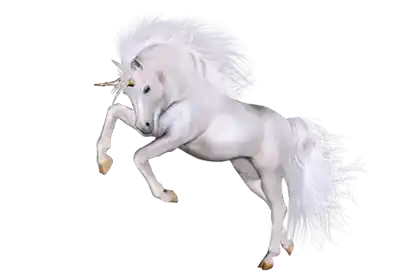
A unicorn, in the classic sense, is a horse-like creature with a single, spiraling horn centered on its forehead. It’s often depicted as pure white, radiantly beautiful, and so elegant it probably judges our coffee orders silently. But depending on which culture or century you’re referencing, the unicorn’s anatomy gets a little more freestyle.
Some historical accounts (especially medieval ones) describe unicorns with:
- The body of a horse
- A lion’s tail
- Cloven hooves (like a goat)
- And occasionally a goat’s beard, because why not?
Basically, it’s like the fantasy world's version of a build-your-own creature buffet.
Despite the anatomical remix, unicorns have long been associated with purity, magic, healing powers, and an impressive ability to remain uncatchable. They're the introverts of the mythological world—mysterious, noble, and impossible to pin down unless you're the chosen one or, apparently, a virtuous maiden in a medieval forest.
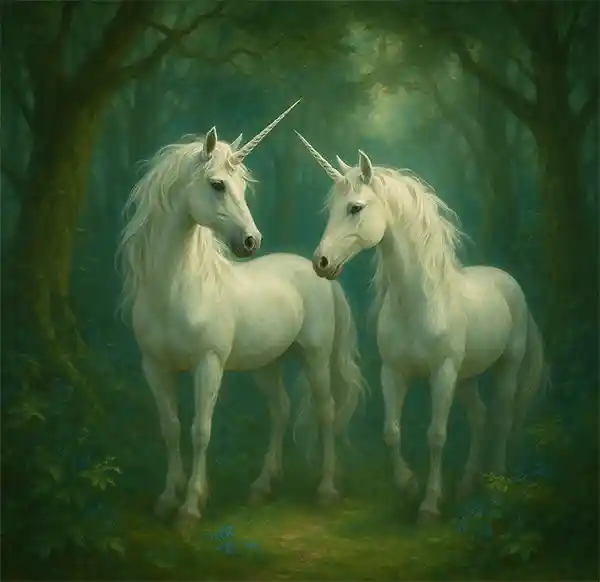
Oh—and let’s clear up a common point of confusion: unicorns do not fly. That honor belongs to Pegasus, the winged horse of Greek mythology. When you slap wings and a horn on a horse, you’re actually dealing with an alicorn—a term that sounds like it belongs in a biotech startup, but we promise it’s still fantasy.
So, in short: a unicorn is an elegant, elusive, magical creature… that’s also surprisingly hard to draw accurately without it looking like a confused goat with a traffic cone on its head.
Modern Unicorn Mania
Unicorns are now cultural icons. You’ll find them on everything from cereal boxes and bath bombs to yoga pants and coffee mugs. They’re big business.
Brands have embraced the unicorn as a symbol of:
- Whimsy
- Rarity
- And let’s be honest—excellent merchandising opportunities.
In Silicon Valley, a “unicorn” refers to a startup company valued at over $1 billion. So yes, in today's world, unicorns can be magical creatures and venture capital darlings.
Celebrating National Unicorn Day in Style
Let’s be honest: the world could always use a little more magic—and National Unicorn Day gives us permission to embrace our sparkly, whimsical sides without judgment. Whether you're five, forty-five, or a sentient cupcake made of rainbow sprinkles, there's a unicorn-themed activity out there for you.
This day is all about letting go of the ordinary and galloping headfirst into the fantastical. So dust off your glitter, prep your puns, and prepare to celebrate like you just found a herd—sorry, a blessing—of unicorns in your backyard.
Here are some festive ways to honor our sparkly horned friends:
- Bake unicorn-themed treats – Think rainbow layers, edible glitter, and enough sugar to make a dentist weep.
- Read unicorn stories – From children’s classics to modern fantasy novels, unicorns are galloping through literature.
- Create unicorn art – Paint, draw, or sculpt your own unicorn. Bonus points if it ends up looking more majestic than confused.
- Dress up – Horn headbands are not just for kids. Own it.
- Host a unicorn movie night – Include films like The Last Unicorn, Legend, or even some My Little Pony magic (because we know you hum the theme song, no judgment).
Fun (and Slightly Ridiculous) Unicorn Facts
- Scotland's national animal is—wait for it—a unicorn. And no, this wasn’t the result of a pub bet.
- The collective noun for a group of unicorns is a blessing. Yes, a blessing of unicorns. Which somehow feels right.
- Unicorn horns were once believed to have healing powers. European royalty used to drop big bucks on narwhal tusks, thinking they were magical unicorn relics.
Why We Need Unicorns
In a world full of traffic jams, lost remotes, and reheated leftovers, unicorns remind us to believe in the extraordinary. They encourage us to dream big, add sparkle to our days, and maybe throw a little glitter on the gray areas of life (just not literally, unless you're ready for a cleanup commitment).
So today, let your imagination run wild, believe in a little magic, and toast to the mythical marvels that remind us to keep things just a little weird.
Happy National Unicorn Day!