Honoring Faith, Courage, and Community
November doesn’t just bring falling leaves and early Christmas displays—it’s also Black Catholic History Month, a time to celebrate the rich heritage, enduring faith, and powerful contributions of Black Catholics throughout history.
This month invites reflection on those who kept the flame of faith alive in the face of adversity—people who refused to be written out of the story of the Church, even when history tried to push them to the margins. From early saints of African descent to modern trailblazers in education, civil rights, and ministry, their legacy reminds us that faith has never been color-blind—it’s been strengthened, deepened, and enriched by diversity.
Faith That Crossed Oceans and Centuries
The story of Black Catholicism isn’t confined to pews or prayer books—it’s a global odyssey that begins on the shores of Africa and sails through the rough waters of history. Long before Catholicism reached Europe, Christianity was already thriving in parts of Africa. Think of early theologians like St. Augustine of Hippo and St. Monica—Africans whose faith and intellect helped shape the foundation of Christian doctrine itself. When Augustine wrote about grace, sin, and redemption, he wasn’t just talking theology; he was writing ideas that would echo through cathedrals for centuries to come.
As the centuries passed and the slave trade tore millions from their homelands, faith became both an anchor and a quiet act of rebellion. Enslaved Africans who converted—or who had already been baptized before capture—carried that faith across oceans, often practicing it in secret or blending it with the rhythms and traditions of their ancestors. Imagine singing a hymn in Latin by candlelight while keeping time with the same hands that once played the drum back home. It wasn’t disobedience; it was preservation. They didn’t just keep their faith alive—they transformed it into something profoundly their own.
In the Americas, that faith found new expression. Black Catholics built churches, led communities, and taught the next generation to find hope where hope was hard to see. Their worship was infused with soul, their prayers filled with resilience, and their service marked by compassion that reached far beyond the altar. Every generation added a verse to the song—a song that refused to be silenced by oppression, segregation, or indifference.
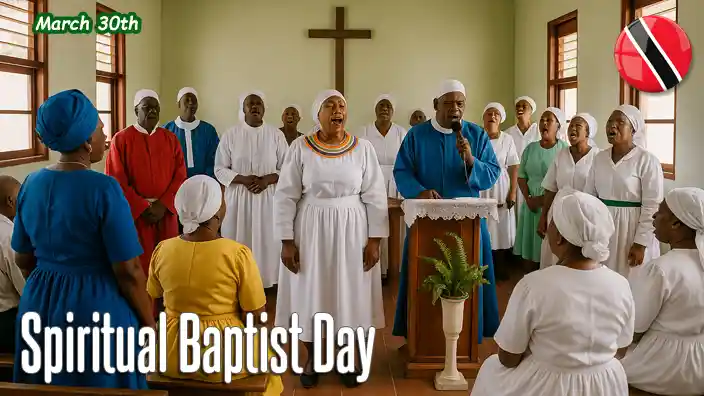
Today, that song still plays on. It echoes in the Gospel choirs that lift hearts heavenward every Sunday, in the parishes that blend African drumming with organ hymns, and in classrooms where Black Catholic educators inspire students to dream bigger than their circumstances. It’s a living heritage—one that reminds us that faith doesn’t stay put. It travels, adapts, survives, and thrives.
Faith crossed the oceans not as a stowaway, but as a survivor. And like those who carried it, it has never stopped evolving—still strong, still singing, and still standing tall in every community that dares to believe that light outlasts the storm.

Modern Pillars of Faith and Action
Fast-forward to more recent history, and the list of remarkable Black Catholics reads like a roll call of courage. Servant of God Mother Mary Lange founded the Oblate Sisters of Providence—the first religious order for women of African descent in the United States. Pierre Toussaint, once enslaved, became a noted philanthropist in New York and is now on the path to sainthood. And then there’s Sister Thea Bowman, who brought gospel joy and African-American spirituality to Catholic worship like few others could.
Each of them reminds us that holiness doesn’t happen in ivory towers—it happens in classrooms, parishes, hospitals, and everyday acts of faith and love. They weren’t saints because life was easy; they were saints because they kept going anyway.
A Bit of Humor Never Hurt the Holy
Let’s be honest—Catholic history can sometimes sound like a Latin vocabulary test gone wrong. But the truth is, Black Catholic history is bursting with energy, music, and celebration. It’s Mass with soul. It’s joy that claps on the beat. It’s faith that sings even when the world says “be quiet.”
And if there’s anything Catholic writers love more than a good potluck, it’s a well-timed feast day—and this month’s celebration is exactly that: a spiritual feast, reminding everyone that faith isn’t uniform, it’s universal.
Fun Facts
Black Catholic History Month isn’t just a page in the Church calendar—it’s a vibrant celebration full of remarkable stories and eye-opening history. From saints who changed theology to musicians who changed worship, the facts behind this month prove that faith and culture make quite the duet. These little nuggets of history are worth sharing—preferably with someone who thinks “Catholic” means quiet. Spoiler alert: it’s not always that quiet.
- Black Catholic History Month was established in 1990 by the National Black Catholic Clergy Caucus of the United States.
- November was chosen because it includes the feasts of St. Martin de Porres (Nov. 3), the birth of St. Augustine (Nov. 13), and All Saints’ Day.
- In the United States, there are over 3 million Black Catholics, and their influence continues to grow through leadership, music, and community outreach.
How to Celebrate
You don’t need a pulpit, choir robe, or theology degree to take part in Black Catholic History Month. This celebration is as much about learning and listening as it is about singing and sharing. Whether you honor it by attending a Gospel Mass, exploring the stories of Black saints, or simply reflecting on the beauty of faith that endured against all odds, you’ll be connecting to a legacy of strength, song, and spirit. In short—celebrating this month isn’t work; it’s joy with a purpose.
- Learn the Stories: Take time to read about the Black saints and modern candidates for sainthood. Their stories are nothing short of inspiring.
- Attend a Cultural Mass: If you’ve never been to a Gospel Mass, go. The music alone can lift the roof—and your spirit.
- Support Black Catholic Ministries: Contribute to programs that support education, youth outreach, and parish leadership.
- Teach and Share: Whether you’re Catholic or not, understanding this chapter of faith history helps keep it alive for future generations.
Black Catholic History Month reminds us that the Church is not one color, one culture, or one voice—it’s a global symphony of believers who’ve carried faith across continents and through centuries. It’s a story of endurance, love, and hope—told through people who turned hardship into holiness.
So, this November, take a moment to learn, listen, and celebrate the vibrant legacy of Black Catholics everywhere. Because faith, when lived fully and joyfully, doesn’t just move mountains—it sings while doing it.