Proof That Putting Things Between Bread Is A Brilliant Idea
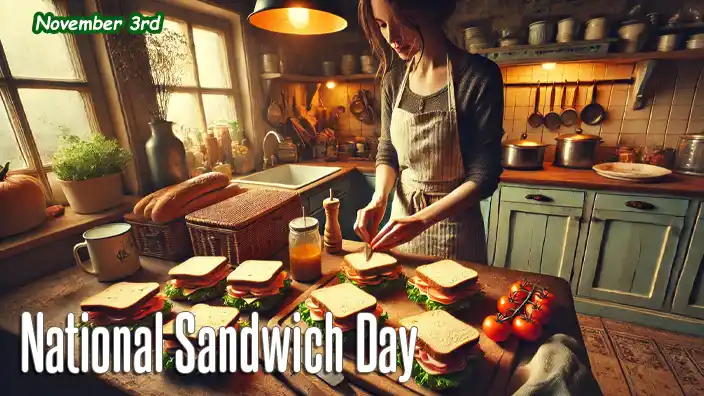
National Sandwich Month is a full 31-day celebration of one of humanity’s greatest achievements: putting delicious things between bread and calling it a meal. Simple? Yes. Boring? Not a chance. From towering deli creations to humble peanut butter and jelly, sandwiches have been solving hunger problems—and lunch dilemmas—for centuries.
What Is National Sandwich Month?
National Sandwich Month is a month-long celebration held every August, dedicated to one of the most versatile and widely loved foods on the planet—the sandwich. It’s a time to appreciate everything from simple, everyday creations to over-the-top builds that require both hands and a backup napkin strategy. Whether you’re grabbing a quick bite or crafting something worthy of a menu, this month invites everyone to take a closer look at what makes sandwiches so endlessly appealing.
At its core, National Sandwich Month highlights the flexibility of the sandwich. It’s a food that adapts to just about any taste, budget, or occasion. You can go classic with deli meats and cheese, keep it light with fresh vegetables, or build something hearty enough to count as a full meal. Toasted, grilled, stacked, or pressed—there’s no single “right” way to do it, which is exactly why it works for so many people.
More than anything, this month celebrates convenience without sacrificing flavor. Sandwiches are quick to make, easy to carry, and perfectly suited for busy days, road trips, or relaxed meals at home. They’ve earned their place as a go-to option not because they’re fancy, but because they deliver exactly what you need, exactly when you need it—no reservations required.
A Brief History of the Sandwich
The sandwich may feel like a modern convenience, but its roots go back much further than the 18th century. Long before it had a proper name, people across different cultures were already placing meats, cheeses, and other fillings inside or on top of bread for easy eating. Flatbreads, wraps, and early forms of filled loaves made practical sense—no utensils required, and everything stayed neatly contained. It wasn’t fancy, but it worked, and that’s half the battle.

The name itself comes from John Montagu, 4th Earl of Sandwich, who reportedly asked for his meal to be served between slices of bread so he could keep playing cards without interruption. Whether the story is perfectly accurate or slightly exaggerated, the idea caught on quickly. Once people realized they could eat a complete meal with one hand and minimal effort, there was no going back.
From there, the sandwich spread far and wide, adapting to local tastes and ingredients. In the United States, it became a staple of delis, diners, and home kitchens, evolving into everything from simple lunchbox favorites to towering creations that test both appetite and engineering skills. Over time, new styles emerged—sub sandwiches, club sandwiches, grilled variations, and countless regional specialties—each adding its own twist to the basic concept.
Today, the sandwich is a global food icon, found in nearly every cuisine in one form or another. It has survived trends, fads, and culinary reinventions because it does one thing exceptionally well: it makes a satisfying meal simple, portable, and endlessly customizable. Not bad for something that started as a convenient way to avoid putting down a deck of cards.
How to Celebrate National Sandwich Month
Celebrating National Sandwich Month is about as complicated as you want to make it—which is to say, not very. Start with the basics: make a sandwich, eat a sandwich, and maybe take a moment to appreciate just how many ways there are to do it. From a quick ham-and-cheese to something stacked so high it needs structural support, every version counts. The only real rule is that it has to make you happy (and ideally stay together long enough to eat).
If you’re in the mood to mix things up, use the month as an excuse to try new combinations. Explore classics you’ve never bothered with, like a proper club or a well-built Reuben, or branch out into international favorites like banh mi, tortas, or panini. You might discover that a simple change—better bread, a new spread, or an extra layer of flavor—turns an ordinary sandwich into something worth bragging about.
For a more social approach, turn it into an event. Host a “build-your-own sandwich” night where everyone gets creative, or challenge friends and family to come up with the best (or most questionable) creation. It’s a great way to share ideas, swap ingredients, and settle once and for all whether certain combinations should have ever been attempted in the first place.
You can also take a moment to appreciate the sandwich beyond your own kitchen. Visit a local deli, try a specialty shop, or support a small business known for doing one thing really well. After all, National Sandwich Month isn’t just about eating—it’s about recognizing a food that has quietly earned its place as one of the most reliable, adaptable, and downright enjoyable meals around.
Why This Month Still Matters
In a world of complicated recipes and trendy food fads, the sandwich remains refreshingly reliable. It’s accessible, affordable, and endlessly customizable. You don’t need a culinary degree to make a great sandwich—just a few good ingredients and the willingness to stack them in the right order.
More importantly, sandwiches bring people together. They show up at picnics, family gatherings, road trips, and quick lunches between busy moments. They’re practical, portable, and always ready when hunger strikes—which is more than can be said for most things in life.
Fun Facts About Sandwiches
- The world’s largest sandwich weighed over 5,000 pounds—definitely not a one-handed meal.
- The hamburger is technically a sandwich, though debates on that topic can get surprisingly heated.
- Sandwiches are one of the most commonly eaten foods worldwide.
- There’s even a sandwich dedicated to leftovers—aptly named “the day-after special.”
The Perfect Bite
The perfect bite of a sandwich is one of those small victories in life that deserves a little respect. It’s not just about piling ingredients between bread and hoping for the best—it’s about balance. The bread should be sturdy enough to hold everything together but not so thick that it takes over. The fillings need to complement each other, not compete for attention. And somewhere in the mix, there’s just enough texture—crunch, softness, maybe a little bite—to keep things interesting.
Getting that balance right takes a bit of thought. Too much of one ingredient and the whole thing leans in the wrong direction. Too little, and you’re left wondering what the fuss was about. A good sandwich builder knows how to layer flavors so that every bite delivers a little bit of everything. That’s the goal: no empty bites, no overwhelming ones—just a consistent, satisfying experience from first bite to last.
Of course, there’s also a bit of technique involved. How you stack it matters. Where you place the sauce matters. Even how you slice it can make a difference (and yes, people have strong opinions about that). Done right, the sandwich holds together, the flavors stay in sync, and you don’t need a cleanup crew afterward—though let’s be honest, sometimes the mess is part of the fun.
When it all comes together, you know it immediately. That first bite hits just right, everything stays where it should, and for a moment, it feels like you’ve solved a very important problem. It doesn’t happen every time—but when it does, that’s the kind of sandwich people remember… and try to recreate the next day with varying degrees of success.