
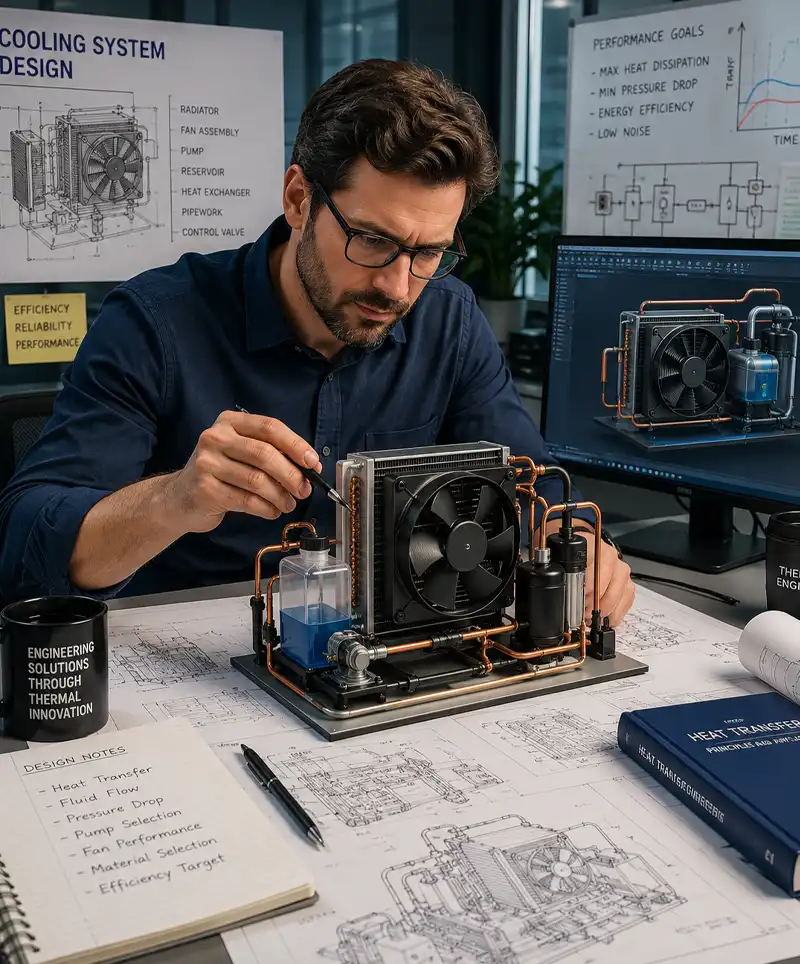
Celebrating the Experts Who Keep Things Cool, Warm, and Working
National Thermal Engineer Day honors the engineers who make modern life more comfortable, efficient, and reliable. Whether they're designing cooling systems for computers, managing heat in spacecraft, improving energy efficiency in buildings, or helping engines operate safely, thermal engineers work behind the scenes to solve one of science's most persistent challenges: heat.
Most people never think about thermal engineering until their computer overheats, their air conditioner quits on a hot day, or a spacecraft has to survive the extreme temperatures of space. National Thermal Engineer Day shines a spotlight on the professionals who spend their careers making sure those problems never happen.
The History of National Thermal Engineer Day
National Thermal Engineer Day was established to recognize the contributions of thermal engineers and to promote awareness of the important role thermal engineering plays in modern technology and industry. The observance highlights a field that often operates behind the scenes but is critical to everything from consumer electronics and transportation to manufacturing and renewable energy systems.
Thermal engineering is a branch of mechanical engineering that focuses on heat transfer, thermodynamics, energy conversion, and temperature control. As technology has become more advanced, managing heat has become increasingly important. Modern computers, electric vehicles, power plants, medical equipment, and aerospace systems all depend on carefully engineered thermal solutions to operate safely and efficiently.
The day also serves as an opportunity to encourage students to explore careers in engineering and STEM fields. As industries continue developing more powerful electronics, cleaner energy systems, and more efficient transportation technologies, the demand for thermal engineering expertise continues to grow.
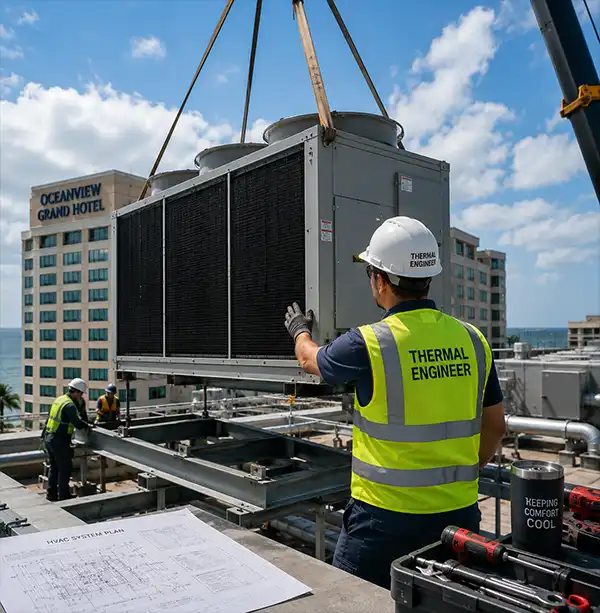
What Is Thermal Engineering?
Thermal engineering is a specialized branch of mechanical engineering that focuses on the generation, transfer, storage, and use of heat energy. At its core, thermal engineering seeks to understand how heat moves and how it can be controlled to improve the performance, efficiency, and safety of machines, buildings, vehicles, and countless other systems. Thermal engineers apply the principles of thermodynamics, fluid mechanics, and heat transfer to solve real-world problems involving temperature and energy.
Every machine that produces, uses, or manages energy generates heat. In some situations, excess heat must be removed to prevent damage. In others, heat must be retained or distributed efficiently. Thermal engineers analyze these challenges and design solutions that maintain the proper operating temperature for equipment and systems. Their work can involve everything from designing cooling systems for computer processors to developing heating systems for large commercial buildings.
One of the key areas of thermal engineering is heat transfer. Heat can move through conduction, convection, and radiation, and thermal engineers study all three methods to determine the most effective way to control temperature. Whether heat is traveling through a metal component, circulating through a cooling liquid, or radiating from a hot surface, understanding these processes is essential for creating reliable and efficient designs.
Thermal engineers work in a wide variety of industries. In the automotive sector, they help design engine cooling systems, climate controls, and battery temperature management systems for electric vehicles. In aerospace, they develop systems that protect aircraft and spacecraft from extreme temperatures. In electronics, they create cooling solutions that allow increasingly powerful computers, smartphones, and data centers to operate without overheating. They also contribute to power generation, renewable energy projects, refrigeration, manufacturing, and construction.
Modern technology has made thermal engineering more important than ever. As electronic devices become smaller and more powerful, managing heat has become a major engineering challenge. Data centers containing thousands of servers require sophisticated cooling systems. Electric vehicle batteries must operate within precise temperature ranges. Spacecraft traveling beyond Earth's atmosphere encounter both intense sunlight and extreme cold. Thermal engineers help ensure these systems continue functioning safely and efficiently.
Although most people rarely think about thermal engineering, they benefit from it every day. Comfortable homes, reliable vehicles, efficient appliances, and powerful electronic devices all depend on effective thermal management. In many ways, thermal engineers are the quiet guardians of modern technology, constantly working behind the scenes to keep the world from becoming either too hot, too cold, or unexpectedly expensive to operate.
Why Thermal Engineers Matter
Modern society depends heavily on thermal engineering. Computers generate heat as they process information. Cars and trucks create heat through combustion or electrical systems. Buildings require heating and cooling systems to remain comfortable and energy efficient. Industrial processes often involve extreme temperatures that must be carefully controlled.
Without effective thermal management, equipment can fail, efficiency can decrease, and safety risks can increase. Thermal engineers help solve these challenges by designing systems that maintain optimal temperatures while minimizing energy consumption.
Their work also contributes to environmental sustainability. More efficient heating and cooling systems can reduce energy use, lower costs, and decrease greenhouse gas emissions. Many advances in renewable energy technology rely on thermal engineering principles to maximize performance.
How to Celebrate National Thermal Engineer Day
National Thermal Engineer Day offers a great opportunity to learn about one of the most important but often overlooked fields of engineering. Most people interact with thermal engineering every day without realizing it. Air conditioners, refrigerators, computers, automobiles, power plants, and even coffee makers rely on principles of heat transfer and temperature management. Taking a few moments to explore how these everyday systems work can provide a new appreciation for the engineering behind modern conveniences.
One way to celebrate is by learning about the science of thermodynamics and heat transfer. Numerous educational videos, articles, and online courses explain thermal engineering concepts in an accessible way. Even a basic understanding of how heat moves through materials or how cooling systems operate can reveal the complexity behind technologies many people take for granted. Students interested in STEM careers may find that National Thermal Engineer Day provides an excellent introduction to a rewarding engineering discipline.
Another meaningful way to participate is by recognizing the engineers who work in the field. Thermal engineers contribute to industries ranging from aerospace and automotive manufacturing to renewable energy and consumer electronics. Their efforts help improve efficiency, safety, and reliability across countless products and systems. If you know an engineer working in a related field, take the opportunity to thank them for the work they do behind the scenes.

Technology enthusiasts can celebrate by exploring the thermal systems in their own homes and workplaces. Learn how your computer's cooling fans operate, investigate how your home's HVAC system regulates temperature, or discover how modern electric vehicles manage battery heat. Many fascinating engineering solutions are hiding in plain sight once you know where to look.
National Thermal Engineer Day is also an excellent time to think about energy efficiency. Simple actions such as improving home insulation, replacing air filters, sealing air leaks, or maintaining heating and cooling systems can reduce energy consumption and lower utility costs. These practical improvements demonstrate thermal engineering principles at work on a smaller scale and can help make homes more comfortable year-round.
For those who enjoy a little humor with their celebrations, spend a few moments appreciating all the devices that are not currently overheating. Your laptop is functioning, your refrigerator is chilling, your air conditioner is cooling, and your car is not producing steam from under the hood. None of these things happen by accident. Somewhere along the line, a thermal engineer spent a great deal of time making sure your day remained pleasantly uneventful.
Fascinating Thermal Engineering Facts
Thermal engineering may not receive the same attention as rockets, robots, or artificial intelligence, but it plays a critical role in all of them. From the cooling systems that protect powerful computers to the heat shields that allow spacecraft to return safely to Earth, thermal engineering is everywhere. These fascinating facts highlight just how much of modern life depends on understanding and controlling heat.
- Thermal engineers help design cooling systems for computers, smartphones, and gaming consoles.
- Spacecraft must be protected from both extreme heat and extreme cold.
- Data centers use sophisticated cooling systems to prevent thousands of servers from overheating.
- Heat exchangers are among the most common thermal engineering devices used in industry.
- Thermal engineering plays a major role in renewable energy technologies.
- Electric vehicles rely heavily on thermal management systems to protect battery performance and lifespan.
- The principles of thermodynamics influence everything from refrigerators to jet engines.
National Thermal Engineer Day FAQ
Thermal engineering is one of those fields that most people encounter every day without realizing it. Whether you're curious about what thermal engineers do, how thermal engineering affects modern technology, or why an entire day is dedicated to the profession, these frequently asked questions provide a helpful introduction to the science and the people who keep our world operating at the right temperature.
What does a thermal engineer do?
Thermal engineers design systems that manage heat transfer, temperature control, energy efficiency, and thermal performance.
What industries employ thermal engineers?
Thermal engineers work in aerospace, automotive, electronics, energy production, manufacturing, construction, and many other industries.
Is thermal engineering part of mechanical engineering?
Yes. Thermal engineering is commonly considered a specialized branch of mechanical engineering.
Why is thermal engineering important?
Thermal engineering helps ensure equipment operates safely, efficiently, and reliably while reducing energy consumption and operating costs.
Keeping the World Running at the Right Temperature
National Thermal Engineer Day reminds us that many of the comforts and conveniences of modern life depend on something most people rarely think about: temperature control. Behind every reliable computer, efficient vehicle, comfortable building, and advanced piece of technology is a carefully designed thermal system working to manage heat. Without thermal engineers, many of the devices and systems we rely on daily would quickly become inefficient, unreliable, or completely unusable.
Thermal engineers help solve challenges in nearly every major industry. They design cooling systems that keep powerful computer processors from overheating, develop climate control systems that make homes and offices comfortable, and create technologies that allow aircraft and spacecraft to operate safely in extreme environments. Their expertise also contributes to renewable energy systems, medical equipment, manufacturing processes, and transportation technologies that millions of people depend upon every day.
As technology continues to advance, the importance of thermal engineering only grows. Modern electronics are becoming more powerful while shrinking in size, electric vehicles require sophisticated battery temperature management, and data centers supporting the digital world consume enormous amounts of energy that must be carefully controlled. Thermal engineers are at the forefront of solving these challenges, helping industries improve efficiency while reducing costs and environmental impact.
 The field also plays a significant role in sustainability. Better thermal management can reduce energy consumption, improve equipment lifespan, lower operating expenses, and decrease greenhouse gas emissions. From more efficient air conditioning systems to cleaner industrial processes, thermal engineering helps organizations achieve both economic and environmental goals.
Perhaps the greatest compliment a thermal engineer can receive is that nobody notices their work at all. When the air conditioner keeps running during a Florida heat wave, when a smartphone stays cool during a long video call, or when a spacecraft survives the harsh conditions of space, the engineering has done its job. National Thermal Engineer Day celebrates these often-unsung professionals whose expertise quietly keeps the modern world operating safely, efficiently, and comfortably.
The next time you enjoy a cool room on a hot day, a warm house on a cold night, or a laptop that isn't doubling as a portable grill, take a moment to appreciate the thermal engineers working behind the scenes. They may not always receive the spotlight, but they certainly help keep the lights on—and at a reasonable temperature.