Going Nuts in the Best Possible Way
Every year, National Pecan Month gives Americans a chance to celebrate one of the country's favorite native nuts. While almonds, cashews, and pistachios may receive plenty of attention, the Pecan quietly carries on doing what it has always done—making pies better, cookies tastier, and holiday desserts considerably more difficult to resist.
Pecans have been enjoyed in North America for centuries and remain a beloved ingredient in everything from pralines and pastries to salads and savory dishes. National Pecan Month celebrates the history, flavor, versatility, and nutritional benefits of this remarkable nut.
If you've ever found yourself eating a second slice of Pecan pie while claiming it was for research purposes, this may be your month.
What Is National Pecan Month?
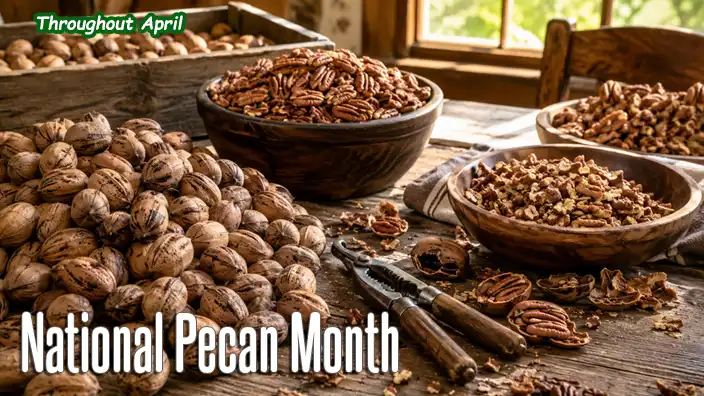
National Pecan Month is observed throughout April and celebrates the Pecan, one of North America's most important and beloved native food crops. The month-long observance encourages people to learn about the history of Pecans, appreciate their role in American agriculture, explore new Pecan recipes, and recognize the growers who help supply millions of pounds of Pecans each year. It is a celebration of a nut that has been part of the American story for centuries.
Unlike many foods that were introduced from other parts of the world, Pecans are native to North America. Long before European settlers arrived, Indigenous peoples harvested, traded, and consumed Pecans as an important source of nutrition. Over time, Pecans became deeply woven into the culinary traditions of the southern United States, where they remain a favorite ingredient in desserts, candies, breads, salads, and countless family recipes.
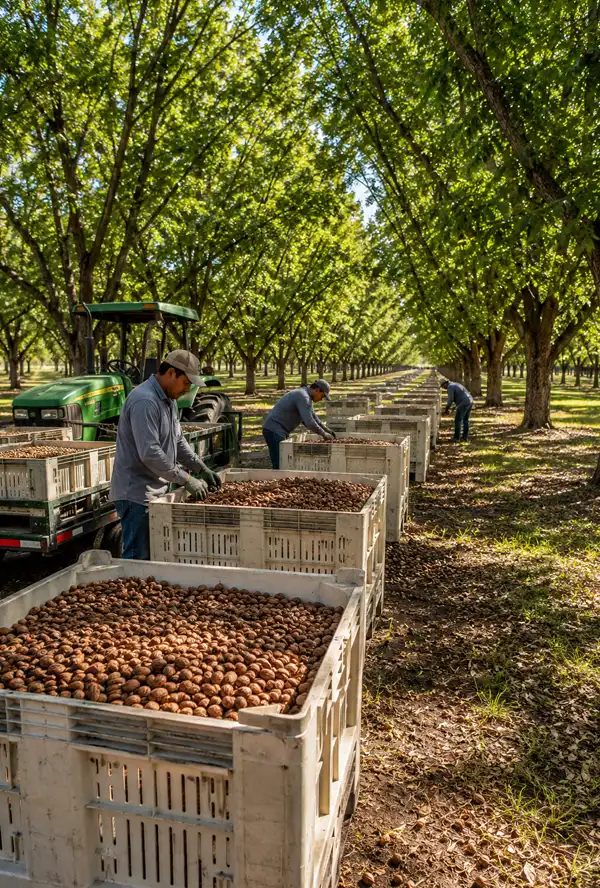
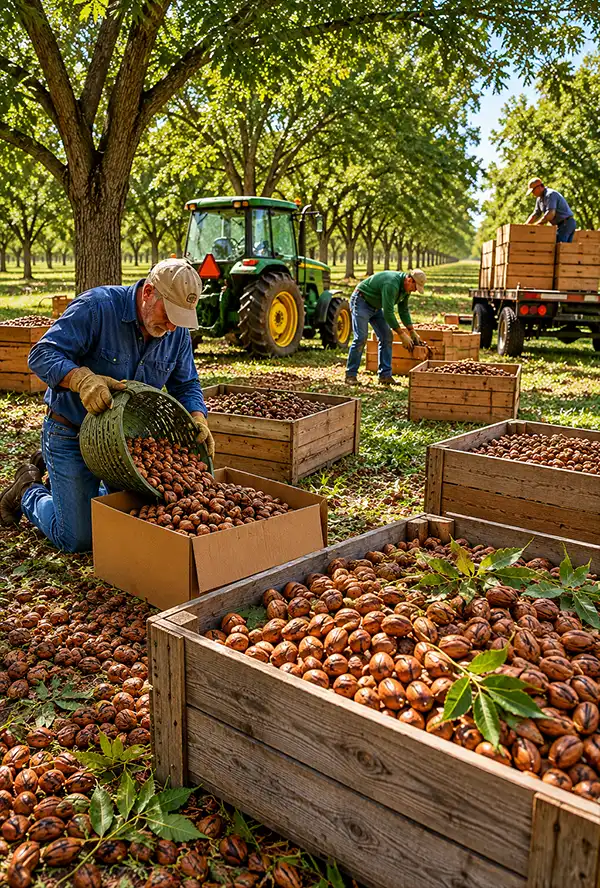
National Pecan Month also shines a spotlight on the Pecan industry itself. Thousands of growers cultivate Pecan orchards across states such as Georgia, Texas, New Mexico, Oklahoma, Louisiana, and Mississippi. These orchards contribute significantly to local economies while helping preserve agricultural traditions that have been passed down through generations. Many family-owned farms continue to produce Pecans using knowledge and techniques refined over decades.
The observance provides an opportunity to recognize the nutritional value of Pecans as well. Rich in healthy fats, fiber, antioxidants, vitamins, and minerals, Pecans offer more than just flavor. They are frequently included in balanced diets and are enjoyed by people looking for nutritious snack options and versatile cooking ingredients.
Most importantly, National Pecan Month gives Pecan lovers a perfectly legitimate excuse to enjoy their favorite recipes without guilt. Whether you're cracking fresh Pecans, baking a Pecan pie, sprinkling chopped Pecans over a salad, or sampling pralines, April is a month dedicated to celebrating one of America's most delicious contributions to the culinary world.
The History of the Pecan
The history of the Pecan stretches back thousands of years, long before European explorers arrived in North America. Native to the rich river valleys and fertile bottomlands of what is now the southern United States and northern Mexico, Pecan trees flourished naturally across a vast region. Indigenous peoples recognized the value of Pecans as an important food source, harvesting the nuts each autumn and using them as a reliable source of nutrition. Pecans were easy to store, rich in energy, and could be traded between tribes, making them an important part of life long before modern agriculture.
The name "Pecan" is believed to have originated from an Algonquian word describing nuts that required a stone to crack. Early European settlers quickly adopted both the nut and its name. Explorers traveling through the Mississippi River Valley frequently noted the abundance of Pecan trees and the importance of the nuts to local Indigenous communities. As settlements expanded across the South, Pecans became a valued food crop for both settlers and traders.
For many years, Pecans were harvested primarily from wild trees. Unlike modern orchards, early growers depended on naturally occurring groves that produced varying sizes and qualities of nuts. During the nineteenth century, horticultural advances transformed Pecan cultivation. Growers developed grafting techniques that allowed desirable varieties to be reproduced consistently, resulting in larger nuts, thinner shells, improved flavor, and more reliable harvests. These improvements helped establish Pecans as a commercially viable crop.
By the late 1800s and early 1900s, Pecan orchards were becoming increasingly common throughout the southern United States. Farmers recognized that Pecan trees could provide a valuable long-term investment. Although the trees require patience, often taking years to reach full production, they can continue producing crops for generations. Some Pecan trees planted more than a century ago are still bearing nuts today.
Today, the United States remains one of the world's leading Pecan producers. Georgia, Texas, New Mexico, Oklahoma, Louisiana, and several other states support thriving Pecan industries that contribute millions of pounds of nuts to domestic and international markets each year. Modern growers combine traditional agricultural knowledge with advanced cultivation techniques to produce high-quality Pecans while preserving a crop that has been part of North American history for centuries.
From Indigenous harvests along riverbanks to modern orchards spanning thousands of acres, the story of the Pecan reflects the agricultural heritage of North America. It is a history rooted in the land, shaped by generations of growers, and enriched by a nut that continues to find its way into kitchens, bakeries, and holiday gatherings across the country.
Why Pecans Are So Popular
Pecans have remained popular for generations because they offer a rare combination of flavor, versatility, nutrition, and tradition. Few foods are equally at home in a holiday pie, a gourmet salad, a breakfast pastry, and a simple handful enjoyed as a snack. Their rich, buttery taste and satisfying texture have earned them a loyal following among home cooks, professional chefs, bakers, and nut lovers alike.
One of the biggest reasons for the Pecan's popularity is its flavor. Unlike some nuts that can be bitter or overly earthy, Pecans have a naturally sweet, rich taste that complements a wide variety of foods. They pair beautifully with ingredients such as chocolate, caramel, maple syrup, cinnamon, brown sugar, and fruit. At the same time, they work equally well in savory dishes, adding crunch and depth to salads, stuffing, rice dishes, and roasted vegetables.
Pecans are also remarkably versatile in the kitchen. They can be chopped, ground, candied, roasted, toasted, or eaten raw. Bakers frequently use them in pies, cookies, cakes, muffins, and breads, while cooks incorporate them into coatings for meats, toppings for casseroles, and ingredients in sauces and dressings. Their ability to adapt to so many recipes makes them a pantry favorite throughout the year.
Nutrition plays a role in their popularity as well. Pecans contain healthy unsaturated fats, fiber, protein, vitamins, minerals, and antioxidants. They are a nutrient-dense food that can be enjoyed as part of a balanced diet. While nobody has ever looked at a giant slice of Pecan pie and thought, "This is clearly a health food," the nuts themselves provide a variety of nutritional benefits when enjoyed in moderation.
For many Americans, Pecans are also closely tied to family traditions and holiday celebrations. Thanksgiving tables often feature Pecan pie, while Christmas gatherings may include pralines, Pecan cookies, candied Pecans, and other seasonal treats. Family recipes passed down through generations have helped keep Pecans firmly rooted in American food culture.
Their popularity extends beyond the kitchen. Pecan trees are admired for their beauty, shade, and longevity. Homeowners often plant Pecan trees knowing they may continue producing nuts for decades, and sometimes for more than a century. A mature Pecan tree can become a cherished feature of a property, providing both harvests and memories for generations.
Perhaps the greatest reason Pecans remain so popular is that they simply taste good. Nutritional benefits, agricultural history, and culinary versatility are all wonderful qualities, but at the end of the day, people continue buying Pecans because they make food more enjoyable. That is a difficult argument for any other nut to crack.
Pecan Pie: America's Famous Nutty Dessert
No discussion of Pecans would be complete without mentioning Pecan pie.
This classic dessert became especially popular in the Southern United States and remains a favorite during Thanksgiving, Christmas, and family gatherings throughout the year. The combination of Pecans, sugar, eggs, and buttery pastry creates a dessert that has ended countless diets before they truly began.
While Pecan pie may be the most famous Pecan recipe, it is far from the only one. Pecans appear in pralines, sticky buns, muffins, cookies, ice cream, granola, and countless family recipes passed down through generations.
Growing Pecan Trees
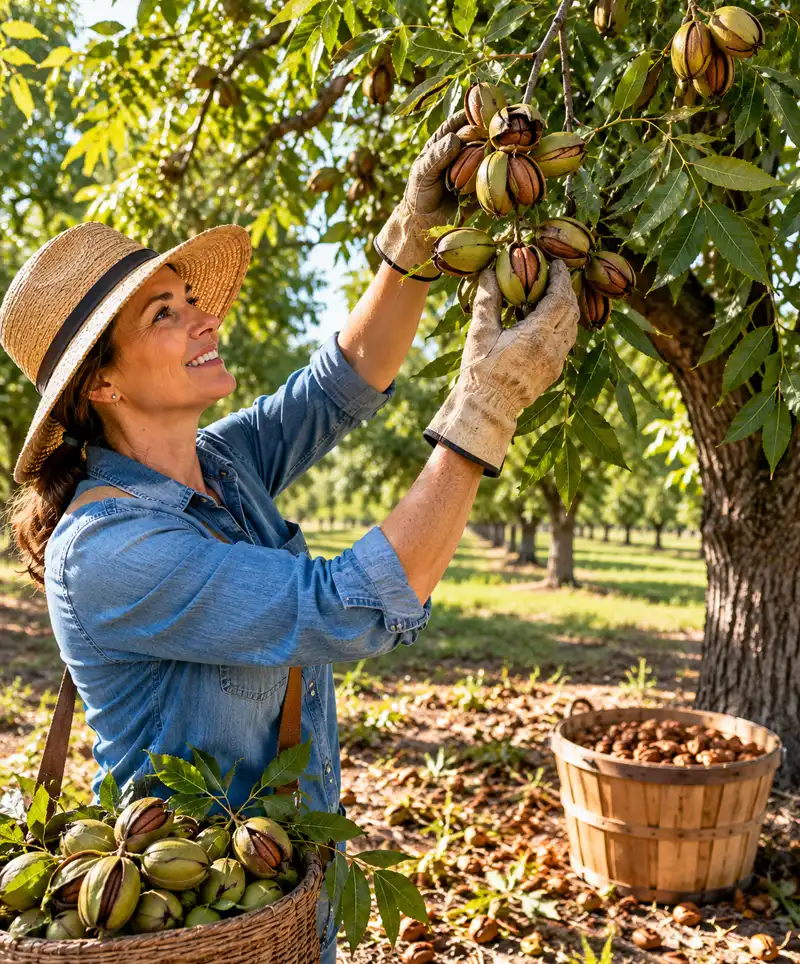
Growing a Pecan tree is often described as an investment in the future. The person planting the tree may not enjoy its greatest harvests, but future generations often will. In that sense, planting a Pecan tree is a bit like writing a letter to your grandchildren that happens to produce pie ingredients.
How to Celebrate National Pecan Month
Celebrating National Pecan Month is surprisingly easy, especially if you enjoy good food and don't mind finding an occasional Pecan shell where you least expect it. The most obvious way to participate is to enjoy some Pecans. Whether that means baking a classic Pecan pie, adding chopped Pecans to a salad, snacking on roasted Pecans, or sampling a batch of pralines, nobody is going to accuse you of observing the month incorrectly.
You might also take a few moments to learn more about where Pecans come from. Most people know what a Pecan looks like once it reaches a pie, but fewer have seen a Pecan orchard or understand how much patience goes into growing these remarkable trees. A little reading about Pecan farming can provide a new appreciation for the growers who spend years nurturing trees that may outlive them.
If you're feeling ambitious, National Pecan Month is an excellent excuse to experiment in the kitchen. Pecans work wonderfully in cookies, cakes, muffins, breads, and candies, but they also add flavor and crunch to savory dishes. Of course, if your experiment somehow results in an entire Pecan pie disappearing before dinner, the investigation will likely remain inconclusive.
For those with suitable space and climate, planting a Pecan tree can be a meaningful way to celebrate. Just remember that Pecan trees operate on their own schedule. They are not interested in your plans, your deadlines, or your desire for immediate results. A Pecan tree teaches patience in much the same way that retirement teaches patience when waiting for customer service representatives to answer the phone.
You can also support local farmers by purchasing Pecans grown in your region. Many orchards and farm markets offer fresh Pecans that are far superior to the forgotten bag that has been sitting in the back of the pantry since the last holiday season. Fresh Pecans have a richer flavor and a much better chance of making it into a recipe before someone quietly eats them by the handful.
However you choose to celebrate, National Pecan Month is ultimately about appreciating one of North America's great native foods. Enjoy a few Pecans, learn something new, and perhaps raise a fork in honor of the humble nut that has been improving desserts for generations.
Fun Facts About Pecans
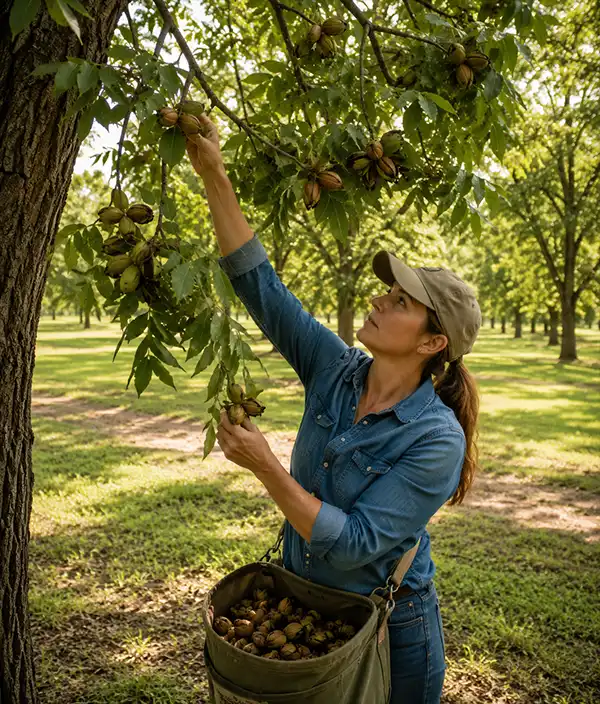
Pecans have been part of North American history for centuries, and along the way they have accumulated quite a collection of interesting stories and surprising facts. From towering trees that can outlive several generations to a nut that became a symbol of Southern cooking, Pecans have earned their place in both agriculture and the kitchen. Here are a few fun facts that might make you appreciate this delicious native nut even more.
- Pecans are native to North America.
- The Pecan tree is the state tree of Texas.
- Pecan trees can live for well over 100 years.
- A mature Pecan tree may produce hundreds of pounds of Pecans annually.
- Pecans belong to the hickory family.
- The United States produces most of the world's Pecans.
- Pecans contain healthy fats, fiber, and antioxidants.
- Squirrels have never officially acknowledged Pecan ownership rights.
National Pecan Month FAQ
When is National Pecan Month?
National Pecan Month is celebrated throughout April each year.
What is a Pecan?
A Pecan is an edible nut produced by the Pecan tree (Carya illinoinensis), a species native to North America and a member of the hickory family.
Are Pecans native to the United States?
Yes. Pecans are one of the few major commercial food crops native to North America and have been harvested in the United States for centuries.
Which state produces the most Pecans?
Georgia is typically the leading Pecan-producing state, although Texas, New Mexico, Oklahoma, and several other states also have significant Pecan industries.
Are Pecans healthy?
Yes. Pecans contain healthy fats, fiber, protein, vitamins, minerals, and antioxidants that can be part of a balanced diet.
Why are Pecans popular in Southern cooking?
Pecans grow naturally throughout much of the South and have long been used in traditional recipes such as Pecan pie, pralines, cookies, cakes, and breads.
How long can a Pecan tree live?
Pecan trees can live for more than 100 years, with some surviving and producing nuts for several generations.
Can Pecans be eaten raw?
Absolutely. Pecans can be enjoyed raw, roasted, toasted, candied, or incorporated into a wide variety of sweet and savory dishes.
Why is Pecan pie so popular?
Pecan pie combines the rich flavor of Pecans with a sweet filling and flaky crust, making it a favorite dessert for holidays and family gatherings throughout the United States.
Whether enjoyed Pecans in a pie, sprinkled over a salad, baked into cookies, or eaten straight from the shell, Pecans have earned their place among America's favorite nuts. Their rich history, impressive nutritional profile, and unmistakable flavor make them worthy of celebration throughout April.
National Pecan Month is the perfect opportunity to learn more about this remarkable native nut, support Pecan growers, and perhaps enjoy a slice of Pecan pie. Purely for educational purposes, of course.