Because Mornings Don’t Fix Themselves
There are heroes among us. They rise early. They face the public before the public has had caffeine. They translate phrases like “half-caf, oat milk, two pumps, no foam, extra hot but not too hot” without blinking. These brave souls are baristas — and National Barista Day is our chance to recognize the people who quite literally keep society functioning.
Observed each year on March 1, National Barista Day celebrates the craft, skill, and steady nerves required to produce that first cup of sanity we depend on. Because let’s be honest — before coffee, most of us are operating at 40% capacity and questionable attitude.
What Is a Barista, Really?
The word barista comes from Italy and simply means “bartender.” In Italy, that includes anyone serving drinks — alcoholic or not. Over time, especially in the United States, the word evolved to refer specifically to someone trained in preparing espresso-based beverages.
And that’s key.
A barista isn’t just “someone who pours coffee.” A barista understands:
- Espresso extraction timing
- Grind size adjustments
- Milk steaming temperatures
- Foam texture
- Flavor balance
- Equipment maintenance
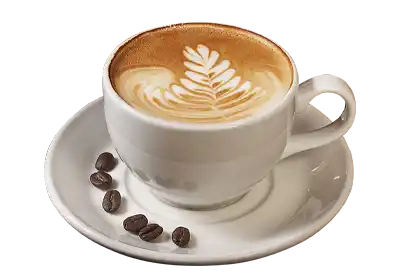
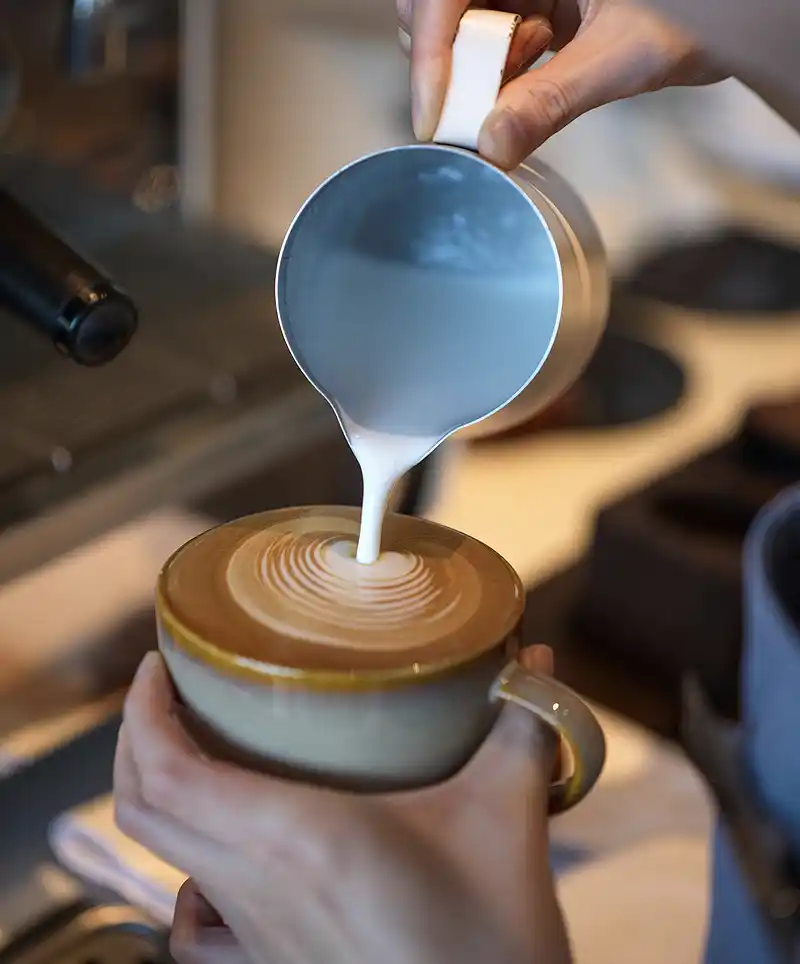
That little heart on top of your latte? That’s not an accident. That’s wrist control, milk texture precision, and experience.
The Science Behind Your Sanity
Good espresso is not casual. It’s chemistry and physics working together in a 25–30 second window. In that brief stretch of time, hot water is forced through finely ground coffee at high pressure, extracting oils, sugars, acids, and aromatic compounds in a carefully balanced dance. Too fast, and the flavors are thin and sharp. Too slow, and bitterness takes over like an uninvited guest. Every variable matters — grind size, water temperature, pressure, even the age of the beans. What looks effortless from the other side of the counter is actually a precise, timed performance where small adjustments make the difference between “That’s nice” and “Now that’s espresso.”
- Water temperature: around 195–205°F
- Pressure: roughly 9 bars
- Extraction time: tightly controlled
- Grind consistency: extremely precise
Too coarse? Weak shot.
Too fine? Bitter overload.
Too long? Harsh.
Too short? Sour.
A skilled barista adjusts throughout the day as humidity, bean freshness, and machine temperature shift. Yes, humidity can affect your morning latte. Coffee is dramatic like that.
Coffee Culture Through the Years
Coffee culture didn’t just evolve — it traveled. From the coffee ceremonies of Ethiopia to the bustling cafés of the Ottoman Empire, coffee has always been more than a drink. It has been ritual, hospitality, and sometimes quiet rebellion served in a small cup.
When coffee reached Europe in the 1600s, it stirred suspicion before it stirred spoons. Some critics called it the “bitter invention of Satan.” That criticism faded quickly once people realized it helped them stay alert during long conversations and even longer workdays. Soon, coffeehouses became centers of discussion, commerce, and news. Lloyd's of London famously began as a coffeehouse where merchants and shipowners met to discuss maritime ventures. Not bad for a beverage that started as a roasted seed.
As centuries rolled forward, coffee adapted to each culture it entered. In Italy, espresso bars became standing-room institutions — quick, efficient, and woven into daily routine. In France, café terraces encouraged lingering. In America, diners made bottomless cups part of the national identity. By the late 20th century, specialty cafés began emphasizing origin stories, roasting methods, and brewing craftsmanship, shifting coffee from a simple commodity to a curated experience.
Today, coffee culture blends tradition with innovation. You’ll find pour-over bars beside drive-thrus, single-origin tastings alongside classic drip, and cafés that double as community hubs, workspaces, and creative studios. The tools may have evolved, and the menus may have grown longer, but the heart of coffee culture remains unchanged: people gathering, ideas forming, and life slowing down — at least long enough to finish a cup.
A Few Coffee Facts to Wake You Up
Before you refill your cup — again — let’s sprinkle in a few eye-opening nuggets about the world’s favorite roasted bean. Coffee has a long, slightly wild history filled with trade routes, experimentation, and more global impact than most breakfast beverages can claim. Some facts will make you appreciate your morning ritual even more. Others may just give you something impressive to say while pretending you’re not entirely dependent on caffeine. Either way, consider this your bonus shot of knowledge.
- Coffee is one of the most traded commodities in the world.
- The two primary commercial species are Arabica and Robusta.
- Espresso contains less caffeine per ounce than drip coffee — but let’s be honest, no one drinks just one ounce.
- Latte art requires properly textured microfoam, not big airy bubbles.
- The world’s most expensive coffees can cost hundreds of dollars per pound.
And yet, somehow, the $5 cup still feels like the most important purchase of the day.
It’s Not Just Coffee — It’s Performance
Watch a barista during a morning rush.
Orders flying in.
Steam wands hissing.
Grinders buzzing.
Milk pitchers clinking.
They move with rhythm. Tamp, lock, brew. Steam, swirl, pour. Repeat. All while maintaining the composure of someone who has already had three espressos and somehow remains calm. There’s real skill involved. Certification programs, competitions, latte art championships — yes, that’s a thing — all exist to refine the craft.
This isn’t “push a button and hope.” This is training.
How to Celebrate National Barista Day
Celebrating National Barista Day doesn’t require you to buy a $2,000 espresso machine or suddenly start judging crema with a serious expression. It simply means taking a moment to appreciate the skill, patience, and steady hands behind your daily cup. Whether you’re a loyal regular at a neighborhood café or someone who survives on drive-thru efficiency, this is the day to recognize that great coffee doesn’t just happen — someone makes it happen. And usually before sunrise.
- Say Thank You.
Sincerely. Eye contact helps. - Tip Generously.
Especially if you have a “complicated” order. - Try Something New.
Ask your barista for a recommendation. - Learn a Little.
Research where your beans come from. Understand the effort behind them. - Support Local Coffee Shops.
Independent cafés often bring character and community to neighborhoods. - Make Coffee at Home — Properly.
Invest in good beans. Use the right grind. Don’t microwave yesterday’s cup and pretend it’s fine.
Baristas do more than serve drinks. They create routine. They anchor mornings. They remember your order. They sometimes remember your name — even when you forget theirs.
They are part of daily life in a quiet, steady way.
And on March 1, we get to acknowledge that the person who handed you that cup of clarity probably deserves more credit than they receive.
Because coffee may power the world…But baristas make it drinkable.
Now — be honest. What’s your order?