June 28, 1938, in New York City, New York
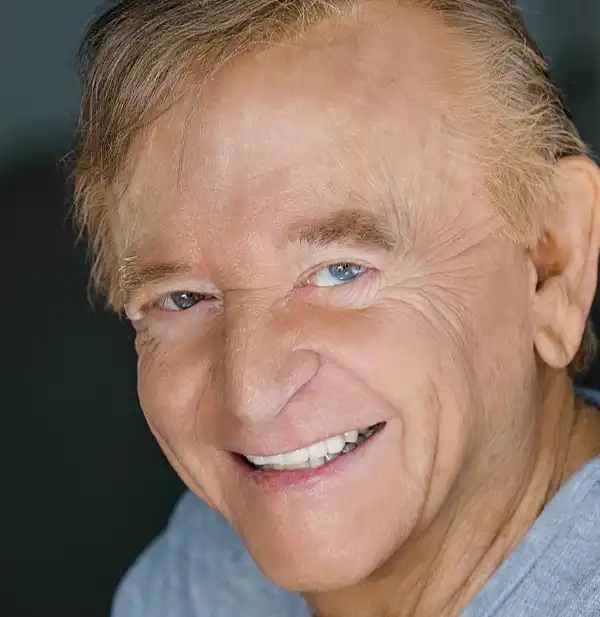
John Byner is what happens when one man walks into show business and brings an entire committee of voices with him. Born John Biener on June 28, 1938, in New York City, he became a comedian, actor, impressionist, voice artist, and television host whose career has lasted long enough to make several TV schedules feel underdressed. Some performers find one voice and build a career. Byner found dozens, packed them neatly into his act, and somehow kept them from arguing backstage.
John Byner is a veteran American comedian, impressionist, actor, and television host best remembered for his elastic voice, sharp timing, and long presence across variety television, sketch comedy, animation, sitcoms, films, and talk shows. Born in New York City, Byner grew up as John Biener before entering entertainment and becoming one of the busiest comic performers of his generation. His father, Michael Biener, worked as an auto mechanic, while his mother, Christina, worked as a mental hospital attendant. That is a working-class background, not a Hollywood fairy-tale beginning, which makes his long career feel even more impressive.
Byner’s comedy career began in New York’s nightclub world, including the famous Village Vanguard in Greenwich Village. That was a proper old-school proving ground: no internet applause, no viral clip, no helpful algorithm patting you on the head. You had a microphone, a crowd, and the immediate knowledge of whether your joke had landed or died with its boots on. Byner learned his craft the hard way, and it showed.
His big break came in the 1960s, when he began appearing on major television variety programs. He became a familiar face on The Ed Sullivan Show, where he demonstrated his gift for impressions and character work. Ed Sullivan’s show was one of the great launching pads of American entertainment, and Byner fit naturally into that world. He could shift voices, parody celebrities, and bring quick comic energy to a stage that regularly hosted singers, dancers, comedians, novelty acts, and anyone else capable of entertaining America before bedtime.
Byner became especially known for impressions of performers such as John Wayne, Dean Martin, Johnny Mathis, Jackie Mason, George Jessel, and Ed Sullivan himself. Impressionists were a major part of mid-century television comedy, but the best ones did more than copy a voice. Byner understood rhythm, posture, facial expression, and attitude. His John Wayne was not just a low voice and cowboy swagger; it carried the timing and physical presence audiences recognized instantly. His Dean Martin-inspired delivery had the relaxed musical looseness that made the impression work. In short, he did not merely imitate famous people; he built miniature comic portraits of them.
Byner appeared on many of the biggest television programs of the era, including The Tonight Show Starring Johnny Carson, The Carol Burnett Show, The Steve Allen Show, The Mike Douglas Show, The Dean Martin Show, Rowan & Martin’s Laugh-In, Hollywood Squares, and other variety and talk programs. During the 1960s and 1970s, that kind of exposure mattered enormously. These were shows watched by millions, and regular appearances could turn a talented club performer into a household name.
His acting work stretched across comedy, drama, and guest roles. He appeared on Get Smart in the 1960s, bringing his impression skills into the spy-comedy world of Maxwell Smart. He also showed up in The Odd Couple, Hawaii Five-O, The Practice, Soap, and other series. On Soap, the wonderfully chaotic late-1970s sitcom that treated family dysfunction like an Olympic sport, Byner played Detective Donahue. That show was already filled with eccentric characters, so fitting in required real comic horsepower.
Byner also worked in film. One of his notable appearances came in the 1972 comedy What’s Up, Doc?, directed by Peter Bogdanovich and starring Barbra Streisand and Ryan O’Neal. He later appeared in Transylvania 6-5000, a 1985 horror-comedy featuring Jeff Goldblum, Ed Begley Jr., Geena Davis, Joseph Bologna, Carol Kane, and other familiar faces. The film became one of those oddball cult comedies that seemed built for late-night television and people willing to say, “Well, this is strange, but I’m still watching.”
For animation fans, Byner holds a special place thanks to his voice work on The Ant and the Aardvark cartoons. He voiced both title characters, using impressions inspired by Dean Martin and Jackie Mason. That is a wonderfully peculiar sentence, and yet it is true. The result was one of the more distinctive comic pairings in classic animation: a cool, smooth-talking ant and a hungry aardvark with a voice full of frustrated personality. Voice acting often goes underappreciated, but Byner’s work on those cartoons showed just how much character can be created with sound alone.
One of Byner’s most important television achievements was Bizarre, the sketch comedy series that aired from 1979 to 1986. Byner hosted the program and helped give it its mischievous comic identity. The show became known for offbeat sketches, celebrity impressions, and recurring characters. It also helped introduce audiences to Bob Einstein’s legendary stuntman character Super Dave Osborne, who first emerged from Byner’s earlier television orbit before becoming a major comedy figure in his own right. Super Dave’s whole act seemed to be built on the noble tradition of a man confidently preparing to injure himself for laughs, which, in fairness, is a very durable comedy structure.
Bizarre earned Byner wider recognition as a television host and sketch performer. The show ran for six seasons, an impressive achievement for any sketch comedy program, especially one that leaned into a sharper, looser, sometimes more adult comic style than traditional network variety shows. Byner won an ACE Award for Bizarre, and he later received another ACE Award connected with Comedy on the Road, further proving that cable television knew what broadcast television had already learned: John Byner was very good at making people laugh.
Byner also hosted and appeared in other programs over the years, including Something Else, The John Byner Comedy Hour, and Comedy on the Road. His hosting style drew on the classic variety tradition. He could introduce acts, perform characters, shift into impressions, and keep the pace moving. That kind of performer has become rarer over time. Today, entertainment often separates people into neat lanes: actor, host, stand-up, voice artist, panelist. Byner came from an era when a performer was expected to do the job, fill the stage, and be funny before the band played him off.
His career did not stop with the golden age of variety television. Byner continued acting and making appearances for decades. He appeared in projects such as Lore, the Amazon horror anthology series based on the popular podcast, and he later appeared in the film D.O.A., a modern take inspired by the classic 1950 film noir title. His performance in D.O.A. earned him a Best Supporting Actor award at the 2023 Flagler Film Festival. That late-career recognition is a fine reminder that timing, talent, and persistence do not come with an expiration date.
In 2020, Byner released his memoir, Five Minutes, Mr. Byner!: A Lifetime of Laughter, co-written with Douglas Wellman. The book looks back at his long entertainment career and the people, stages, studios, and strange show-business moments he encountered along the way. The title refers to the classic backstage warning performers hear before going on, and it suits Byner perfectly. He spent a lifetime being ready when someone called his name.
John Byner’s career matters because he belongs to a generation of entertainers who learned by performing constantly. Nightclubs, variety shows, talk shows, sitcoms, sketches, cartoons, roasts, and guest spots all helped shape him into a performer who could adapt quickly. He did not need elaborate effects or a massive production budget to be funny. Give him a stage, a microphone, and a famous voice to bend into comic shape, and he was in business.
At his best, Byner represented the bridge between classic show-business variety and modern television comedy. He carried echoes of vaudeville, nightclub comedy, celebrity impersonation, sketch work, and animation voice acting. That range gave him staying power. He could make an audience laugh as himself, as a character, as a famous movie star, or as an animated aardvark chasing an ant. Frankly, that is more range than most job descriptions can handle.
John Byner remains a respected figure among fans of classic television comedy, impressionists, and variety entertainment. His work reminds us of a time when television comedy was often built around personality, timing, and performers who could think on their feet. He made a career out of being many people at once, but behind all the voices was one unmistakable talent.