

Because Sometimes Your Browser Needs Better Boundaries Than Your Front Door
The internet has become the world's largest library, shopping mall, movie theater, classroom, doctor's waiting room, and neighborhood gossip bench—all squeezed into something that fits in your pocket. That's wonderfully convenient... right up until you've spent forty-five minutes watching a video about medieval spoons when all you wanted was tomorrow's weather forecast.
Internet Self-Care Day, observed every August 21, reminds us that technology works best when it works for us instead of on us. Rather than encouraging people to abandon their devices, the day promotes healthier, more intentional ways of using the internet to improve mental, emotional, and even physical well-being. Whether that means finding supportive communities, learning a new skill, limiting endless doomscrolling, or simply remembering to stand up before your chair becomes a permanent part of your anatomy, the goal is balance.
Created in 2017 by Amber Discko, founder of the self-care app Aloe Bud, Internet Self-Care Day encourages everyone—particularly people managing chronic illnesses, mental health challenges, or neurodivergence—to build healthier digital habits and use online resources as tools for wellness rather than sources of stress.

What Is Internet Self-Care Day?
Internet Self-Care Day encourages people to take a thoughtful look at how they use the internet and whether those online habits are helping—or hindering—their overall well-being. It isn't about abandoning technology, deleting every social media account, or locking your smartphone in a kitchen drawer. Instead, it's about making the internet a healthier, more positive part of everyday life.
The observance was created in 2017 by Amber Discko, founder of the self-care app Aloe Bud, with the goal of helping people develop healthier digital routines. Originally aimed at supporting individuals living with chronic illnesses, mental health conditions, and neurodivergence, the idea quickly resonated with a much wider audience. After all, almost everyone has experienced the strange phenomenon of opening the internet to check one simple fact and somehow emerging an hour later knowing the complete history of Roman plumbing.
At its heart, Internet Self-Care Day reminds us that the internet is simply a tool. Like any tool, its value depends on how we use it. The same device that delivers alarming headlines, endless notifications, and heated online arguments can also provide access to doctors, therapists, educational courses, exercise programs, meditation sessions, support groups, and lifelong friendships. The challenge is learning to spend more time with the helpful parts and less time wandering into digital rabbit holes that leave us feeling anxious, distracted, or exhausted.
The day also shines a spotlight on digital wellness—a growing movement that encourages people to build healthier relationships with technology. That can mean setting boundaries around screen time, curating social media feeds, protecting personal privacy, taking regular breaks, and using online resources that genuinely improve physical, emotional, and mental health.
As our lives become increasingly connected through smartphones, tablets, computers, and wearable devices, Internet Self-Care Day is a timely reminder that good health doesn't stop when we go online. By making small, intentional changes to our digital habits, we can enjoy everything the internet has to offer without letting it dominate our attention or diminish our quality of life. It's less about logging off forever and more about ensuring that, when we do log in, we're spending our time wisely rather than wondering why we somehow ended up watching a documentary about competitive cheese rolling at two o'clock in the morning.
The Story Behind the Day
Unlike many annual observances that trace their roots back decades—or even centuries—Internet Self-Care Day is a thoroughly modern creation. It was established in 2017 by Amber Discko, a designer and advocate for digital wellness who recognized that the internet could be far more than a source of entertainment or distraction. Used thoughtfully, it could become an important part of a person's daily self-care routine.
Discko is also the creator of Aloe Bud, a self-care application designed to help people build healthy routines through gentle reminders and encouragement rather than pressure or guilt. While developing the app, she became increasingly aware that many people living with chronic illnesses, mental health challenges, disabilities, and neurodivergence were already relying on online communities, educational resources, and digital tools to manage their everyday lives. The internet wasn't simply convenient—it had become an essential support system.
Internet Self-Care Day was created to encourage people to gather those helpful resources in one place and to become more intentional about the way they interacted with technology. Instead of allowing endless notifications, alarming headlines, or social media algorithms to dictate their attention, users were encouraged to shape their online experiences around their own well-being.
The idea quickly gained support because its message was refreshingly realistic. Rather than urging people to abandon technology or unplug completely, Internet Self-Care Day acknowledged an obvious truth: for work, education, healthcare, communication, shopping, banking, and staying connected with family and friends, the internet has become woven into everyday life. The answer isn't to stop using it—it's to use it wisely.
Since its launch, awareness of digital wellness has grown considerably. Schools, healthcare providers, employers, and mental health organizations increasingly recognize that healthy online habits are just as important as healthy eating, regular exercise, and getting enough sleep. Discussions about screen fatigue, digital boundaries, online privacy, cyberbullying, and responsible social media use have become part of everyday conversation, making the observance even more relevant than when it first began.
Today, Internet Self-Care Day is an annual reminder that the internet is one of the most powerful tools ever created. It can educate, inspire, comfort, and connect people across continents in seconds. It can also consume hours without us realizing it. The challenge isn't choosing between living online or offline—it's learning to make technology serve our lives instead of quietly taking them over, one notification at a time.
Warning Signs That You Need a Digital Reset
The internet is a wonderful invention. It lets you pay your bills, order dinner, attend a meeting, watch a documentary, and argue with a complete stranger about whether pineapple belongs on pizza—all without leaving your chair. The trouble begins when that chair starts developing a permanent imprint of your backside.
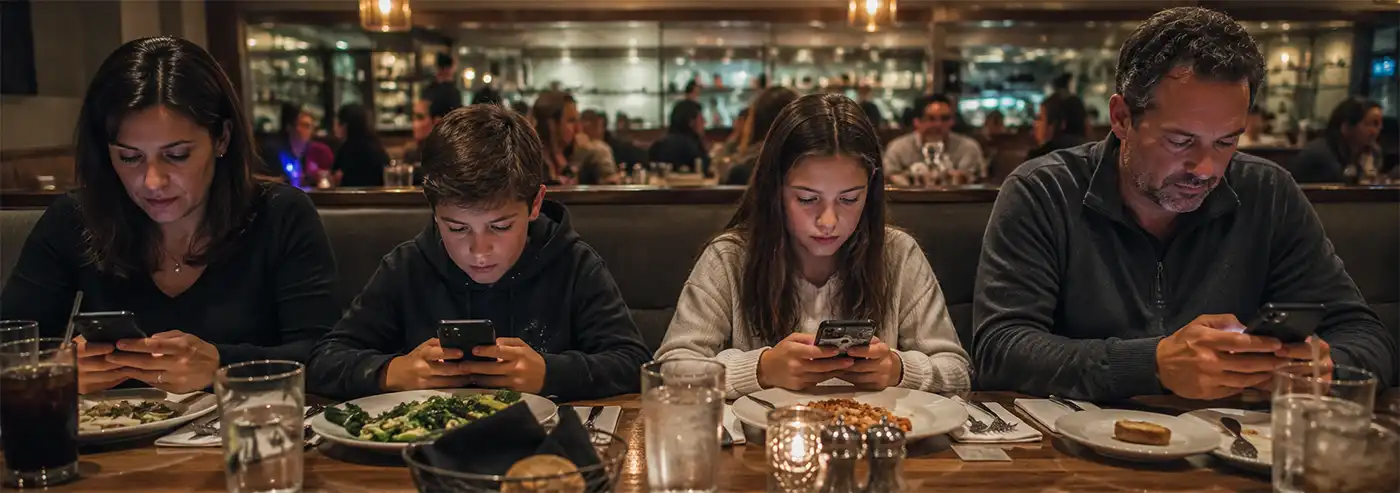
Most of us don't notice our online habits gradually changing because they happen one click at a time. Fortunately, there are a few telltale signs that it might be time to step away from the keyboard, stretch your legs, and remind yourself that the world still exists beyond Wi-Fi.
- You Open Your Phone... and Forget Why: You unlock your phone with a purpose. Twenty minutes later you're watching a retired zookeeper explain why capybaras are friends with absolutely everyone. Your original mission remains a mystery.
- You Check for Notifications That Don't Exist: You hear a phantom vibration. You check your phone. Nothing. Five minutes later, you check it again... just in case it was shy the first time.
- "Just One More Video..." Every streaming service and social media platform has mastered the art of suggesting just one more clip. Before you know it, you've watched enough cooking videos to qualify for your own television show but still end up making toast for dinner.
- You're Reading the Comments: You promised yourself you wouldn't. You knew exactly how it would end. Yet there you are, halfway through an argument between two complete strangers about whether a squirrel could beat a goose in a fair fight. Close the comments. Save yourself.
- You Know More About Celebrities Than Your Neighbors: You can name three actors who just bought beachfront homes. Meanwhile, you couldn't pick your next-door neighbor out of a police lineup. That's probably a sign to wave over the fence once in a while.
- Your Neck Has Become an Origami Project: Hours spent staring down at a phone can leave your neck and shoulders feeling as though you've spent the afternoon carrying paving stones instead of reading emails. Your body occasionally enjoys standing upright.
- You Reach for Your Phone During Every Quiet Moment: Waiting in line? Phone. Commercial break? Phone. Waiting for the microwave? Definitely phone. Some of life's best ideas arrive during quiet moments—provided we don't immediately fill every spare second with scrolling.
- You've Fallen Into the Doomscrolling Trap: One news story becomes another. Then another. Then another. By bedtime you're convinced civilization has approximately twelve minutes left. Staying informed is important. Living in a permanent state of panic isn't.
- Your Eyes Feel Like Sandpaper: Dry eyes, blurred vision, headaches, and tiredness often mean you've been staring at a screen for far too long. Even computers appreciate the occasional restart. Your eyes do too.
- You've Said, "I'll Go to Bed After This": This may be the most dangerous sentence ever spoken on the internet. "This" becomes another article. Then another video. Then someone asks a fascinating question you've never considered before. Suddenly the birds are singing outside, and you're wondering why breakfast has arrived before bedtime.
The Good News
If you recognized yourself in one—or several—of these examples, don't worry. You're in very good company. Internet Self-Care Day isn't about making anyone feel guilty for enjoying technology. It's about noticing when our online habits are quietly taking control and making a few simple adjustments before our smartphones begin expecting birthday cards from us. The goal isn't to spend less time online at all costs. It's to spend that time in ways that leave you feeling informed, connected, productive, and happy... rather than wondering why you now know the mating habits of Peruvian tree frogs when all you wanted was tomorrow's weather forecast.
Easy Ways to Practice Internet Self-Care
The good news is that practicing Internet Self-Care doesn't require throwing your smartphone into the nearest lake or moving to a cabin in the mountains where the nearest internet connection is a carrier pigeon. Small changes can make a surprisingly big difference, and most of them take only a few minutes to put into practice.
Give Your Notifications a Good Spring Cleaning
Does your phone really need to announce every flash sale, game update, weather alert, sports score, and reminder that someone you've never met has posted another photograph of their lunch? Probably not.
Turn off notifications that don't genuinely improve your day. You'll be amazed how peaceful life becomes when your phone isn't trying to hold a conversation every thirty seconds.
Curate Your Social Media
Imagine inviting hundreds of people into your living room every day. If one guest constantly complains, another spreads rumors, and a third insists the Earth is shaped like a doughnut, you'd probably stop inviting them. Your social media feed deserves the same treatment.
Follow accounts that educate, inspire, entertain, or make you smile, and don't be afraid to unfollow those that leave you feeling anxious, angry, or exhausted.
Schedule Time Away from the Screen
Your devices don't need your undivided attention every waking moment. Set aside time each day to read a book, take a walk, enjoy a hobby, chat with family, or simply sit outside with a cup of coffee and watch the world carry on without needing a password. The internet will still be there when you get back. It has proven remarkably patient.
Learn Something New
One of the greatest gifts of the internet is access to knowledge. Learn a language, study astronomy, improve your cooking, take an online course, discover your family history, or finally figure out how that mysterious setting on your camera actually works. The internet was built for curiosity—use it to feed your brain instead of merely occupying it.
Organize Your Digital Life
Delete apps you never use. Clean out old downloads. Sort your bookmarks. Unsubscribe from newsletters you stopped reading sometime during the previous administration.
A tidy digital space can feel just as satisfying as cleaning out a cluttered garage—without discovering three rusty garden tools and a box of mystery cables.
Protect Your Privacy
Good digital self-care includes staying safe online. Use strong, unique passwords, enable two-factor authentication whenever possible, keep your software updated, and be cautious about sharing personal information. Think of it as locking your front door. You probably trust your neighbors, but you still turn the key before going to bed.
Move More Often
Every hour or so, stand up. Stretch. Walk around the room. Refill your water. Look out the window. Your muscles, joints, eyes, and circulation will all thank you, even if your favorite chair feels slightly abandoned.
Be Mindful of Your News Diet
Keeping up with current events is important, but consuming a steady stream of alarming headlines can quickly become overwhelming. Choose a few reliable news sources, check them at specific times during the day, and then give yourself permission to move on to something more uplifting.
The world has always had problems. Reading about them every five minutes doesn't solve them any faster.
Use Technology to Improve Your Well-Being
Not every minute online has to involve scrolling. Try a guided meditation. Join an exercise class. Video chat with distant family. Listen to relaxing music. Track your daily walk. Volunteer online. Support a worthwhile cause.
Technology is at its best when it helps us live richer, healthier, and more connected lives.
Remember That Real Life Doesn't Need Wi-Fi
Some of life's finest moments happen where there isn't a screen in sight.
-
- A family meal.
- A conversation with a friend.
- Watching a sunset.
- Playing with the dog.
- Laughing until your sides hurt over something completely ridiculous.
The internet can help us discover these moments, share them, and even preserve them—but it should never become a substitute for living them.
After all, no matter how advanced technology becomes, no search engine has yet managed to improve the taste of fresh coffee enjoyed on a quiet morning or the pleasure of hearing someone say, "Put your phone away and come look at this!" Those moments are still best experienced the old-fashioned way—with your own eyes.

How the Internet Is Improving Health Around the World
For all the jokes about spending too much time online, it's easy to forget that the internet has become one of the greatest public health and educational tools ever created. Used wisely, it can improve physical health, support mental well-being, reduce isolation, and give people access to services that previous generations could scarcely imagine.
For millions of people, particularly those living in rural communities or coping with chronic illnesses, the internet has become a lifeline. Patients can consult doctors through telehealth appointments, order prescriptions, access medical records, and receive specialist advice without spending hours traveling. What once required a full day away from work or family can often be accomplished with a secure video call from home.
Mental health has also benefited enormously from responsible digital technology. Online counseling, guided meditation, stress-management programs, and peer support communities have made professional help more accessible than ever before. People experiencing anxiety, depression, grief, or loneliness can find qualified assistance and supportive communities regardless of where they live. While online support can never replace emergency medical care or professional treatment when it is needed, it has become an important source of encouragement and education for countless individuals.
The internet has also transformed lifelong learning. Whether someone wants to master a new language, learn to play the guitar, understand astronomy, improve their gardening skills, or finally discover why sourdough bread behaves the way it does, the world's classrooms are only a few clicks away. Educational websites, online universities, libraries, museums, and instructional videos have made learning available to anyone with an internet connection and a healthy dose of curiosity.
Physical health has found a place online as well. Exercise classes, walking challenges, nutrition advice, fitness tracking, and healthy cooking tutorials encourage people to become more active and make better lifestyle choices. Many wearable devices now remind users to stand up, move around, drink water, or take a short break from prolonged sitting. Admittedly, some people respond by standing up just long enough to fetch another biscuit, but the reminder is there all the same.
Around the world, the concept of digital wellness has gained increasing recognition. Schools are teaching children how to navigate the internet safely and responsibly. Employers are encouraging healthier work-life balance by reducing after-hours emails and promoting regular screen breaks. Healthcare organizations routinely publish advice on reducing digital fatigue, improving sleep by limiting screen use before bedtime, and protecting mental health while using social media.
Technology companies themselves have also introduced tools designed to encourage healthier habits. Many smartphones and tablets now include screen-time reports, focus modes, app usage statistics, notification controls, and parental supervision features. These tools allow users to better understand their online behavior and make adjustments that fit their own lifestyles.
Perhaps the greatest lesson of Internet Self-Care Day is that the internet itself is neither hero nor villain. It is one of the most powerful tools humanity has ever created, capable of educating, connecting, entertaining, and healing. Like any powerful tool, its impact depends largely on how we choose to use it.
When approached with intention and balance, the internet becomes far more than a source of endless scrolling. It becomes a place to learn, recover, connect with others, solve problems, share experiences, and improve our quality of life. That's exactly the future Internet Self-Care Day encourages us to build—one thoughtful click at a time.
Internet Self-Care Day FAQ
The internet has become an essential part of modern life, making it natural for people to have questions about digital wellness and Internet Self-Care Day. Here are some of the most common questions and answers about this growing observance and how it can help you build healthier online habits.
What is Internet Self-Care Day?
Internet Self-Care Day is observed every year on August 21. It encourages people to develop healthier online habits by using the internet in ways that support their mental, emotional, and physical well-being.
Who created Internet Self-Care Day?
Internet Self-Care Day was created in 2017 by Amber Discko, founder of the self-care app Aloe Bud. She launched the observance to encourage people to use digital tools more intentionally, particularly those managing chronic illnesses, mental health challenges, or neurodivergence.
Why is Internet Self-Care Day important?
The observance reminds us that while the internet offers incredible opportunities for learning, communication, healthcare, and entertainment, excessive or unhealthy use can contribute to stress, anxiety, poor sleep, and digital fatigue. The day encourages finding a healthy balance.
Does Internet Self-Care Day encourage people to avoid technology?
No. The purpose isn't to disconnect from technology altogether. Instead, Internet Self-Care Day promotes using the internet wisely, setting healthy boundaries, and making online activities beneficial rather than overwhelming.
What are some examples of healthy internet habits?
Healthy habits include limiting unnecessary notifications, taking regular screen breaks, following positive and educational content, protecting your online privacy, organizing your digital life, and spending time away from screens each day.
Can the internet actually improve my health?
Yes. The internet provides access to telehealth appointments, fitness programs, mental health resources, educational courses, meditation apps, and online support communities. Used responsibly, it can be an excellent tool for improving overall well-being.
What is digital wellness?
Digital wellness refers to maintaining a healthy relationship with technology by balancing screen time with offline activities, protecting mental health, using devices responsibly, and ensuring technology supports rather than disrupts everyday life.
How can I celebrate Internet Self-Care Day?
You can celebrate by cleaning up your digital devices, reviewing your privacy settings, learning a new skill online, taking regular screen breaks, spending time outdoors, video chatting with loved ones, or simply being more mindful of how you spend your time online.
Is Internet Self-Care Day only for people with mental health challenges?
No. While the observance was originally inspired by helping people with chronic illnesses and mental health conditions, its message applies to everyone. Anyone who uses the internet can benefit from healthier digital habits.
Is Internet Self-Care Day celebrated internationally?
Yes. Although it began in the United States, the message of digital wellness is universal. As internet access continues to grow around the world, more individuals, organizations, educators, and healthcare professionals recognize the importance of maintaining healthy online habits.
One More Click
The internet has changed the world in ways that would have seemed like science fiction just a few decades ago. Today, we can learn a new language, consult a doctor, explore the surface of Mars, reconnect with old friends, or watch a live camera feed from the other side of the planet—all before breakfast. That's an astonishing achievement, and one well worth celebrating.
Internet Self-Care Day reminds us that the real power of the internet isn't measured by the speed of our connection or the number of devices we own. It's measured by how much it enriches our lives. When we use technology with purpose, it becomes a gateway to knowledge, creativity, friendship, and better health. When we let it consume every spare moment, however, even the most remarkable technology can leave us feeling tired, distracted, and disconnected from the world around us.
Fortunately, finding a healthier balance doesn't require dramatic changes. A few fewer notifications, a few more walks, a little less doomscrolling, and a little more learning can transform our online experience. Internet Self-Care Day isn't about giving up the internet—it's about getting the very best from it.
So, on August 21, take a few moments to tidy up your digital life. Update your passwords. Organize your bookmarks. Call a friend instead of sending a text. Learn something fascinating. Then, when you're finished, close the laptop, put the phone in your pocket, step outside, and remember that the best high-definition display ever invented is still the one waiting just beyond your front door.
And if, after all that, you find yourself wondering how Roman engineers kept their plumbing flowing two thousand years ago... well, that's probably a perfectly acceptable rabbit hole to explore tomorrow. Just don't forget why you picked up your phone in the first place.