Reminding Us Every Animal Deserves a Home
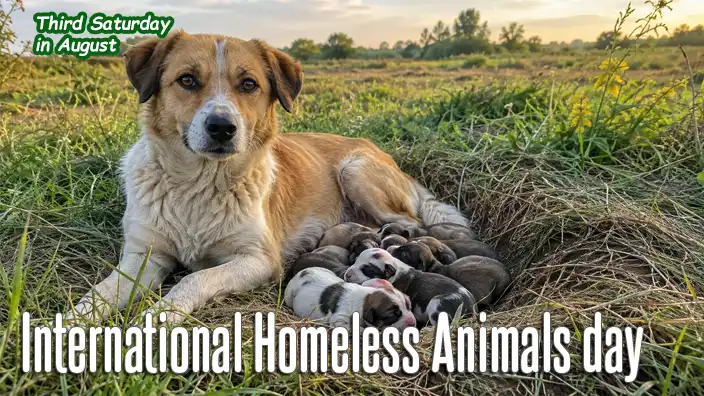
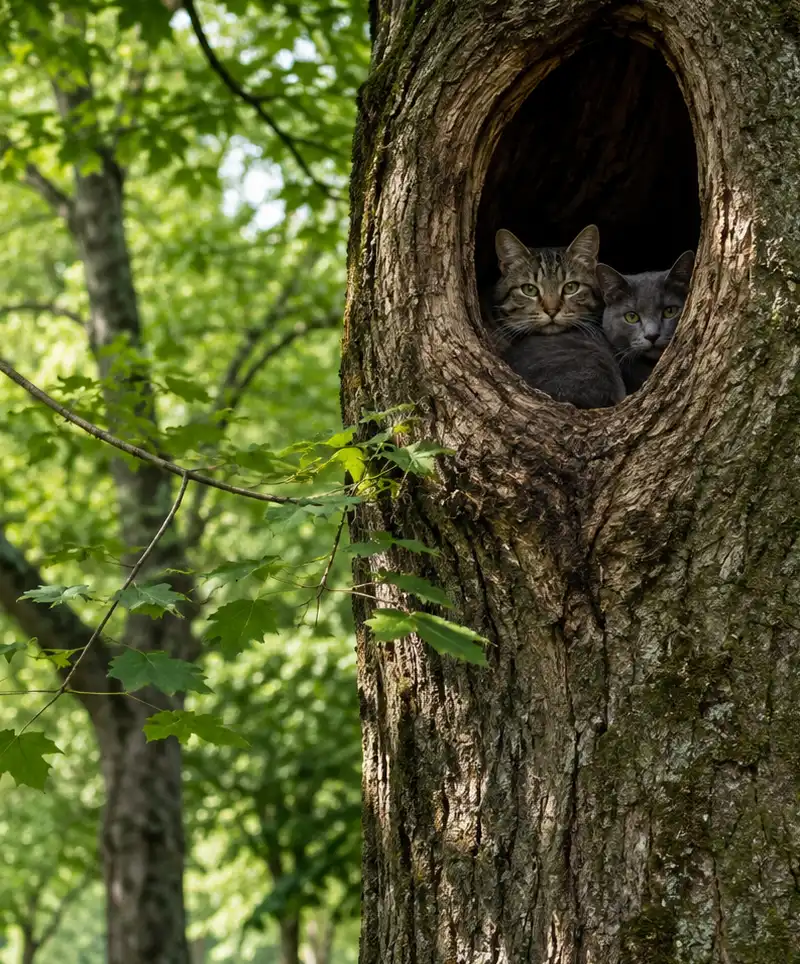
International Homeless Animals Day is observed on the third Saturday of August to raise awareness of homeless dogs and cats, animal overpopulation, responsible pet ownership, spaying and neutering, fostering, and pet adoption. Created by the International Society for Animal Rights (ISAR) in 1992, the observance encourages communities around the world to consider the millions of companion animals living as strays or waiting in animal shelters and rescue organizations. Behind every shelter kennel and wandering neighborhood cat is an animal whose story went somewhere it wasn't supposed to go. International Homeless Animals Day isn't about making people feel guilty for having a comfortable dog snoring across half the sofa; it's about asking whether we can extend a little of that good fortune to animals still looking for their own sofa to commandeer.
What Is International Homeless Animals Day?
International Homeless Animals Day is more than an opportunity to share photographs of shelter dogs and cats and wonder how anyone could resist taking all of them home. The observance was created by the International Society for Animal Rights (ISAR) in 1992 to focus worldwide attention on homeless companion animals and, particularly, the problem of dog and cat overpopulation. Its message centers on practical solutions: responsible pet ownership, affordable spaying and neutering, adoption, microchipping, veterinary care and community action that can prevent animals from becoming homeless in the first place.
The day is observed each year on the third Saturday in August, rather than on a fixed date. ISAR has used that schedule since establishing International Homeless Animals Day and coordinates events around the world on that Saturday. Those events can range from adoption fairs, shelter open houses and low-cost spay-and-neuter clinics to pet-food drives, educational programs and candlelight vigils remembering homeless animals that did not find their way to permanent homes.
Why the third Saturday in August? ISAR's historical information establishes the tradition but does not appear to provide a specific explanation for why that particular weekend was originally chosen. What we do know is that using a common Saturday allows International Homeless Animals Day activities to take place around the world as one coordinated observance. Since 1992, that single day has grown into an international campaign involving animal shelters, rescue organizations, veterinarians, volunteers and communities working toward a wonderfully simple objective: fewer animals without homes and more empty cages at the shelter.
How International Homeless Animals Day Began
International Homeless Animals Day began in 1992 as an initiative of the International Society for Animal Rights (ISAR). The organization announced the program in its Spring 1992 newsletter as part of a broader campaign addressing dog and cat overpopulation. At the heart of the idea was an uncomfortable reality: far more puppies and kittens were being born than there were suitable homes waiting for them. ISAR wanted to move beyond simply drawing attention to homeless animals and concentrate on measures that could reduce the number becoming homeless in the first place—particularly affordable spay and neuter programs, responsible pet ownership and adoption.
From the beginning, International Homeless Animals Day was intended to be a coordinated public effort rather than another observance that merely asks everyone to think about something for 24 hours and carry on as before. ISAR brought together animal shelters, humane societies, rescue organizations, veterinarians, public officials, businesses and individual volunteers to spread the spay/neuter and adoption message. Candlelight vigils became one of the day's traditions, remembering animals that had suffered or died without finding homes, while communities also organized adoption events, veterinary clinics, educational programs and other activities designed to produce practical results.
What started in 1992 has since become a genuinely international animal-welfare campaign. According to ISAR, International Homeless Animals Day observances have now taken place in all 50 U.S. states and the District of Columbia, more than 85 countries and on six continents. The activities have expanded to include low-cost vaccination and microchipping clinics, shelter open houses, pet-food drives, dog walks, fundraising events and free veterinary services alongside the original emphasis on adoption and sterilization. The methods may differ from one community to another, but the objective has remained remarkably consistent since 1992: prevent unwanted litters, help homeless dogs and cats find permanent homes and, eventually, give animal shelters considerably less work to do.
What Do We Mean by a Homeless Animal?
The term homeless animal sounds straightforward, but it covers several very different situations. A homeless companion animal is generally a dog or cat that does not have a secure, permanent human home. Some live in animal shelters or rescue facilities, some stay temporarily with foster families, and others survive outdoors as strays or members of established community-cat populations. An animal wandering down the street may have been abandoned, but it might also be a much-loved pet that slipped through a gate twenty minutes ago while its owner is frantically searching the neighborhood.
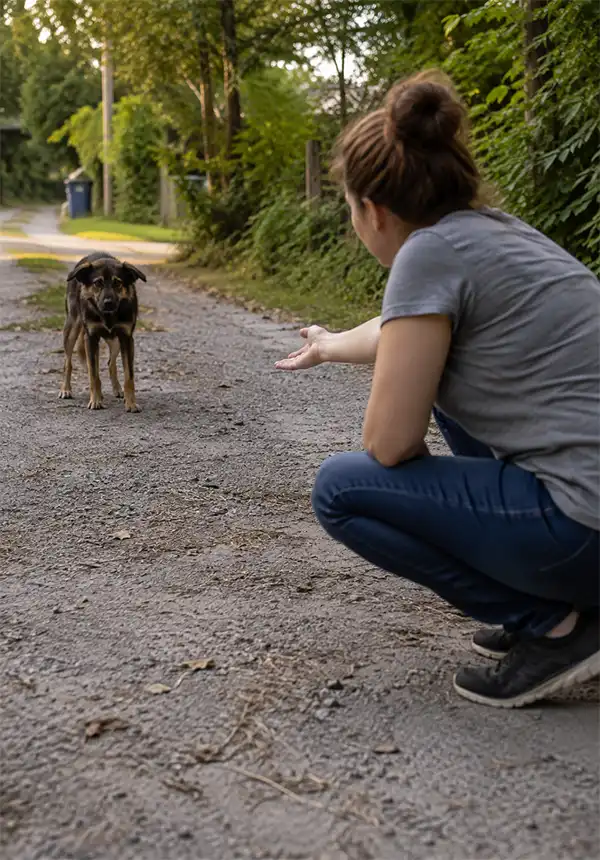
Stray animals are usually domesticated dogs or cats found roaming without an identifiable owner immediately present. Some have become separated from their families, which is why checking identification tags, reporting the animal to local authorities or shelters, and having it scanned for a microchip are important before assuming it needs a new owner. Others really have been abandoned or have lived without human care for an extended period. Their behavior can vary enormously: one stray dog may happily climb into the first open car door, while another has learned through experience that approaching strangers isn't always a good idea.
Shelter and rescue animals may arrive for equally varied reasons. Some are found as strays, while others are surrendered when their owners can no longer care for them because of housing restrictions, financial hardship, illness, family changes or other circumstances. Animals may also be removed from neglectful situations or transferred between overcrowded shelters and rescue organizations. Calling all surrendered animals “unwanted pets” oversimplifies the issue; sometimes an owner desperately wants to keep an animal but no longer has a realistic way to provide appropriate care.
Cats add another complication. Feral and community cats may live outdoors independently or in colonies and can have very different relationships with humans. Some community cats are friendly and accustomed to people, while genuinely feral cats may have had little human contact and may not be suitable for conventional adoption into a household. Programs such as Trap-Neuter-Return (TNR) seek to humanely capture community cats, sterilize and vaccinate them, and return appropriate animals to their established territory, helping prevent additional litters while managing existing populations.
Understanding these differences matters because there isn't one solution for every homeless animal. A lost Labrador needs to be reunited with its family. A surrendered house cat may need a new adopter. An orphaned kitten might require foster care, while a healthy feral cat may be better served through a properly managed community-cat program. International Homeless Animals Day brings all of these situations under the same broad concern: ensuring that dogs and cats receive humane care while reducing the number that end up without safe and appropriate homes in the future.
How Do Dogs and Cats Become Homeless?
There is no single road to animal homelessness. Some dogs and cats are deliberately abandoned, but many become homeless through a chain of circumstances that nobody intended. A pet escapes from a yard, slips out during a move, becomes frightened during a storm or fireworks display, or wanders farther from home than expected. Without identification or a registered microchip, a perfectly well-loved family pet can become another unidentified stray remarkably quickly.
Other animals lose their homes because their owners' circumstances change. Financial hardship, eviction, housing restrictions, relocation, illness, death, divorce and admission to long-term care can all separate people from animals they genuinely love. Rental housing can be particularly difficult for pet owners when landlords prohibit animals, impose size or breed restrictions, or charge deposits and fees the tenant cannot afford. In these cases, surrendering a pet to an animal shelter or rescue organization may be an owner's last available option rather than evidence that the animal was casually discarded.
Then there are animals that really are abandoned. Dogs and cats are sometimes left beside roads, outside shelters, in vacant properties or simply turned loose when their owners no longer want them. Apart from being cruel and potentially illegal, abandonment leaves a domesticated animal suddenly responsible for finding food, water and shelter while avoiding traffic, predators, disease and people who may not welcome its arrival. Despite the old claim that “cats can look after themselves,” a lifetime beside the food bowl does not automatically include advanced wilderness-survival training.
Uncontrolled breeding is another major contributor to homeless animal populations. An unspayed female dog or cat can produce multiple offspring, and those offspring can eventually reproduce as well. A single accidental litter may find homes, but repeated breeding across a community creates more animals than local families, shelters and rescue groups can reasonably absorb. This is one reason spaying and neutering have remained central to International Homeless Animals Day since its beginning.
Some cats follow a different path entirely. Domestic cats that become lost or abandoned may survive and reproduce outdoors, and over generations their descendants can form feral or community-cat populations with little dependence on direct human contact. Once established, these colonies may live around farms, industrial sites, warehouses, ports and other places where shelter and food—particularly rodents—are available. They may rarely be seen, yet can survive and reproduce successfully for years.
Ultimately, preventing animal homelessness requires understanding how varied its causes are. Secure fencing, identification tags, properly registered microchips, spaying and neutering, responsible breeding, pet-friendly housing, temporary foster programs and assistance for owners experiencing hardship can all keep animals from entering shelters or becoming strays. Sometimes the best way to find a homeless animal a new home is to make certain it never loses the one it already has.
Pet Overpopulation and the Importance of Spaying and Neutering
One of the fundamental problems behind dog and cat homelessness is simple arithmetic: animals can reproduce much faster than suitable homes can be found for their offspring. An unexpected litter of puppies or kittens may be delightful when they're tumbling around the living room, but eight weeks later somebody has to find responsible homes for every one of them. When accidental and uncontrolled breeding occurs repeatedly throughout a community, animal shelters and rescue organizations can quickly find themselves receiving more animals than local adopters can accommodate.
Cats present a particular challenge because they can become sexually mature while still quite young and may produce more than one litter during a breeding season. Dogs generally reproduce less frequently, but a single litter can still contain several puppies. When those offspring remain unsterilized and eventually reproduce themselves, the population can grow remarkably quickly. The dramatic calculations sometimes circulated claiming that one pair of animals will inevitably produce hundreds of thousands of descendants should be treated cautiously—they assume survival and reproduction rates that rarely occur in the real world—but the underlying point remains valid. Uncontrolled reproduction adds animals to populations that may already have too few permanent homes available.
This is why spaying and neutering have been central to International Homeless Animals Day since the observance began in 1992. Sterilizing companion animals that are not intended for responsible breeding prevents accidental litters and reduces the number of puppies and kittens potentially entering shelters, rescue organizations or stray populations. For community cats, Trap-Neuter-Return programs use the same principle: cats are humanely trapped, sterilized and generally vaccinated before suitable animals are returned to their established territory, where they can continue living without producing additional generations of kittens.
Spaying and neutering can also provide health and behavioral benefits, although these vary according to an animal's species, sex, breed, age and individual circumstances. Veterinary guidance on the appropriate age for sterilization has evolved, particularly for some larger dog breeds, so responsible pet ownership does not necessarily mean rushing every puppy or kitten into surgery on precisely the same timetable. A veterinarian can help an owner decide when the procedure is appropriate for a particular animal.
Cost can also stand in the way. For families already struggling financially, routine veterinary surgery may simply be beyond the household budget. Low-cost spay and neuter clinics, shelter programs, veterinary assistance programs and community initiatives therefore play an important role. Preventing one unwanted litter is generally far less expensive—and considerably easier—than providing shelter, food, vaccinations, veterinary treatment and new homes for all of its offspring.
None of this means that every dog or cat should be sterilized regardless of circumstances. Responsible breeding has an important place, particularly when breeders carefully consider health, temperament, genetics and suitable homes for the resulting animals. The problem is not the existence of puppies and kittens. The problem arises when animals are produced without a realistic plan for who will care for them for the rest of their lives.
Ultimately, controlling pet overpopulation is one of the few areas of animal homelessness where prevention can begin long before an animal needs rescuing. Every accidental litter prevented means fewer animals competing for limited shelter space and fewer puppies and kittens beginning life without somewhere permanent to go. And while the world would undoubtedly survive another photograph of twelve adorable kittens sitting in a laundry basket, it would be considerably better if somebody already knew where those twelve kittens were going to live.
Animal Shelters, Rescue Groups and the Road to Adoption
When a homeless dog or cat is picked up from the street, surrendered by an owner or removed from an unsafe situation, animal shelters and rescue organizations often become the first stop on the journey toward another home. Their work involves considerably more than putting an animal in a kennel, filling a food bowl and waiting for somebody with a leash to arrive. Animals entering their care may need identification, veterinary examinations, vaccinations, parasite treatment, behavioral assessment, grooming, rehabilitation, sterilization and, sometimes, weeks or months of patient care before they are ready for adoption.
Not every organization operates in the same way. Municipal animal shelters are generally operated by or under contract with local governments and often accept stray animals brought in by animal-control officers or members of the public. Depending on local laws, they may also be required to accept owner surrenders or animals involved in cruelty, bite or neglect cases. Because public shelters frequently cannot choose which animals arrive at their doors, overcrowding can become a serious problem when intake exceeds the number of animals being reclaimed or adopted.
Private humane societies and animal shelters may operate independently as nonprofit organizations, while animal rescue groups are often smaller organizations specializing in particular species, breeds or circumstances. Some have physical facilities, but many depend heavily on networks of volunteer foster homes. Rescue groups may also transfer animals from overcrowded municipal shelters to communities where there is greater demand for adoption, effectively moving available animals to places where they have a better chance of finding permanent homes.
One of the most important jobs a shelter performs happens before an animal is ever offered for adoption: trying to determine whether it already has a home. Stray animals are checked for identification tags and scanned for microchips, and shelters commonly hold them for a legally required period to give owners an opportunity to reclaim them. That scruffy dog picked up beside the highway may not need a new family at all. Somewhere, its existing family may be driving around calling its name and becoming increasingly convinced that leaving the gate open was not their finest moment.
When an owner cannot be located—or when an animal has been legally surrendered—adoption provides the opportunity to begin again. Shelter adoption is not simply a matter of choosing the cutest face in the building, although the animals have clearly studied this strategy and are exceptionally good at it. A successful adoption means matching an animal's temperament, age, activity level, health and needs with a household capable of providing appropriate lifelong care.
That matching process matters. An energetic young working dog may be a wonderful companion for an active family but thoroughly unsuitable for someone hoping for a quiet animal that considers walking to the kitchen sufficient daily exercise. An elderly cat may be perfect for a peaceful household but less enthusiastic about sharing accommodations with three energetic toddlers and a puppy. Shelter and rescue staff often know a surprising amount about the animals in their care and can help potential adopters look beyond appearance to find a companion suited to their actual lifestyle.
Adopting an animal also comes with responsibilities that extend well beyond adoption day. Food, veterinary care, identification, training, exercise, grooming and safe housing all cost money and require time. Dogs and cats may live well into their teens, so bringing one home should be considered a long-term commitment rather than an entertaining Saturday afternoon that somehow resulted in a Labrador appearing in the back seat.
There is another important reason to consider adoption: every successful placement creates room for another animal. Shelter capacity is finite. When one dog leaves a kennel for a permanent home, that kennel becomes available for another dog that may be waiting for help. Foster-based rescues work much the same way; an adoption frees a foster family to accept another animal. One adoption therefore doesn't solve animal homelessness, but it can start a small chain of available space and opportunity.
Purebred animals can be found in shelters and rescues as well. Breed-specific rescue organizations exist for everything from Greyhounds and German Shepherds to Chihuahuas and Great Danes, so someone interested in a particular type of dog or cat does not necessarily have to abandon the idea of adoption. Mixed-breed animals, meanwhile, offer combinations nature apparently assembled without consulting a catalog—and sometimes without explaining exactly what went into the finished product.
The objective of a responsible shelter or rescue organization is not simply to get animals out of the building as quickly as possible. It is to place them in homes where they are likely to remain. A rushed or unsuitable adoption can bring an animal straight back through the shelter door, adding more disruption to an already unsettled life. Good adoption programs therefore concentrate on lasting matches rather than merely impressive adoption numbers.
International Homeless Animals Day recognizes the people doing this work every day: animal-control officers, shelter employees, veterinarians, rescue coordinators, foster families, transport volunteers, adoption counselors and countless others who clean kennels, administer medication, answer telephones and somehow resist taking every animal home themselves. Their ultimate measure of success is wonderfully straightforward—an animal arrives without a home and leaves with one.
 Fostering an Animal Can Save a Life
Not everyone who wants to help a homeless animal can make the commitment to adopt one permanently. Fostering provides another option by giving a shelter or rescue animal a temporary home while a permanent one is being found. Depending on the organization and the animal involved, that might mean looking after a dog for a few days, raising a litter of kittens for several weeks or caring for an animal for a few months while it waits for the right adopter. The foster home becomes the animal's safe stopping place between whatever came before and whatever comes next.
Foster homes are particularly valuable for animals that struggle in a shelter environment. Kennels can be noisy and stressful places, especially for dogs and cats accustomed to living in homes. An animal that appears frightened, withdrawn or excitable in a shelter may behave very differently after a few quiet days sleeping on a rug, investigating the kitchen and discovering that the refrigerator remains one of humanity's more promising inventions. Living in a home allows an animal to relax and gives its real personality a chance to emerge.
Some animals need foster care for more specific reasons. Orphaned puppies and kittens may require bottle-feeding and around-the-clock attention, while nursing mothers need somewhere safe to raise their litters. Animals recovering from surgery, illness or injury may benefit from a quieter environment than a busy shelter can provide. Senior animals may need additional comfort and observation, and dogs or cats requiring behavioral work can often make greater progress with consistent individual attention.
Foster families also provide rescue organizations with information that can be difficult to obtain in a kennel. They discover whether a dog is house-trained, how it behaves on a leash, whether it likes other animals and what happens when the vacuum cleaner makes its weekly declaration of war. They may learn that a cat adores children, dislikes dogs, sleeps at the foot of the bed or considers closed bathroom doors a personal insult. These details can make an enormous difference when trying to match an animal with the right permanent home.
There is also a very practical benefit: fostering creates shelter space. When a foster volunteer takes one suitable animal home, a kennel or cage becomes available for another animal needing help. For rescue organizations without their own facilities, foster families may provide almost all of the organization's available capacity. The number of animals such a rescue can save can depend directly on the number of people willing to temporarily open their homes.
Fostering should still be approached responsibly. Animals may arrive with unknown histories, medical needs or behavioral problems, and prospective foster families should work through a reputable shelter or rescue organization that explains what support it provides. Many organizations cover approved veterinary expenses and may supply food, medication, crates or other necessities, but arrangements differ and should be understood before bringing an animal home.
And then there is the occupational hazard known affectionately throughout animal rescue as the “foster failure.” This occurs when somebody agrees to provide an animal with a temporary home, explains confidently that it is absolutely temporary, buys it a bed, discovers it prefers the sofa, starts referring to it as “our dog,” and eventually signs the adoption papers. Rescue organizations tend to forgive this particular failure.
Whether the animal stays for two weeks or the foster arrangement mysteriously becomes permanent, fostering is one of the most direct ways an individual can support homeless animals. It provides safety, socialization and breathing room while helping shelters and rescues assist another animal waiting behind it. A foster home doesn't have to be an animal's forever home to change the rest of its life.
What Should You Do If You Find a Stray Animal?
Finding a stray dog or cat immediately presents a dilemma: does this animal need rescuing, or does somebody nearby desperately need help getting it back? A friendly dog wandering along a road may have been abandoned, but it may just as easily have escaped through a gate ten minutes earlier. The first objective should therefore be keeping the animal safe while giving its existing owner every reasonable opportunity to be found.
Safety comes first—for both you and the animal. A frightened or injured dog or cat may bite or scratch even if it is normally gentle, so approach slowly and avoid chasing, cornering or grabbing an animal that appears fearful or aggressive. If it is wandering in traffic or another dangerous location and cannot be safely approached, contacting local animal control or law enforcement may be considerably wiser than attempting an impromptu highway rescue yourself. Good intentions are much less useful when accompanied by an ambulance.
If the animal is friendly and can be safely contained, check for an identification tag. A telephone number on a collar can turn a complicated rescue operation into a two-minute conversation with a very relieved owner. When no visible identification is present, a veterinarian, animal shelter or animal-control agency can usually scan the animal for a microchip. A microchip is not a GPS tracker; it contains an identification number connected to registration information that can help locate an owner. Unfortunately, it works only when those contact details have been kept current.
The next step should be reporting the found animal to the appropriate local shelter or animal-control authority, even if you are willing to keep it temporarily. Laws concerning found animals differ between communities, and an owner looking for a missing pet is likely to contact local shelters. Many agencies maintain lost-and-found listings and can explain any required stray-hold period before an animal can legally be adopted or transferred to a new owner.
Local lost-pet groups and neighborhood social-media pages can also be useful. Posting a photograph, approximate location and date the animal was found can quickly reach people searching nearby. It can be sensible to withhold one identifying feature and ask anyone claiming the animal to describe it or provide photographs, veterinary records or other evidence of ownership. Most people responding will be genuinely concerned pet owners, but handing an animal to the first stranger who types “That's mine!” is not much of an identification system.
Dogs and cats should also be handled somewhat differently. A loose dog roaming a neighborhood is usually cause for investigation because most owned dogs are not expected to wander freely. An outdoor cat, however, is not automatically lost or homeless. It may be an indoor-outdoor pet, a cared-for community cat or a feral animal perfectly familiar with its surroundings. A healthy cat confidently going about its business may not require immediate removal, particularly if it has an ear tip, a common indication that a community cat has been sterilized through a Trap-Neuter-Return program.
Young kittens require additional judgment. Finding kittens outdoors does not necessarily mean they have been abandoned. Their mother may be nearby hunting or waiting for people to leave before returning. Unless kittens are injured, sick or in immediate danger, animal-welfare organizations often recommend observing from a suitable distance before removing them. A mother cat generally provides better care for very young kittens than even the most dedicated human substitute.
If you temporarily bring a stray animal home, keep it separated from your own pets until its health and vaccination status can be assessed. Provide water, appropriate food, shelter and a secure place where it cannot escape again. A veterinary examination may be necessary if the animal appears injured, sick, severely underweight or distressed.
Most importantly, resist the understandable temptation to decide immediately that the friendly animal following you home has chosen you and therefore belongs to you. Perhaps it has. Perhaps destiny has delivered a Labrador directly to your driveway. But first check the tag, scan the microchip, report the animal and search for its family. The happiest ending for a stray animal is often not finding a new home at all—it is finding the way back to the old one.

Microchips, ID Tags and Keeping Pets from Becoming Lost
Finding homes for stray animals is important, but preventing pets from becoming lost in the first place is considerably better. Dogs escape through gates, cats slip through doors, storms damage fences and frightened animals can disappear during fireworks, thunderstorms or other unexpected events. Even the most responsible owner can discover that a determined pet has located the one weak spot in a fence that apparently escaped inspection by everyone except the dog.
A collar with an identification tag remains one of the simplest ways to reunite a lost pet with its owner. The tag should include at least one current telephone number and, where practical, additional contact information. If someone finds a friendly dog wearing an easily readable tag, the animal may be home again before anybody needs to contact a shelter. The disadvantage, of course, is that collars and tags can break, fall off or become unreadable, which is why identification should not necessarily stop there.
A microchip provides a permanent form of identification that cannot simply fall off during an adventure. The tiny electronic chip is implanted beneath the animal's skin by a veterinarian or other qualified professional and carries a unique identification number. When a shelter, veterinary clinic or animal-control agency scans the animal with a compatible reader, that number can be used to locate registration information associated with the pet.
Microchips do have one important limitation that causes considerable confusion: they are not GPS devices. A standard pet microchip cannot show an owner where a missing dog is wandering or provide a map showing that the cat is currently three houses away inspecting somebody else's porch. It works only after the animal has been found and scanned. Its job is identification, not tracking.
There is another catch. A microchip is only as useful as the information connected to it. Owners should register a newly implanted chip and update the record whenever their telephone number, address or email changes. Shelters occasionally encounter chipped animals whose registration leads to a disconnected telephone number or an address the owner left years earlier. The chip has done its job perfectly; unfortunately, nobody remembered to tell it that the family moved to Ohio.
Physical security remains equally important. Secure fencing, properly latched gates, leashes and appropriate supervision can prevent many disappearances. Fences should be checked periodically for gaps, loose boards and places where determined dogs can dig underneath. Gates deserve particular attention because delivery drivers, contractors, visitors and family members may not realize that opening one for thirty seconds provides all the opportunity an enthusiastic dog requires.
Cats present their own challenges. Indoor cats can escape through doors, damaged screens or open windows, while outdoor access naturally increases the possibility of wandering farther than expected. Owners who want their cats to experience the outdoors without unrestricted roaming can consider secure enclosures—often called catios—or supervised outdoor time where practical.
Special precautions are worthwhile during fireworks, thunderstorms, hurricanes and other stressful events. Frightened animals can behave completely differently from normal, and a dog that has ignored the front gate for ten years may suddenly decide that tonight is an excellent time to investigate the next county. Keeping pets securely indoors, checking identification beforehand and ensuring microchip information is current can make an enormous difference if something goes wrong.
Recent photographs are useful too. Owners should have clear pictures showing the animal's face, body and distinctive markings. If a pet disappears, those photographs can immediately be supplied to shelters, animal-control officers, veterinarians and neighborhood lost-pet groups rather than relying on a description such as “medium-sized brown dog,” which may describe half the canine population of the county.
No identification method can guarantee that a missing animal will return home, but using several layers of protection greatly improves the odds. A secure home helps prevent the escape, an ID tag allows an immediate return, and a registered microchip provides identification if the collar disappears. It is a remarkably simple system—and considerably easier than spending three nights walking around the neighborhood shaking a bag of treats and calling a name into the darkness.
Community Cats Require a Different Approach
Dogs and cats may both become homeless, but managing free-roaming cat populations requires a distinctly different approach. A dog wandering alone through a neighborhood will usually attract immediate attention. A cat strolling across the same street may simply be on its regular afternoon rounds and mildly annoyed that everyone keeps asking where it lives. Before deciding that an outdoor cat needs rescuing, it is important to understand whether it is a lost pet, an owned outdoor cat, a stray accustomed to people or a member of an established community-cat population.
The term community cat is commonly used for free-roaming cats that live outdoors and may or may not have an identifiable individual owner. Some are friendly animals that regularly interact with people. Others are feral cats that have had little human contact and avoid people whenever possible. Between those extremes are cats that tolerate familiar caregivers while disappearing rapidly whenever strangers arrive. Anyone who has attempted to classify a cat's intentions will appreciate that cats themselves rarely feel obliged to assist with the paperwork.
Feral cats are not simply house cats that happen to live outdoors. Cats born and raised with little human contact can become highly adapted to independent life. They establish territories, locate reliable food and water sources, find shelter and learn where danger is likely to appear. Colonies can develop around farms, barns, warehouses, factories, ports, military facilities and other large properties, particularly where buildings provide shelter and populations of mice and rats provide a dependable food source.
Some of these colonies can exist almost unnoticed by the people working around them. Cats are exceptionally good at learning human routines and may become active when an area is quiet, retreating into inaccessible spaces when workers arrive. On large industrial properties, a population can therefore survive for years while remaining largely invisible. The humans may technically own the buildings, but after dark the cats are operating the night shift.
Historically, this relationship between cats and human settlements is nothing unusual. For centuries, cats have lived around farms, granaries, warehouses, docks and ships, where stored food attracted rodents. Humans benefited from having efficient hunters nearby, while cats benefited from shelter and an abundant supply of prey. Long before anyone invented canned cat food or a heated bed shaped like a doughnut, cats had already negotiated a fairly successful working arrangement with civilization.
The challenge comes when an unmanaged population continues reproducing. Simply removing cats from an established colony does not necessarily provide a lasting solution. If the location still offers food, shelter and suitable territory, other unsterilized cats may eventually move into the available space. Meanwhile, repeatedly removing animals can be stressful, expensive and difficult when dealing with cats that have little interest in being caught.
One widely used approach is Trap-Neuter-Return, commonly known as TNR. Community cats are humanely trapped, taken to a veterinarian or participating clinic, spayed or neutered, vaccinated as appropriate and then returned to their established territory when suitable. Because sterilized cats no longer produce kittens, the colony can gradually become smaller through natural attrition rather than continually replacing itself with new litters.
Cats passing through TNR programs are commonly ear-tipped, usually by removing a small portion of the tip of one ear while the cat is already anesthetized for surgery. The procedure creates an easily visible sign that the animal has been sterilized. This prevents caregivers and animal-control workers from repeatedly trapping the same cat simply to discover that somebody already took care of the matter last Tuesday.
Managed community-cat programs may also involve regular caregivers who provide appropriate food and fresh water, monitor the colony for sick or injured animals and keep feeding areas clean. New cats can be identified and sterilized before they begin reproducing. Friendly cats and young kittens suitable for socialization may sometimes be removed from the colony and placed for adoption, while healthy feral adults can remain in the environment they already know.
That distinction is important because not every feral adult cat will be happier living inside a house. A genuinely unsocialized cat that has spent its life avoiding close human contact may experience enormous stress when confined indoors and expected suddenly to become somebody's lap cat. Socialization is possible in some circumstances, particularly with young kittens, but humane treatment does not always mean converting every outdoor cat into an indoor pet.
At the same time, community cats should not be romanticized as invulnerable little wilderness experts. Outdoor life carries genuine risks, including vehicles, disease, parasites, extreme weather, predators, injuries and conflicts with people. Free-roaming cats can also prey on wildlife, particularly birds and small mammals, which has made community-cat management a subject of continuing debate among animal-welfare organizations, wildlife conservationists, veterinarians and local governments.
For that reason, successful programs need to consider both animal welfare and the surrounding community. Feeding stations should be maintained responsibly, colonies should be monitored, sterilization should be thorough enough to prevent continued population growth, and cats should not simply be released wherever somebody happens to think they would enjoy the scenery. Local laws and conditions matter, and approaches that work for a farm or industrial property may not be appropriate everywhere.
Community cats demonstrate why animal homelessness cannot be solved with a single instruction to “take them all to the shelter.” Some cats genuinely need to be reunited with owners or placed in adoptive homes. Others need veterinary treatment or rescue from dangerous situations. But an established, healthy feral colony may require management rather than conventional adoption.
The objective should be fewer unwanted kittens, healthier existing cats and a gradually declining unmanaged population. Sometimes helping a cat means giving it a warm bed beside the fireplace. Sometimes it means sterilizing it, vaccinating it and returning it to the territory it already considers home.
And sometimes, somewhere behind a warehouse, barn or dockyard building, there is a cat that has been successfully employed in rodent control for years and sees absolutely no reason to discuss the arrangement with management.
How to Observe International Homeless Animals Day
International Homeless Animals Day is meant to inspire action, and fortunately that does not mean everyone celebrating it needs to arrive home with three dogs, two cats and an uncomfortable explanation for the rest of the family. The observance provides an opportunity to support the people and organizations working with homeless animals, promote responsible pet ownership and help prevent more dogs and cats from joining the homeless population.
One of the best places to begin is with a local animal shelter or rescue organization. International Homeless Animals Day events can include adoption fairs, shelter open houses, fundraising activities, pet-food collections, low-cost vaccination clinics, microchipping events and spay-and-neuter programs. Check what organizations in your community are doing and participate where you can. Even visiting an adoption event and sharing information about available animals can introduce a dog or cat to someone who has exactly the right empty spot beside the sofa.
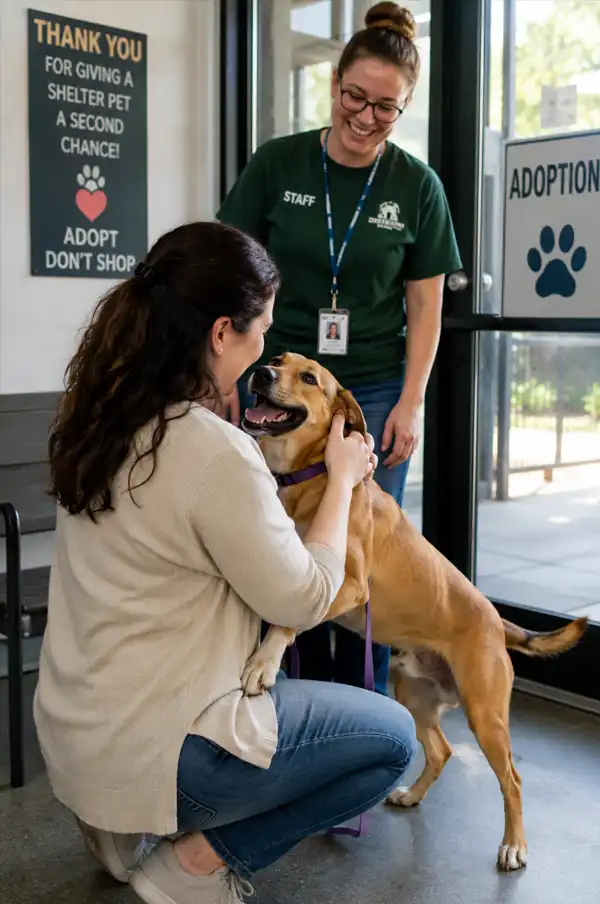
If you have been seriously considering adopting a pet, International Homeless Animals Day is an appropriate time to visit a shelter or reputable rescue. The important word is seriously. A dog or cat should not be adopted simply because a photograph produced an emotional response on Saturday afternoon. Consider the animal's temperament, exercise requirements, veterinary needs and expected lifespan, along with your housing, finances and daily routine. The goal is not merely to get an animal adopted today; it is to keep that animal from becoming homeless again tomorrow.
Those who cannot adopt can consider fostering, either for International Homeless Animals Day or as an ongoing commitment. Shelters and rescues may need temporary homes for kittens, puppies, recovering animals or dogs and cats that simply need a break from the shelter environment. Contact the organization beforehand rather than appearing at the front desk announcing that you have a spare bedroom and are ready for twelve kittens.
Donations are another practical way to participate. Shelters may need pet food, cat litter, towels, blankets, cleaning supplies, crates, toys and other everyday necessities, although it is always worth asking what is actually needed before arriving with a truckload of something they already have stacked to the ceiling. Monetary donations can often be directed toward veterinary treatment, sterilization programs, emergency medical care or other expenses that are difficult to cover with donated supplies.
Volunteers are equally valuable. Depending on the organization, volunteers may walk dogs, socialize cats, clean kennels, photograph adoptable animals, help at adoption events, transport animals or assist with administrative work. Someone who cannot safely handle a nervous 90-pound dog may nevertheless be exactly the person a rescue needs to take photographs, update listings or drive supplies across town.
International Homeless Animals Day is also a good occasion to make sure your own animals remain safely at home. Check identification tags, confirm that microchip registration information is current, inspect fences and gates and schedule veterinary appointments for spaying or neutering when appropriate. Prevention may not produce the heartwarming photograph of an adoption-day hug, but keeping an animal from becoming lost or producing an accidental litter is one of the most effective contributions a pet owner can make.
You can also use the day to help reunite other people's animals with their families. Follow your local shelter's lost-and-found listings, share legitimate missing-pet notices and learn where animals in your community can be scanned for microchips. Sometimes the most useful thing you can do for a “homeless” dog is discover that it actually lives four streets away with somebody who hasn't slept since Tuesday.
The International Society for Animal Rights has traditionally encouraged candlelight vigils as part of International Homeless Animals Day. These gatherings remember animals that have suffered or died without finding permanent homes while drawing public attention to pet overpopulation and homelessness. Communities may combine a vigil with educational programs, adoption events or fundraising activities, turning remembrance into an opportunity to improve the prospects of animals still waiting for homes.
Businesses, veterinary practices, schools and community organizations can participate as well. A business might organize a shelter-supply collection, a veterinary clinic could support a microchipping or sterilization program, and community groups can invite local rescue organizations to explain their work. The observance becomes far more useful when awareness leads to something tangible.
And there is nothing wrong with spending part of International Homeless Animals Day appreciating the animals already sharing your home. Give the dog an extra walk, find the cat's favorite toy or provide the sort of unnecessary treat that immediately convinces an animal this should become a daily international observance.
International Homeless Animals Day ultimately asks for something quite modest: do one useful thing that makes life better for homeless animals or helps prevent another animal from becoming homeless. Adopt, foster, volunteer, donate, educate, update a microchip or support a local spay-and-neuter program. No single person can solve animal homelessness in a day, but millions of small actions have a rather useful habit of adding up.
International Homeless Animals Day FAQ
International Homeless Animals Day raises plenty of questions, beginning with its changing date and extending to what actually qualifies as a homeless animal. It also brings up practical questions about adoption, stray animals, community cats, microchips and how ordinary people can help. Here are answers to some of the most frequently asked questions about International Homeless Animals Day and the dogs and cats it was created to help.
When is International Homeless Animals Day?
International Homeless Animals Day is observed annually on the third Saturday in August. Because it is tied to a particular Saturday rather than a numbered date, the date changes from year to year. In 2026, International Homeless Animals Day falls on August 15.
Who created International Homeless Animals Day?
The International Society for Animal Rights (ISAR) created International Homeless Animals Day in 1992. The organization established the observance to draw international attention to dog and cat homelessness, pet overpopulation and the importance of spaying and neutering.
Why is International Homeless Animals Day observed on the third Saturday in August?
ISAR established the third Saturday in August as the annual date when it created International Homeless Animals Day. Although the organization documents the date and history of the observance, it does not appear to provide a specific historical reason for selecting that particular Saturday.
What is the purpose of International Homeless Animals Day?
The day promotes awareness and practical action surrounding homeless dogs and cats, responsible pet ownership, spaying and neutering, adoption and animal welfare. Shelters, rescue organizations and communities use the observance for adoption events, educational programs, veterinary services, fundraising and candlelight vigils.
What is considered a homeless animal?
A homeless animal is generally a companion animal without a secure permanent human home. The term can include stray and abandoned dogs and cats, animals living in shelters or foster care and some free-roaming community cats. Their circumstances vary considerably, so different animals may require very different forms of assistance.
What should I do if I find a stray dog or cat?
Approach the animal only when it is safe to do so. Check for identification, have the animal scanned for a microchip, report it to the appropriate local shelter or animal-control agency and check local lost-pet listings. Remember that a wandering animal may be lost rather than abandoned, and its family could already be searching for it.
Is every outdoor cat homeless?
No. An outdoor cat may be an owned indoor-outdoor pet, a stray, a cared-for community cat or a feral cat living independently. A healthy cat confidently moving through familiar territory does not necessarily need to be removed. An ear-tipped cat has commonly been sterilized through a Trap-Neuter-Return program and may belong to a managed community-cat colony.
What is Trap-Neuter-Return?
Trap-Neuter-Return, or TNR, is a method of managing community-cat populations. Cats are humanely trapped, spayed or neutered, usually vaccinated and then returned to their established territory when appropriate. Sterilization prevents additional litters and can allow the population to decline gradually over time.
Do pet microchips track a lost animal's location?
No. A standard pet microchip is not a GPS tracker. It contains a unique identification number that can be read with a scanner. When the chip is properly registered with current contact information, a shelter, veterinary clinic or animal-control agency can use that information to help reunite a found animal with its owner.
How can I celebrate International Homeless Animals Day?
You can adopt or foster through a reputable organization, volunteer at a local shelter, donate needed supplies, support a spay-and-neuter or microchipping program, attend an International Homeless Animals Day event or share information about adoptable and missing animals. Pet owners can also use the day to check identification tags and make sure microchip registration details are current.
Can I help homeless animals if I cannot adopt one?
Absolutely. Shelters and rescue organizations need foster families, volunteers, transport assistance, supplies, financial support and people willing to promote adoptable animals. Helping one does not necessarily require bringing it home—although explaining that distinction to a persuasive shelter puppy may prove considerably more difficult.
A Home Is a Pretty Good Place to Finish
International Homeless Animals Day began with a serious problem that has no quick or simple solution. Dogs and cats still become lost, abandoned and surrendered. Animal shelters still struggle with limited space and resources, rescue groups still depend heavily on volunteers and foster families, and community-cat populations continue to require thoughtful management. Yet every animal that is reunited with its family, every accidental litter that is prevented and every successful adoption represents one less animal facing an uncertain future.
Perhaps the most important lesson of International Homeless Animals Day is that prevention and rescue belong together. Shelters and rescues can help animals already in trouble, while microchips, identification tags, secure homes, responsible breeding, spaying and neutering, and assistance for struggling pet owners can prevent many animals from becoming homeless at all. Neither approach works perfectly on its own, but together they offer something considerably better than simply waiting for another frightened dog or hungry kitten to arrive at the shelter door.
There is also no single definition of what the right home must look like. For one dog, it may be a family home with children and a fenced backyard. For an elderly cat, it might be a quiet apartment and a sunny windowsill. For a properly managed community cat, home may be the barn, warehouse or dockyard territory it has known all its life, complete with shelter, familiar companions and a thriving population of mice that probably wishes the cat would consider relocation.
Since the International Society for Animal Rights established the observance in 1992, International Homeless Animals Day has asked people around the world to notice these animals and, more importantly, do something useful for them. Sometimes that means adopting. Sometimes it means fostering, volunteering, donating or supporting a sterilization program. And sometimes it is as simple as making sure the gate is properly latched and the telephone number attached to the dog's microchip still works.
We cannot promise every homeless animal a perfect ending. But we can make it considerably less likely that animals become homeless in the first place and considerably more likely that those already without homes receive another chance.
After all the shelters, rescue vans, foster homes, veterinary clinics, adoption photographs and journeys along the way, a home is a pretty good place to finish.