Ahoy, Matey! It's Time to Hoist the Jolly Roger
Every August, people around the world are invited to swap ordinary conversation for a hearty "Ahoy!" and celebrate International Pirate Month. This month-long observance is dedicated to the colorful legends, larger-than-life characters, and enduring fascination with pirates. While real pirates were often dangerous criminals rather than lovable rogues, modern celebrations focus on the adventure, humor, and mythology that have grown around pirate life.
Whether you're quoting pirate phrases, watching classic pirate movies, reading swashbuckling novels, or simply wondering where you left your imaginary parrot, International Pirate Month offers plenty of opportunities to embrace your inner buccaneer—without having to scrub the deck.
What Is International Pirate Month?
International Pirate Month is a lighthearted observance celebrated throughout August that encourages people to explore the fascinating world of pirates through history, literature, film, and imagination. Rather than celebrating the crimes committed by real pirates, the month focuses on the adventurous characters, colorful legends, and maritime traditions that have entertained people for centuries.
Throughout the month, museums, libraries, schools, historical organizations, and pirate enthusiasts host themed events ranging from educational exhibits and costume contests to treasure hunts and storytelling sessions. Families often use the occasion as an excuse to watch pirate movies, read classic adventure novels, build model ships, or organize backyard treasure hunts complete with homemade maps and hidden "loot."
International Pirate Month also provides an opportunity to separate fact from fiction. While Hollywood has given us memorable characters with parrots, peg legs, eye patches, and buried treasure, the real history of piracy is far more complex. The observance encourages people to learn about the Golden Age of Piracy, famous historical pirates, life aboard sailing ships, and the important role piracy played in shaping naval history and international trade.
Above all, International Pirate Month is about having fun. Whether you're practicing your best pirate accent, raising a Jolly Roger in the backyard, introducing children to classic swashbuckling adventures, or simply greeting your friends with a cheerful "Ahoy, matey!", it's a celebration that reminds us that a little imagination can make even an ordinary day feel like a voyage across the high seas.
Who Were the Real Pirates?
The real pirates of history were very different from the charming swashbucklers portrayed in books and movies. Far from being lovable adventurers in search of buried treasure, pirates were criminals who attacked merchant vessels, stole valuable cargo, and often used violence or intimidation to achieve their goals. Their activities threatened international trade and forced governments to devote significant resources to protecting shipping routes.
The period most commonly associated with piracy is the Golden Age of Piracy, which lasted roughly from the mid-1600s to the early 1700s. During this time, pirates operated throughout the Caribbean Sea, the Atlantic Ocean, the eastern coast of North America, and parts of the Indian Ocean. These busy trade routes carried enormous quantities of gold, silver, spices, sugar, tobacco, and other valuable goods, making merchant ships tempting targets.
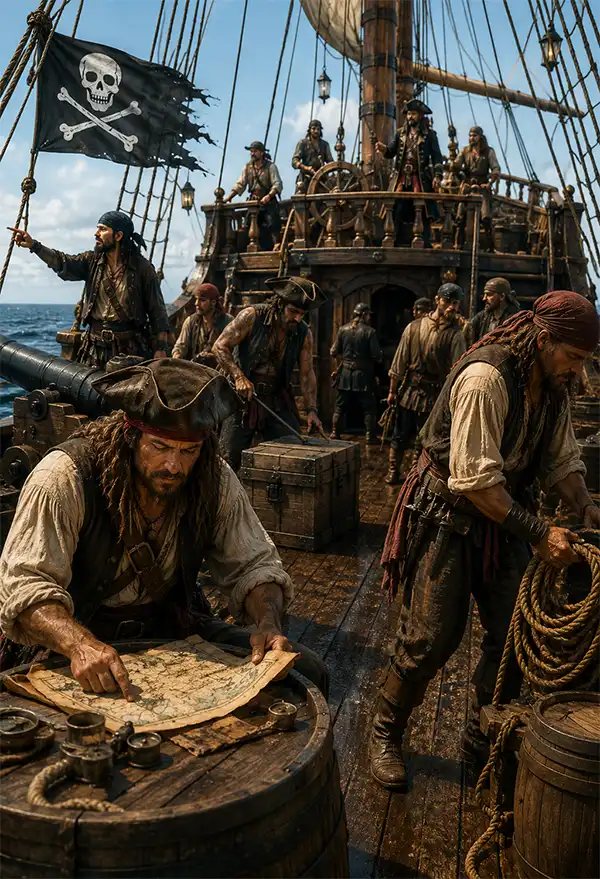
Many pirates began their careers as ordinary sailors. Life aboard merchant and naval ships was often harsh, with poor food, dangerous working conditions, low wages, and strict discipline. Some sailors turned to piracy believing they could earn more money and enjoy greater freedom, even though they risked imprisonment or execution if captured. Pirate crews often shared stolen wealth more equally than many legitimate employers shared profits, making piracy an attractive—if highly illegal—alternative for desperate seamen.
Some pirate ships also operated under surprisingly organized systems. Crews frequently elected their captains, voted on important decisions, and agreed upon written rules known as "articles." These agreements outlined each crew member's responsibilities, how treasure would be divided, and the penalties for breaking the rules. While these practices were democratic by the standards of the day, they certainly didn't make piracy respectable.
History remembers several pirates whose names have become legendary. Blackbeard, whose real name was Edward Teach (or Thatch), became famous for his fearsome appearance and dramatic tactics. Bartholomew Roberts, often called Black Bart, captured hundreds of ships during his career. Anne Bonny and Mary Read proved that piracy was not limited to men, while Captain William Kidd became one of history's most debated figures after accusations of piracy overshadowed his earlier career as a privateer.
Although popular culture often portrays pirates as romantic heroes, the reality was far less glamorous. Disease, storms, shipwrecks, poor nutrition, dangerous battles, and the constant threat of capture made pirate life both difficult and short. Many pirates met violent ends, and only a small number accumulated the fortunes later imagined in novels and films.
Understanding the difference between the historical pirates and their fictional counterparts makes International Pirate Month even more enjoyable. It allows us to appreciate the real history of the Age of Sail while still enjoying the adventurous tales, treasure maps, talking parrots, and larger-than-life characters that have become part of pirate folklore.
Pirates in Books, Movies, and Popular Culture
For most people, pirates are known not through history books but through the pages of novels, the silver screen, and television. Over the past two centuries, authors and filmmakers have transformed real-life sea raiders into unforgettable fictional characters, replacing much of the danger and hardship with adventure, humor, and larger-than-life personalities. As a result, the pirate most people imagine today owes as much to storytellers as to history.
One of the most influential pirate stories ever written is Robert Louis Stevenson's Treasure Island, first published in 1883. The novel introduced readers to the unforgettable Long John Silver, whose charm, cunning, and ever-changing loyalties helped define the modern image of a pirate. Treasure maps marked with a giant "X," buried chests of gold, talking parrots perched on shoulders, wooden legs, and cries of "Yo-ho-ho!" all became closely associated with pirates thanks to this classic adventure.
Children have also grown up with memorable pirate characters such as Captain Hook from J. M. Barrie's Peter Pan. With his elegant clothes, dramatic personality, and famous hook replacing one hand, Captain Hook became one of literature's greatest villains. Although fearsome, he also brought a touch of comedy to pirate stories, proving that even the most dangerous pirate could occasionally become the butt of the joke.
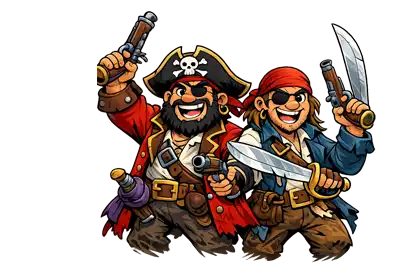
Hollywood enthusiastically embraced pirate adventures throughout the twentieth century. Swashbuckling films starring actors like Errol Flynn, Burt Lancaster, and Tyrone Power featured daring sword fights, dramatic sea battles, hidden treasure, and heroic escapes. These colorful productions helped establish many of the pirate traditions audiences still recognize today, from tricorn hats and cutlasses to the iconic Jolly Roger fluttering above a pirate ship.
In the twenty-first century, Disney's Pirates of the Caribbean films introduced Captain Jack Sparrow, played by Johnny Depp. Sparrow's unpredictable personality, clever wit, and unusual approach to piracy quickly made him one of cinema's most recognizable characters. The series combined supernatural adventures, spectacular visual effects, and classic pirate lore, introducing a whole new generation to swashbuckling adventures on the high seas.
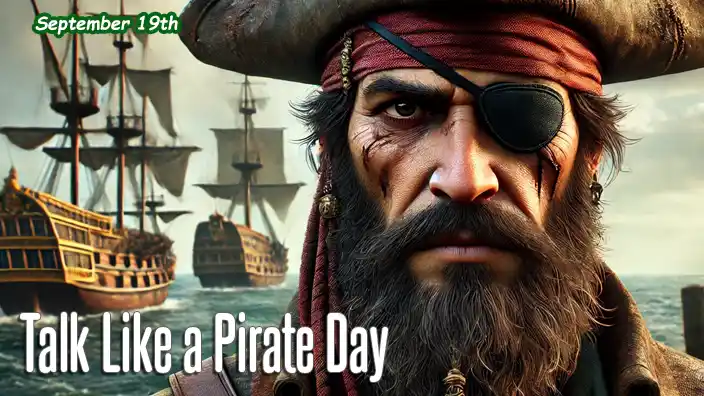
Pirates have also sailed into television, comic books, video games, and theme parks. From animated children's programs to epic adventure games where players command their own pirate ships, the fascination with pirate life continues to grow. Even annual events like Talk Like a Pirate Day encourage people to embrace pirate speech, costumes, and humor, showing just how deeply pirate culture has become woven into popular entertainment.
Of course, the fictional pirate is usually much cleaner, funnier, and luckier than the real thing. Movie pirates almost always seem to find treasure, escape impossible situations, and keep their hats through violent storms. Real pirates were more likely to deal with spoiled food, cramped quarters, rough seas, and enough hard work to make anyone think twice about choosing a life of crime.
That contrast is part of what makes International Pirate Month so enjoyable. It celebrates the adventurous spirit found in stories while reminding us that the pirates of fiction are very different from the men and women who once sailed the world's oceans in search of riches. In the end, most of us are perfectly happy keeping our pirate adventures safely between the covers of a book—or on a movie screen where the cannonballs can't actually hit us.
Pirate Myths That Refuse to Sink
Pirates have collected almost as many myths as they did pieces of eight.
Many people believe pirates routinely buried treasure, but historians have found little evidence that this happened regularly. The famous "X marks the spot" owes more to fiction than reality.
Likewise, not every pirate owned a parrot, wore an eye patch, or carried a hook instead of a hand. While some sailors did suffer injuries and exotic birds occasionally traveled aboard ships, these traits became popular because they made memorable stories.
And despite what movies suggest, spending months aboard a wooden ship with limited fresh water was considerably less glamorous than it appears on the big screen.
Why We Still Love Pirates
Pirates continue to capture our imagination because they represent freedom, adventure, and life beyond ordinary rules. They sail into unknown waters, search for hidden treasure, and live according to their own code—even if that code occasionally needs a little interpretation.
For children, pirates offer exciting adventures filled with maps, ships, and mystery. For adults, they provide nostalgia, humor, and a reminder that life is sometimes more enjoyable when approached with a playful spirit.
It's also surprisingly satisfying to say "Arrr!" without anyone questioning your sanity—provided it's International Pirate Month.
Ways to Celebrate International Pirate Month
You don't need a ship or a treasure chest to join the fun.
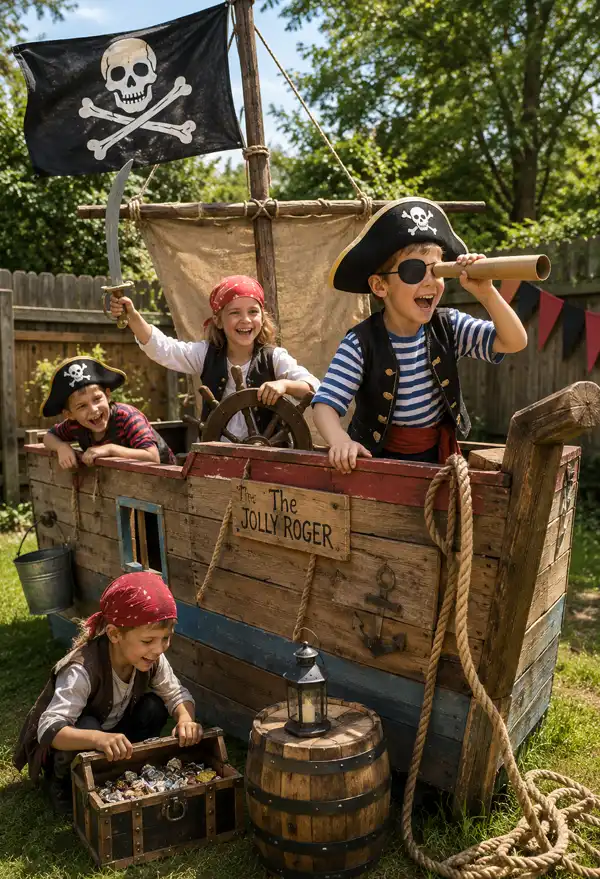
Watch a favorite pirate movie or television series. Read a classic adventure novel like Treasure Island. Visit a maritime museum to learn about real pirate history. Attend a pirate festival if one is happening nearby. Dress as a pirate for a themed party or family gathering. Teach children about famous explorers and pirates while separating historical fact from fiction.
You can even challenge your family to a backyard treasure hunt complete with homemade maps and hidden prizes. Just remember to tell everyone where the treasure is before someone starts digging up the flower beds.
Interesting Facts About Pirates
- The Golden Age of Piracy lasted roughly from 1650 to 1730.
- Blackbeard's real name was Edward Teach (or Thatch).
- Pirate ships often elected their captains.
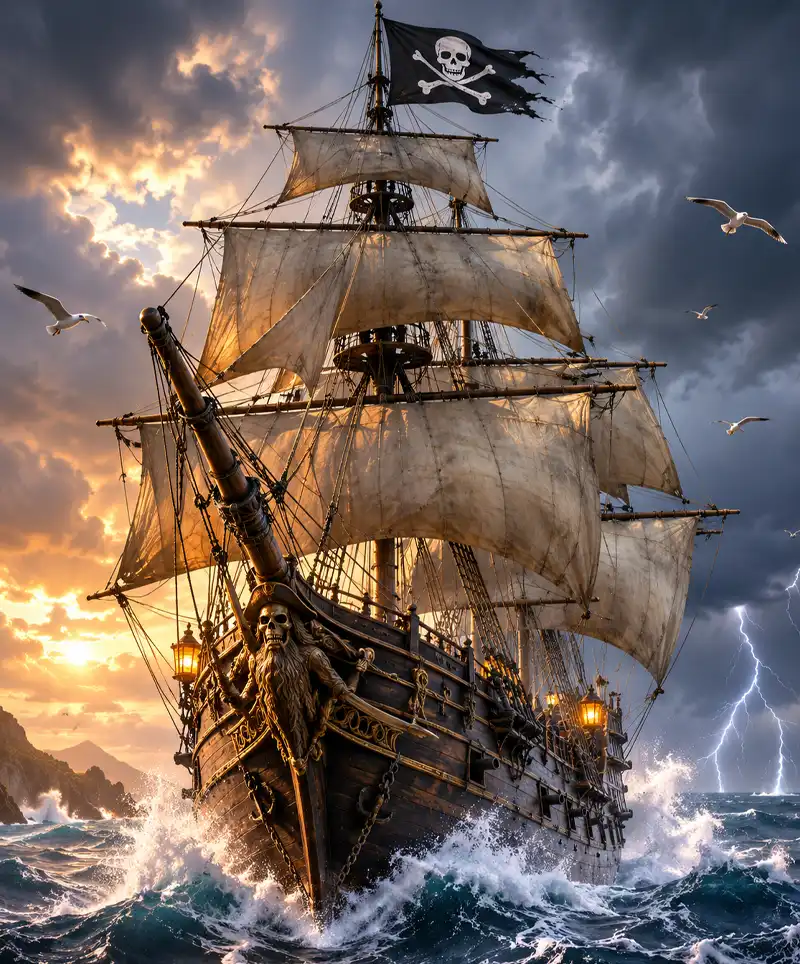
- The skull-and-crossbones flag became known as the Jolly Roger.
- Women such as Anne Bonny and Mary Read became famous pirates.
- Most pirate treasure was quickly spent rather than buried.
- The phrase "Shiver me timbers!" became popular through literature rather than historical records.
- Modern piracy still exists in some parts of the world, though it bears little resemblance to the romantic stories of old.
Why International Pirate Month Matters
International Pirate Month reminds us how history and storytelling often become intertwined. While it is important to remember the realities of piracy, it is equally fascinating to see how centuries of books, films, and folklore transformed ruthless criminals into unforgettable fictional heroes.
The celebration also encourages an appreciation for maritime history, classic literature, and the power of imagination. Sometimes it's perfectly acceptable to put on a tricorn hat, practice your pirate voice, and enjoy a little harmless adventure.
After all, every great voyage begins with someone willing to say, "Raise the anchor!"
International Pirate Month FAQ
Is International Pirate Month an official holiday?
No. It is an informal observance enjoyed by pirate enthusiasts, educators, libraries, museums, and fans of pirate history and popular culture.
When is International Pirate Month celebrated?
It is celebrated throughout the entire month of August.
Does International Pirate Month celebrate real pirates?
Not exactly. The focus is generally on pirate folklore, literature, films, and maritime history rather than glorifying historical piracy.
Who was the most famous pirate?
Blackbeard is often considered the most famous pirate, though Anne Bonny, Captain Kidd, Bartholomew Roberts, and Calico Jack are also well known.
How can I celebrate International Pirate Month?
Watch pirate movies, read pirate stories, visit maritime museums, organize a treasure hunt, attend a pirate festival, or simply have fun speaking like a pirate for the day.
One Last "Arrrrgh!"
Whether you're fascinated by the real pirates who once ruled the seas or the fictional swashbucklers who have entertained generations, International Pirate Month is the perfect excuse to celebrate adventure, history, and a healthy dose of imagination. So hoist the Jolly Roger, practice your best pirate accent, and enjoy a voyage through one of history's most colorful legends. Just remember—it's far more fun to hunt for chocolate coins than to mutiny over the last cookie in the cookie jar. Fair winds, following seas... and may your treasure always be easier to find than your car keys.