
A Little Hole Lot of History
Whether it's a tiny stud in an ear, a sparkling nose ring, or jewelry in places Grandma still hasn't discovered, body piercing has been turning heads for thousands of years. Long before shopping malls had piercing studios and teenagers asked, "Can I get one more?" people around the world were decorating themselves with jewelry to express identity, status, courage, beauty, and tradition. International Body Piercing Day celebrates this ancient form of self-expression while recognizing the skilled professionals who practice it safely today. After all, fashion trends may come and go, but humans have apparently been saying, "You know what would look good right there?" for millennia.
What Is International Body Piercing Day?
International Body Piercing Day is an annual observance that celebrates the long and fascinating history of body piercing while recognizing it as a form of personal expression, cultural identity, and skilled craftsmanship. The day encourages people to learn about the traditions surrounding body piercing, appreciate its place in human history, and acknowledge the professional piercers who help ensure the practice is performed safely and responsibly.
Unlike National Piercing Day, celebrated annually on May 16, which focuses primarily on the modern body piercing community and professional piercing studios, International Body Piercing Day takes a broader view. It explores how cultures around the world have used body piercings for thousands of years to signify adulthood, social standing, religious devotion, beauty, courage, and belonging.
Today, body piercing has become a global phenomenon enjoyed by people of every age and background. For some, it's a subtle pair of earrings. For others, it's an important part of their identity or cultural heritage. Whether chosen for fashion, tradition, symbolism, or simply because someone thought, "That would look pretty there," body piercing remains one of humanity's oldest and most enduring forms of personal decoration.
International Body Piercing Day is also an opportunity to promote safe piercing practices. Reputable studios, proper sterilization, quality jewelry, and careful aftercare all play an important role in ensuring that what begins as a creative decision becomes a positive experience.
Above all, the observance reminds us that while styles may change from one generation to the next, the desire to decorate ourselves is nothing new. Humans have been adding a little sparkle—and occasionally making Grandma gasp—for thousands of years.

Thousands of Years of Piercing History
Although body piercing often feels like a modern fashion trend, the practice is actually older than many civilizations. Archaeologists have uncovered evidence showing that people have been piercing their ears, noses, and other parts of the body for thousands of years. Long before shopping malls, tattoo studios, or social media influencers, people were decorating themselves with jewelry made from bone, shell, wood, stone, gold, silver, and precious gemstones.
One of the oldest known examples comes from Ötzi the Iceman, a remarkably preserved man who lived more than 5,000 years ago. Discovered frozen in the Alps in 1991, Ötzi had stretched earlobes measuring several millimeters in diameter, proving that ear piercing was already well established during the Copper Age.
In Ancient Egypt, earrings and other body jewelry often symbolized wealth, beauty, and social standing. Gold jewelry was especially prized, and members of the royal family frequently wore elaborate ornaments that demonstrated both status and craftsmanship. Some historians believe certain piercings may also have carried religious significance.
Across the Indian subcontinent, nose piercing has been practiced for centuries and remains an important cultural tradition today. Depending on the region and family customs, a nose ring may symbolize marriage, womanhood, or cultural heritage. For many families, it continues to be an important rite of passage passed from one generation to the next.
Throughout Africa, numerous cultures have practiced ear, lip, and nose piercing for generations. In some communities, body jewelry identifies tribal affiliation, age, achievements, or social status. Stretching the ears or lips has also served as a mark of beauty and adulthood in several indigenous cultures.
The Romans viewed body piercing somewhat differently. Centurions were known to wear nipple rings, which some historians believe represented courage, discipline, and military pride. While fashions changed throughout the Roman Empire, jewelry often reflected both personal identity and rank.
Among many Indigenous peoples of North and South America, body piercing formed part of important ceremonies and spiritual traditions. Nose, ear, and lip piercings could symbolize maturity, bravery, leadership, or a connection with cultural beliefs that had been preserved through generations.
Body piercing has also played significant roles throughout the Pacific Islands, Southeast Asia, and the Middle East, where traditions evolved independently yet often carried similar themes of identity, spirituality, beauty, and belonging.
By the late twentieth century, body piercing experienced a dramatic revival in Europe, North America, and many other parts of the world. What had once been viewed as unconventional gradually entered mainstream fashion. Today, professional piercing studios operate across the globe, blending modern medical hygiene with an ancient practice that has endured for millennia.
History shows that body piercing is far more than a passing trend. It is one of humanity's oldest forms of personal expression, connecting modern wearers with countless generations who also believed that a carefully chosen piece of jewelry could say something meaningful about who they were.
More Than Fashion
While many people today choose body piercings simply because they enjoy the way they look, appearance has only ever been one part of the story. Across thousands of years and countless cultures, body piercings have served as symbols of faith, identity, courage, adulthood, family tradition, and personal achievement. In many parts of the world, a piercing carries a meaning that goes far beyond the jewelry itself.
For some cultures, piercing marks an important rite of passage. A child becoming an adult, a young person joining the community, or someone reaching a significant milestone in life may receive a piercing as part of a formal ceremony. The jewelry becomes a lasting reminder of that important moment.
In many societies, piercings have also reflected social standing or community identity. Certain styles or types of jewelry identified a person's family, tribe, occupation, or position within the community. Long before uniforms or identification cards existed, body adornment often told others exactly who a person was and where they belonged.
Religious traditions have also embraced body piercing in different ways. In parts of India, nose piercings have long been associated with cultural and religious customs surrounding marriage and womanhood. Elsewhere, earrings or other forms of body jewelry have been worn as expressions of faith, devotion, or cultural heritage that continue across generations.
For others, body piercing has represented courage and resilience. Throughout history, warriors, sailors, and adventurers have sometimes worn body jewelry as symbols of bravery, achievement, or experiences survived. While many of the stories surrounding these traditions have grown into colorful legends, they reflect humanity's long-standing desire to give personal meaning to physical adornment.
Today, body piercing often represents individual expression. Some people choose a single pair of earrings, while others carefully curate multiple piercings that reflect their personality, interests, or artistic style. There is no single reason people decide to get pierced, and that diversity is part of what makes the practice so enduring.
For many families, piercings also become shared traditions. Parents and grandparents may remember having their ears pierced as children and later accompany younger family members for the same experience. In this way, what begins as a simple appointment can become a cherished family memory spanning several generations.
International Body Piercing Day celebrates all of these stories. It recognizes that body piercing has never been just about fashion. Whether chosen for culture, faith, tradition, celebration, or personal style, each piercing reflects an individual decision—and together they form part of a human tradition that has connected people across continents and centuries.

The Modern Piercing Industry
Body piercing has come a long way from sharpened bone, handmade needles, and hoping for the best. Today, professional piercing has developed into a skilled industry built around hygiene, precision, education, and client safety. While techniques have evolved dramatically over the centuries, the goal remains much the same: creating attractive, well-placed body jewelry that can be enjoyed for years to come.
Modern piercing studios are designed with cleanliness as a top priority. Reputable professionals use sterile, single-use needles, thoroughly disinfect work areas, and wear disposable gloves throughout the procedure. Jewelry is carefully selected from high-quality materials such as implant-grade titanium, surgical stainless steel, niobium, or solid gold to reduce the risk of irritation and allergic reactions.
Professional piercers spend considerable time studying anatomy, placement, sterilization procedures, and aftercare. Although licensing requirements vary from one country—or even one state or province—to another, many piercers voluntarily pursue additional education and certifications to stay current with the latest health and safety standards.
Consultation has also become an important part of the experience. Before any piercing takes place, clients are typically advised about suitable jewelry, placement options, healing times, and proper aftercare. A reputable piercer will happily answer questions and, if necessary, recommend waiting if the timing or circumstances are not ideal.
The industry itself has expanded significantly over the past few decades. Professional studios can now be found in cities and towns around the world, offering everything from traditional ear piercings to more specialized body jewelry. Advances in materials, equipment, and techniques have made the process safer and more comfortable than ever before.
Professional organizations have also helped raise standards across the industry. Groups such as the Association of Professional Piercers (APP) promote education, ethical business practices, and evidence-based safety guidelines. While membership is voluntary, many studios proudly follow these recommendations as part of their commitment to client care.
Social media has introduced millions of people to the artistry of modern body piercing. Professional piercers regularly showcase healed piercings, innovative jewelry designs, and examples of their craftsmanship, helping clients make informed decisions while emphasizing the importance of proper technique and aftercare.
International Body Piercing Day recognizes not only the rich history of body piercing but also the dedicated professionals who continue the tradition today. Their expertise helps ensure that an ancient form of self-expression can be practiced with the highest standards of safety, cleanliness, and respect for every individual who walks through the studio door.
Safety Always Comes First
Whether you're considering your very first piercing or adding another to your collection, safety should always come before style. A professional piercing performed under clean, hygienic conditions is far more likely to heal properly and provide years of enjoyment than one done hastily or by someone without the proper training.
The first step is choosing a reputable piercing studio. Look for an establishment that is clean, well organized, and happy to answer your questions. Professional piercers should use sterile, single-use needles, wear fresh disposable gloves, and open sterilized equipment and jewelry in front of you whenever appropriate. If something doesn't look right or you're uncomfortable for any reason, it's perfectly acceptable to walk away.
Quality jewelry also plays an important role in successful healing. Implant-grade titanium, surgical stainless steel, niobium, and solid gold are commonly recommended because they are less likely to cause irritation or allergic reactions. While inexpensive jewelry may be tempting, quality materials are often worth the investment during the healing process.
Aftercare is just as important as the piercing itself. Your piercer will provide instructions based on the location of the piercing, and following those directions carefully can make all the difference. Keeping the area clean, avoiding unnecessary touching, and giving the piercing time to heal naturally will help reduce the risk of complications.
Healing times vary considerably depending on the type of piercing. Some ear piercings may heal within a few months, while cartilage, navel, or other body piercings often require much longer. Patience is an important part of the process, even if you're eager to change your jewelry.
If you notice persistent redness, unusual swelling, increasing pain, discharge, or develop a fever, it's important to seek advice from a qualified healthcare professional. Addressing potential problems early is always better than hoping they will simply disappear on their own.
International Body Piercing Day celebrates creativity and self-expression, but it also reminds us that professionalism and proper care go hand in hand with great results. A beautiful piercing should become something you enjoy showing off—not something that keeps you awake wondering whether Grandma was right after all.
Common Types of Body Piercings
One of the reasons body piercing has remained popular for thousands of years is the variety of ways people can express themselves. Some piercings have ancient origins rooted in culture and tradition, while others have become fashionable in more recent decades. From subtle and understated to bold and eye-catching, there is a style to suit almost every taste.
The earlobe piercing is by far the most common worldwide. Worn by people of all ages and across countless cultures, it is often the first piercing someone receives. Whether adorned with a simple stud, a delicate hoop, or an elegant drop earring, the earlobe remains a timeless favorite.
Just above the lobe are cartilage piercings, which have grown tremendously in popularity. These include placements such as the helix, tragus, conch, and rook. Many people enjoy combining several cartilage piercings to create a unique arrangement of jewelry across the ear.
Nose piercings are among the oldest forms of body adornment in human history. A small stud or decorative ring can be worn in the nostril, while the septum piercing, positioned through the soft tissue beneath the nasal cartilage, has experienced a resurgence in popularity in recent years. Both styles have deep cultural roots that stretch back centuries.
Eyebrow piercings offer a distinctive look and are commonly worn with a curved barbell or ring. They became especially popular during the late twentieth century and continue to appeal to those seeking a modern, expressive style.
Lip piercings come in many different placements, allowing people to personalize their appearance in a variety of ways. Depending on the location, they can be subtle or make a bold fashion statement, with styles ranging from a single stud to carefully planned combinations.
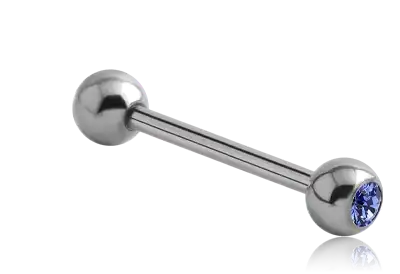
Among the more unusual options is the tongue piercing, which has become well known in contemporary body art. Because it is located inside the mouth, it requires careful aftercare and good oral hygiene while healing.
The navel piercing became a fashion sensation during the late 1990s and has remained a popular choice ever since. Decorative jewelry designed specifically for the navel offers countless styles, from simple polished designs to elaborate gemstones and charms.
Beyond these well-known choices, there are many other specialized piercings that continue to gain popularity. As techniques, jewelry, and artistic styles have evolved, professional piercers now offer an impressive variety of options while tailoring each piercing to the individual's anatomy and preferences.
Whether someone chooses a single pair of earrings or carefully curates a collection of body jewelry over many years, the decision is ultimately a personal one. International Body Piercing Day celebrates that diversity, recognizing that self-expression comes in many forms—and sometimes all it takes is one carefully placed piece of jewelry to say something about the person wearing it.
Piercing Myths and Misconceptions
Like many traditions that have existed for thousands of years, body piercing has accumulated its fair share of myths, legends, and misunderstandings. Some are based on outdated information, while others have been passed from one generation to the next without much evidence to support them. International Body Piercing Day offers a good opportunity to separate fact from fiction.
One of the most common myths is that body piercing is a modern trend. In reality, archaeological discoveries show that people have been piercing their bodies for well over 5,000 years. Ancient civilizations across Europe, Asia, Africa, and the Americas all practiced some form of body piercing long before modern fashion trends existed.
Another misconception is that only young people get piercings. While many people receive their first piercing during their teenage years or early adulthood, people of all ages choose body jewelry. It's not uncommon for adults—and even grandparents—to decide it's finally time for that piercing they always wanted. (Grandma may surprise you yet.)
Some believe that all body piercings carry the same meaning, but that couldn't be further from the truth. A nose ring worn as part of a centuries-old cultural tradition may have a very different significance from one chosen simply because someone likes the way it looks. The meaning often depends on the individual, their family, or their culture.
Another persistent myth is that piercings are always extremely painful. Everyone experiences pain differently, and the level of discomfort varies depending on the location of the piercing and the individual's pain tolerance. Many people are surprised to discover that the procedure is much quicker—and less uncomfortable—than they expected.
There is also a belief that piercings never close once the jewelry is removed. In fact, many piercings will gradually shrink or close, particularly if they are relatively new. Others that have been fully healed for many years may remain open or only partially close. Every person heals differently.
Finally, some people assume that body piercings are unprofessional or socially unacceptable. Attitudes have changed significantly over recent decades. While workplace policies vary, earrings, nose studs, and other forms of body jewelry have become commonplace in many professions. As with clothing and hairstyles, acceptance often depends on the environment and the expectations of a particular workplace.
The history of body piercing reminds us that appearances can be deceiving. What may seem like a modern fashion statement could actually be part of a tradition that stretches back thousands of years. Learning the facts helps us appreciate body piercing not only as a form of self-expression but also as a fascinating thread woven through human history.

Interesting Facts About Body Piercing
Body piercing has inspired countless traditions, stories, and surprising discoveries throughout history. Here are a few fascinating facts that highlight just how widespread—and enduring—this ancient practice really is.
- Body piercing dates back more than 5,000 years. Archaeological evidence shows that humans have been wearing body jewelry since prehistoric times.
- Ötzi the Iceman had pierced ears. The naturally preserved man discovered in the Alps in 1991 had stretched earlobes, providing one of the oldest known examples of body piercing.
- Ear piercing is the world's most common piercing. It has been practiced by cultures on every inhabited continent and remains the most popular form of body adornment today.
- Nose piercings have deep cultural roots. They have been part of traditions in India and other regions for centuries, often symbolizing marriage, family heritage, or cultural identity.
- Ancient Roman soldiers may have worn nipple rings. Historical accounts suggest that some Roman centurions used them as symbols of bravery, discipline, and military pride, although historians continue to debate how widespread the practice actually was.
- Professional piercers use needles—not piercing guns—for most body piercings. Single-use, sterile needles generally create a cleaner opening and are the preferred method for the majority of professional body piercings.
- Healing times vary considerably. An earlobe piercing may heal in a matter of weeks or months, while cartilage or navel piercings often require significantly longer before they are fully healed.
- Modern body jewelry is designed with safety in mind. Implant-grade titanium, surgical stainless steel, solid gold, and other high-quality materials are commonly used to promote comfortable healing and reduce irritation.
- Body piercing is practiced around the world. While styles and traditions differ, cultures across Africa, Asia, Europe, Oceania, and the Americas have all incorporated body piercing into their history.
- There are hundreds of recognized piercing placements. Professional piercers continue to develop new styles and jewelry combinations, giving people more choices than ever before while still respecting traditional techniques.
- Good aftercare is just as important as the piercing itself. Following professional advice during the healing period greatly improves the chances of a successful outcome.
- Body piercing continues to evolve. While fashions come and go, the practice itself has remained part of human culture for thousands of years, making it one of the oldest and most enduring forms of personal expression.
How to Celebrate International Body Piercing Day
Whether you have several piercings, a single pair of earrings, or none at all, there are plenty of enjoyable ways to recognize International Body Piercing Day. The occasion is less about adding another piece of jewelry and more about appreciating the history, artistry, and cultural traditions that have shaped this ancient practice.
One of the best ways to celebrate is to learn about the history of body piercing. Explore how different civilizations used piercings to represent status, faith, beauty, adulthood, or community identity. You may be surprised to discover just how many cultures have embraced body adornment throughout history.
If you've been thinking about getting a piercing, use the day as an opportunity to research reputable piercing studios in your area. Read reviews, visit a studio, ask questions, and learn about the procedure and aftercare before making a decision. A little preparation today can help ensure a positive experience later.
You can also admire the artistry of body jewelry. Modern jewelry ranges from simple and elegant designs to intricate handcrafted pieces made from precious metals, natural stones, and other quality materials. Even if you never plan to get another piercing, it's easy to appreciate the craftsmanship behind the designs.
For those who already have piercings, International Body Piercing Day is a good reminder to check your jewelry and review your aftercare habits. Clean your jewelry, ensure fastenings are secure, and replace worn pieces if necessary. Like any favorite accessory, a little maintenance helps keep it looking its best.
Another meaningful way to observe the day is to learn about piercing traditions from around the world. Understanding the cultural and historical significance behind different styles encourages greater appreciation and respect for customs that have been passed down through generations.
If you're active on social media, consider sharing your piercing story or posting a favorite photograph of your jewelry. Many people enjoy explaining why they chose a particular piercing, whether it marks a milestone, reflects their personality, or simply reminds them of a special moment in life.
Finally, take a moment to thank the professional piercers whose skill and dedication help people express themselves safely. Their knowledge, precision, and commitment to hygiene allow an ancient tradition to continue with modern standards of care.
However you choose to celebrate, International Body Piercing Day is ultimately about recognizing a tradition that has connected people across cultures for thousands of years. And if you decide today isn't the day for another piercing, that's perfectly fine too—Grandma will probably be relieved.
Why International Body Piercing Day Matters
International Body Piercing Day is about far more than jewelry or changing fashions. It celebrates one of humanity's oldest forms of personal expression and recognizes the many cultures that have embraced body piercing for thousands of years.
The observance also encourages people to look beyond first impressions. What may appear to be a simple fashion choice could represent family tradition, cultural heritage, religious belief, or an important milestone in someone's life. Understanding those differences helps foster appreciation and respect for the many ways people express their identity.
Finally, the day highlights the importance of safe, professional piercing practices. By promoting education, proper hygiene, and informed decisions, International Body Piercing Day reminds us that an ancient tradition can continue to thrive while meeting modern standards of health and safety.
Whether viewed as art, tradition, or personal style, body piercing remains a fascinating part of human history—and one that continues to evolve with every generation.
Frequently Asked Questions
Have a question about International Body Piercing Day or body piercing in general? You're not alone. From ancient traditions and cultural customs to modern safety practices and healing times, people are naturally curious about this centuries-old form of personal expression. Here are answers to some of the questions most frequently asked about International Body Piercing Day and the fascinating history behind body piercing.
When is International Body Piercing Day?
International Body Piercing Day is observed each year on July 28, celebrating the history, artistry, and cultural significance of body piercing around the world.
Is International Body Piercing Day the same as National Piercing Day?
No. While both observances celebrate body piercing, National Piercing Day is observed on May 16 and focuses primarily on the modern piercing community. International Body Piercing Day takes a broader look at the global history, traditions, and cultural importance of body piercing.
How old is the practice of body piercing?
Body piercing dates back more than 5,000 years. Archaeological discoveries, including the famous Ötzi the Iceman, show that humans have practiced body piercing since prehistoric times.
What is the safest way to get a piercing?
Choose a reputable professional piercer who uses sterile, single-use equipment and high-quality jewelry. Following the recommended aftercare instructions is just as important as the piercing procedure itself.
Which cultures have practiced body piercing?
Many cultures throughout Africa, Asia, Europe, Oceania, and the Americas have traditions involving body piercing. The reasons vary widely and include cultural identity, religious beliefs, rites of passage, social status, and personal expression.
How long does a body piercing take to heal?
Healing times depend on the location of the piercing and the individual. Earlobes often heal within a few months, while cartilage, navel, and some other piercings can take considerably longer. Following proper aftercare helps promote healthy healing.
One More Ring Before We Go
Whether you have no piercings, one pair of earrings, or enough jewelry to confuse airport security, International Body Piercing Day is a reminder that people have been decorating themselves for thousands of years. Styles will change, trends will come and go, but the desire to express individuality is unlikely to disappear anytime soon. Just remember—if you're going to add another sparkle, let a professional do the poking.