June 6, 1939, in Jacksonville, Florida
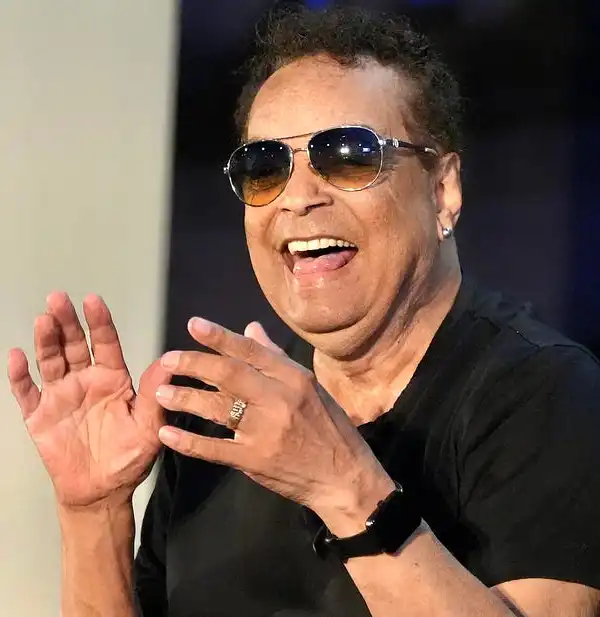
Some singers have one great comeback. Gary "U.S." Bonds had a career so durable that he managed to become a hitmaker in multiple decades, long enough for younger musicians who grew up listening to him to help launch his second act. When your fans include Bruce Springsteen and the E Street Band, you're probably doing something right. Bonds helped define the energetic sound of early rock and roll and rhythm and blues, then returned years later to prove he still knew how to start a party.
Born Gary Levone Anderson on June 6, 1939, in Jacksonville, Florida, Bonds grew up in Norfolk, Virginia, where he began singing in church and performing with local groups. His unusual stage name came from producer Frank Guida, who believed that promoting records under the name "U.S. Bonds" might attract extra attention because it resembled advertisements for United States savings bonds. The strategy worked, although it also confused some listeners into thinking U.S. Bonds was a group rather than a solo performer.
Bonds burst onto the national music scene in 1960 with the hit "New Orleans," but his biggest success arrived the following year with "Quarter to Three." The song became a number-one hit and sold more than a million copies. Its infectious energy, pounding rhythm, and party atmosphere made it one of the defining records of the early rock-and-roll era. The song was later included on the Rock and Roll Hall of Fame's list of the 500 Songs That Shaped Rock and Roll.
The success continued throughout the early 1960s with hits including "School Is Out," "Dear Lady Twist," "School Is In," and "Twist, Twist Señora." At the height of his popularity, Bonds was such a major attraction that during a 1963 European tour he appeared above a then-rising group called The Beatles on the concert bill. History would eventually be kind to both acts.
Like many early rock stars, Bonds experienced a decline in chart success as musical tastes changed. However, his influence never disappeared. One young musician who grew up listening to "Quarter to Three" was Bruce Springsteen. By 1980, Springsteen and Steven Van Zandt helped engineer an extraordinary comeback for Bonds, producing the albums Dedication and On the Line. The partnership introduced Bonds to a new generation of listeners and produced successful songs such as "This Little Girl," "Jolé Blon," and "Out of Work."
The comeback was more than a nostalgic revival. "This Little Girl," written by Springsteen, became Bonds' biggest hit in years and returned him to the charts in 1981. Critics praised his powerful vocals, and audiences quickly discovered that the energy that had made him a star in the 1960s was still very much intact.
Over the decades, Bonds continued recording, touring, and releasing new music. His albums Back in 20 and Let Them Talk demonstrated that he remained committed to performing long after many of his contemporaries had retired. He also earned recognition from the Rhythm & Blues Foundation and developed a reputation as an accomplished golfer, frequently appearing in celebrity tournaments.
Today, Gary "U.S." Bonds is remembered as one of the great voices of early rock and rhythm and blues. His music bridged generations, influenced countless performers, and proved that a great party record can still bring people to their feet decades after it first hit the airwaves. On his birthday, fans celebrate a singer whose career demonstrates that good music never really goes out of style.