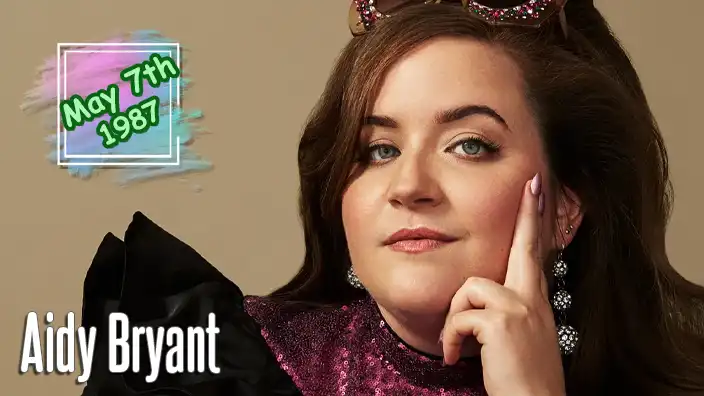
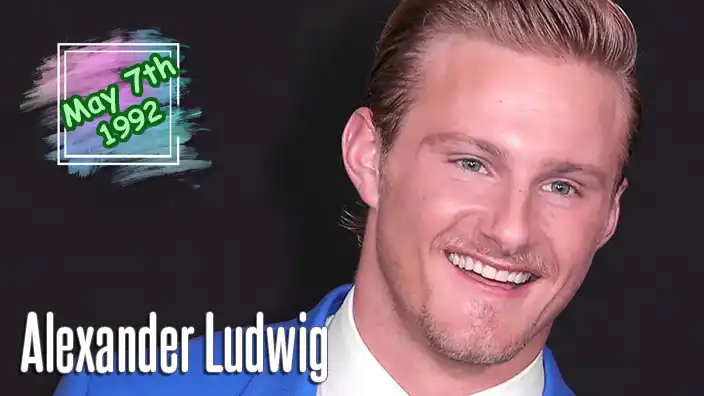
May 7, 1901, in Helena, Montana
 May 13, 1961, in Holmby Hills, California
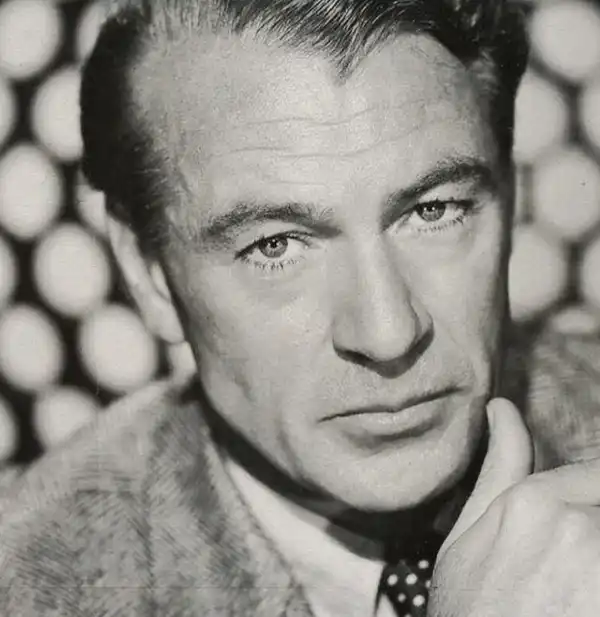
Gary Cooper wasn’t just a movie star—he was the blueprint for a certain kind of American hero. Born Frank James Cooper on May 7, 1901, in Helena, Montana, he grew up with a foot in two worlds: the rugged outdoors of the American West and a polished education that even took him to England for schooling.
That combination would define his entire career.
Before the fame, Cooper did what many future legends did—he hustled. He worked as a film extra, often riding horses in early Westerns, which made sense given his upbringing around ranch life. From there, he didn’t just climb the Hollywood ladder—he quietly strolled up it like he had all the time in the world.
And that calm, unforced presence became his trademark.
By the late 1920s and early 1930s, Cooper was already a major name. His breakthrough came with films like The Virginian (1929), one of the first successful “talkies,” where his understated delivery turned out to be exactly what audiences wanted in a world transitioning from silent films.
Over the next three decades, he became one of Hollywood’s most reliable leading men—appearing in over 80 films and ranking among the top box-office stars year after year.
But here’s the thing about Gary Cooper: he didn’t play flashy heroes.
He played quiet ones.
Men of principle. Men of few words. Men who looked like they’d rather be anywhere else but still did the right thing anyway. That persona clicked with audiences in a big way, especially during uncertain times like the Great Depression and World War II.
His performance as Alvin York in Sergeant York (1941) earned him his first Academy Award for Best Actor, cementing his place as one of the top actors of his generation.
Then came High Noon (1952), the role many consider his finest. As Marshal Will Kane, Cooper delivered a performance so stripped down and honest that it became legendary. He won his second Best Actor Oscar for it, proving that sometimes the most powerful acting is the kind that doesn’t look like acting at all.
And just in case two Oscars weren’t enough, he was awarded an honorary Academy Award in 1961 for his overall contribution to film—a recognition of a career that had shaped Hollywood itself.
Off-screen, Cooper was… well, complicated. He was famously private, a bit shy, and not nearly as talkative as the characters he played (which is saying something). Despite his calm image, his personal life included high-profile relationships with several leading actresses of the era, reminding everyone that even “strong silent types” had their share of drama.
Still, what endured most was his professionalism and his authenticity. Directors loved him because he didn’t overdo anything. Co-stars respected him because he made scenes feel real. Audiences trusted him because he seemed… genuine.
And in Hollywood, that’s rarer than a quiet awards ceremony.
Gary Cooper’s career spanned from the silent film era all the way into the early 1960s—a remarkable run that saw him adapt to massive changes in the industry while remaining consistently relevant.
He passed away on May 13, 1961, at the age of 60 after battling cancer, marking the end of an era for classic Hollywood.
But his legacy didn’t fade.
If anything, it became the gold standard for understated acting.
Because long before method acting, long before explosive performances and dramatic monologues, Gary Cooper proved something simple:
Sometimes, less really is more.