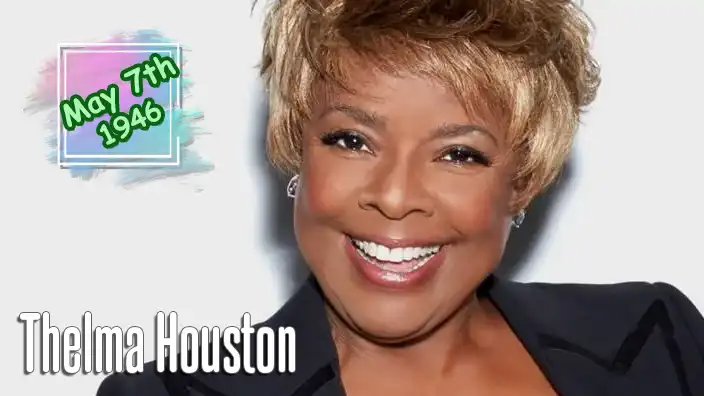
May 7, 1946, in Leland, Mississippi
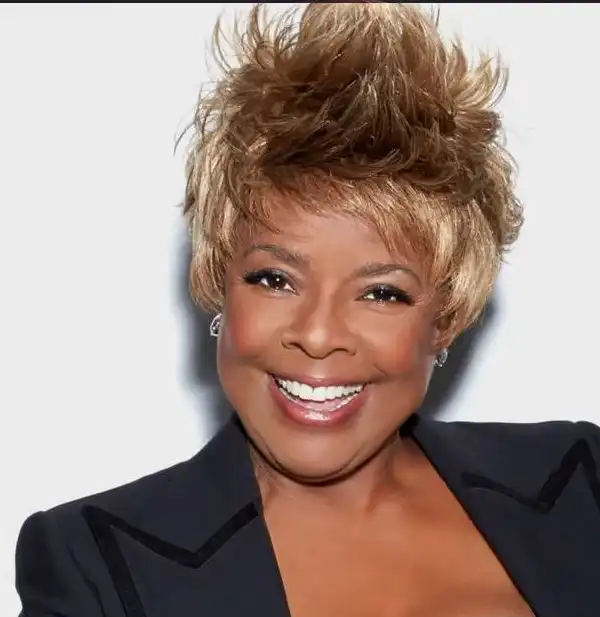
Thelma Houston was born on May 7, 1946, in Leland, Mississippi, and raised in Los Angeles, California—a combination that blended Southern roots with West Coast opportunity. From early on, music wasn’t just a hobby; it was part of the environment. Growing up in a large family, including sisters who were also musically inclined, Houston developed her voice in a setting where singing was simply part of life.
She began her professional career in the late 1960s, recording gospel and soul music, but like many artists of that era, her early years were a mix of promise and persistence rather than immediate stardom. She released her debut album, Sunshower (1969), produced by the legendary Jimmy Webb, which showcased her vocal strength but didn’t quite launch her into mainstream success.
That breakthrough would come later—and when it did, it came in a way that defined her career.
In 1976, Houston released her version of “Don’t Leave Me This Way,” a song originally recorded by Harold Melvin & the Blue Notes. Her rendition transformed the track into a powerhouse disco anthem, driven by her commanding vocals and emotional delivery. The song shot to the top of the charts and earned her a Grammy Award for Best Female R&B Vocal Performance.
It wasn’t just a hit. It was a moment.
“Don’t Leave Me This Way” became one of the defining songs of the disco era, and Houston’s performance gave it a lasting place in music history. It’s the kind of track that still fills dance floors decades later—no explanation required.
Throughout the late 1970s and 1980s, Houston continued recording and performing, releasing albums that leaned into soul, disco, and R&B. While she didn’t replicate the massive commercial success of her signature hit, she maintained a steady presence in the music industry, building a career based on consistency and vocal excellence.
And that voice remained the centerpiece.
Powerful without being overwhelming, expressive without losing control, and always unmistakably hers.
Houston also found success on stage, performing in musical theater productions and live shows that allowed her to connect directly with audiences. Over time, she became known not just as a recording artist, but as a performer who could deliver the same energy live that she brought to the studio.
In later years, she experienced a resurgence of interest, particularly among fans of disco and classic soul. Her music found new audiences through films, television, and the enduring popularity of dance music from the 1970s.
And let’s be honest—some songs don’t need a comeback because they never really left.
Houston’s influence extends beyond just one track. She represents a generation of artists who helped shape the sound of an era, bringing emotion, power, and authenticity to music that continues to resonate.
Because while trends come and go, a truly great vocal performance has a way of sticking around.
And in Thelma Houston’s case, it’s still echoing across dance floors, playlists, and memories—decades later.