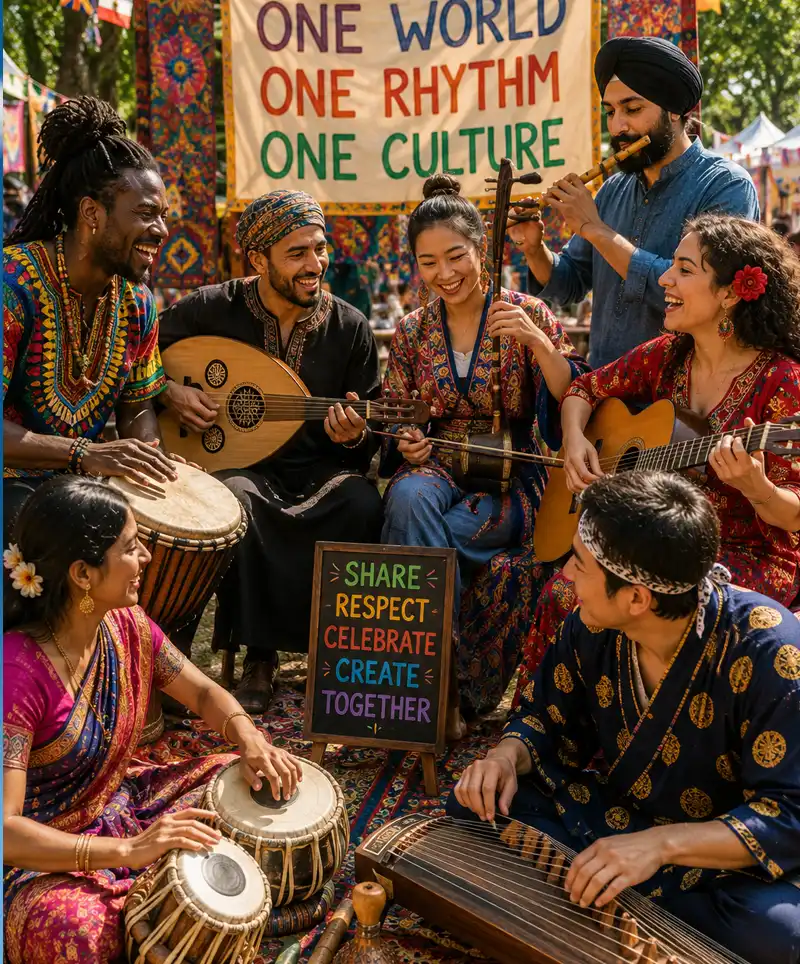
Celebrating Creativity, Sharing, and the Right to Remix the World
Culture Freedom Day celebrates the power of shared creativity, open knowledge, and the idea that culture flourishes when people can access, adapt, and build upon the creative works that shape society. Observed around the world, this unique day shines a spotlight on free culture movements, open educational resources, and the legal sharing of art, music, literature, and digital content.
In an age where information often sits behind paywalls, subscriptions, and legal fine print longer than a medieval land deed, Culture Freedom Day serves as a refreshing reminder that innovation often depends on collaboration. From artists and educators to software developers and everyday internet users, this observance recognizes the importance of balancing creator rights with public access.
This article explores the history of Culture Freedom Day, its role in promoting open culture, and why the freedom to share ideas remains one of humanity’s greatest tools for progress. After all, civilization got this far by passing knowledge forward—not by filing copyright claims over cave paintings.
What Is Culture Freedom Day?
Culture Freedom Day is an international observance dedicated to promoting free culture, open knowledge, and unrestricted access to creative works. Celebrated annually, this day encourages people to explore the benefits of sharing art, music, education, software, and information under licenses that allow legal distribution and adaptation.
At its heart, Culture Freedom Day supports the belief that culture should not be locked away behind endless restrictions. Instead, it champions collaboration, creativity, and innovation through open licensing systems such as Creative Commons.
In simpler terms, it is a day for recognizing that humanity has always built upon the ideas of others. Shakespeare borrowed stories. Musicians sample rhythms. Filmmakers adapt myths. Even your grandmother’s famous casserole recipe probably came from someone else’s grandmother.
The Origins of Culture Freedom Day
Culture Freedom Day was launched in 2012 by the Digital Freedom Foundation, an organization focused on increasing awareness of digital rights, free software, and open culture. The observance expanded upon earlier movements like Software Freedom Day and Open Access initiatives.
Its purpose was to shine a spotlight on:
- Free exchange of cultural works
- Open educational resources
- Public access to knowledge
- Collaborative creativity
- Digital rights and innovation
The movement emerged in response to increasingly restrictive copyright systems that many believed limited creativity and access, particularly in education and developing communities.
By establishing Culture Freedom Day, advocates sought to remind the world that cultural progress often depends on the ability to learn from, adapt, and share existing works.
Why Free Culture Matters More Than Ever
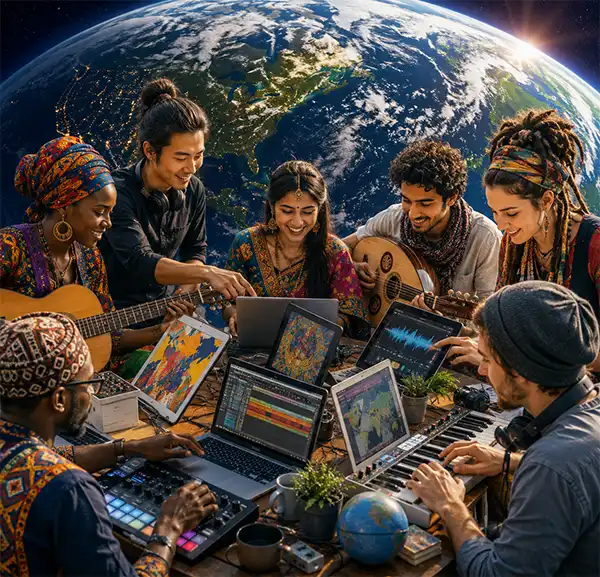
In today’s digital world, where information can circle the globe in seconds, the concept of free culture has become increasingly important. Access to knowledge, art, education, and creative resources has the power to shape societies, inspire innovation, and create opportunities for millions of people. Culture Freedom Day reminds us that creativity does not thrive in isolation—it flourishes when ideas can be shared, adapted, and improved.
Free culture plays a critical role in education by allowing students, teachers, and researchers to access valuable materials without excessive financial or legal barriers. Open educational resources help bridge social and economic gaps, giving more people the opportunity to learn regardless of geography or income.
Innovation also depends heavily on the ability to build upon existing ideas. Throughout history, progress has often come from adaptation, collaboration, and creative reinterpretation. Whether through open-source software, remix music, or shared research, freer cultural systems encourage experimentation and advancement.
Preserving cultural heritage is another major benefit. Open access ensures that literature, historical documents, artwork, and music remain available to future generations rather than disappearing behind restrictive licensing agreements or costly paywalls.
For independent creators, free culture can offer broader visibility and community engagement. By allowing legal sharing under flexible licenses, artists and innovators can often reach larger audiences while maintaining control over how their work is used.
Culture Freedom Day ultimately highlights a simple but powerful truth: when knowledge and creativity are shared responsibly, society as a whole benefits. It is not about removing ownership, but about creating a balanced system where creativity can continue to grow rather than being locked away like a dusty relic in a forgotten archive.
How Culture Freedom Day Is Celebrated
Culture Freedom Day events vary widely across countries, communities, and online platforms, reflecting the broad reach of the free culture movement itself. Celebrations often bring together educators, artists, software developers, activists, and curious members of the public to explore how open access to knowledge and creativity can positively shape society. These events may range from local workshops and public lectures to digital campaigns, collaborative art projects, and open-source technology demonstrations. Universities, libraries, community groups, and digital rights organizations frequently participate by hosting discussions on copyright reform, Creative Commons licensing, and the importance of preserving cultural works for public access. Whether through hands-on creative projects, educational seminars, or online resource sharing, Culture Freedom Day serves as both a celebration and a practical demonstration of how freely shared culture can inspire innovation, education, and artistic growth.
- Workshops on Creative Commons licensing
- Public lectures on copyright reform
- Free art exhibitions
- Open-source software demonstrations
- Community media projects
- Collaborative music and digital art events
Online communities frequently contribute by releasing creative works under open licenses, sharing educational resources, or promoting awareness through social campaigns.
Some participants simply use the day to discover openly licensed books, music, films, or educational tools—proof that celebrating can sometimes involve sitting comfortably at home while legally downloading interesting things.
The Role of Creative Commons and Open Licensing
A major pillar of Culture Freedom Day is the promotion of legal systems that allow creators to share their work while still maintaining control over how it is used. Creative Commons and other open licensing frameworks have become essential tools in balancing creator rights with public access, offering a practical solution for artists, educators, researchers, and innovators who want their work to contribute to broader cultural growth.
Creative Commons licenses provide creators with flexible options that go beyond traditional copyright restrictions. Instead of an all-or-nothing approach, these licenses allow individuals to specify whether others may share, modify, distribute, or even use their work commercially. This empowers creators to encourage collaboration while protecting the aspects of ownership most important to them.
For educators, open licensing can make textbooks, research materials, lesson plans, and educational media more accessible to students worldwide. For artists and musicians, it creates opportunities for wider exposure and creative reinterpretation. For developers and researchers, it supports innovation by allowing communities to improve and expand upon existing projects.
The importance of open licensing becomes especially clear in the digital era, where sharing content is easier than ever but legal complexities can quickly become overwhelming. Without systems like Creative Commons, many collaborative projects could be buried under complicated permissions, licensing fees, or legal uncertainty. Open licenses help reduce these barriers while promoting lawful participation in cultural exchange.
Culture Freedom Day highlights how these frameworks support a healthier creative ecosystem—one where ideas can spread, evolve, and inspire rather than remain trapped behind excessive restrictions. In many ways, Creative Commons has become the bridge between protecting creative effort and encouraging the collaborative spirit that has driven human progress for centuries.
Without such systems, modern creativity could become an exhausting maze of paperwork, where even sharing a photograph of your lunch might feel like preparing for a courtroom defense.
Challenges Facing Free Culture
While Culture Freedom Day celebrates the ideals of openness, collaboration, and shared creativity, significant challenges continue to stand in the way of truly accessible culture. Modern copyright systems, many of which were designed long before the digital age, can often be overly restrictive and difficult to navigate, limiting how knowledge and creative works are legally shared. Large corporations frequently maintain tight control over cultural products, prioritizing profit over public access and placing valuable educational, artistic, and historical resources behind expensive barriers. In some parts of the world, censorship and political restrictions further complicate access to information, reducing opportunities for open cultural exchange. Public misunderstanding of licensing laws also creates confusion, leaving many creators and consumers unsure of what they can legally share or adapt. These obstacles reveal that while the vision of free culture is inspiring, achieving it requires continued advocacy, education, and thoughtful reform to ensure that creativity remains both protected and accessible in an increasingly digital society.
Copyright Complexity
Many copyright laws were designed before the digital age and can be overly restrictive.
Corporate Control
Large media organizations often prioritize profit over access, limiting availability of cultural works.
Digital Censorship
In some regions, access to educational or cultural materials remains heavily restricted.
Public Awareness
Many people still do not understand open licensing or how to legally share creative works.
These obstacles make observances like Culture Freedom Day valuable for public education and advocacy.
Why Culture Freedom Day Still Matters
Culture Freedom Day highlights a timeless truth: creativity grows when people can connect, learn, and share. From ancient storytellers to modern digital creators, human culture has always evolved through collaboration. Restricting access too heavily can slow progress, while thoughtful openness encourages discovery.
In an increasingly connected world, this observance serves as both a celebration and a reminder that knowledge and creativity are among humanity’s most powerful shared resources.
So whether you spend the day exploring public domain classics, sharing your own creative work, or simply appreciating the value of accessible knowledge, Culture Freedom Day offers a reason to celebrate the freedom to create.
Because culture, much like a good joke, tends to work best when shared.