Because Sometimes “I Was Thinking of You” Looks Better in a Vase
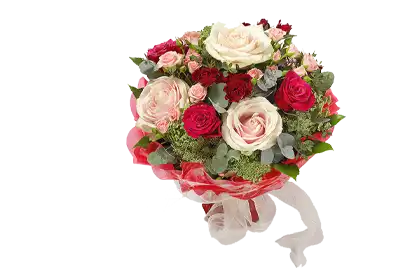
There are occasions when human beings are expected to find exactly the right words. Unfortunately, human beings are notoriously unreliable in this department. Fortunately, flowers have been covering for us for centuries. Bring Flowers to Someone Day, celebrated annually on May 15, encourages people to surprise someone with flowers simply to show kindness, affection, friendship, gratitude or appreciation. No anniversary is required, nobody needs to have graduated from anything, and you certainly don't have to wait until you've done something requiring an apology.
The idea behind Bring Flowers to Someone Day couldn't be simpler: choose someone and give them flowers. They might be your spouse, parent, child, friend, neighbor, coworker, teacher or somebody who has quietly made your life a little better. The flowers can come from a professional florist, supermarket, farmers market or your own garden. A magnificent bouquet is lovely, but a single carefully chosen flower can carry just as much meaning.
What matters is that somebody knows you thought about them.
What Is Bring Flowers to Someone Day?
Bring Flowers to Someone Day, celebrated on May 15, is a simple occasion devoted to brightening another person's day with flowers. Unlike Valentine's Day, Mother's Day or an anniversary, there is no requirement for romance, family ties or an important date circled on the calendar. The person receiving the flowers might be a spouse, friend, neighbor, coworker, teacher, relative or simply someone who deserves an unexpected reminder that they are appreciated.
That lack of obligation is really what makes the celebration special. Flowers received on a birthday are wonderful, but the recipient knows why they arrived. Anniversary flowers are appreciated too, although forgetting them can occasionally lead to diplomatic negotiations later in the evening. On Bring Flowers to Someone Day, the gift can arrive for no reason beyond “I thought of you and wanted to make you smile.” There is something particularly meaningful about knowing another person went out of their way when the calendar wasn't demanding it.
The celebration doesn't require an elaborate bouquet or an expensive visit to a florist. A handful of garden flowers, a cheerful supermarket bouquet, a single rose or a few wild-looking blooms from a farmers market can accomplish exactly the same thing. The value comes from choosing someone, thinking about what might brighten their day and making the effort to deliver it. Flowers may eventually fade, but being unexpectedly remembered has a rather impressive shelf life.
Giving Flowers Is Much Older Than the Florist Shop
Bring Flowers to Someone Day may be a relatively modern celebration, but the idea of using flowers to express emotion, respect and affection reaches back thousands of years. Long before anyone could telephone a florist and order a dozen roses for afternoon delivery, people were gathering flowers and arranging them for ceremonies, celebrations and personal gifts. Ancient societies recognized that flowers were temporary but extraordinarily beautiful, which made them natural symbols for everything from love and fertility to victory, remembrance and death.
The ancient Egyptians incorporated flowers extensively into religious and everyday life. Floral garlands and bouquets were used during ceremonies, placed in tombs and presented as offerings to the gods. Archaeologists have discovered plant remains and floral decorations associated with Egyptian burials, while artistic depictions show flowers being carried or displayed at important occasions. The lotus became particularly significant in Egyptian culture, where its habit of opening during the day and closing at night helped connect it with ideas of rebirth, regeneration and the sun.
Flowers were equally important in ancient Greece, where plants became closely intertwined with mythology and religion. Particular flowers were associated with gods, heroes and legendary events, while wreaths and garlands were worn during festivals, athletic competitions and ceremonies. Victorious athletes could receive wreaths made from plants rather than the metal medals familiar today. The Greeks also used flowers at weddings and funerals, demonstrating that blooms were already accompanying people through life's happiest and saddest occasions.
 The Romans enthusiastically adopted and expanded many Greek floral traditions. Wealthy Romans decorated banquets and celebrations with enormous quantities of flowers, and roses became particularly prized. Petals might be scattered across floors and tables, while guests wore garlands during feasts and festivals. Flowers also appeared in religious ceremonies and funerary customs, and the Romans cultivated them extensively enough that growing flowers became an important part of horticulture. Apparently, once people discovered that a room looked better with flowers in it, there was really no going back.
Other civilizations developed their own rich relationships with flowers. In China, flowers and flowering plants acquired deep artistic and philosophical associations. The peony became connected with prosperity and honor, while chrysanthemums came to represent qualities such as longevity and endurance. Plum blossoms, capable of flowering during the cold season, became admired as symbols of resilience. Flowers appeared prominently in Chinese painting, poetry, gardens and decorative arts, carrying meanings that extended far beyond simply being attractive plants.
Flowers also became deeply embedded in traditions throughout India, Japan, the Middle East and other parts of the world, although the meanings attached to particular blooms varied enormously between cultures. They appeared in religious offerings, festivals, weddings, funerals and hospitality, and were used to decorate both people and important places. The Japanese art of ikebana, for example, eventually developed flower arranging into a disciplined artistic tradition in which placement, form and empty space could be as important as the flowers themselves.
As centuries passed, the practice of giving flowers became increasingly personal as well as ceremonial. A flower could honor someone, welcome a visitor, express affection or mark an important event without requiring an elaborate explanation. Different cultures developed their own customs, but the basic attraction remained remarkably consistent: flowers allowed people to take something beautiful from the natural world and use it to acknowledge another human being.
That makes Bring Flowers to Someone Day considerably less modern than it first appears. We may now purchase professionally arranged bouquets, have flowers delivered across the country and choose from varieties that ancient civilizations could never have imagined, but the fundamental gesture hasn't changed very much. Someone sees a flower, thinks of another person and decides they should have it. Humanity has been doing variations of that for thousands of years, and after all this time, we still haven't found many better ways to say, “I thought you might like these.”
When Flowers Became a Language
The practice of assigning meanings to flowers became particularly fashionable during the 19th century, especially in Victorian Britain and America. It became known as floriography, or the language of flowers.
Books explaining flower symbolism became enormously popular. A carefully constructed bouquet could supposedly communicate affection, admiration, friendship, disappointment, rejection or any number of other sentiments.
That could be rather useful in a society where openly discussing romantic feelings wasn't always considered proper.
Instead of saying, “I think you're wonderful,” you could send flowers.
Instead of saying, “I'm not interested,” you could also send flowers.
Which meant opening the front door and discovering a bouquet might require the Victorian equivalent of consulting the instruction manual.
The precise meanings assigned to individual flowers weren't always consistent. Different books sometimes offered different interpretations, and symbolism varied between cultures and periods. Nevertheless, the Victorian enthusiasm for flower meanings left a lasting legacy that survives today.
We may no longer rush for a flower dictionary whenever someone hands us a carnation, but certain associations remain deeply embedded in modern culture.
Roses Have a Lot to Answer For
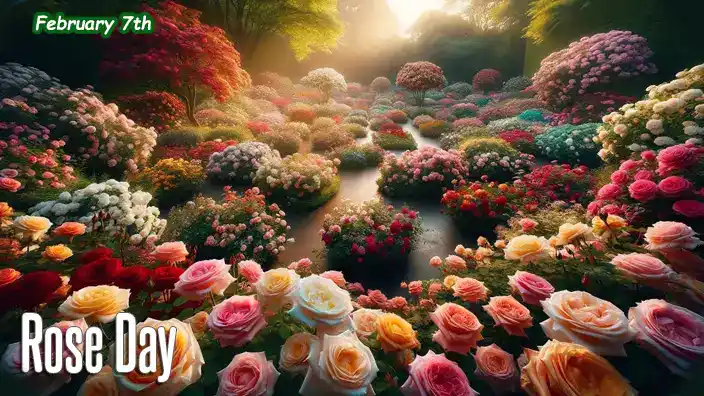
Mention giving someone flowers and there is a very good chance that roses will immediately come to mind. Few flowers carry as much cultural baggage. Roses have been associated with love, beauty, passion, secrecy, politics, royalty and even war, yet today their strongest popular connection is undoubtedly romance. A dozen red roses have become such a familiar declaration of love that they barely require a card. Unfortunately, arriving home unexpectedly carrying them can occasionally produce a suspicious pause followed by the perfectly reasonable question, “All right, what did you do?”
The relationship between roses and human culture stretches back thousands of years. Roses were cultivated in the ancient world and appeared prominently in Greek and Roman mythology, where they became associated with deities connected with love and beauty, particularly Aphrodite and Venus. Romans used roses extensively during celebrations, religious ceremonies and lavish banquets, while rose petals, rosewater and rose oils eventually found uses ranging from perfumes and cosmetics to food and medicine. The flower's beauty and fragrance ensured that people were paying considerable attention to roses long before Valentine's Day entered the picture.
During later centuries, roses acquired additional meanings across Europe and elsewhere. They appeared in religious symbolism, literature, heraldry and art, while different varieties and colors gradually became associated with particular emotions. Roses even marched into English political history through the Wars of the Roses, the 15th-century dynastic conflicts traditionally represented by the white rose of York and the red rose of Lancaster. Few flowers can claim to have represented both romantic affection and competing claims to the English throne, which seems rather ambitious for a shrub.
By the Victorian era, when the language of flowers became enormously fashionable, roses were carrying an increasingly complicated collection of messages. Red roses were strongly associated with passionate love, while pink roses could express admiration, sweetness or gratitude. White roses were connected with purity, innocence and remembrance, and yellow roses acquired meanings that changed considerably over time. Victorian flower guides did not always agree with one another, so anyone attempting a particularly delicate romantic message through roses was taking a certain amount of botanical risk.
Modern flower giving has simplified matters somewhat. Red roses remain the undisputed champions of romantic occasions, dominating Valentine's Day and appearing regularly at anniversaries, proposals and weddings. Pink roses are often chosen for appreciation, affection and congratulations, while white roses remain popular for weddings, memorials and more formal arrangements. Yellow roses are now commonly associated with friendship, warmth and happiness, making them a particularly appropriate choice when romance is definitely not part of the message.
Other colors have joined the floral vocabulary as rose breeding has produced an enormous variety of shades. Orange roses can convey enthusiasm and energy, while lavender and purple varieties offer something more unusual and dramatic. Florists can even sell roses in colors nature never seriously considered, although a genuinely blue rose remains beyond conventional breeding because roses naturally lack the pigment required to produce a true blue flower. If somebody presents you with an electric-blue rose, science probably had assistance from a bottle of dye.
For Bring Flowers to Someone Day, however, there is no requirement to consult a chart before choosing roses. Traditional symbolism can be interesting, but the recipient's own preferences matter considerably more. If your mother loves yellow roses, give her yellow roses. If your best friend adores deep red ones, there is no rule saying they must be reserved exclusively for romantic partners. Flowers are supposed to make the recipient happy, not force everyone to complete an examination in Victorian etiquette before accepting the bouquet.
The rose has remained one of the world's favorite flowers because it combines beauty, fragrance, enormous variety and centuries of cultural meaning. Whether given as a declaration of love, an expression of friendship, a thank-you or simply because somebody enjoys having roses on the kitchen table, it continues to do a remarkable amount of emotional work for one plant. Just remember that if you suddenly arrive home with two dozen red roses on an otherwise completely ordinary evening, you may want to have your explanation prepared before opening the door.
There Is a Flower for Almost Everybody
One of the pleasures of celebrating Bring Flowers to Someone Day is choosing flowers that actually suit the person receiving them. There is no universal bouquet that works for everyone, and that's part of the fun. Some people love traditional roses, while others would much rather receive cheerful daisies, dramatic lilies or something unusual enough to make them ask what on earth you've brought into the house. Color, fragrance, personality and even the recipient's garden can provide inspiration, making the selection itself part of the gift.
Sunflowers are difficult to beat when the objective is pure cheerfulness. Their enormous golden flower heads seem almost designed to brighten a room, and their association with summer makes them particularly effective when somebody could use a little encouragement. Sunflowers also work well in informal arrangements, especially for friends, relatives or neighbors when romantic symbolism isn't remotely required. A vase full of sunflowers doesn't whisper delicately from the corner; it walks into the room, throws open the curtains and announces that everyone is going to have a better day.
Tulips offer another wonderfully versatile choice. Available in an extraordinary range of colors, they are particularly associated with spring and can create arrangements ranging from elegant to wonderfully informal. Their long history is fascinating as well. Tulips became so desirable in the Netherlands during the 17th century that certain rare bulbs commanded extraordinary prices during the period remembered as Tulip Mania. Fortunately, presenting someone with tulips today generally does not require selling property, borrowing money or consulting a nervous Dutch banker.
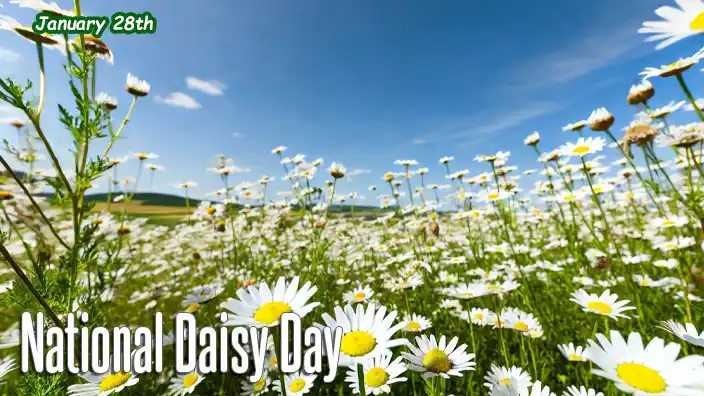
For something simpler, daisies have an uncomplicated charm that works particularly well for casual gifts. Their bright appearance has long been associated with innocence, freshness and happiness, and they combine easily with other flowers. Carnations are another excellent choice and deserve considerably more respect than they sometimes receive. Available in numerous colors, carnations are attractive, relatively affordable and impressively durable. While more delicate flowers may begin looking exhausted after a few days, carnations often remain upright in the vase as though determined to get your money's worth.
Lilies can make a spectacular arrangement because of their large flowers and often powerful fragrance. They are frequently associated with beauty, devotion, remembrance and renewal and are commonly used for weddings, celebrations and memorial arrangements. Their fragrance can be too strong for some people, however, and certain lilies present a serious danger to cats. If the intended recipient shares the house with a feline supervisor, lilies should generally be avoided in favor of a pet-safe choice.
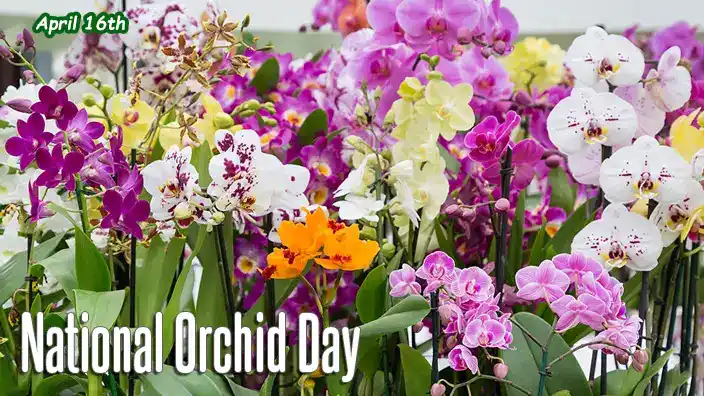
Orchids offer something entirely different. Their distinctive shapes and enormous variety give them an exotic appearance, and a potted orchid can continue producing flowers long after a traditional bouquet has faded. They make particularly good gifts for someone who enjoys houseplants or likes something a little less conventional. The only difficulty is that orchids occasionally appear to develop very firm opinions about humidity, watering, temperature and precisely which windowsill meets their personal standards. In this respect, they are essentially the cats of the flower world.
Other possibilities are almost endless. Chrysanthemums provide abundant color and are especially popular during autumn, while daffodils bring an unmistakable sense of spring. Hydrangeas create large, dramatic displays, peonies are prized for their lush flowers, and irises offer striking colors and elegant shapes. Seasonal flowers are often an excellent choice because they can be fresher, easier to find and more affordable than varieties that must travel considerable distances to reach the florist.
Personal preference should ultimately matter more than traditional flower symbolism. If someone has always loved purple irises, there is little reason to arrive with red roses simply because a guidebook says roses are appropriate. The best flowers for Bring Flowers to Someone Day are the ones that make the recipient smile when they see them. Choosing something you know they love quietly adds another message to the bouquet: you weren't merely buying flowers—you were paying attention.
The Best Flowers Might Come From Your Own Garden
Celebrating Bring Flowers to Someone Day does not require a trip to a florist or an elaborate arrangement wrapped in enough decorative paper to conceal a small automobile. If you grow flowers at home, some of the most meaningful blooms you can give may already be waiting in your own backyard. A small bouquet of freshly cut roses, daisies, zinnias, hydrangeas, marigolds or whatever happens to be flowering can feel far more personal than something selected from a refrigerated display on the way home.
Garden flowers have an appealing informality that suits the spirit of the day particularly well. They don't need to match perfectly, and nobody should be measuring the stems with a ruler. Combining different colors, shapes and sizes can produce a wonderfully natural bouquet that looks as though it actually came from a garden rather than emerging from a floral engineering department. Even greenery, herbs and flowering branches can be incorporated to give a homemade arrangement additional texture and fragrance.
There is also something particularly thoughtful about giving flowers you have grown yourself. The recipient isn't simply receiving a bouquet; they are receiving something that you planted, watered and cared for before deciding to share it. You may have spent months battling heat, cold, insects, weeds and whatever local wildlife considers your flower bed an all-you-can-eat buffet. By the time one of those flowers reaches somebody else's vase, it has already survived quite an adventure.
For the best results, garden flowers should generally be cut when temperatures are cooler, such as during the morning or evening, rather than in the heat of the day. Using clean, sharp garden shears helps prevent unnecessary damage to the plant, and placing the stems into water soon after cutting can help keep them fresh. Leaves that would sit below the waterline should be removed before the flowers go into a clean vase, since submerged foliage can encourage bacterial growth and shorten the life of the arrangement.
A homegrown bouquet also provides an excellent opportunity to include flowers with a personal connection. Perhaps the recipient once admired your roses, gave you the original seeds or helped you plant the garden. Maybe the flowers are varieties that grew around a childhood home or remind both of you of someone special. Those connections can turn a handful of flowers into something considerably more meaningful than their monetary value might suggest.
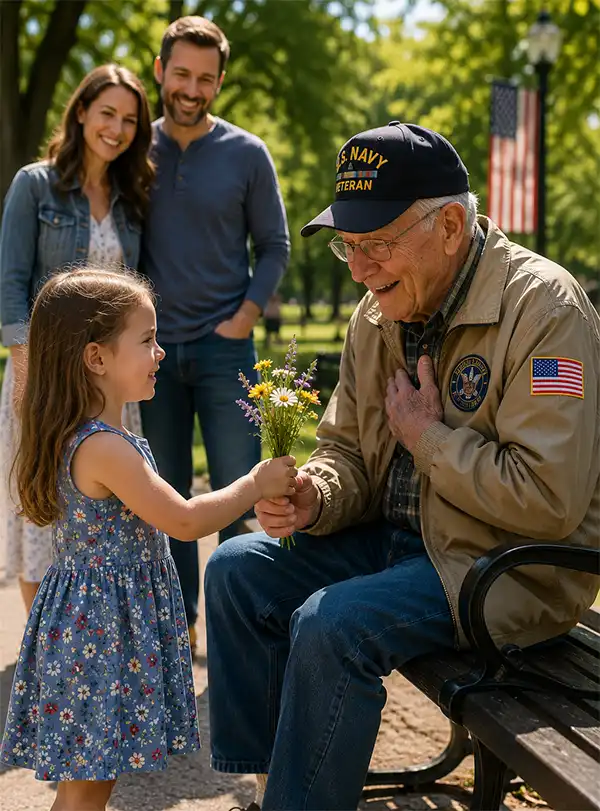
Children can get involved as well, and this is where professional standards should be abandoned immediately. A child assembling flowers for a parent, grandparent, teacher or neighbor may produce a bouquet containing three daisies, two enormous leaves, a dandelion, something technically classified as a weed and one unfortunate flower with approximately eleven seconds of stem remaining. The arrangement may never trouble the judges at an international flower show, but there is an excellent chance it will become the recipient's favorite bouquet of the year.
Of course, using flowers from a garden comes with one important rule: make sure it is your garden. Bring Flowers to Someone Day is intended to encourage generosity, not midnight raids on the neighbor's prize roses. If Mrs. Henderson discovers you creeping away from her flower bed at six in the morning carrying her best hydrangeas, explaining that you were participating in an international celebration of kindness probably isn't going to help.
Whether carefully arranged or cheerfully imperfect, flowers from your own garden capture exactly what Bring Flowers to Someone Day is about. They require a little time, thought and effort, yet they don't need to cost anything at all. Sometimes the nicest bouquet isn't the one with the biggest price tag—it is the one that traveled directly from your garden to somebody else's kitchen table.
Flowers Aren't Only for Romantic Partners
Perhaps the most important message of Bring Flowers to Someone Day is that giving flowers does not have to be romantic.
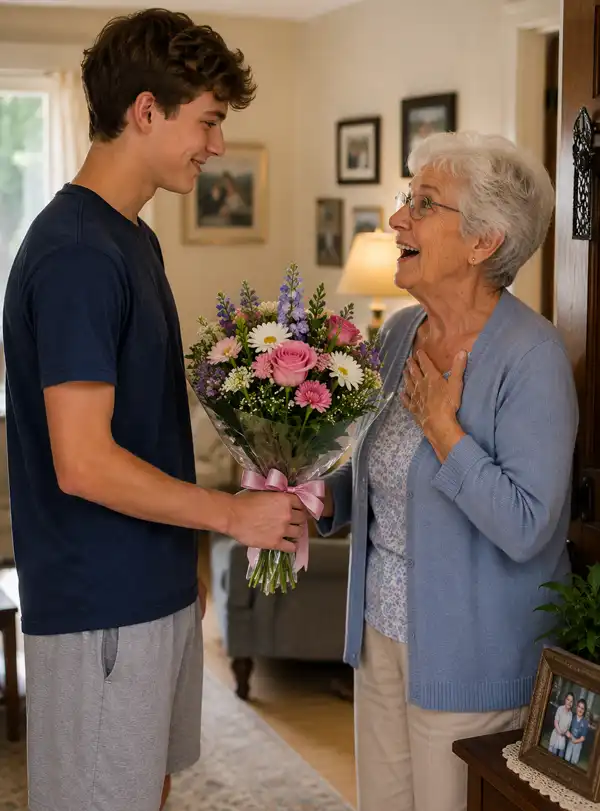
Bring flowers to your mother or father. Surprise a grandparent. Give them to a friend who has been having a difficult week. Take flowers to an elderly neighbor. Thank a teacher. Leave a small arrangement for somebody at work who rarely receives recognition.
You could bring flowers to someone who lives alone or to a person who has recently experienced a loss. Flowers cannot fix grief or hardship, and they shouldn't be presented as though they can, but a thoughtful gesture can remind someone that they haven't been forgotten.
Sometimes that's enough.
And don't overlook the people you see regularly but barely know. The receptionist who always helps you. The neighbor who collects your mail when you're away. The person who volunteers at a community organization. The friend who always answers the telephone when life goes sideways.
Bring Flowers to Someone Day is an excellent excuse to acknowledge people who don't normally appear on anyone's gift list.
Bringing Flowers to Someone in the Hospital
Flowers have traditionally been associated with visiting someone who is sick or recovering, but this is one situation where checking first is important.
Some hospitals and medical units restrict flowers because of infection-control concerns, allergies or the needs of particular patients. Intensive-care units and areas treating people with compromised immune systems may prohibit them entirely.
If flowers are permitted, choose an arrangement that doesn't require much work from the patient. Nobody recovering from surgery needs to spend twenty minutes searching the hospital for pruning shears and an appropriately shaped vase.
And go easy on heavily scented flowers. The arrangement is supposed to make the patient feel better, not cause everyone on the floor to start sneezing.
Be Careful When Giving Flowers to Pet Owners
Here is one part of Bring Flowers to Someone Day that deserves special attention. Some popular flowers can be dangerous to pets.
This is particularly important when giving flowers to households with cats. True lilies and daylilies can be extremely toxic to cats, and exposure to parts of the plant, pollen or even water from a vase containing lilies can potentially cause serious poisoning. Other plants and flowers may also be harmful to cats, dogs or other pets.
If your recipient has animals, choose flowers known to be pet-friendly or tell the florist that the arrangement is going into a home with pets. A thoughtful gift becomes considerably less thoughtful when the family spends the evening at the emergency veterinarian.
The cat will also blame you personally. Forever!
A Potted Flower Can Keep the Celebration Going
Cut flowers are beautiful, colorful and wonderfully immediate, but eventually even the finest bouquet begins dropping petals and looking as though it has had a very difficult week. For someone who enjoys plants, a potted flowering plant can be an excellent alternative for Bring Flowers to Someone Day. Instead of providing blooms for several days, the right plant can continue growing and flowering for months or even years, turning a simple gesture into a gift the recipient can enjoy repeatedly.
African violets are a popular choice because their compact size makes them suitable for windowsills, desks and smaller homes. With appropriate light and care, they can flower repeatedly and are available in shades ranging from white and pink to rich purple and blue-violet. Orchids are another attractive option, particularly the widely available Phalaenopsis varieties. Their flowers can remain attractive for weeks, and a healthy plant may bloom again in future years. Orchids have a reputation for being difficult, although many are considerably tougher than people assume once their basic preferences are understood.
For someone who enjoys gardening, consider a flowering plant that can eventually move outdoors. Depending on the climate and season, roses, hydrangeas, chrysanthemums, lavender and other flowering plants may provide both an immediate display and a permanent addition to the garden. This can make the gift especially memorable because the recipient may still be enjoying the plant years later. A rose bush planted after Bring Flowers to Someone Day could eventually produce hundreds of flowers, which is an impressive return on a single act of kindness.
The recipient's lifestyle should influence the choice, however. A dedicated gardener may be delighted with a plant requiring regular pruning, feeding and attention, while somebody who routinely discovers houseplants only after they have become botanical archaeology might appreciate something less demanding. Giving a plant should feel like a present rather than assigning someone a new dependent, so asking a garden center or florist about easy-care varieties can be worthwhile.
Seeds and bulbs provide another interesting possibility, especially for someone who enjoys watching a garden develop. They may not offer the instant impact of a colorful bouquet—handing someone a packet containing several small brown objects does require a certain amount of imagination—but they carry the promise of flowers later. Tulip, daffodil and other bulbs can produce spectacular seasonal displays, while packets of zinnia, cosmos, sunflower or other flower seeds can eventually become an entire patch of color.
A potted plant can also create a lasting connection with the person who gave it. Each time it produces another round of flowers, the recipient may remember where it came from and why it was given. That makes a living plant particularly appropriate for Bring Flowers to Someone Day: the original gesture lasts longer than the celebration itself and, with a little luck and reasonably competent watering, may return year after year.
Just remember that plants, like people, have preferences. Some want bright sunlight, others prefer shade, and a few appear determined to collapse dramatically because they were moved six inches to the left. Choose wisely, include basic care instructions if necessary, and you may give someone flowers that keep celebrating long after May 15 has passed.
Local Florists Make the Day Easy
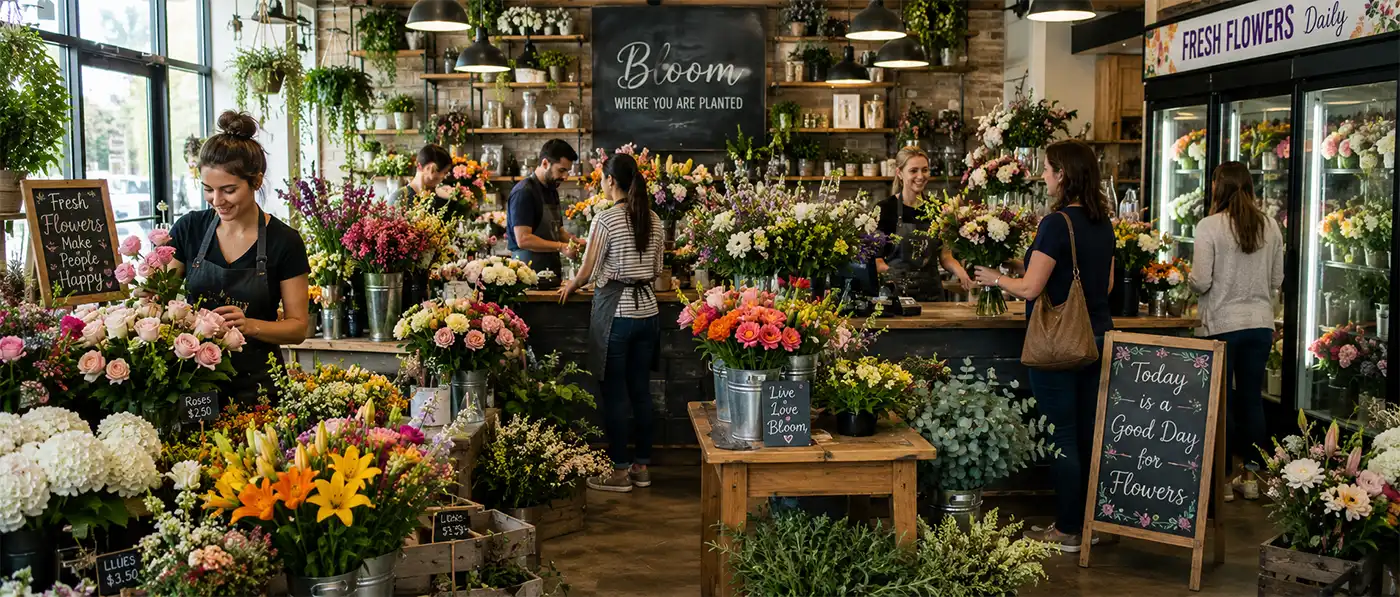
Celebrating Bring Flowers to Someone Day provides an excellent excuse to visit a local florist, particularly if your knowledge of flowers begins with “rose” and ends with “the yellow ones over there.” Professional florists understand far more than how to make a bouquet look attractive. They know which flowers are in season, which varieties work well together, which blooms are particularly fragrant, how long different flowers are likely to last and what will suit the person receiving them. Tell the florist a little about the recipient and the occasion, and they can usually steer you toward something appropriate without requiring you to earn an emergency degree in horticulture.
Useful information can be surprisingly simple. Telling the florist, “She loves purple, enjoys gardening and has two cats,” immediately helps narrow the choices while also raising an important safety consideration about potentially toxic flowers. A florist can recommend an arrangement based on the recipient's favorite colors, the atmosphere you want to create and the amount you would like to spend. Even the wonderfully straightforward request, “I have thirty dollars and would like to look thoughtful,” is probably something an experienced florist can work with.
Local florists can also explain how to keep cut flowers fresh after they arrive home, and their advice is worth passing along to the recipient. Most arrangements will last longer when placed in a thoroughly clean vase filled with fresh water. Stems can usually benefit from being trimmed before they go into the vase, while leaves that would otherwise remain below the waterline should be removed. Submerged foliage encourages bacterial growth, and bacteria are considerably less romantic than the flowers.
Many professionally prepared bouquets include a packet of flower food, which should be mixed with water according to the instructions rather than treated with the traditional household approach of assuming that twice as much must work twice as well. The vase water should be changed regularly, particularly if it becomes cloudy, and the stems can be trimmed again when necessary. Keeping the arrangement away from excessive heat and strong direct sunlight can also help the flowers remain attractive for longer.
Florists may provide more specific instructions because different flowers have different needs. Some varieties require particular trimming methods, while others are especially sensitive to temperature or water conditions. If you have chosen an unusual flower or an elaborate mixed arrangement, asking how it should be cared for takes only a moment and can add several enjoyable days to the gift. Passing those instructions along also prevents the recipient from having to search online later while staring accusingly at a suddenly drooping bouquet.
Supporting a local florist has another advantage: you are dealing with someone who knows flowers rather than merely somewhere that happens to sell them. Independent flower shops often work with seasonal blooms and may source flowers from regional growers when available. They can create something specifically for the recipient instead of relying entirely on standardized arrangements, which can make a Bring Flowers to Someone Day surprise feel considerably more personal.
Eventually, every bouquet will fade regardless of how carefully it is treated, and that is simply part of the nature of cut flowers. Their limited lifespan doesn't diminish the gift; in many ways, it contributes to what makes receiving them special. A good florist can help ensure they remain beautiful for as long as possible, but the part that lasts longest isn't sitting in the vase anyway. The recipient is far more likely to remember who brought the flowers and why.
You Don't Need to Spend a Fortune
One of the nicest things about Bring Flowers to Someone Day is that the size of the gesture has absolutely nothing to do with the size of the bill. A magnificent arrangement from a professional florist can certainly make an impression, but it isn't necessary to spend a small fortune to let somebody know you were thinking about them. A simple supermarket bouquet, a few seasonal flowers from a farmers market, a single beautiful rose or several blooms from your own garden can carry exactly the same message when they are chosen and given with genuine thought.
In fact, an inexpensive bouquet selected specifically for the recipient may mean considerably more than an elaborate arrangement ordered simply because it was the largest one available. Knowing that someone loves sunflowers, purple tulips or old-fashioned daisies shows that you have been paying attention, and that personal knowledge costs nothing. The purpose of the day isn't to impress someone with your purchasing power; it is to create that wonderful little moment when they realize you thought about them when you didn't have to.
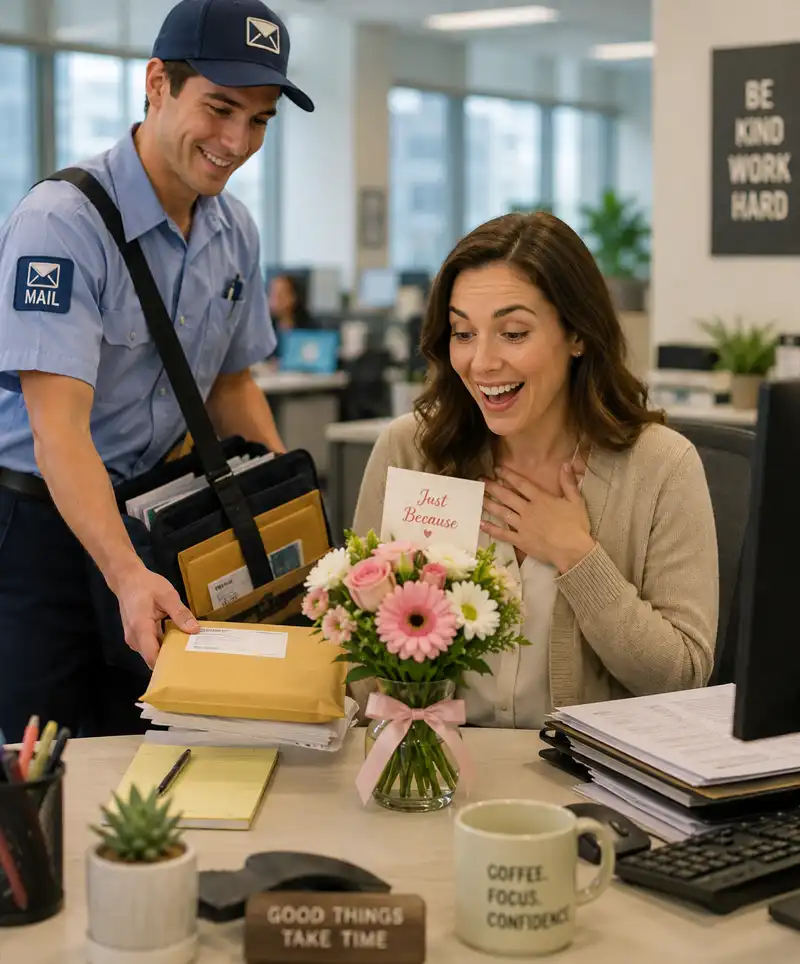
This is also one occasion when you should remember to include a note. It doesn't need to contain poetry, profound philosophy or anything that would worry Shakespeare. A few handwritten words such as “I thought these would make you smile,” “Thank you for always being there,” or simply “These made me think of you” can transform an attractive bouquet into a genuinely personal gift. Long after the flowers have faded, that little card may still be tucked into a drawer, a book or a keepsake box.
If the flowers are being delivered, adding a message becomes even more important because the recipient may otherwise have no idea who sent them. Anonymous flowers sound wonderfully mysterious in romantic movies, but in real life they can result in half an hour of suspicious questioning and several innocent people being accused. Put your name on the card unless mystery is genuinely part of the plan.
There is only one economy measure that should be avoided: acquiring the flowers from somebody else's property without permission. Picking a few blooms from your own garden is thoughtful and free; removing Mrs. Henderson's prize roses while she is making breakfast is simply theft with better fragrance. Bring Flowers to Someone Day celebrates kindness, not budget-conscious horticultural crime.
Whether you spend five dollars or fifty, the flowers themselves are only part of the gift. The real value lies in noticing someone, choosing something you think they will enjoy and taking the time to give it to them. Add a short personal note, and even the simplest bunch of flowers can become something the recipient remembers long after the vase has been emptied.
Giving Flowers FAQ
Giving flowers should be one of the easiest acts of kindness imaginable, but somehow humans have managed to surround it with questions about colors, meanings, allergies, pets, etiquette and whether red roses will accidentally turn a friendly gesture into a marriage proposal. Fortunately, Bring Flowers to Someone Day doesn't require a degree in floral diplomacy. A little thought about the recipient is usually all that's needed, but these frequently asked questions can help make sure your thoughtful bouquet sends the message you actually intended.
What are the best flowers to give someone?
The best flowers are usually the ones the recipient enjoys most. Roses, tulips, sunflowers, daisies, carnations and mixed seasonal bouquets are all excellent choices, but personal preference matters more than traditional symbolism. If you know someone loves a particular flower or color, choosing it shows that you remembered something about them.
Do flowers always have to be a romantic gift?
Not at all. Flowers can express friendship, gratitude, congratulations, sympathy, encouragement or simple affection without carrying any romantic meaning. Bring Flowers to Someone Day is especially suited to giving flowers to friends, relatives, neighbors, teachers, coworkers and other people who have made a positive difference in your life.
What flowers should I give to a friend?
Bright, cheerful flowers such as sunflowers, daisies, tulips and mixed seasonal arrangements work particularly well for friendship. Yellow roses have also become widely associated with friendship and happiness. However, if your friend has a favorite flower, that is usually a better choice than following traditional flower meanings.
Should I avoid red roses if the gift isn't romantic?
You don't necessarily have to, but red roses are so strongly associated with romantic love that they can send an unintended message. For a friend, coworker or casual acquaintance, a colorful mixed bouquet or flowers such as sunflowers, daisies or tulips may communicate your intentions more clearly.
How much should I spend on flowers?
There is no required amount. A single flower can be every bit as meaningful as an elaborate arrangement, particularly when it is accompanied by a personal message. Bring Flowers to Someone Day is about thoughtfulness rather than price, so choose something you genuinely think the recipient will enjoy and stay comfortably within your budget.
Should I include a note with the flowers?
Yes, particularly if the flowers are being delivered. A short handwritten message makes the gift more personal and ensures the recipient knows who sent it. You don't need to write anything elaborate; a simple “I was thinking about you” or “I hope these brighten your day” is more than enough.
Can I give flowers from my own garden?
Absolutely. Homegrown flowers can make an especially personal gift because they have been grown and selected by you. Cut them carefully, place them in water as soon as possible and arrange them simply. Just make certain they come from your garden. The neighbor's hydrangeas remain the neighbor's hydrangeas even on Bring Flowers to Someone Day.
Are some flowers dangerous to pets?
Yes. Several common flowers and plants can be toxic to cats, dogs and other animals. True lilies and daylilies are particularly dangerous to cats, and even small exposures can cause severe poisoning. If the recipient has pets, ask a florist for a pet-safe arrangement or check the individual plants before giving them.
Is it appropriate to bring flowers to someone in the hospital?
Often it is, but always check the hospital's rules first. Some wards prohibit flowers because of infection-control requirements, allergies or risks to patients with weakened immune systems. If flowers aren't permitted, a card or another small gift can provide the same thoughtful message.
Are potted flowering plants better than cut flowers?
Neither is necessarily better; they simply provide different kinds of gifts. Cut flowers offer immediate color and require relatively little responsibility, while a potted flowering plant can continue growing and blooming for months or years. Consider whether the recipient enjoys caring for plants before presenting them with something that expects regular watering.
What if I don't know which flowers the person likes?
A mixed seasonal bouquet is a safe and attractive option. You can also tell a florist a little about the recipient, including favorite colors, personality, age and whether they have pets. Professional florists are accustomed to helping customers who arrive armed with little more than, “She's lovely, she likes blue, and please don't let me mess this up.”
Can I buy flowers for myself on Bring Flowers to Someone Day?
Certainly. You are, after all, someone. Buying yourself fresh flowers can brighten your home and gives you the rare opportunity to receive exactly the bouquet you wanted. You can even include a note if you wish, although acting surprised when you read it should probably be done in private.
One Last Fragrant Bloom
Bring Flowers to Someone Day isn't complicated, and perhaps that is exactly why it deserves a place on the calendar. There are no elaborate traditions to follow, no enormous meal to prepare and no requirement to decorate the house until the electric meter begins spinning like a roulette wheel. On May 15, the idea is simply to think of another person, choose some flowers and let them know that, for at least a moment during an ordinary day, they were important enough to cross your mind.
The flowers themselves can be magnificent or modest. They might be a dozen carefully arranged roses from a local florist, a cheerful bunch of tulips from the supermarket, a sunflower from a farmers market or several slightly mismatched blooms cut from your own garden. What matters is the thought behind them. Add a short handwritten note, and you have something increasingly rare in a world of instant messages and hurried communication: a gift that required you to stop what you were doing and make a small effort specifically for somebody else.
Flowers won't solve every problem. They cannot repair a broken heart, erase grief, cure illness or make a difficult week disappear. What they can do is brighten a room and remind someone that they aren't facing everything unnoticed. Sometimes the message is romantic, sometimes it is gratitude, and sometimes it is nothing more complicated than “I saw these and thought you would like them.” That may seem like a small thing, but small acts of kindness have always had a habit of becoming much larger in the memory.
Eventually, the bouquet will fade. Petals will fall, the water will need emptying and the vase will return to the cupboard. The flowers were never supposed to last forever. The important part is that for several days they sat on a table, desk or windowsill and reminded someone that another person had thought about them for no particular reason.
So, on Bring Flowers to Someone Day, don't wait for a birthday, anniversary or apology to make flowers necessary. Pick somebody who deserves a little happiness and surprise them. Bring the flowers, remember the note and enjoy the smile.
And if you happen to be the person who deserves flowers today, there is absolutely nothing preventing you from buying your own.
Just make sure the card says they're from a secret admirer. Technically, it isn't a lie.