June 3, 1967, in New York City, New York
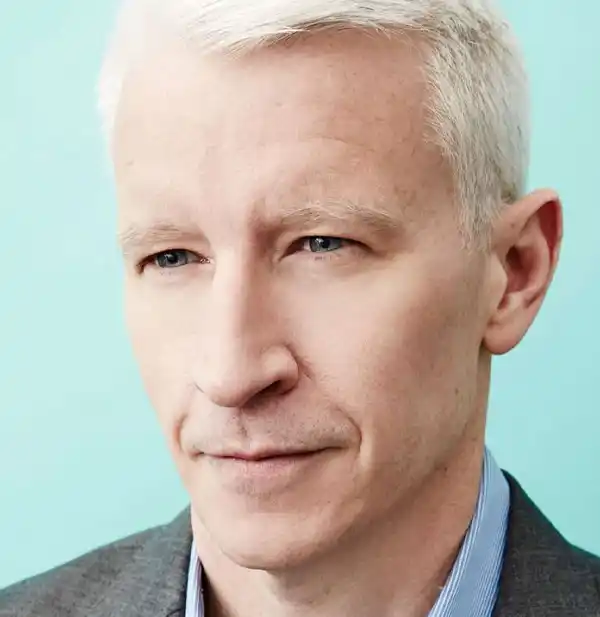
Born on June 3, 1967, Anderson Cooper has become one of the most recognizable and trusted figures in American journalism. With his calm delivery, sharp reporting, and distinctive silver hair, Cooper has covered wars, disasters, elections, and historic moments around the world. His path to the anchor desk, however, was anything but predictable.
Anderson Hays Cooper was born in New York City into one of America’s most famous families. He is the son of artist, designer, and socialite Gloria Vanderbilt, a member of the storied Vanderbilt dynasty. Despite the family’s high-profile reputation, Cooper has often spoken about his upbringing as relatively modest and grounded, especially after financial setbacks affected the family’s fortune.
Tragedy struck early in his life. In 1988, his older brother, Carter Cooper, died by suicide, a loss that deeply affected him and shaped his outlook on life. The experience would later influence his empathetic approach to journalism and his interest in telling human-centered stories.
Cooper attended Yale University, where he studied political science. Rather than immediately pursuing a comfortable media job after graduation, he took a far more unconventional route. He traveled to conflict zones on his own, using a borrowed video camera to film reports from places like Myanmar. He sold the footage to Channel One News, launching his career as a war correspondent.
Throughout the 1990s, Cooper reported from some of the world’s most dangerous regions, including Bosnia, Rwanda, Somalia, and Haiti. His willingness to be on the ground in difficult conditions helped establish his reputation as a serious journalist.
In 2001, he joined CNN, where he eventually became the anchor of Anderson Cooper 360°. The program quickly gained attention for its mix of breaking news, investigative reporting, and emotional storytelling. Cooper’s coverage of major events—especially Hurricane Katrina in 2005—earned him widespread praise. His on-air frustration with government failures during the disaster resonated with viewers and showed a more personal, passionate side of broadcast journalism.
Over the years, Cooper has covered countless major stories, including wars in the Middle East, the Haiti earthquake, presidential elections, and the Boston Marathon bombing. His reporting has earned multiple Emmy Awards and a reputation as one of the most reliable voices in television news.
Not every career move was a smooth one. In the early 2000s, he hosted the reality competition show The Mole on ABC. While the show developed a cult following, some critics questioned whether it fit his serious journalist image. Cooper himself later joked about the experience, treating it as a detour rather than a defining moment.
Off camera, Cooper is known for his disciplined and organized personality. Friends and colleagues often joke about his neatness and love of order. His scripts, notes, and workspace are famously tidy—qualities that reflect his precise and methodical approach to reporting.
He also shares his mother’s appreciation for art, history, and travel. Over the years, he has visited historical sites around the world, combining his professional assignments with personal curiosity about culture and heritage.
In his personal life, Cooper has been open about his experiences and identity, becoming one of the most prominent openly gay journalists in American television. He is also a father, a role he has described as one of the most meaningful chapters of his life.
Anderson Cooper’s career is defined by courage, curiosity, and compassion. From war zones to news studios, he has spent decades bringing important stories to the public with clarity and integrity. As he celebrates his birthday on June 3, he remains a steady and trusted presence in a fast-changing media landscape.