Celebrating Plant-Based Living, Compassion, and Choice
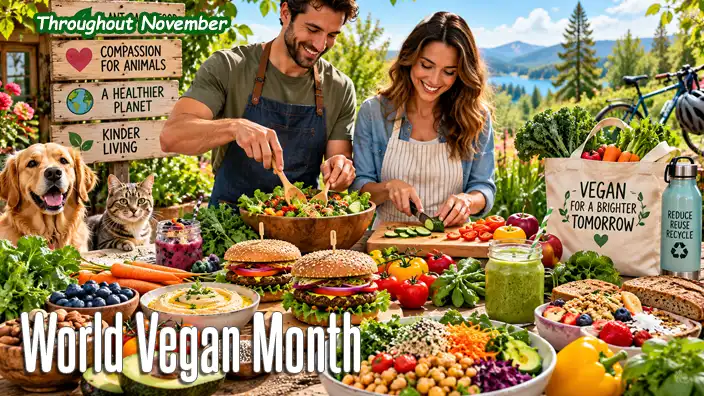
Every November, World Vegan Month celebrates a lifestyle that has grown from a relatively small movement into an internationally recognized approach to food, animal welfare, environmental responsibility, and everyday living. For those unfamiliar with veganism, the idea might sound like a month devoted to eating lettuce while gazing longingly at the cheese counter. Fortunately, the reality is considerably more interesting. From colorful vegetable curries and hearty bean chili to creamy dairy-free desserts and surprisingly convincing plant-based burgers, vegan cuisine offers an enormous variety of flavors, ingredients, and culinary traditions. World Vegan Month encourages people to explore those possibilities, learn why individuals choose veganism, and perhaps discover that a satisfying meal doesn't necessarily require anything that once had a pulse.
Observed throughout November, World Vegan Month is an opportunity to celebrate established vegans, welcome curious newcomers, and encourage thoughtful conversations about the relationship between people, animals, food production, and the natural world. Some participants embrace veganism for ethical reasons, others are interested in environmental sustainability or personal health, and many are motivated by a combination of factors. The observance is not about demanding that everyone make identical choices. Rather, it provides an invitation to understand vegan principles, consider the effects of everyday decisions, and appreciate the creativity of plant-based cooking. Whether someone has followed a vegan lifestyle for decades or simply wants to try oat milk in their morning coffee, there is room for curiosity, discovery, and perhaps a few pleasant surprises.
How World Vegan Month Began
The history of World Vegan Month is closely connected to the founding of The Vegan Society in the United Kingdom in November 1944. During the Second World War, a group of vegetarians who avoided dairy products and eggs sought to establish a distinct identity for people who rejected the consumption of animal-derived foods. Donald Watson, one of the movement's leading figures, helped establish the organization and introduced the term vegan, formed from the beginning and end of the word vegetarian. The new word represented an approach that went beyond simply avoiding meat, reflecting a growing concern about the use of animals for food and other human purposes. What began as a relatively small gathering of like-minded individuals eventually developed into an international movement. Considering the worldwide attention veganism receives today, Watson's little exercise in word construction turned out to have remarkable staying power.
 World Vegan Day was established in 1994 by Louise Wallis, then president and chair of The Vegan Society, to commemorate the organization's fiftieth anniversary. November 1 became the annual date for recognizing veganism and its development, while the broader observance of World Vegan Month extended the celebration throughout November. The month provides opportunities for educational events, community gatherings, cooking demonstrations, public discussions, and campaigns highlighting vegan living. Organizations, businesses, schools, and individuals participate in different ways, reflecting the growing international interest in animal welfare and plant-based alternatives. The anniversary also serves as a reminder that veganism is not simply a modern social media trend. Its organized history stretches back generations, long before anyone could photograph their avocado toast and announce its arrival to the entire planet.
Although The Vegan Society gave the modern movement its name and organizational structure, the practice of avoiding animal foods has much older roots. Various religious, philosophical, and cultural traditions have encouraged vegetarian or largely plant-based eating for centuries, often emphasizing compassion, nonviolence, simplicity, or spiritual discipline. These traditions are not necessarily identical to modern veganism, which encompasses a broader philosophy concerning animal exploitation, but they demonstrate that questions about the human relationship with animals are hardly new. What changed during the twentieth century was the development of veganism as a clearly defined movement with its own terminology, organizations, publications, and public advocacy. Today, World Vegan Month connects that history with contemporary conversations about food systems, sustainability, nutrition, and ethical consumption.
What Does It Mean to Be Vegan?
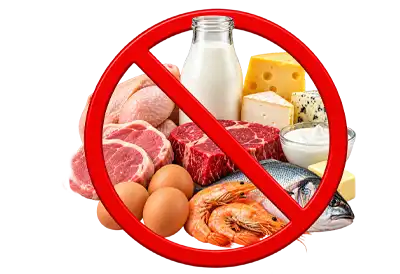
Veganism is commonly understood as a philosophy and way of living that seeks to exclude, as far as possible and practicable, the exploitation of animals for food, clothing, and other purposes. In dietary terms, vegans avoid meat, poultry, fish, seafood, dairy products, eggs, and other animal-derived ingredients. This also generally includes honey, which is produced by bees. However, veganism extends beyond what appears on a dinner plate. Many vegans choose clothing, cosmetics, household products, and personal care items that do not contain animal-derived materials or involve animal testing. Leather, fur, wool, and silk may be avoided in favor of alternatives, while purchasing decisions often reflect a broader commitment to reducing animal exploitation. The guiding principle is not that every decision can be perfectly free of animal involvement, but that people can make conscientious choices within the practical realities of everyday life.
An important distinction exists between veganism and a plant-based diet. A person following a plant-based diet may eat predominantly fruits, vegetables, grains, legumes, nuts, and seeds for nutritional or environmental reasons while occasionally consuming animal products. Someone who identifies as vegan generally follows the broader ethical philosophy, applying its principles to food and other aspects of life. Vegetarianism is different again, typically excluding meat and fish while sometimes allowing dairy products and eggs. These distinctions can become confusing, especially when restaurant menus use terms such as plant-based, vegetarian, and vegan somewhat loosely. A vegetable sandwich containing cheese, for example, may be vegetarian but is not vegan. Fortunately, asking about ingredients is considerably easier than attempting to settle the entire philosophical debate before lunch.
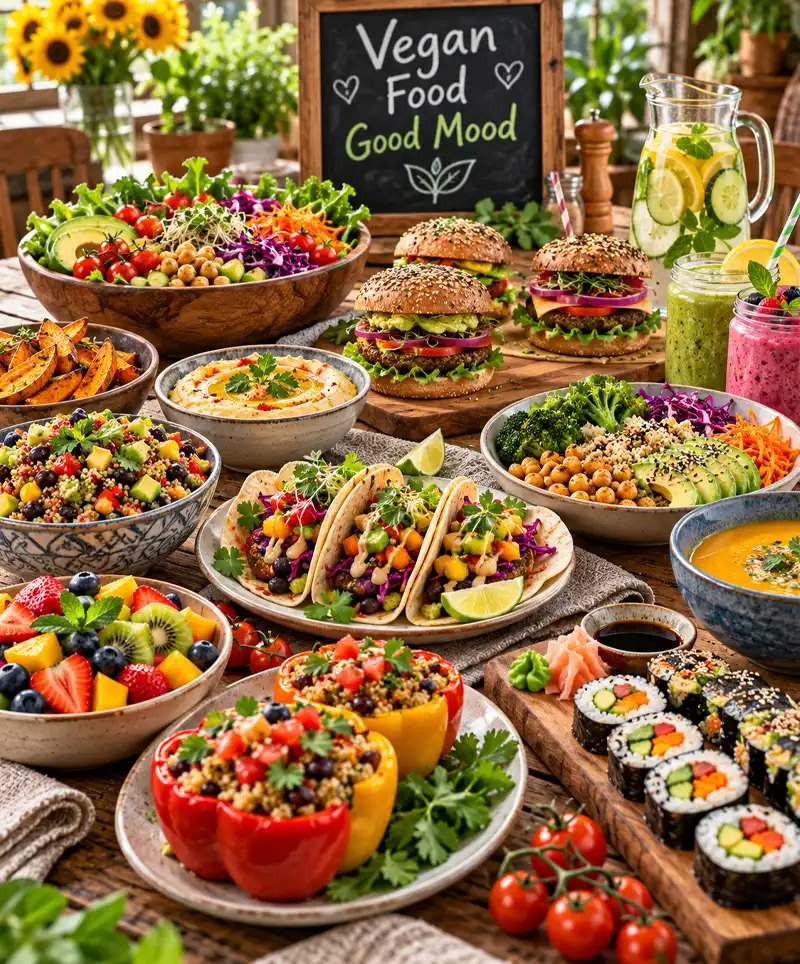
Veganism is also not a single, rigid menu shared by everyone who follows it. Cultural traditions, personal preferences, food allergies, budgets, and individual nutritional needs all influence what people eat. Some vegans prepare meals almost entirely from whole foods, while others enjoy convenient meat substitutes, dairy-free cheeses, and commercially prepared desserts. Many traditional dishes from around the world are naturally vegan or can be adapted with relatively simple substitutions. Indian lentil dals, Middle Eastern hummus and falafel, vegetable stir-fries, bean-based Mexican dishes, and Mediterranean grain salads are just a few examples. The variety challenges the persistent misconception that vegan food consists of little more than plain vegetables and moral superiority served on the side.
Compassion for Animals: The Ethical Foundation
Animal welfare is one of the central motivations behind veganism. Many vegans believe that animals capable of experiencing pain, distress, and other sensations deserve moral consideration and should not be used unnecessarily for human consumption or commercial purposes. Their concerns may include the conditions in which farm animals are raised, the separation of animals from their offspring, transportation practices, slaughter, and the use of animals in industries beyond food production. Vegan advocates often emphasize that reducing demand for animal-derived products is a practical way to express concern for animal well-being. This perspective reflects a broader ethical question about the responsibilities humans have toward other living creatures, particularly when alternatives are available.
Discussions about animal agriculture can involve deeply held beliefs, cultural traditions, livelihoods, and differing interpretations of animal welfare. Some people seek improvements in farming practices while continuing to consume animal products; others conclude that avoiding animal products altogether is the most consistent expression of their ethical concerns. World Vegan Month provides an opportunity to understand the reasoning behind the vegan position without assuming that everyone must reach the same conclusion. Respectful conversations are generally more productive than arguments over dinner, particularly when the dinner in question has already been served. A little curiosity and mutual courtesy can accomplish considerably more than a heated confrontation involving somebody's cheeseburger.
For many vegans, compassion also extends to wildlife, companion animals, and the environmental systems that support animal life. Choices about clothing, entertainment, cosmetics, and consumer goods may therefore reflect concerns about animal testing, habitat destruction, or the commercial use of animals. The practical application of these values differs among individuals, and not every product has an obvious animal-free alternative. Nevertheless, the underlying philosophy encourages people to think about consequences that may otherwise remain invisible in everyday purchasing decisions. Whether or not someone adopts veganism, learning more about animal welfare can encourage informed choices and a greater appreciation for the creatures with which humans share the planet.
Veganism and the Environment
Environmental sustainability is another major reason people explore veganism. Food production contributes to greenhouse gas emissions, land use, freshwater consumption, and other environmental pressures, although the scale of those effects varies substantially among foods and farming systems. Animal agriculture, particularly the production of beef and lamb, can require significant land and resources and contribute substantial greenhouse gas emissions. Ruminant animals such as cattle and sheep produce methane during digestion, while manure management, feed production, and land-use changes create additional environmental impacts. Research comparing food production systems generally finds that diets emphasizing plant foods can have lower environmental footprints than diets containing large quantities of animal products, especially ruminant meat.
Plant-based foods are not automatically free of environmental consequences. Crops require land, water, energy, transportation, and agricultural inputs, and their impacts depend on how and where they are produced. Certain foods can involve substantial irrigation, intensive cultivation, packaging, or long-distance distribution. Nevertheless, broad assessments of global food systems have consistently identified shifts toward more plant-rich diets as one potential way to reduce environmental pressures. The greatest benefits depend on the foods being replaced, the alternatives chosen, and the overall dietary pattern. Replacing a beef-based meal with a lentil stew, for example, generally offers a more meaningful environmental comparison than debating whether an avocado has traveled farther than a local potato. The planet, rather inconveniently, insists that we consider the whole picture.
Veganism can also encourage conversations about food waste, seasonal produce, agricultural biodiversity, and responsible consumption. These issues are not exclusive to vegan diets, but they frequently appear alongside discussions about sustainable eating. Reducing unnecessary food waste, choosing a variety of plant foods, and considering the origins of ingredients can complement efforts to lower the environmental impact of meals. World Vegan Month offers a useful opportunity to explore these connections and recognize that sustainability involves more than choosing one particular label at the grocery store. After all, buying an enormous bag of organic spinach only to discover it has transformed into green soup at the back of the refrigerator is not quite the environmental triumph anyone had in mind.
Can a Vegan Diet Be Healthy?
A well-planned vegan diet can provide adequate nutrition and support good health, but it requires attention to food variety and certain essential nutrients. Fruits, vegetables, whole grains, legumes, nuts, and seeds supply fiber, vitamins, minerals, and a wide range of beneficial plant compounds. Diets emphasizing these foods are often associated with favorable cardiovascular and metabolic health outcomes, although the quality of the overall diet matters considerably. Simply removing animal products does not automatically make every meal nutritious. French fries, sugary drinks, and certain highly processed snacks may be vegan, but nobody should mistake an unlimited supply of them for a carefully balanced nutritional strategy. The potato has many admirable qualities, but it cannot carry the entire responsibility for human health on its own.
Protein is among the most frequently discussed topics in vegan nutrition, largely because of the mistaken assumption that adequate protein must come from meat, eggs, or dairy products. In reality, many plant foods provide protein, including lentils, beans, chickpeas, soybeans, tofu, tempeh, edamame, nuts, seeds, and whole grains. Eating a varied selection of these foods can supply the essential amino acids the body requires. Soy foods are particularly useful because they provide high-quality protein and can be prepared in numerous ways. Lentils and beans offer the additional benefits of fiber and important minerals, while nuts and seeds contribute healthy fats. A balanced vegan meal might combine beans with brown rice, tofu with vegetables, or chickpeas with whole-grain bread. The possibilities are extensive, and none requires anyone to interrogate a soybean about its protein credentials.
Vitamin B12 deserves particular attention because reliable natural dietary sources are largely limited to animal-derived foods. People following a vegan diet need a dependable source of vitamin B12 through fortified foods or supplements. Other nutrients that may require planning include calcium, iron, iodine, vitamin D, zinc, and omega-3 fatty acids. Fortified plant milks, calcium-set tofu, legumes, leafy greens, seeds, and other foods can help meet nutritional requirements, while supplements may be appropriate depending on individual circumstances. Plant-derived iron is absorbed differently from iron found in animal foods, and combining iron-rich plant foods with vitamin C sources can improve absorption. Anyone making substantial dietary changes—particularly during pregnancy, childhood, older age, or when managing a medical condition—may benefit from guidance from a qualified healthcare professional or registered dietitian familiar with plant-based nutrition.
A further distinction worth remembering is that vegan foods vary enormously in nutritional quality. Whole-food meals based on vegetables, legumes, fruits, and whole grains differ from diets dominated by refined starches, sweets, and heavily processed substitutes. Commercial vegan products can be convenient and enjoyable, but some contain considerable amounts of sodium, saturated fat, or added sugar. Reading nutrition labels remains worthwhile regardless of whether a product contains animal ingredients. The goal of healthy vegan eating is not simply to avoid particular foods, but to build a varied dietary pattern that meets nutritional needs and provides genuine enjoyment. A balanced diet should nourish the body while leaving room for the occasional chocolate cake. Fortunately, inventive bakers have discovered that chocolate is remarkably cooperative when introduced to dairy-free ingredients.

The Remarkable Variety of Vegan Food
One of the most enjoyable aspects of World Vegan Month is discovering the extraordinary range of vegan cuisine available around the world. Many cultures have long relied on grains, legumes, vegetables, herbs, and spices to create satisfying meals. Indian cuisine offers dishes such as chana masala, vegetable biryani prepared without dairy, and numerous lentil-based dals. Mediterranean cooking contributes hummus, stuffed grape leaves, roasted vegetables, and grain salads. East Asian cuisines offer tofu dishes, vegetable noodles, rice bowls, and stir-fries, while Latin American traditions provide bean stews, vegetable tacos, and corn-based specialties. Recipes may need adjustments to avoid ingredients such as butter, fish sauce, meat stock, or dairy, but the underlying culinary traditions provide a wealth of inspiration.
Modern plant-based cooking has expanded those possibilities even further. Vegan chefs and home cooks have developed creative substitutes for familiar ingredients, using cashews to prepare creamy sauces, aquafaba—the liquid from cooked chickpeas—to create foams and certain egg-free preparations, and nutritional yeast to add a savory, cheese-like flavor to dishes. Mushrooms can provide satisfying textures in stews and sandwiches, while lentils and beans form the foundation of hearty burgers and meatless loaves. Dairy-free alternatives made from soy, oats, almonds, coconut, and other ingredients are widely available, although their nutritional content and suitability for different recipes vary. Some substitutes are remarkably convincing; others are best appreciated as entirely new foods rather than exact imitations. The secret is approaching them with curiosity rather than expecting every chickpea to impersonate a chicken.
Desserts deserve special recognition because vegan baking has become increasingly sophisticated. Cakes, cookies, brownies, puddings, pies, and frozen desserts can all be prepared without eggs or dairy products using carefully chosen ingredients and techniques. Plant-based milks, vegetable oils, dairy-free chocolate, fruit purées, and specialized egg substitutes allow bakers to achieve a wide range of textures and flavors. Some traditional desserts are already vegan or require only minor changes, while others involve more experimentation. The results can be delicious enough to surprise people who assume vegan baking must involve sacrificing flavor. Indeed, a successful vegan chocolate brownie rarely announces its dietary credentials before disappearing from the plate. It simply gets eaten, which is arguably the highest compliment any dessert can receive.
Vegan Living Beyond the Kitchen
Although food receives much of the attention during World Vegan Month, veganism encompasses numerous everyday decisions beyond diet. Clothing is one example, with many vegans avoiding materials such as leather, fur, silk, and wool because of concerns about animal use and exploitation. Alternatives include fabrics made from cotton, linen, hemp, recycled fibers, and various synthetic or newer plant-derived materials. These alternatives have different environmental and performance characteristics, so consumers may consider durability, manufacturing methods, and sustainability alongside animal welfare. Choosing vegan clothing is therefore not always as simple as selecting the first item labeled animal-free. A thoughtful purchase may involve examining several factors, which is considerably more effort than most people expect when all they originally wanted was a comfortable pair of shoes.
Cosmetics, toiletries, and household products are other areas of interest. Vegan products generally avoid animal-derived ingredients, but a vegan ingredient list and a cruelty-free testing claim are not necessarily the same thing. A product may contain no animal ingredients while still raising questions about animal testing, and labeling practices can vary among manufacturers and jurisdictions. Consumers who wish to follow vegan principles closely may therefore look for reliable certification, transparent ingredient information, and clear company policies. Common animal-derived ingredients can include beeswax, lanolin, carmine, and certain forms of collagen. The details can be surprisingly complicated, which explains why reading a cosmetics label occasionally feels like preparing for a chemistry examination that nobody remembers enrolling in.
Travel, dining out, and social gatherings can also present practical considerations for vegans. Restaurants increasingly offer vegan dishes, but menu descriptions may not always identify every ingredient. Stocks, sauces, dressings, and desserts can contain animal products even when the main ingredients appear plant-based. Asking polite questions, reviewing menus in advance, or choosing restaurants with clearly labeled options can make dining easier. Hosts welcoming vegan guests can often accommodate them with straightforward dishes such as vegetable curries, pasta with tomato sauce, hearty bean salads, or roasted vegetable platters. A little preparation and communication usually prevent misunderstandings. Nobody wants a dinner invitation to become an international diplomatic incident because somebody forgot that Parmesan cheese is not a vegetable.
How to Celebrate World Vegan Month
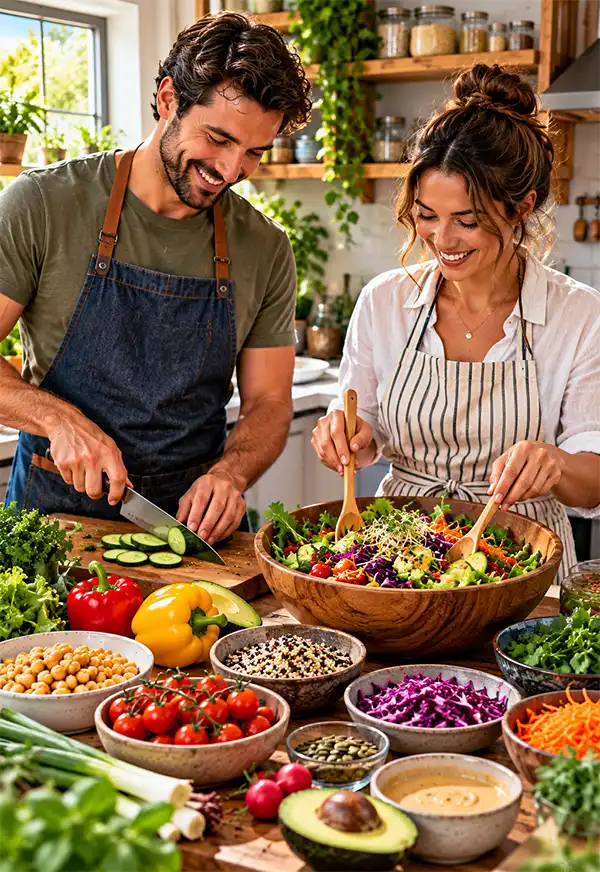
World Vegan Month offers countless ways to explore vegan living, whether someone is already committed to the lifestyle or simply interested in learning more. One of the easiest starting points is to try a new vegan recipe. Preparing a vegetable curry, lentil soup, tofu stir-fry, bean chili, or dairy-free dessert can introduce unfamiliar ingredients and cooking techniques without requiring a dramatic overhaul of the household menu. Families might choose one plant-based dinner each week during November, experiment with different cuisines, or invite everyone to select a recipe to prepare together. The activity can be especially enjoyable when children help choose vegetables, measure ingredients, or assemble colorful dishes. Naturally, introducing unfamiliar foods to younger family members may require some negotiation, particularly if broccoli has already been classified as an enemy of the state.
Visiting a vegan restaurant, bakery, or food market is another enjoyable way to participate. Professional chefs often demonstrate how creative seasoning, preparation, and ingredient combinations can produce satisfying meals without animal products. Trying a vegan burger, dairy-free ice cream, or plant-based breakfast can challenge assumptions about what vegan food tastes like. Local food festivals, community gatherings, and cooking workshops may also provide opportunities to meet people, exchange recipes, and learn about vegan products. For those who prefer a quieter celebration, borrowing a vegan cookbook or watching a reputable cooking demonstration can provide plenty of inspiration. The objective is exploration rather than perfection, and nobody is required to develop an emotional attachment to kale before the month is over.
World Vegan Month also provides an opportunity to learn more about animal welfare organizations, farm animal sanctuaries, and the work of groups promoting humane treatment of animals. Visiting a reputable sanctuary, supporting educational initiatives, or volunteering with an appropriate organization can offer a different perspective on the animals commonly associated with agriculture. People interested in the environmental aspects of veganism might investigate food production, compare the environmental footprints of different meals, or learn practical ways to reduce food waste. Others may use the month to examine clothing, cosmetics, and household purchases more thoughtfully. Participation can take many forms, and even small changes may encourage greater awareness of how everyday choices connect with broader ethical and environmental questions.
For people considering a longer-term transition to veganism, November can serve as a practical trial period. Rather than attempting to change every habit overnight, individuals may find it easier to begin with familiar meals and gradually explore substitutions. Replacing dairy milk with a fortified plant-based alternative, preparing bean-based meals, or discovering satisfying vegan breakfasts can help establish routines. Learning about nutrition is particularly important for anyone planning to eliminate animal products entirely, especially regarding vitamin B12 and other nutrients requiring deliberate attention. There is no universal timetable for dietary change, and personal circumstances vary. Some people adopt veganism immediately, others make gradual adjustments, and still others decide that incorporating more plant-based meals is the approach that suits them best. World Vegan Month can encourage all of these conversations without turning the dinner table into a courtroom.
World Vegan Month FAQ — Lettuce Answer Your Questions!
Veganism raises plenty of questions, and not all of them involve wondering what on earth tofu is supposed to taste like. Can you really get enough protein without meat? Is vegan food expensive? And does giving up cheese mean saying farewell to happiness forever? Fortunately, the answers are considerably more interesting than the questions might suggest. Whether you're a committed vegan, a curious newcomer, or someone who considers a salad merely an obstacle between themselves and the main course, we've gathered some frequently asked questions to separate the facts from the fiction. No lectures, no judgment, and absolutely no requirement to hug a cauliflower before proceeding!
When is World Vegan Month celebrated?
World Vegan Month is celebrated throughout November, beginning with World Vegan Day on November 1. The month recognizes the history, principles, and growing international influence of veganism while encouraging people to explore plant-based foods, animal welfare, environmental sustainability, and compassionate living. It is an opportunity for established vegans to celebrate their lifestyle and for curious newcomers to discover what veganism involves. Best of all, participation doesn't require signing a lifelong contract with a cabbage.
What is the history of World Vegan Month?
World Vegan Month traces its origins to the founding of The Vegan Society in the United Kingdom in November 1944. Donald Watson and other early members established the organization to represent people who avoided animal-derived foods, including dairy products and eggs. In 1994, Louise Wallis, then president and chair of The Vegan Society, established World Vegan Day on November 1 to commemorate the organization's fiftieth anniversary. The celebration subsequently expanded into World Vegan Month, providing an entire November of educational activities, advocacy, and plant-based culinary exploration.
What is the difference between veganism and vegetarianism?
Vegetarianism generally excludes meat, poultry, and fish but may include dairy products, eggs, and other animal-derived ingredients. Veganism goes further by avoiding animal products such as meat, fish, dairy, eggs, and honey. As a broader philosophy, veganism also seeks to avoid animal exploitation in clothing, cosmetics, household products, and other areas of everyday life, as far as possible and practicable. In short, a vegetarian might happily enjoy a cheese omelet, while a vegan would look for a plant-based alternative. Fortunately, neither is required to eat plain lettuce for breakfast.
Is a vegan diet healthy?
A well-planned vegan diet can provide adequate nutrition and support good health. Vegetables, fruits, whole grains, legumes, nuts, and seeds supply fiber, vitamins, minerals, and other important nutrients. However, vegans need reliable sources of vitamin B12 through fortified foods or supplements, and should pay attention to nutrients such as calcium, iron, iodine, vitamin D, zinc, and omega-3 fatty acids. Nutritional needs vary, so professional dietary guidance may be helpful, particularly for children, pregnant individuals, and people with specific medical conditions. And remember, a diet consisting entirely of French fries and chocolate cookies might technically be vegan, but it isn't exactly a nutritional masterpiece.
Where do vegans get their protein?
Vegans obtain protein from numerous plant-based foods, including beans, lentils, chickpeas, tofu, tempeh, soybeans, edamame, nuts, seeds, and whole grains. Eating a varied diet containing sufficient calories can provide the essential amino acids needed for normal growth, tissue maintenance, and other bodily functions. Soy products are especially useful sources of high-quality plant protein, while legumes offer additional fiber and minerals. Contrary to popular belief, vegans do not need to chase chickens around the backyard to obtain adequate protein. The humble lentil is perfectly capable of contributing to the job.
Is veganism better for the environment?
Research generally indicates that diets emphasizing plant-based foods can have lower greenhouse gas emissions, land requirements, and other environmental impacts than diets containing substantial quantities of animal products, particularly beef and lamb. However, environmental effects vary according to farming practices, transportation, water use, and individual food choices. Vegan foods are not automatically environmentally harmless, and reducing food waste remains important regardless of dietary preference. World Vegan Month encourages people to consider how food production affects the planet and how informed choices may contribute to a more sustainable future.
Do vegans eat eggs, dairy products, or honey?
No. People following a vegan diet avoid eggs, milk, cheese, butter, yogurt, honey, and other animal-derived ingredients. Instead, they may choose plant-based alternatives such as oat or soy milk, dairy-free cheese, tofu-based egg substitutes, and sweeteners including maple syrup or agave syrup. Not every substitute has the same nutritional properties or cooking characteristics, so checking labels and experimenting with recipes can be helpful. The good news is that vegan baking has advanced considerably, meaning a delicious chocolate cake no longer requires a committee meeting with the local dairy herd.
Is vegan food expensive?
Vegan eating can be affordable, particularly when meals emphasize inexpensive staples such as dried beans, lentils, rice, oats, potatoes, seasonal vegetables, and frozen produce. Specialty vegan cheeses, meat substitutes, and prepared convenience foods may cost considerably more, but they are not essential to a balanced plant-based diet. Buying ingredients in bulk, planning meals, and preparing food at home can help control expenses. A hearty pot of lentil soup, for example, can provide several satisfying servings without requiring a second mortgage. As with most dietary patterns, the cost depends heavily on what someone chooses to purchase.
Can someone participate in World Vegan Month without becoming vegan?
Absolutely! World Vegan Month welcomes anyone interested in learning about veganism, exploring plant-based cooking, or understanding the ethical and environmental reasons behind the lifestyle. Participation might involve preparing a vegan dinner, visiting a plant-based restaurant, trying dairy-free alternatives, attending an educational event, or supporting an animal sanctuary. Some people use November to explore a longer-term dietary change, while others simply discover a few new favorite meals. The purpose is to encourage curiosity and informed choices, not to appoint the broccoli police to inspect everyone's refrigerator.
How can families celebrate World Vegan Month together?
Families can celebrate World Vegan Month by preparing plant-based meals together, exploring new recipes, visiting vegan-friendly restaurants, or learning about animal welfare and sustainable food production. Children can help select colorful vegetables, assemble homemade pizzas with dairy-free toppings, prepare fruit desserts, or grow herbs and vegetables at home. Families might also organize a vegan dinner with friends, encouraging everyone to bring a favorite plant-based dish. The experience can introduce new flavors while encouraging cooperation and thoughtful conversations about food. Of course, convincing younger family members that Brussels sprouts are edible may require considerably more diplomatic skill than organizing the entire event.
Does everyone have to agree with veganism to appreciate World Vegan Month?
Not at all. Veganism is a personal ethical and lifestyle choice influenced by beliefs about animal welfare, environmental responsibility, health, and individual circumstances. People can respect those principles, learn about plant-based nutrition, and appreciate vegan cuisine without necessarily adopting the lifestyle themselves. World Vegan Month offers an opportunity for education, respectful discussion, and greater understanding rather than judgment or confrontation. Whether someone is a lifelong vegan, an occasional plant-based diner, or a devoted barbecue enthusiast, there is room for courtesy, curiosity, and perhaps a shared bowl of delicious roasted vegetables.
A Month for Compassion, Curiosity, and Good Food
World Vegan Month is ultimately a celebration of thoughtful living, culinary creativity, and the belief that everyday choices can reflect concern for animals and the environment. Since the founding of The Vegan Society in 1944, veganism has developed into an international movement influencing restaurants, food manufacturing, fashion, cosmetics, and public discussions about sustainability. Its growing visibility has introduced millions of people to ingredients, recipes, and ethical questions they might otherwise never have considered. The movement continues to evolve as research, technology, cultural traditions, and individual experiences shape how people understand and practice vegan living.
The observance also reminds us that meaningful conversations about food and ethics are best approached with respect. Veganism is a deeply personal choice, often shaped by convictions about animal welfare, environmental responsibility, health, and the relationship between humans and other living creatures. People who make different dietary choices can still appreciate the value of learning, reducing unnecessary waste, treating animals humanely, and exploring nutritious foods. World Vegan Month need not be a competition to determine who has the most virtuous shopping basket. It can simply be an opportunity to listen, experiment, and discover new possibilities while respecting the decisions of others.
So throughout November, consider trying a new plant-based recipe, visiting a vegan café, learning about the history of the movement, or sharing a delicious vegan meal with friends and family. You might discover a favorite dish, gain a new perspective on food production, or simply learn that chickpeas are far more versatile than their unassuming appearance suggests. Whether veganism becomes a permanent lifestyle, an occasional culinary adventure, or simply something you understand better, World Vegan Month offers a generous helping of knowledge, compassion, and flavor.
And if somebody tells you that vegan food is boring, hand them a generous slice of rich, dairy-free chocolate cake. Some arguments are best settled with a fork.