Celebrating Snow, Speed, and the Fine Art of Falling Down a Mountain
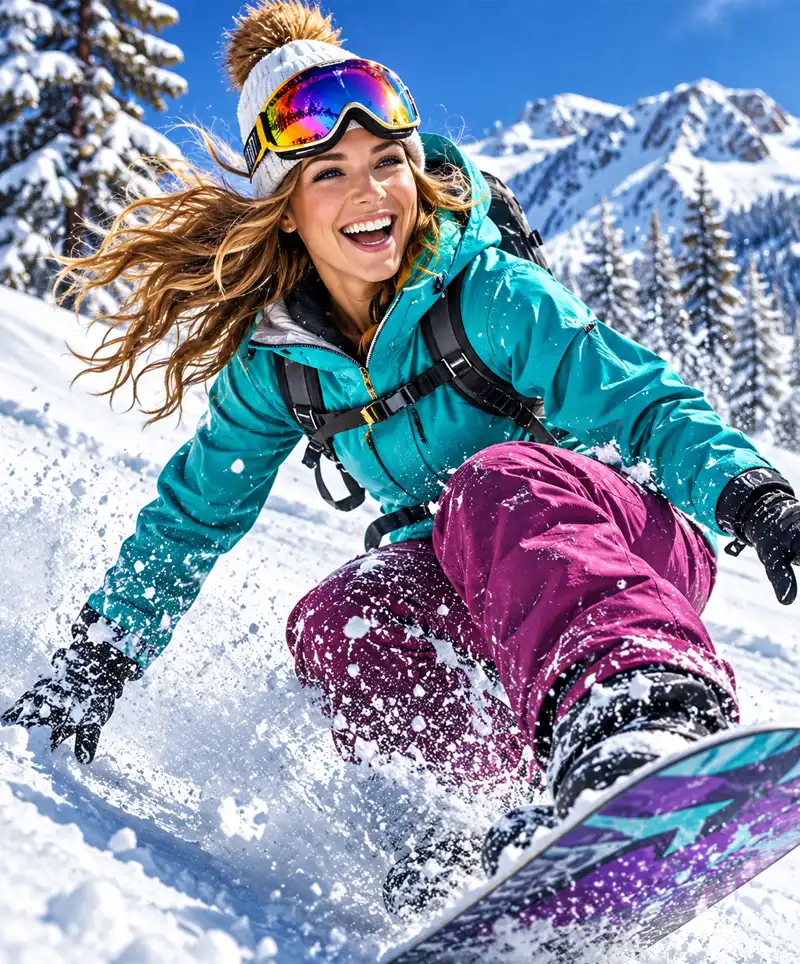
World Snowboard Day is an international celebration of snowboarding, winter sports, mountain adventures, and the enthusiastic people who believe that sliding down a snow-covered mountain while standing sideways is an entirely reasonable recreational activity. This special observance brings together professional snowboarders, enthusiastic amateurs, beginners, winter sports resorts, and snowboarding communities to celebrate the excitement, freedom, and creativity of snowboarding. Whether you're performing spectacular aerial tricks, carving graceful turns through fresh powder, or simply attempting to remain upright long enough to reach the bottom of a gentle slope, World Snowboard Day welcomes everyone. After all, every professional snowboarder began as a beginner, although some probably spent considerably less time sitting in the snow wondering what went wrong.
World Snowboard Day originated in 2006 as an initiative involving EuroSIMA, the European boardsports industry association, and the World Snowboard Federation. Its original purpose was to introduce more people to snowboarding through accessible events, demonstrations, beginner lessons, and opportunities to experience the sport without making a substantial financial commitment. The first celebration, known as Snowboard D-Day, took place on December 17, 2006, primarily at European winter sports destinations. The following year, the event expanded internationally, bringing together snowboarders from numerous countries. The celebration has traditionally taken place in December, although its date has varied, and organizers moved the 2017 edition to January 22 because early-season snow conditions had become increasingly unpredictable. The original organizers understood something important: convincing someone to try snowboarding is much easier when they don't first have to purchase enough equipment to finance a small expedition.
When Is World Snowboard Day Celebrated? World Snowboard Day is commonly listed as December 21, although its history includes celebrations on different dates. Originally launched in 2006, the event has occasionally been rescheduled to accommodate snow conditions and organizational arrangements. While December 21 is widely recognized on observance calendars, individual snowboarding events may take place on other dates. After all, snowboarding is one celebration where Mother Nature has the final say about the schedule!
From Wooden Boards to Olympic Glory: The History of Snowboarding
The history of snowboarding is a fascinating story of invention, experimentation, and a determination to find new ways of enjoying winter. Although people had experimented with riding boards over snow long before modern snowboarding emerged, one of the sport's most important developments occurred in 1965 when American engineer Sherman Poppen created a simple snow-riding device for his daughters in Michigan. By fastening two skis together, he produced a homemade invention that allowed riders to glide downhill while standing sideways. The creation eventually became known as the Snurfer, combining the ideas of snow and surfing. The Snurfer became a popular recreational product, particularly among youngsters who were delighted to discover that winter offered exciting alternatives to building snowmen and complaining about frozen fingers.
During the 1970s, innovators including Jake Burton Carpenter, Tom Sims, and Dimitrije Milovich helped transform these early snow-riding devices into recognizable snowboards. Improvements in board construction, bindings, edges, and overall design made snowboarding increasingly practical and controllable. Burton founded his snowboard company in 1977, while Sims became an influential figure in the development of snowboarding equipment and competitions. Early snowboarders faced considerable resistance from established ski resorts, many of which prohibited the activity because of concerns about safety, equipment, and unfamiliar riding techniques. Snowboarders were sometimes regarded as troublesome outsiders, largely because they dressed differently, approached the mountain differently, and appeared suspiciously determined to have fun without following established skiing traditions.
By the 1980s and 1990s, snowboarding had developed into a major winter sport with its own competitions, professional athletes, equipment manufacturers, and distinctive culture. Snowboard parks, halfpipes, and organized racing events helped demonstrate that the sport demanded considerable athletic ability, technical precision, and courage. Snowboarding made its Olympic debut at the 1998 Winter Games in Nagano, Japan, with giant slalom and halfpipe competitions. Since then, Olympic snowboarding has expanded to include events such as snowboard cross, slopestyle, big air, and parallel giant slalom. Athletes including Shaun White, Chloe Kim, and Kelly Clark have helped introduce snowboarding to international audiences, demonstrating extraordinary skill while performing maneuvers that most ordinary people would hesitate to attempt even in a video game.
What Makes Snowboarding So Popular?
Snowboarding combines physical exercise, outdoor adventure, technical skill, and personal expression in a way that appeals to people of different ages and abilities. Unlike traditional skiing, which generally involves two separate skis and poles, snowboarding requires riders to stand sideways on a single board with both feet secured in bindings. Riders control their direction and speed by shifting their weight, adjusting their balance, and using the board's edges to grip or release the snow. These movements require coordination, strength, flexibility, and practice. The learning process can be challenging, particularly when beginners discover that their feet are attached to the same piece of equipment and walking normally is no longer an option.
One of snowboarding's greatest attractions is the variety of experiences it offers. Recreational riders enjoy exploring groomed mountain trails, while experienced snowboarders may seek fresh powder, steep terrain, or challenging backcountry conditions. Freestyle enthusiasts perform tricks on jumps, rails, and halfpipes, while competitive racers concentrate on speed, precision, and rapid turns. Some riders prefer peaceful mountain scenery and leisurely descents, while others seem determined to investigate the maximum speed permitted by the laws of physics. Fortunately, snowboarding provides opportunities for both approaches, although the peaceful riders generally have more time to admire the trees.
Snowboarding also encourages a strong sense of community. Mountain resorts, snowboard clubs, training programs, and competitions bring together people who share a passion for winter sports. Experienced riders often help newcomers improve their technique, recommend suitable equipment, and explain the unwritten rules of mountain etiquette. These friendships can extend well beyond the winter season, particularly among enthusiasts who spend much of the summer discussing snow conditions, comparing equipment, and checking weather forecasts for mountains thousands of miles away. For dedicated snowboarders, the arrival of winter is not an inconvenience. It is the long-awaited return of their favorite playground.
Different Types of Snowboarding Worth Exploring
Snowboarding is not limited to one particular riding style, and discovering the different disciplines is part of the sport's appeal. Freestyle snowboarding emphasizes creativity, jumps, tricks, and technical maneuvers, often performed in specially designed terrain parks. Riders may practice spins, grabs, rail slides, and aerial movements, gradually developing the confidence and control needed for more complicated tricks. Halfpipe snowboarding is a particularly spectacular form of freestyle riding, with athletes launching themselves above the walls of a large, U-shaped snow structure. Watching an experienced halfpipe competitor can be breathtaking, especially when you consider that most people regard standing on a kitchen chair as a perfectly adequate amount of height.
Freeride snowboarding focuses on exploring natural mountain terrain, including powder snow, steep slopes, and varied conditions. Riders enjoy the challenge of adapting their technique to the landscape rather than following a predetermined course. Alpine snowboarding, sometimes called carving or race-oriented snowboarding, emphasizes precise turns, edge control, and speed, often using specialized boards and equipment. Snowboard cross brings several competitors onto a course simultaneously, where they race over banks, rollers, and jumps toward the finish line. The result is an exciting combination of athletic skill, split-second decisions, and the occasional reminder that several people attempting to occupy the same patch of snow can produce interesting consequences.
Another increasingly popular discipline is splitboarding, which allows snowboarders to explore remote mountain areas without relying entirely on ski lifts. A splitboard can be separated into two ski-like sections for uphill travel and reassembled into a snowboard for the descent. This approach opens opportunities for backcountry adventures, but it also requires additional training, navigation skills, and knowledge of avalanche hazards. Traveling beyond managed ski areas is not something to attempt casually, and experienced riders understand that mountain safety must always come before the desire to discover untouched snow. There is a considerable difference between enjoying an adventure and becoming the subject of an expensive rescue operation.
How to Celebrate World Snowboard Day
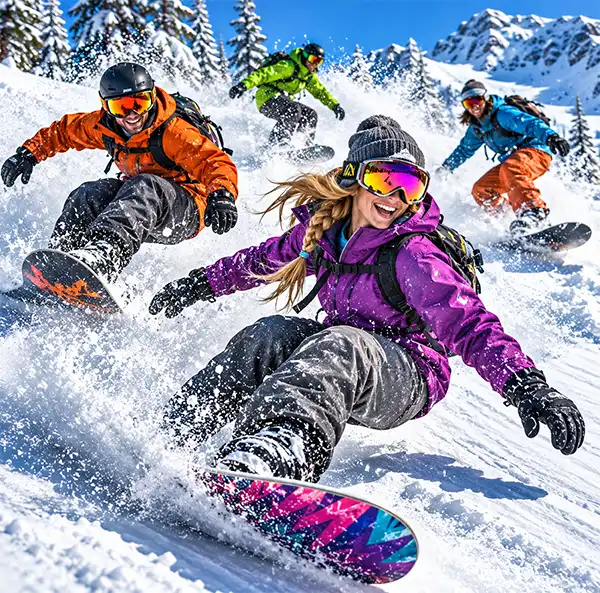
Celebrating World Snowboard Day is an excellent opportunity to discover a new winter activity, improve existing skills, or simply enjoy the atmosphere of a mountain resort. For beginners, one of the best ways to participate is by booking a lesson with a qualified snowboard instructor. Professional instruction introduces the fundamentals of balance, turning, stopping, and controlling speed, helping newcomers develop good habits from the beginning. Many winter sports resorts offer introductory programs and equipment rentals, allowing visitors to experience snowboarding without immediately investing in expensive gear. World Snowboard Day events have historically included free lessons, equipment demonstrations, competitions, and entertainment, although individual activities and offers depend on the participating location. It is always worth checking with local resorts before arriving, particularly if your plan involves free instruction rather than discovering that the only complimentary item is the snow.
Experienced snowboarders can celebrate by exploring a favorite trail, practicing a new technique, introducing a friend to the sport, or participating in an organized snowboarding event. Families can enjoy the occasion together by visiting a beginner-friendly winter sports destination where children and adults can learn at their own pace. Those who live far from snowy mountains can still join the celebration by watching snowboarding competitions, learning about the sport's history, supporting local winter sports organizations, or planning a future mountain vacation. Indoor snow centers and dry slopes may also offer opportunities to experience snowboarding in regions where natural snowfall is rare. This is particularly useful for people living in warmer climates, where the nearest snow-covered slope might otherwise be the frozen-food aisle at the supermarket.
World Snowboard Day also provides an opportunity to encourage responsible winter recreation. Wearing a properly fitted helmet, using appropriate protective equipment, checking weather conditions, and selecting trails that match your ability are essential precautions. Beginners should learn how to fall safely, understand trail signs, and follow the rules of the mountain. Snowboarders should remain aware of other slope users, maintain control of their speed, and avoid stopping in locations where approaching riders cannot see them. Anyone considering backcountry snowboarding should obtain appropriate avalanche safety training, carry the necessary rescue equipment, and travel with knowledgeable companions. Snowboarding is meant to produce exciting memories, not an unexpected introduction to the local emergency services.
The Environmental Side of Snowboarding
Snowboarding depends on healthy mountain environments, reliable winter conditions, and access to natural landscapes. For this reason, environmental awareness has become an important part of snowboarding culture. Rising temperatures, changing snowfall patterns, and shorter winter seasons can affect mountain resorts and the communities that depend on winter tourism. Snowboarders, equipment manufacturers, and winter sports organizations increasingly recognize the importance of reducing environmental impacts and protecting the mountain environments that make their sport possible.
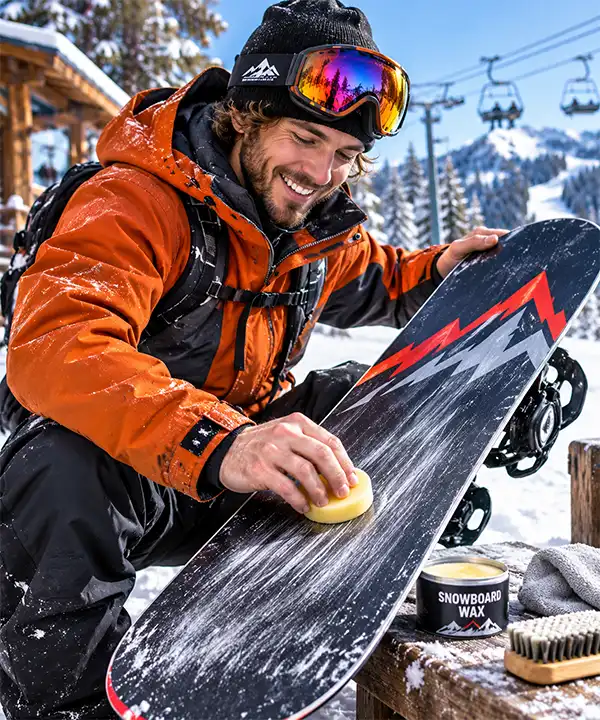
Individual snowboarders can contribute by respecting wildlife habitats, disposing of rubbish responsibly, using established trails, and supporting resorts that adopt responsible environmental practices. Maintaining equipment, repairing damaged boards, and purchasing durable gear can also help reduce unnecessary waste. Traveling together or using public transportation where available may reduce the environmental impact of mountain visits. These actions might seem small compared with the size of a mountain range, but they reflect an important principle: enjoying the outdoors should include taking care of it. Besides, nobody wants to discover that the beautiful mountain landscape they traveled hundreds of miles to experience has been decorated with discarded snack wrappers and abandoned gloves.
Why World Snowboard Day Matters
World Snowboard Day is about more than athletic performance, impressive tricks, and spectacular mountain scenery. Its original mission was to make snowboarding accessible to a wider audience, encourage participation, and celebrate the culture surrounding the sport. Over the years, organized celebrations have introduced thousands of newcomers to snowboarding while bringing together established riders, instructors, resorts, manufacturers, and winter sports enthusiasts. The 2012 celebration, for example, featured 152 events across 35 countries and attracted more than 100,000 participants, illustrating how an activity once viewed with suspicion by some traditional ski resorts had developed into an internationally celebrated winter sport.
Perhaps the most appealing aspect of World Snowboard Day is its emphasis on participation rather than perfection. Nobody needs to perform an Olympic-quality jump, conquer a dangerous mountain slope, or own the latest equipment to appreciate the excitement of snowboarding. A beginner who successfully completes a first turn has just as much reason to celebrate as an experienced rider mastering a difficult descent. Snowboarding rewards patience, determination, practice, and the willingness to try again after an unsuccessful attempt. It also teaches an important lesson about life: sometimes progress involves falling over, getting back up, brushing yourself off, and pretending that the entire incident was part of the plan.
So, whether you're a seasoned snowboarder searching for fresh powder, a curious beginner considering your first lesson, or a devoted spectator who prefers watching winter sports from the comfort of a warm chair, World Snowboard Day is an invitation to celebrate the excitement and adventure of snowboarding. Gather your friends, explore the possibilities, and enjoy everything this remarkable winter sport has to offer. Just remember that gravity is always working, the mountain is considerably harder than it looks, and a good sense of humor is almost as valuable as a properly fitted helmet.
After all, snowboarding is one of the few activities where you can spend the entire afternoon falling down a mountain and still describe the experience as a wonderful day out!
References & Sources