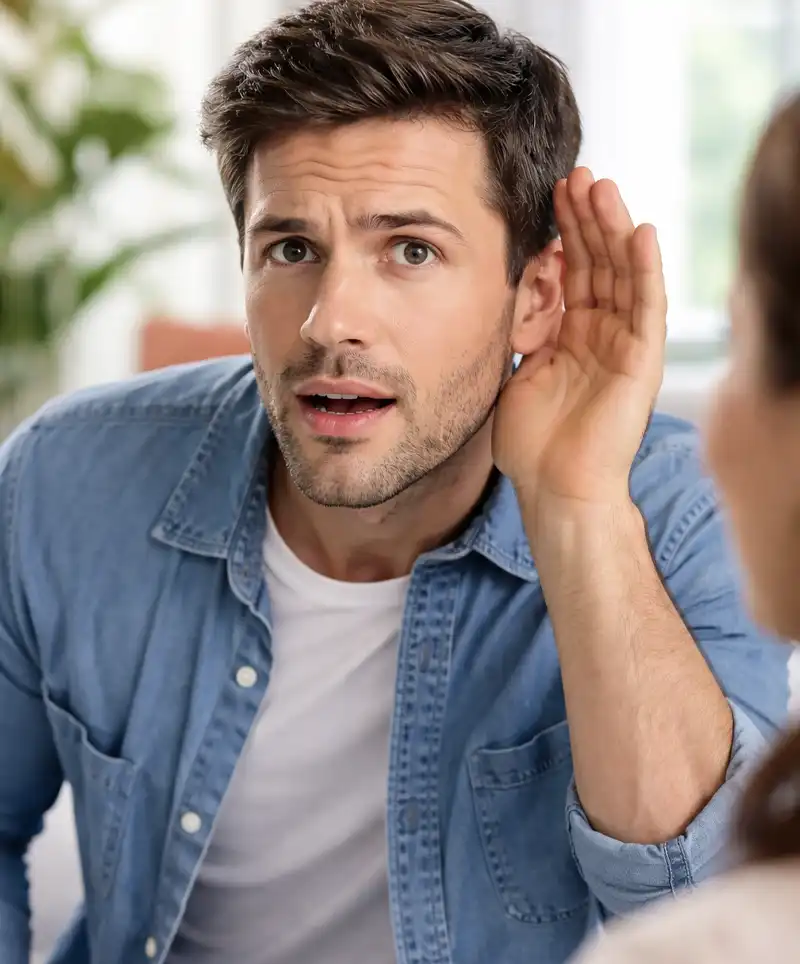
"WHAT? Say That Again?"
Every year, without making nearly enough noise about it (which is ironic, considering the subject), World Hearing Day arrives to remind us of something most people take completely for granted — the ability to hear the world around us. From birds arguing at sunrise to grandchildren explaining technology you already paid for but still don’t understand, hearing connects us to life in ways we rarely notice until it starts slipping away.
Observed annually on March 3, World Hearing Day shines a spotlight on hearing health, prevention of hearing loss, and access to ear and hearing care worldwide. It’s organized by the World Health Organization (WHO), which decided that if humanity insists on living in an increasingly loud world, someone should at least remind us to protect our ears while doing it.
What Is World Hearing Day?
World Hearing Day is a global awareness campaign dedicated to preventing hearing loss and promoting ear and hearing care across all age groups. Each year features a theme focused on education, early detection, treatment access, or safe listening habits.
The date — 3/3 — is no accident. The numbers resemble a pair of ears, proving that even international health organizations appreciate a clever visual pun now and then.
The campaign encourages governments, healthcare providers, educators, and everyday people to take hearing seriously before problems develop. Because, unlike misplaced car keys, hearing rarely turns up later in the couch cushions.
Why Hearing Health Matters More Than Ever
Modern life is loud. Not “grandpa yelling at clouds” loud — scientifically, measurably loud.
According to global health estimates:
- Over 1.5 billion people worldwide experience some degree of hearing loss.
- Hundreds of millions require rehabilitation services.
- A large percentage of hearing loss cases are preventable.
The culprits are familiar:
- Headphones turned up to heroic volume levels
- Construction and industrial noise
- Concerts that vibrate your internal organs
- Power tools that sound like they’re trying to escape Earth’s atmosphere
- Everyday city noise that never really stops
Your ears, remarkable as they are, were not designed for eight hours of amplified music followed by leaf blower symphonies.

How Hearing Actually Works (The Short Tour)
Hearing is an elegant chain reaction that happens faster than you can say, “What did you say?”
- Sound waves enter the outer ear.
- They travel down the ear canal to the eardrum.
- Tiny bones in the middle ear amplify vibrations.
- The inner ear converts vibrations into electrical signals.
- The brain interprets those signals as sound.
It’s essentially a biological audio system — microphone, amplifier, converter, and processor — all packed into a space smaller than a walnut.
And like any fine equipment, it does not appreciate abuse.
Common Causes of Hearing Loss
Hearing loss doesn’t always arrive dramatically. More often, it sneaks in quietly — which is unfair but on-theme.
Aging (Presbycusis)
As we age, delicate inner-ear structures naturally wear down. It’s less a malfunction and more a lifetime achievement award for surviving decades of noise.
Noise Exposure
Repeated exposure to loud sounds damages hair cells in the inner ear. These cells do not regenerate, meaning once they’re gone, they’ve retired permanently.
Infections and Illness
Certain infections, medications, and medical conditions can affect hearing ability.
Genetics
Sometimes hearing loss runs in families, proving once again that we inherit more than eye color and stubbornness.
Signs You Shouldn’t Ignore
Many people wait far too long before getting their hearing checked. Common warning signs include:
- Asking people to repeat themselves frequently
- Turning up the television louder than everyone else prefers
- Difficulty following conversations in noisy rooms
- Thinking others are mumbling (they might be — but not always)
If conversations start sounding like badly dubbed movies, it may be time for a hearing evaluation.
Prevention: Saving Your Hearing Before You Miss It
The good news? Much hearing loss is preventable with habits that are surprisingly simple.
- Keep the Volume Sensible
If someone standing next to you can hear your headphones, congratulations — so can your future audiologist. - Use Hearing Protection
Earplugs aren’t a sign of weakness. They’re a sign you’d like to keep enjoying music, tools, and sporting events for another few decades. - Take Listening Breaks
Your ears need downtime just like muscles after exercise. - Get Regular Hearing Checks
Hearing tests are painless, quick, and far less stressful than pretending you heard instructions you definitely missed.
Technology Is Changing the Game
Hearing care has come a long way from bulky devices that whistled loudly at inconvenient moments. What was once awkward, highly visible, and sometimes frustrating technology has evolved into sophisticated, discreet solutions designed to fit seamlessly into modern life. Advances in digital sound processing, miniaturization, and wireless connectivity have transformed hearing aids and assistive devices into highly personalized tools that adapt to different environments, reduce background noise, and improve speech clarity. Today’s hearing technology focuses not only on restoring sound but also on improving comfort, confidence, and everyday communication — proving that caring for your hearing no longer means sacrificing convenience or style.
Modern hearing aids are:
- Smaller and more discreet
- Digitally programmable
- Bluetooth-enabled
- Capable of filtering background noise
Some even connect directly to phones and televisions, turning hearing assistance into something closer to a personalized sound system.
In short, hearing technology has entered the modern age — even if some of us still refuse to update our phone apps.
Why Awareness Matters
Untreated hearing loss doesn’t just affect hearing; it also affects communication, social connection, mental health, and cognitive well-being. Studies show links between untreated hearing loss and social isolation, depression, and reduced quality of life.
World Hearing Day encourages early action because hearing health isn’t just about ears — it’s about staying connected to people, experiences, and everyday moments that make life meaningful.
How to Celebrate World Hearing Day
You don’t need a parade or fireworks (please, no fireworks near ears anyway) to take part in World Hearing Day. In fact, the best celebrations are often the quietest ones — small, practical choices that help protect and appreciate your hearing in everyday life. This day is less about grand gestures and more about awareness: noticing the sounds around you, learning how hearing works, and making simple adjustments that keep those sounds clear for years to come. Whether it’s turning the volume down a notch, scheduling a long-overdue hearing check, or simply spending a few minutes enjoying the natural soundtrack of your surroundings, celebrating World Hearing Day is really about giving your ears the attention they faithfully give you every single day.
Simple ways to participate include:
- Scheduling a hearing check
- Lowering daily listening volumes
- Learning about safe listening habits
- Helping older family members explore hearing care options
- Spending a few quiet minutes appreciating natural sounds
Yes, even the squirrel raiding your bird feeder counts as an enriching auditory experience.
Hearing is one of those abilities that works flawlessly in the background — until it doesn’t. World Hearing Day serves as a reminder to protect what allows us to share stories, laughter, music, and conversations, both meaningful and completely trivial.
After all, life sounds better when you can actually hear it.
And if someone repeats this advice later, don’t worry — that’s not nagging. That’s awareness doing its job.