Celebrating backyard chickens and feathered friendships
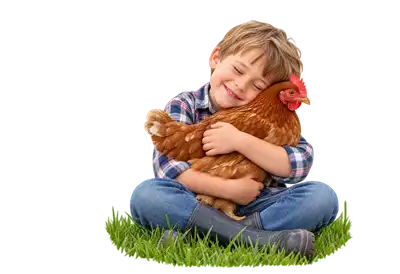
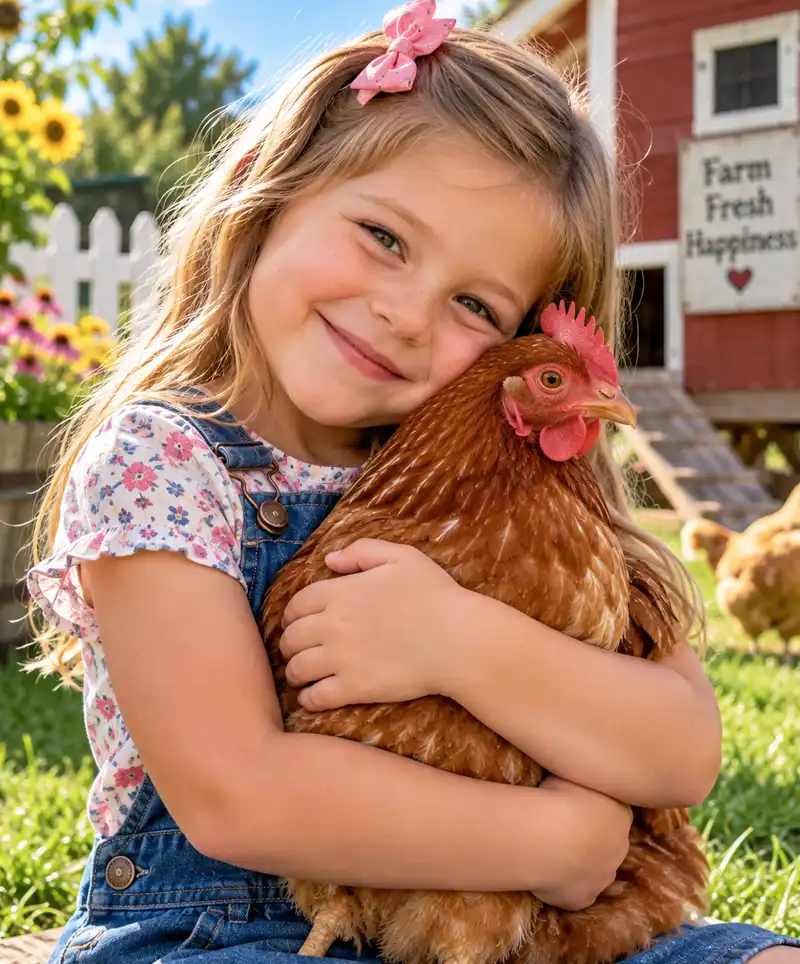
National Snuggle a Chicken Day is a lighthearted celebration of the companionship, personality, and entertainment that chickens bring to our lives. Whether you keep a backyard flock, admire chickens from a distance, or have ever been followed across the yard by a hen convinced you are carrying treats, this unusual holiday offers an opportunity to appreciate our feathered friends.
Of course, the name raises an important question: does the chicken actually want to be snuggled? Chickens are individuals, and their opinions on human affection can range from “please hold me” to “remove your hands from my person immediately.” A successful celebration begins with understanding the bird, respecting its boundaries, and remembering that affection does not have to involve a hug.
When Is National Snuggle a Chicken Day?
National Snuggle a Chicken Day is commonly listed as being celebrated on January 8. This informal holiday gives backyard chicken keepers and poultry enthusiasts a reason to show a little extra appreciation for their feathered companions. Its original creator and founding history are not well documented, so claims about a particular founder or official proclamation should be treated cautiously.
The observance is part of a growing interest in chickens as more than traditional farm animals. As backyard flocks have become popular, many owners have discovered that chickens can be curious, entertaining, and surprisingly individual in their behavior. A day devoted to appreciating them is therefore a natural fit, even if the chickens themselves have no idea why the humans are suddenly making such a fuss.
There is no requirement to actually cuddle a chicken to participate. Spending time with your flock, providing a favorite treat, or simply watching them go about their daily business is enough. After all, a chicken's idea of a perfect holiday probably involves sunshine, fresh dirt, and an uninterrupted supply of insects—not being squeezed by an overly enthusiastic human.
Why Do People Love Backyard Chickens?
For generations, chickens have been valued for their eggs, meat, and contribution to farms and homesteads. Today, however, millions of people also discover that keeping backyard chickens brings something less practical but equally enjoyable: personality. Spend enough time around a flock and it quickly becomes apparent that chickens are not interchangeable little egg-producing machines. Each bird tends to develop its own habits, preferences, and peculiarities.
A typical backyard flock may contain a confident explorer, a cautious observer, an accomplished food thief, and one hen who considers herself entitled to inspect absolutely everything you are doing. Some chickens eagerly follow their owners around the yard, while others maintain a dignified distance until they hear the unmistakable sound of the treat container. Roosters can be especially entertaining, taking their responsibilities for protecting the flock seriously while occasionally declaring a wheelbarrow, garden hose, or particularly suspicious-looking bucket to be a matter of national security.
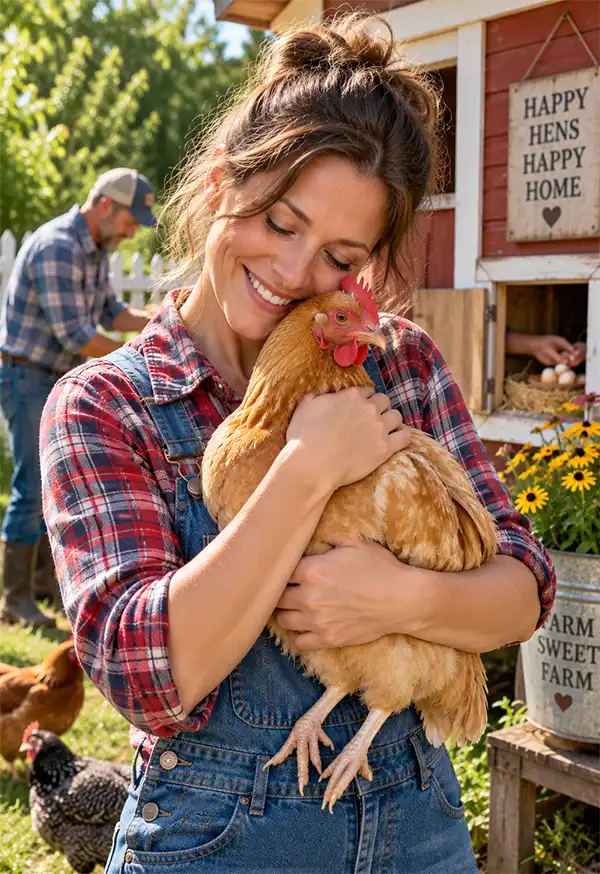
Chicken keepers also enjoy watching the natural behavior of their birds. Chickens scratch through the soil, hunt insects, sunbathe, dust-bathe, perch, communicate with one another, and establish surprisingly complicated social relationships. Simply sitting outside and watching a flock go about its business can provide better entertainment than some television programs—and there are considerably fewer commercial breaks.
Perhaps most appealing is the relationship that can develop between chickens and the people who care for them. Familiar birds may come running when their owner appears, respond to familiar voices, accept gentle handling, or simply choose to remain nearby. Others prefer a strictly professional arrangement in which the human supplies food, water, housing, and security while the chicken occasionally provides an egg. Either way, backyard chickens have a remarkable ability to turn an ordinary patch of ground into a place filled with activity, character, and plenty of reasons to smile.
Can Chickens Really Enjoy Human Affection?
Chickens can become remarkably comfortable around people and may develop strong positive associations with the humans who regularly care for them. Gentle handling, predictable routines, and plenty of calm interaction can help establish trust, particularly when birds become accustomed to people while young. Some chickens willingly approach their owners, settle comfortably on a lap, enjoy being gently stroked, or follow their favorite human around the yard. Whether this qualifies as chicken love is a question best left to philosophers and people with far too much spare time.
Food undoubtedly plays a role in the relationship. Chickens are exceptionally good at learning which particular human controls access to the treat container. Walk into the yard carrying nothing and you may receive a casual glance. Walk into the same yard carrying a bowl of mealworms and suddenly you are the most fascinating, attractive, and important person who has ever lived. It is affection with certain contractual obligations.
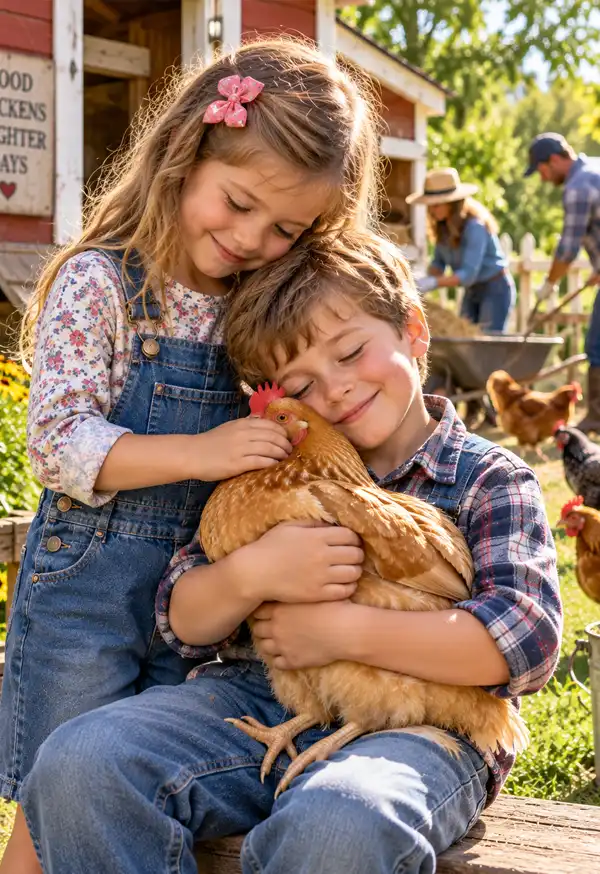
Some chickens genuinely appear to enjoy gentle physical attention. A relaxed bird may remain quietly beside its owner, settle onto a lap, or calmly accept being held. Chickens can also learn familiar routines and recognize the people associated with food, safety, and positive experiences. Over time, a bird that once kept its distance may become confident enough to approach voluntarily. That voluntary part is important because trust cannot be chased around the backyard and caught with both hands.
Not every chicken wants to become a feathered lapdog, however. Individual personalities vary enormously. One hen may happily settle against you while another reacts to being picked up as though you have just announced plans to roast her at 375 degrees. Struggling, frantic wing flapping, repeated attempts to escape, or obvious distress are clear indications that the bird would prefer the relationship to remain somewhat less intimate.
The best approach is to allow the chicken to decide how much interaction it wants. Spend time nearby, move calmly, offer appropriate treats, and let curious birds approach you. When handling a chicken, support its body securely and keep the experience gentle and relatively brief. If it wants to leave, let it leave. A chicken that knows it can escape an interaction is far more likely to trust you during the next one.
Ultimately, enjoying human affection does not necessarily mean enjoying hugs. A chicken that follows you through the yard, sits beside your chair, comes when called, or simply remains relaxed in your presence may already be demonstrating considerable trust. In chicken terms, voluntarily spending time beside an enormous featherless creature is probably quite a compliment.
And if the relationship seems particularly affectionate immediately after you open the treat container, there is no need to spoil the moment by questioning its motives.
The Science Behind Chicken Personalities
Anyone who has spent much time around a flock will probably insist that chickens have individual personalities, and scientific research into chicken cognition and behavior gives that observation some substance. Chickens can learn from experience, remember information, distinguish between individuals, communicate using different vocalizations, and adjust their behavior according to what is happening around them. Beneath all those feathers is considerably more going on than the traditional expression “bird-brained” would have us believe.
Individual chickens can also behave differently when faced with the same situation. One bird may boldly investigate something unfamiliar while another hangs back and watches from a safe distance. Some are more assertive, curious, social, cautious, or easily startled than others. These behavioral differences can remain reasonably consistent over time, which is one reason chicken keepers quickly learn who is likely to be first through an open gate and who will remain behind wondering whether the gate is some elaborate human trap.
Chickens also live within an organized social structure. The famous pecking order is not merely an expression we use to describe the hierarchy at the office. It comes from observations of chickens and describes the ranking system that develops within a flock. Birds learn where they fit within this hierarchy, and their position can influence access to food, preferred resting places, dust-bathing areas, and other resources. Introduce a new chicken and the flock may need time to reorganize its social arrangements, occasionally with all the diplomacy of a barroom argument.
Communication within the flock is surprisingly sophisticated. Chickens use numerous calls associated with particular situations, including finding food, maintaining contact, expressing distress, and warning others about danger. Roosters are particularly well known for producing alarm calls when they detect potential predators. Different circumstances can produce different responses, allowing other members of the flock to react appropriately. In other words, when chickens spend the afternoon making noises at one another, they may actually have something to say. Whether any of it concerns the disgraceful standard of service from management remains unknown.
Hens also communicate with their chicks before they have even hatched. A mother hen vocalizes while sitting on her eggs, and developing chicks can produce sounds from inside the shell shortly before hatching. Once the chicks emerge, calls between mother and young help keep the family together and alert the chicks to food or possible danger. Anyone who has watched a hen suddenly transform from an ordinary backyard bird into an extremely determined mother knows that maternal behavior in chickens is not to be underestimated.
Research has also demonstrated that chickens are capable of learning associations and solving relatively simple problems. They can remember where useful resources are located and learn that particular sights, sounds, or people predict certain outcomes. Backyard chicken owners accidentally conduct this experiment every day. Shake the treat container once or twice before feeding the flock and it does not take long before that sound produces chickens arriving from every corner of the yard at speeds suggesting someone has installed small rocket engines beneath them.
Chickens can also recognize familiar individuals, including other members of their flock, and evidence suggests they are capable of distinguishing familiar humans. This helps explain why a chicken may behave comfortably around the person who feeds and handles it every day while remaining cautious around a stranger. To the chicken, humans are not necessarily one enormous category of strange upright creatures. Some are familiar, some are unknown, and one particular specimen knows where the mealworms are kept.
None of this means chickens think exactly as humans do, and there is no need to give them human motivations to appreciate their abilities. Their intelligence developed to meet the challenges of being chickens: finding food, avoiding predators, communicating, navigating their surroundings, raising young, and maintaining relationships within a social group. Judged on those terms, chickens are remarkably capable animals.
Understanding this complexity also makes National Snuggle a Chicken Day more meaningful. The bird sitting beside you is not simply a bundle of feathers waiting to produce tomorrow's breakfast. It is an individual animal with memories, preferences, social relationships, and its own way of responding to the world.
Although if it has just scratched all the mulch out of the flower bed for the third time this week, you are perfectly entitled to question some of its decision-making skills.
How to Build Trust With Your Chickens
Building trust with chickens requires patience, consistency, and an acceptance of the fact that negotiations may involve snacks. Chickens are prey animals, so being suspicious of large creatures approaching them is perfectly sensible behavior. From their point of view, you are an enormous, strangely featherless animal capable of appearing without warning and occasionally attempting to pick them up. Trust therefore develops when your chickens learn that your arrival usually means food, safety, or pleasant company rather than trouble.
One of the simplest ways to build that trust is simply to spend time around your flock. Sit quietly in the yard or coop area and allow the chickens to continue with their normal activities. Avoid constantly reaching for them or trying to persuade them onto your lap. Curious birds will often begin approaching on their own once they realize you are neither dangerous nor particularly interesting. Before long, one will probably investigate your shoes, another will examine your trouser leg, and a third will check whether your fingers might possibly be edible.
Move slowly and predictably when you are around chickens. Sudden movements, loud noises, and chasing can frighten them and undo some of the confidence you have worked to establish. Speaking gently can also help birds become accustomed to your presence and voice. Chickens quickly learn routines, and familiar sights and sounds can become associated with feeding time, being let out in the morning, or other positive experiences.
Then, of course, there are treats. Used sensibly, appropriate treats can be an excellent way to encourage chickens to approach voluntarily. Rather than pursuing a reluctant bird, let the chicken make the journey toward you. Begin by scattering a little food nearby, then gradually offer treats closer to you or from your hand if the bird is comfortable. Just remember that treats should supplement rather than replace a nutritionally balanced poultry diet. A chicken may insist that mealworms constitute a complete food group, but chickens are not licensed nutritionists.
When a bird becomes comfortable with your presence, gentle touching can be introduced gradually. Some chickens enjoy being stroked along the back or around the neck and chest, while others would rather you kept your hands to yourself. Pay attention to the bird's response. A relaxed chicken that remains voluntarily is giving you a very different message from one that stiffens, backs away, or starts looking for the nearest emergency exit.
If you need to pick up a chicken, approach calmly and handle it securely. Support the body and feet while keeping the wings comfortably against the body so the bird cannot injure itself through frantic flapping. Never grab a chicken by the wings, tail, or neck. Keep early handling sessions brief and return the bird gently to the ground before it becomes distressed. Ending an interaction calmly can help make the next one easier.
It is also important to remember that trust may develop at different speeds within the same flock. A particularly confident hen might be eating from your hand within days, while another may take weeks or months before deciding that you are probably safe. Some chickens may never enjoy being held at all. That does not mean you have failed; it simply means you have a chicken with clearly defined terms and conditions.
Routine can make an enormous difference. Feeding, opening and closing the coop, collecting eggs, and spending time with the flock at approximately predictable times helps chickens understand what to expect from you. The more consistently you behave, the less reason they have to regard your appearance as an alarming development.
Eventually, you may discover that the problem has reversed itself. Instead of trying to persuade chickens to approach you, you will find yourself attempting to cross the yard while surrounded by an enthusiastic feathered delegation convinced that every visit must involve refreshments.
At that point, congratulations are in order. You have successfully earned the trust of your chickens.
Unfortunately, they now appear to own you.
A Snuggle Is Not Always a Hug
Despite the name, the best way to celebrate National Snuggle a Chicken Day may be to broaden our definition of a snuggle. For some chickens, affection might mean being gently held for a few moments or settling comfortably on a familiar person's lap. For others, it could mean sitting quietly beside you in the yard, accepting a gentle stroke, or simply choosing to remain nearby while you go about your business.
That distinction matters because chickens have individual preferences. A particularly friendly hen may happily climb onto your lap and settle down as though she has reserved the seat. Another may approach closely enough to investigate your clothes, shoes, and possible snack inventory but draw the line firmly at being picked up. Both birds can trust you while expressing that trust in completely different ways.
A chicken does not need to be carried around the house, dressed in a sweater, or tucked under someone's arm to demonstrate companionship. In fact, most chickens are happiest when they can behave like chickens—scratching through the ground, searching for insects, dust-bathing, stretching their wings, enjoying the sunshine, and keeping an eye on whatever suspicious nonsense the humans are doing today.
Sometimes simply sitting quietly among your flock provides the best interaction. Once chickens become comfortable with your presence, they may gather around your chair, rest nearby, or continue their normal activities without showing concern. That relaxed behavior is itself a sign of trust. To a prey animal, deciding that the enormous creature sitting three feet away poses no threat is quite a compliment.
And if a hen voluntarily settles beside you, enjoy the moment for however long it lasts. She may appreciate your company, your warmth, or the reassuring familiarity of having you nearby.
Of course, she may also have noticed that you are eating a sandwich. There is no need to interrogate her motives.
The Important Health and Safety Side
National Snuggle a Chicken Day may encourage affection for our feathered friends, but there is an important health consideration hiding beneath all those feathers. Chickens and other backyard poultry can carry Salmonella and other germs even when they appear perfectly healthy and clean. The bacteria can be present on the birds themselves and can also contaminate coops, bedding, feeders, waterers, eggs, and the ground where the flock spends its time.
For that reason, public health authorities recommend washing your hands thoroughly with soap and running water after touching chickens, collecting eggs, cleaning the coop, or handling anything associated with the flock. It is also sensible to keep dedicated poultry footwear or equipment outside rather than introducing whatever the chickens have been walking through into the kitchen. Chickens are delightful creatures, but nobody has ever accused a chicken coop of being an operating theater.
The word “snuggle” also needs a little common sense applied to it. Avoid kissing chickens or bringing them close to your face and mouth. A friendly hen may be perfectly happy sitting beside you or accepting gentle attention without receiving a kiss on the beak. She will cope with the disappointment. Five minutes later she will probably have forgotten the entire incident because someone has discovered a particularly interesting patch of dirt.
Extra precautions are particularly important around young children, older adults, and people with weakened immune systems because they can face a greater risk of serious illness from Salmonella infection. Children should always be supervised around backyard poultry and taught to wash their hands properly afterward. The CDC specifically advises that children younger than five should not handle chicks, ducklings, or other backyard poultry.
Safe handling protects the chicken as well. Hold birds gently and securely, support their bodies, and avoid squeezing or restraining them unnecessarily. If a chicken becomes distressed, struggles repeatedly, or clearly wants to leave, put it down safely. National Snuggle a Chicken Day is supposed to celebrate chickens, not leave one wondering why January 8 has suddenly become the worst day on the calendar.
Good hygiene and affection can coexist perfectly well. Enjoy your flock, spend time with them, photograph them, talk to them, and gently handle the birds that are comfortable with it. Then wash your hands when you are finished.
The chicken will probably wash afterward too, although its preferred method may involve rolling enthusiastically in a hole filled with dirt. We simply have different standards.
How to Celebrate National Snuggle a Chicken Day
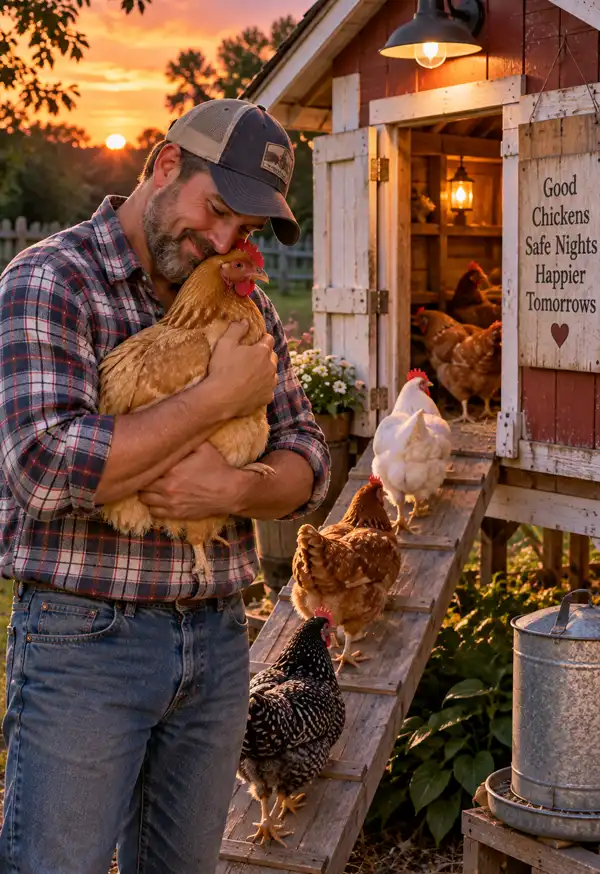
There are plenty of ways to celebrate without turning the occasion into a wrestling match between a human and an unwilling hen.
- Spend extra time with your flock, allowing the birds to approach you naturally.
- Offer a small portion of appropriate chicken treats while maintaining a balanced diet.
- Refresh bedding, clean the coop, and inspect fencing and predator protection.
- Take photographs of your chickens enjoying their natural activities.
- Learn about chicken behavior, breeds, and responsible backyard poultry care.
- Support a reputable poultry rescue or animal sanctuary.
- Share your favorite chicken stories with friends and family.
- Give a willing, calm chicken a brief, gentle hold while following proper hygiene precautions.
For anyone without chickens, visiting a farm or sanctuary that permits supervised poultry interaction can be a wonderful way to learn more about them. Follow the facility's handling rules and allow the staff to determine which birds are comfortable with visitors.
A Little Extra Appreciation for the Backyard Flock
Chicken keeping involves considerably more than collecting eggs. A healthy flock needs suitable housing, fresh water, balanced feed, protection from predators, veterinary attention when necessary, and opportunities to express natural behaviors. Dust-bathing, perching, scratching, and foraging are not optional hobbies invented to annoy the gardener; they are important parts of chicken life.
The rewards, however, can be substantial. A flock brings movement and character to a backyard, provides opportunities to observe animal behavior, and can create a connection with traditional small-scale farming. Fresh eggs are a welcome bonus, although anyone who has calculated the cost of a deluxe chicken coop may prefer not to discuss the price per dozen.
National Snuggle a Chicken Day is a reminder that responsible care and affection belong together. A chicken that feels safe, has room to behave naturally, and receives appropriate attention is far better served than one that is constantly picked up for photographs.
National Snuggle a Chicken Day FAQ
Whether you already share your backyard with a flock or are simply wondering why anyone would attempt to cuddle an animal equipped with a beak and strong opinions, National Snuggle a Chicken Day raises plenty of questions. From whether chickens actually enjoy affection to the safest ways to handle them, here are answers to some frequently asked questions about celebrating the day while keeping both humans and chickens happy, healthy, and on speaking terms.
When is National Snuggle a Chicken Day celebrated?
National Snuggle a Chicken Day is commonly observed on January 8. It is an informal holiday, and its original founder is not clearly documented.
Do chickens like being cuddled?
Some chickens become comfortable with gentle handling and may willingly approach familiar people. Others dislike being held. Always respect the individual bird's behavior and avoid forcing physical contact.
Is it safe to kiss or snuggle a chicken?
Public health authorities advise against kissing or closely snuggling backyard poultry because chickens can carry Salmonella and other germs. Enjoy your birds without bringing them near your face, and wash your hands after handling them.
How can I tell if a chicken is comfortable being held?
A comfortable chicken may remain calm and relaxed, while a distressed bird may struggle, flap, or repeatedly attempt to escape. If the bird appears uncomfortable, place it down safely and give it space.
What is the best way to celebrate with a chicken that dislikes handling?
Spend quiet time nearby, offer appropriate treats, provide enrichment, or improve its living environment. Affection does not require physical contact.
Can children participate in National Snuggle a Chicken Day?
Children can learn about chickens through supervised, age-appropriate activities. The CDC advises that children younger than five should not handle or touch backyard poultry because of the increased risk of illness.
One Last Cluck Before We Go
National Snuggle a Chicken Day may sound like an invitation to gather every hen in the yard for a group hug, but the real celebration is about appreciating chickens for the remarkable little characters they are. Some will welcome gentle attention, some will tolerate it briefly, and others will make it abundantly clear that they have an important appointment elsewhere.
Respect their preferences, care for them responsibly, and enjoy the companionship they offer. A happy chicken does not need to be a cuddly chicken. Sometimes the finest expression of affection is a comfortable perch, a safe coop, a little sunshine, and a human who knows when to put the bird down.
And if your chicken does choose to sit beside you, enjoy the moment. Just remember that she may be there for your company—or because she has noticed the sandwich in your hand.