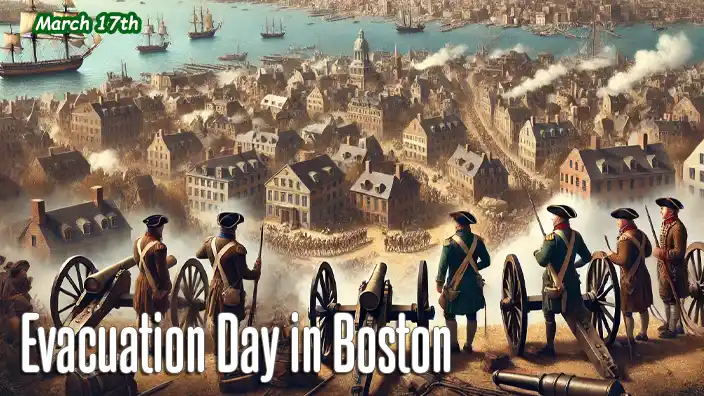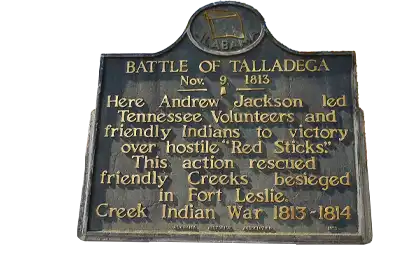
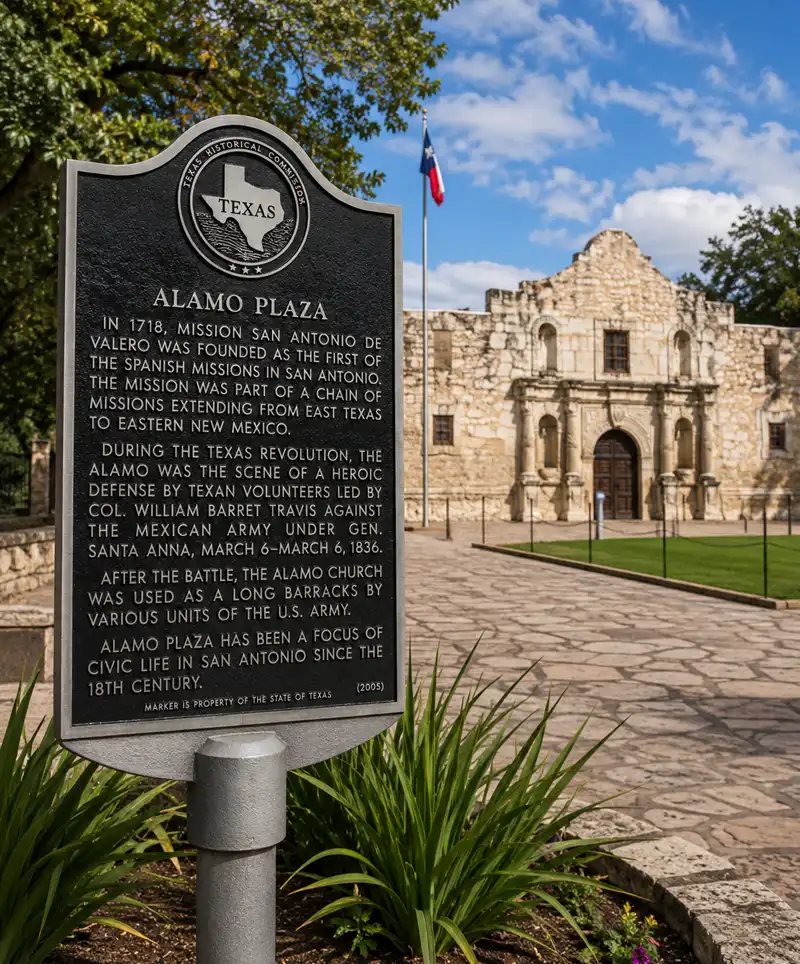
Pull Over, Something Happened Here
National Rose Month celebrates a flower that has earned its place in gardens, literature, art, and popular culture around the world. For thousands of years, roses have been admired not only for their beauty but also for what they represent. Love, friendship, gratitude, remembrance, and celebration have all been expressed through roses, making them far more than just another flower growing in the garden.
Part of the rose's lasting appeal comes from its remarkable versatility. Roses can be found climbing fences, covering arbors, filling formal gardens, brightening small patios, and appearing in bouquets for neaPull Over, Something Happened Here
Every road trip has that moment. You're cruising along, minding your own business, when you spot a historical marker beside the road. Suddenly you're braking harder than you intended because apparently something important happened on that exact patch of grass in 1827.
National Historic Marker Day celebrates the signs, plaques, monuments, and markers that preserve local, regional, and national history. These markers help tell the stories of people, places, events, and achievements that shaped communities and countries. Whether the marker honors a famous battle, a pioneering inventor, a historic building, or the location of the world's largest turnip festival, each one connects us to the past.
It is also a reminder that history is not limited to museums. Sometimes it is standing quietly beside a highway waiting for someone to stop and read it.
What Is a Historic Marker?
A historic marker is a sign, plaque, monument, tablet, or other display placed at a location that holds historical significance. Its purpose is to inform visitors about important events, notable individuals, cultural achievements, architectural landmarks, or other moments that helped shape a community, region, or nation. Historic markers serve as permanent reminders that history happened in real places, often right where people live, work, travel, and gather today.
Historic markers come in many forms. Some are large roadside signs designed to catch the attention of passing motorists, while others are bronze plaques mounted on buildings, monuments, or stone pedestals. You can find them in busy city centers, quiet rural communities, national parks, battlefields, cemeteries, schools, courthouses, and even along hiking trails. Regardless of their size or appearance, they all share the same goal: preserving and sharing history with future generations.
The information displayed on a historic marker is usually researched and verified before installation. Historical societies, preservation organizations, government agencies, and community groups often work together to ensure the information is accurate and meaningful. Many markers include dates, historical summaries, photographs, maps, or descriptions of the events and people connected to the site.
Historic markers also help bring local history to life. While textbooks often focus on major national events, markers frequently highlight stories that might otherwise be forgotten. A small plaque may reveal that a famous inventor once worked in a particular building, that a community played a role in an important historical movement, or that a significant event took place on what now appears to be an ordinary street corner.
For travelers and history enthusiasts, historic markers turn a simple walk or road trip into an opportunity for discovery. One marker often leads to another, encouraging people to explore the stories hidden within their own communities and beyond. They serve as outdoor classrooms, offering lessons in history without requiring an admission ticket or a guided tour.
In many ways, historic markers act as bridges between the past and the present. They preserve memories, celebrate achievements, acknowledge hardships, and help ensure that important stories continue to be shared long after the people who lived them are gone.
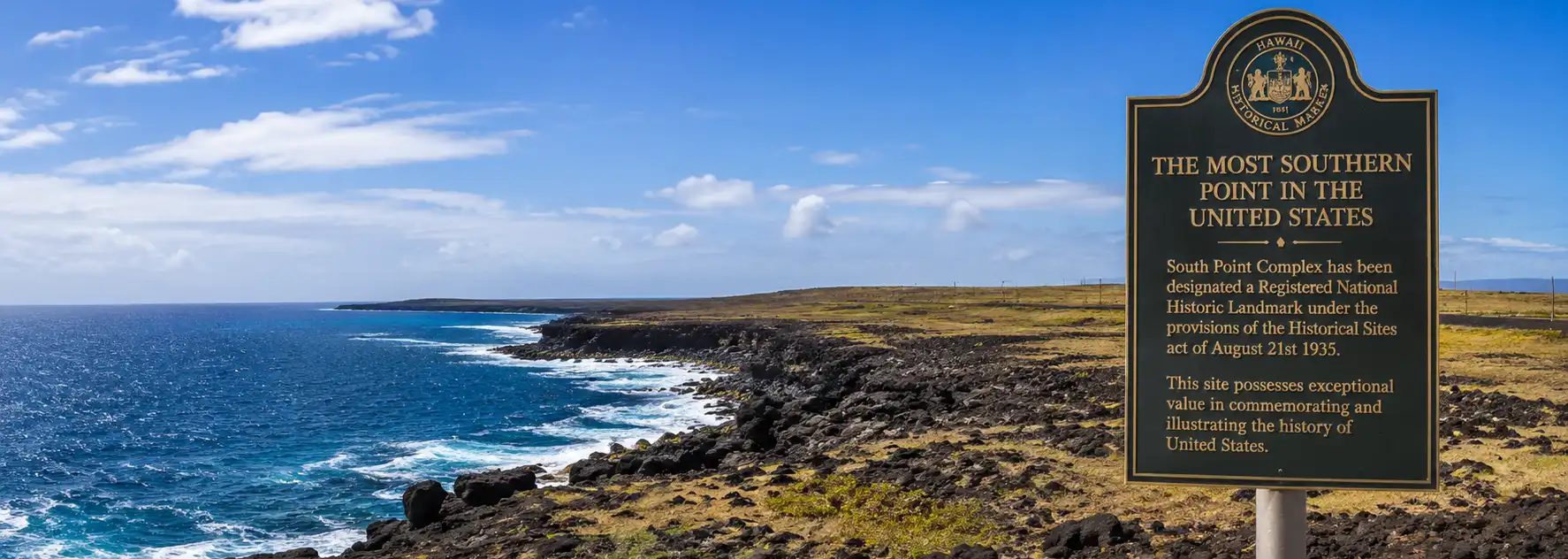
The History of Historic Markers
The practice of marking important locations is far older than most people realize. Ancient civilizations often erected monuments, carved inscriptions into stone, or placed commemorative tablets at sites associated with rulers, military victories, religious events, and significant achievements. These early markers served as reminders of important moments and helped preserve history long before books, newspapers, or the internet existed.
Modern historic marker programs began to emerge during the nineteenth and early twentieth centuries as communities became increasingly interested in preserving local heritage. As nations expanded and developed, many people recognized that important sites were disappearing under new construction, changing transportation routes, and urban growth. Historical societies and preservation groups began identifying locations of significance and installing markers to ensure their stories would not be forgotten.
The rise of the automobile gave historic markers an additional purpose. As Americans took to the highways in greater numbers, roadside markers became a way to educate travelers and encourage tourism. Drivers could stop, read about local history, and gain a deeper appreciation for the places they were passing through. State historical commissions, local governments, and preservation organizations soon established formal marker programs that documented everything from Revolutionary War sites and Civil War battlefields to pioneer settlements, transportation routes, and cultural landmarks.
One organization that has played a major role in recent years is the William G. Pomeroy Foundation. Founded in 2005, the foundation supports historical preservation through grant programs that help communities install markers recognizing local history. The foundation has funded thousands of markers across the United States, covering topics ranging from abolitionist sites and women's history to Native American heritage, historic transportation routes, and community landmarks. Its work has helped bring attention to many stories that might otherwise have remained overlooked.
Today, historic markers can be found throughout the world, serving as outdoor history lessons that are available to anyone willing to stop and read. Whether they commemorate a world-changing event or a small but meaningful local story, these markers help preserve the past, strengthen community identity, and connect people with the places where history unfolded. National Historic Marker Day celebrates these efforts and recognizes the organizations, historians, volunteers, and preservation advocates who work to keep those stories alive for future generations.
Why Historic Markers Matter
Historic markers help preserve knowledge that might otherwise disappear over time.
They allow people to:
- Learn about local history
- Discover important historical events
- Recognize significant individuals
- Preserve cultural heritage
- Encourage historical tourism
- Create connections between communities and their past
Perhaps most importantly, they help remind us that history happened in real places, not just inside textbooks.
That empty field may have once been a battlefield. That quiet street corner may have hosted a major political speech. That old building downtown may have changed the course of local history.
Without markers, many of those stories would be lost.
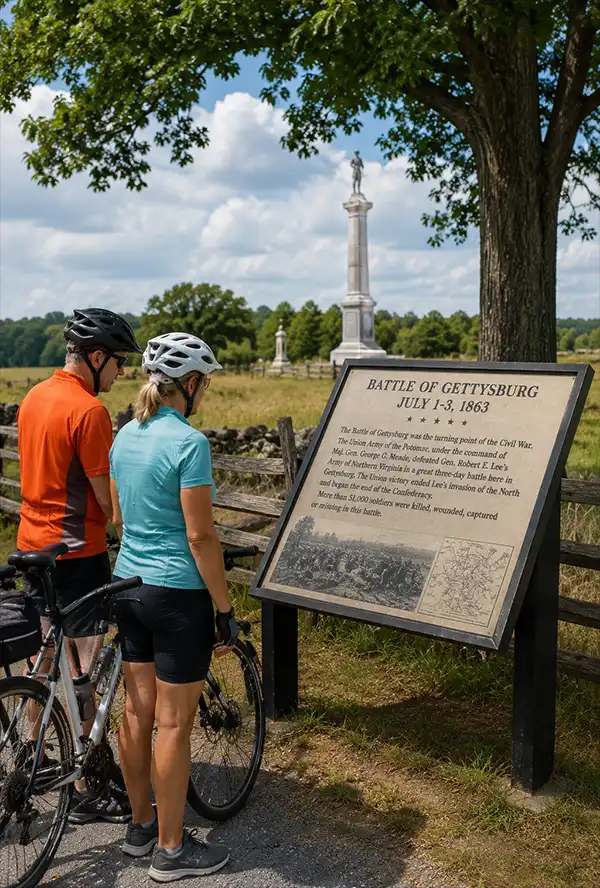
Famous Historic Markers Around America
The United States contains thousands of notable historic markers and commemorative sites.
Popular examples include:
- Revolutionary War battle locations
- Civil War landmarks
- Historic Route 66 markers
- Presidential homes
- Native American heritage sites
- Famous invention locations
- Historic railroad routes
- Early settlement communities
Many travelers intentionally seek out historic markers as part of road trips and heritage tourism adventures.
Others discover them entirely by accident while looking for a gas station.
How to Celebrate National Historic Marker Day
Celebrating National Historic Marker Day is surprisingly easy.
Visit a Historic Marker
Explore your community and visit a marker you have never noticed before.
Take a Local History Tour
Many towns offer self-guided walking tours that include multiple historical markers.
Learn About Your Community
Research the history behind a local marker and discover the people and events connected to it.
Photograph Historic Sites
Document historic markers and landmarks in your area.
Plan a History Road Trip
Many states maintain databases of historic markers that make excellent travel guides.
Share Local History
Post photos and stories about historic sites on social media and encourage others to explore their local heritage.
Fun Facts About Historic Markers
- Thousands of historic markers can be found throughout the United States.
- Some markers commemorate events that happened hundreds of years ago.
- Historic markers often become popular tourist attractions.
- Many markers are maintained by volunteer organizations.
- Some states have dedicated historic marker programs with thousands of entries.
- Collecting photographs of historic markers has become a hobby for history enthusiasts.
- Not every marker commemorates a famous event—many celebrate unique local stories.
National Historic Marker Day FAQ
Historic markers tell the stories behind the places we pass every day, preserving important moments, people, and events for future generations. Whether you've stopped to read a roadside plaque or simply wondered who decides what deserves a marker, these frequently asked questions explore the history, purpose, and importance of historic markers and National Historic Marker Day.
What is National Historic Marker Day?
National Historic Marker Day is an annual observance that celebrates historic markers, plaques, monuments, and signs that help preserve and share local, regional, and national history.
When is National Historic Marker Day?
National Historic Marker Day is observed each year on the last Friday in April.
Who created National Historic Marker Day?
National Historic Marker Day was established by the William G. Pomeroy Foundation to encourage public interest in historic markers and the stories they preserve.
What is the purpose of a historic marker?
A historic marker identifies and explains a location, event, person, or achievement that holds historical significance. It helps educate visitors and preserve local heritage.
Who installs historic markers?
Historic markers are often installed by historical societies, preservation organizations, government agencies, municipalities, and groups such as the William G. Pomeroy Foundation.
Why are historic markers important?
Historic markers help preserve history, educate the public, encourage tourism, and connect communities with the people and events that shaped their past.
Can anyone nominate a site for a historic marker?
Many historic marker programs allow nominations, although requirements vary depending on the organization sponsoring the marker and the historical significance of the site.
Are historic markers only found at famous locations?
No. While some markers commemorate major historical events, many recognize local stories, notable residents, historic buildings, businesses, schools, transportation routes, and community achievements.
How can I celebrate National Historic Marker Day?
You can celebrate by visiting local historic markers, exploring historical sites, learning about your community's history, photographing markers, or sharing local history with friends and family.
How many historic markers exist in the United States?
There are tens of thousands of historic markers across the United States, documenting everything from national events and famous individuals to unique local stories and landmarks.
Historic markers may not attract the same attention as famous museums or major tourist attractions, but they play an important role in preserving our shared history. They remind us that important events happened in real places and that ordinary communities often have extraordinary stories to tell.
National Historic Marker Day encourages us to slow down, look around, and appreciate the signs that connect us to the past. Whether marking a battlefield, a birthplace, a historic business, or the site of a forgotten local achievement, each marker helps keep history alive for future generations.
So the next time you spot a historic marker beside the road, consider stopping for a moment to read it. You might discover a fascinating story, learn something new about your community, or finally find out why that seemingly ordinary field was important enough to earn its own plaque.