Breathe Deeply—It's National Fragrance Week
Walk into a bakery and suddenly you're hungry. Step into a pine forest and your shoulders relax. Catch the scent of freshly cut grass and you're instantly transported back to childhood. Few things trigger memories as powerfully as fragrance, and National Fragrance Week celebrates the invisible part of our world that quietly shapes our emotions, memories, and everyday experiences.
Observed each year during the week surrounding National Fragrance Day on March 21, National Fragrance Week is a celebration of the remarkable role scent plays in our lives. Originally introduced by the fragrance industry to highlight the artistry of perfume, the observance has grown into a broader appreciation of every kind of fragrance—from fine perfumes and colognes to fresh flowers, scented candles, spices, soaps, coffee, and even the unmistakable smell of rain on dry earth.
Whether you're devoted to a signature fragrance or simply enjoy the aroma of fresh bread coming out of the oven, National Fragrance Week is the perfect time to stop, breathe deeply, and appreciate the scents that make life a little richer.
What Is National Fragrance Week?
National Fragrance Week is an annual celebration dedicated to the appreciation of fragrance in all its forms. While perfume and cologne are certainly at the heart of the observance, the week encourages people to recognize that fragrance is woven into nearly every part of daily life. From the scent of blooming flowers in spring to freshly brewed coffee in the morning, fragrance has the remarkable ability to influence our mood, awaken memories, and even change how we experience a place or moment.
The celebration also shines a spotlight on the creativity and craftsmanship behind the fragrance industry. Perfumers spend years mastering the art of blending natural and synthetic ingredients into balanced, evolving scents that tell a story from the first spray to the final lingering notes. During National Fragrance Week, perfume houses, retailers, and fragrance enthusiasts often introduce new collections, host educational events, and encourage people to discover scents they may never have considered before.
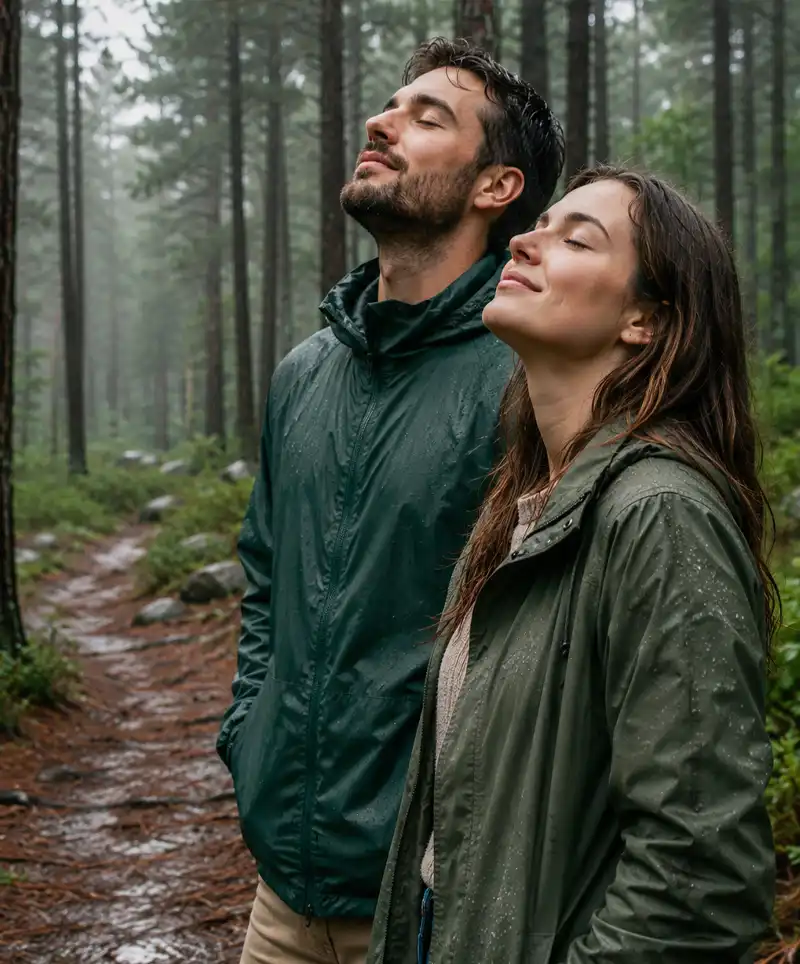
At the same time, National Fragrance Week isn't reserved for luxury perfumes or expensive colognes. It's equally about appreciating the simple fragrances that enrich everyday life. The smell of a family recipe baking in the oven, the crisp scent of freshly laundered sheets, a bouquet of roses on the table, a pine forest after a rainfall, or the salty breeze along the coast can all evoke powerful emotions and lasting memories.
Ultimately, National Fragrance Week reminds us that our sense of smell is one of our most remarkable senses. It connects us to people, places, traditions, and experiences in ways that few other senses can, proving that sometimes the things we remember most are the ones we never actually see.
The History of National Fragrance Week
The story of National Fragrance Week begins with an industry that has been captivating people for thousands of years. Ancient civilizations, including the Egyptians, Greeks, Romans, Persians, and Chinese, all used fragrant oils, incense, herbs, and flowers in religious ceremonies, medicine, personal grooming, and daily life. Over the centuries, perfume evolved from a luxury reserved for royalty and the wealthy into an art form enjoyed by people around the world.
The modern observance of National Fragrance Week, however, is much more recent. It was established by the fragrance industry in the United Kingdom as a week-long celebration designed to introduce the public to the fascinating world of fragrance. Perfume houses, retailers, department stores, and fragrance experts organized special events where visitors could learn how perfumes are created, discover new fragrance families, meet professional perfumers, and experience scents in ways that went far beyond simply sampling a bottle at a department store counter.
As the celebration grew in popularity, the idea spread beyond the United Kingdom. Fragrance organizations and retailers in other countries embraced the concept of dedicating an entire week to celebrating scent, often scheduling promotions, educational programs, product launches, and interactive experiences around National Fragrance Day on March 21. Today, the two observances work hand in hand, with National Fragrance Day serving as the centerpiece of a broader week devoted to exploring the artistry, science, and enjoyment of fragrance.
In the United States, The Fragrance Foundation officially established National Fragrance Day in 2018 to encourage people to appreciate the important role fragrance plays in everyday life. Since then, the Foundation has continued expanding the celebration with annual events, educational campaigns, public experiences, and partnerships that highlight both the rich history of perfumery and the innovations shaping its future. While National Fragrance Day always falls on March 21, the surrounding week's activities may vary slightly from year to year.
Today, National Fragrance Week is about much more than selling perfume. It celebrates creativity, craftsmanship, science, and memory. It recognizes the skilled perfumers—often called "noses"—whose extraordinary sense of smell allows them to blend hundreds of ingredients into fragrances that become part of our lives. Most importantly, it reminds us that some of our strongest memories aren't triggered by something we see or hear, but by something we simply happen to smell.
Why Fragrance Matters
Of all our senses, smell has one of the most remarkable connections to memory and emotion. A familiar fragrance can transport us across decades in an instant, bringing back people, places, and moments with astonishing clarity. You may not remember what you had for lunch last Tuesday, but the scent of your grandmother's favorite perfume or your father's aftershave can suddenly place you back in their home as though no time has passed at all.
Scientists have discovered that this happens because the olfactory system—the part of our body responsible for smell—is directly connected to areas of the brain that process emotion and long-term memory. Unlike our other senses, which are filtered through several regions of the brain before we consciously recognize them, scents take a remarkably direct route. That's why a single aroma can trigger vivid memories before we've even identified what we're smelling.
Fragrance also plays a surprisingly important role in our everyday lives. Businesses have learned that pleasant scents can create a welcoming atmosphere and encourage customers to linger longer. Hotels often develop signature fragrances so guests associate a particular aroma with comfort and relaxation. Bakeries know the smell of fresh bread can be almost as powerful as the bread itself, while coffee shops understand that the rich aroma of freshly brewed coffee draws people inside before they ever read the menu.
Our homes are filled with fragrances that quietly become part of our daily routines. Freshly cut grass may remind us of childhood summers. A holiday meal simmering on the stove brings thoughts of family gatherings. The scent of cinnamon, pine needles, or pumpkin spice can instantly signal that a favorite season has arrived. Even the clean smell of freshly washed sheets or the earthy aroma after a spring rain can provide a sense of comfort and familiarity.
Fragrance also influences the way we present ourselves to the world. Many people choose a favorite perfume or cologne because it reflects their personality or simply makes them feel more confident. Others prefer lighter, more natural scents that become part of their personal identity without ever overwhelming a room. In many ways, a signature fragrance becomes an invisible accessory, quietly leaving an impression long after the first handshake.
Of course, not every memorable scent is pleasant. The smell of smoke warns us of danger. Spoiled food tells us something should not be eaten. Gas companies deliberately add an odor to natural gas so leaks can be detected before they become hazardous. These less glamorous fragrances remind us that our sense of smell is also an important safety tool that has helped humans survive for thousands of years.
Perhaps the greatest gift of fragrance is its ability to tell a story without saying a word. One unexpected aroma can unlock forgotten memories, brighten our mood, or make an ordinary moment feel extraordinary. National Fragrance Week reminds us to slow down, breathe deeply, and appreciate the countless scents that quietly enrich our lives every single day.
The Fascinating World of Perfume
Creating a memorable perfume is one of the most intricate forms of artistic expression. A master perfumer doesn't simply combine pleasant-smelling ingredients and hope for the best. Every fragrance is carefully designed to unfold over time, revealing different characteristics as it reacts with the wearer's skin, body chemistry, and even the surrounding temperature. Two people can wear the very same perfume and discover that it develops into two surprisingly different scents.
At the heart of every perfume are three distinct layers known as notes. The top notes create the first impression when a fragrance is applied. They are usually light, bright, and refreshing, featuring ingredients such as bergamot, lemon, grapefruit, mint, or lavender. Although they capture our attention immediately, they often disappear within the first fifteen to thirty minutes.
As the top notes fade, the heart notes, sometimes called the middle notes, begin to emerge. These form the personality of the fragrance and typically last several hours. Floral scents such as rose, jasmine, iris, and peony are common, along with fruits, herbs, and spices like cinnamon, cardamom, and nutmeg. The heart notes create the character people most associate with a particular perfume.
Finally come the base notes, which provide depth, warmth, and longevity. Ingredients such as sandalwood, cedarwood, vanilla, amber, musk, patchouli, vetiver, and rich resins linger on the skin long after the brighter notes have disappeared. These deeper scents anchor the fragrance and often become the lasting impression people remember hours later.
Many people are surprised to learn that a single bottle of perfume may contain anywhere from thirty to several hundred individual ingredients. Some luxury fragrances contain more than 500 carefully measured components, each selected to contribute a subtle element to the finished composition. Achieving the right balance requires years of training, an exceptional memory for scents, and an extraordinary sense of smell.
Professional perfumers—often known simply as "noses"—are among the most highly trained specialists in the fragrance industry. Developing the skills necessary to create original perfumes can take a decade or more. During their training, they learn to recognize thousands of natural and synthetic aroma materials and understand how those ingredients interact with one another over time. It's a profession that blends chemistry, artistry, psychology, and a remarkable amount of patience.
Modern perfumes are created using both natural and synthetic ingredients. Natural materials are extracted from flowers, fruits, woods, herbs, spices, and resins through methods such as steam distillation, cold pressing, or solvent extraction. Synthetic ingredients, meanwhile, allow perfumers to create entirely new scent profiles, improve consistency between batches, and reproduce aromas that either don't exist naturally or would be impractical—or environmentally harmful—to harvest in large quantities.
Perfume also comes in different strengths, depending on the concentration of fragrant oils. Parfum contains the highest concentration and generally lasts the longest. Eau de Parfum offers excellent longevity while remaining lighter on the skin. Eau de Toilette is fresher and more subtle, making it a popular choice for everyday wear, while Eau de Cologne is lighter still, often providing a refreshing burst of fragrance for just a few hours.
Perhaps the most remarkable aspect of perfume is that it is completely invisible. Unlike a painting, a sculpture, or a piece of music, it cannot be seen or held in your hands. Yet it has the power to evoke powerful emotions, preserve treasured memories, and leave lasting impressions with nothing more than a few carefully crafted drops. That extraordinary combination of science, creativity, and human emotion is what makes the world of perfume endlessly fascinating.

Fragrance Families
One of the easiest ways to understand perfume is to group fragrances into families. Much like music has genres or food has cuisines, perfumes are classified according to their dominant scent characteristics. Knowing these fragrance families makes it much easier to discover new perfumes you'll enjoy and understand why certain scents appeal to you more than others.
While many modern fragrances blend several families together, most begin with one primary style before branching into more complex combinations. Here are the major fragrance families you'll encounter most often.
- Floral – The largest and perhaps most recognizable fragrance family. Floral perfumes showcase blossoms such as rose, jasmine, lily, lavender, peony, gardenia, iris, orange blossom, and violet. They can range from a single flower, known as a soliflore, to elaborate bouquets that recreate the aroma of an entire garden in bloom. Floral fragrances are often associated with elegance, romance, and springtime.
- Fresh – Bright, crisp, and energetic, fresh fragrances are inspired by citrus fruits, green leaves, herbs, ocean breezes, rainfall, and clean air. Lemon, bergamot, grapefruit, mint, basil, and marine notes are common ingredients. These fragrances are popular for daytime wear because they create a feeling of cleanliness and vitality.
- Woody – Warm, earthy, and sophisticated, woody fragrances draw inspiration from forests and natural timber. Cedarwood, sandalwood, pine, oak, vetiver, and patchouli create rich, comforting scents that often become more noticeable as the fragrance settles on the skin. Woody perfumes are especially popular during cooler weather but remain timeless throughout the year.
- Amber (formerly Oriental) – Rich, luxurious, and often exotic, amber fragrances combine warm spices, resins, vanilla, incense, musk, tonka bean, and precious woods. They tend to be deeper, sweeter, and longer-lasting than many other fragrance families. While these perfumes were traditionally known as Oriental, much of the fragrance industry now prefers the term Amber.
- Fougère – Pronounced foo-ZHAIR, the French word for "fern," this classic family is one of the cornerstones of modern perfumery. Ironically, ferns have very little scent, so fougère fragrances recreate an imaginary forest freshness using lavender, oakmoss, coumarin, and herbs. They have been a favorite in men's fragrances for well over a century, although many modern unisex perfumes also embrace the style.
- Chypre – Pronounced SHEEP-ruh, this refined family originated with a famous 1917 perfume named Chypre, the French word for Cyprus. These fragrances typically blend citrus top notes with oakmoss, patchouli, labdanum, and woody accords to create a dry, elegant finish. Chypre perfumes are admired for their complexity and timeless sophistication.
- Gourmand – One of the newest and most popular fragrance families, gourmand perfumes smell almost good enough to eat. Notes of vanilla, caramel, chocolate, honey, coffee, almond, coconut, marshmallow, and baked desserts create warm, comforting fragrances that often remind people of favorite treats or holiday baking.
Today's perfumes rarely stay within a single fragrance family. A modern perfume might open with sparkling citrus from the Fresh family, bloom into Floral heart notes, and finish with Woody or Amber base notes. This blending of fragrance families gives perfumers nearly limitless creative possibilities and helps explain why two perfumes can both smell wonderful while being completely different from one another.
The next time you sample a new fragrance, try identifying the family it belongs to before reading the label. You may discover that your nose already knows exactly what kinds of scents you enjoy most.
Fragrance Isn't Just Perfume
Mention the word fragrance, and most people immediately picture an elegant bottle of perfume sitting on a department store counter with a price tag that requires a deep breath before you even smell it. But fragrance has been part of human life long before anyone thought to put it in a crystal bottle. It's the smell of fresh bread stealing your willpower at the grocery store, bacon convincing the whole household to get out of bed, a campfire that somehow clings to your clothes for three days, or the unmistakable aroma of hot milk poured over a bowl of Corn Flakes that instantly takes you back to Grandma's kitchen. National Fragrance Week celebrates all of these everyday aromas because some of life's most unforgettable scents were never meant to be worn—they were simply meant to be enjoyed.
- Fresh flowers brighten a room.
- Coffee fills the kitchen with warmth.
- Cinnamon makes a house feel welcoming.
- A campfire creates memories before the marshmallows are even toasted.
- Garden herbs release wonderful aromas with the slightest touch.
- Fresh bread, homemade cookies, clean sheets drying outdoors, and even the unmistakable smell of a new book all remind us that fragrance comes in countless forms.
- Yes, even gasoline has its fans. We won't judge... much.
How Fragrance Is Made
Creating a fine fragrance is a remarkable blend of science, artistry, and patience. While spraying a perfume takes only a second, developing that fragrance may require months—or even years—of research, experimentation, and refinement. Every ingredient is carefully selected and balanced so that the finished scent unfolds exactly as the perfumer intended.
The process often begins with inspiration. A perfumer, sometimes called a "nose," may set out to capture the feeling of a spring garden, the freshness of an ocean breeze, a walk through an autumn forest, or even the warmth of a favorite dessert. Rather than simply copying a single smell, the goal is to create an emotional experience that tells a story from the first spray to the final lingering notes.
The ingredients themselves come from an astonishing variety of sources. Natural fragrance materials are extracted from flowers, fruits, leaves, roots, herbs, spices, woods, mosses, and tree resins. Roses, jasmine, lavender, sandalwood, cedar, vanilla, cinnamon, bergamot, patchouli, and vetiver are among the many ingredients that have been treasured by perfumers for generations.
Obtaining these natural oils can be surprisingly labor-intensive. Some flowers are harvested by hand before sunrise to capture their peak fragrance, while citrus oils are typically obtained by cold pressing the fruit peels. Other botanicals are processed using steam distillation, solvent extraction, or carbon dioxide extraction, each chosen because it preserves different aromatic qualities. In some cases, thousands of flower blossoms are needed to produce just a few ounces of essential oil, helping explain why certain luxury perfumes command such high prices.
Modern perfumery also relies heavily on synthetic aroma molecules, and that's actually good news. Synthetic ingredients allow perfumers to create fragrances that nature simply cannot provide, improve consistency from one batch to the next, and dramatically reduce pressure on endangered plants and wildlife. They also make it possible to recreate delicate aromas that would otherwise disappear during traditional extraction methods.
Once the individual ingredients have been selected, the perfumer begins blending them in carefully measured proportions. A fragrance may contain anywhere from a few dozen ingredients to several hundred, with even tiny adjustments changing the final character of the perfume. Numerous trial versions are created, tested, and refined before the formula is considered complete.
After the fragrance concentrate has been perfected, it is mixed with alcohol and, in some cases, purified water. The mixture is then allowed to mature through a process known as maceration, during which the ingredients slowly blend together and become smoother and more balanced. Depending on the fragrance, this aging process may last anywhere from several weeks to several months before the perfume is filtered and bottled.
Quality testing follows before the fragrance ever reaches a store shelf. Perfumers evaluate how the scent develops over time, how long it lasts on different skin types, and how well it performs under various temperatures and humidity levels. They also ensure the fragrance meets strict international safety standards governing cosmetic products.
In the end, every bottle of perfume represents far more than a pleasant aroma. It reflects countless hours of scientific research, artistic creativity, careful craftsmanship, and meticulous testing. The next time you spray your favorite fragrance, remember that you're experiencing the work of dedicated experts who have transformed hundreds of individual ingredients into something that can evoke memories, stir emotions, and leave a lasting impression with just a few drops.
Ways to Celebrate National Fragrance Week
National Fragrance Week is less about buying an expensive bottle of perfume and more about slowing down long enough to appreciate one of our most remarkable senses. It's an opportunity to notice the fragrances that surround us every day and recognize how they quietly influence our moods, memories, and experiences.
If you enjoy wearing perfume or cologne, visit a fragrance counter and sample something outside your usual style. You may discover that a woody fragrance suits you better than a floral one, or that fresh citrus notes are exactly what you've been missing. Many retailers and fragrance houses also host demonstrations, educational events, and special promotions during the week, making it an excellent time to learn more about the art of perfumery.
Nature provides just as many opportunities to celebrate. Take a walk through a botanical garden, visit a park after a spring shower, or simply spend a few minutes appreciating the fragrance of flowers blooming in your own yard. The scent of pine trees, freshly cut grass, ocean air, or rain on warm pavement reminds us that some of the world's finest fragrances were created long before the first perfume bottle.
Your kitchen can be one of the most fragrant places in your home. Bake fresh bread, prepare a favorite family recipe, brew a pot of coffee, or fill the house with the aroma of cinnamon, vanilla, or homemade cookies. These everyday scents often become the ones we remember most throughout our lives. Sometimes a single familiar aroma can carry us back decades to a childhood kitchen, a family holiday, or a place we thought we'd forgotten.
You can also refresh your living space with fresh flowers, scented candles, essential oils, or fragrant herbs growing on a windowsill. Even something as simple as hanging freshly washed sheets outside to dry or opening the windows on a pleasant spring day can remind us how enjoyable natural fragrances can be.
Perhaps the most meaningful way to celebrate is to share memories with family and friends. Ask someone what fragrance reminds them most of home, or which scent instantly takes them back to childhood. You'll likely hear stories that range from grandmother's baking to an old leather jacket, a favorite aftershave, a campfire, or the unmistakable smell of a family car on summer vacations. Those conversations often become as memorable as the fragrances themselves.
National Fragrance Week ultimately reminds us that some of life's richest experiences are completely invisible. A familiar scent can comfort us, warn us of danger, lift our spirits, or unlock memories that have been quietly waiting for years. Whether it's a favorite perfume, fresh flowers on the table, or the unmistakable aroma of hot milk poured over a bowl of Corn Flakes that instantly brings back Grandma's kitchen, fragrance has an extraordinary way of connecting us to the moments and people who matter most. That's something well worth celebrating every year.
National Fragrance Week FAQ
Fragrance has been fascinating people for thousands of years, so it's no surprise that it also raises plenty of questions. From how perfumes are created to why certain scents instantly trigger memories, these are some of the most frequently asked questions about National Fragrance Week and the remarkable world of fragrance.
When is National Fragrance Week?
National Fragrance Week is observed during the week beginning on the Third Monday in March each year.
Is National Fragrance Week only about perfume?
No. It celebrates all forms of fragrance, including flowers, candles, spices, essential oils, foods, nature, soaps, and perfumes.
Why do certain smells bring back memories?
The sense of smell is closely linked to areas of the brain responsible for memory and emotion, making scents powerful memory triggers.
What are perfume notes?
Perfumes are built with top notes, middle (heart) notes, and base notes that appear one after another as the fragrance develops.
Can fragrances affect mood?
Research suggests certain scents may influence relaxation, alertness, comfort, and emotional well-being, although individual responses vary.
What is petrichor?
Petrichor is the distinctive earthy smell produced when rain falls on dry ground, one of nature's most recognizable fragrances.
One More Whiff
Fragrances have a remarkable way of slipping past our busy minds and heading straight for our hearts. Long after a photograph has faded or a conversation has been forgotten, a familiar scent can reopen a treasured memory in an instant. It might be a favorite perfume, the aroma of fresh bread, a pine forest after the rain, or something as wonderfully ordinary as hot milk poured over a bowl of Corn Flakes in Grandma's kitchen.
National Fragrance Week is a reminder that some of life's greatest experiences aren't seen or heard—they're simply breathed in. So, the next time a familiar scent drifts your way, pause for a moment and enjoy it. You never know where that one more whiff might take you.