The Incredible Edible Overachiever
If chickens had a public relations department, National Egg Day would be their masterpiece. Every June 3, we celebrate one of the most versatile, nutritious, and widely consumed foods on the planet—the humble egg. It can be scrambled, fried, poached, boiled, baked, whipped, folded, and occasionally dropped on the kitchen floor at precisely the wrong moment.
The egg is one of nature's most remarkable creations. It arrives in its own protective packaging, requires no assembly, and somehow manages to become breakfast, lunch, dinner, dessert, and a key ingredient in half the recipes ever written. That's quite an achievement for something produced by a bird before breakfast.
The History of Eggs in Human Diets
Long before grocery stores, refrigerators, and breakfast menus, humans were eating eggs. Early hunter-gatherers collected eggs from the nests of wild birds whenever they could find them. Eggs provided a valuable source of protein, healthy fats, and nutrients at a time when finding reliable food often required considerable effort and determination. Climbing trees, scaling cliffs, or carefully raiding a nest was often rewarded with a nutritious meal wrapped in nature's own packaging.
As agriculture developed and animals became domesticated, chickens gradually earned a place in human settlements. Historians believe chickens were first domesticated in Southeast Asia thousands of years ago before spreading across India, China, the Middle East, Europe, and eventually the rest of the world. While early chickens were often valued for religious ceremonies, entertainment, and even cockfighting, people quickly realized that a bird capable of producing eggs on a regular basis was far too useful to ignore.
Ancient civilizations embraced eggs as both a food source and a symbol. The Egyptians, Greeks, Romans, Persians, and Chinese all incorporated eggs into their diets and traditions. In many cultures, eggs represented fertility, renewal, and new beginnings. Some ancient societies even buried eggs with the dead, believing they symbolized rebirth in the next life. Others decorated eggs for celebrations and festivals, a tradition that survives in many parts of the world today.
The Romans were particularly fond of eggs and often began meals with them. In fact, the phrase "ab ovo usque ad mala"—"from the egg to the apples"—described a complete meal from beginning to end. Roman cooks experimented with countless egg dishes, proving that people have been debating the best way to prepare eggs for nearly two thousand years.
During the Middle Ages, chickens became a common sight throughout Europe. Most households kept a few birds, making eggs one of the most accessible and affordable foods available. Eggs were especially important because they could be gathered regularly without having to slaughter livestock. For many families, a productive flock of hens was almost as valuable as a well-stocked garden.
Eggs also played a unique role in religious traditions. During periods of fasting, such as Lent, some Christians avoided eating eggs. As a result, large numbers of eggs accumulated and were later enjoyed during Easter celebrations. This helped inspire the custom of decorating and exchanging eggs, a practice that continues around the world.
By the 18th and 19th centuries, advances in farming and transportation made eggs more widely available than ever before. As cities grew, commercial poultry farming expanded to meet demand. What had once been a food gathered from wild nests or produced by a handful of backyard hens gradually became a major agricultural industry.
Today, eggs remain one of the world's most popular foods. Billions are consumed every year across countless cultures and cuisines. Whether served as a simple fried egg for breakfast, folded into a delicate soufflé, or hidden inside a favorite cake recipe, eggs continue to play an important role in diets around the globe. Not bad for something that starts life as a daily contribution from a chicken who is mostly concerned about snacks and finding a comfortable place to sit.

Why Eggs Are So Popular
Eggs have achieved something most foods only dream about: they are useful in almost every meal.
- Need breakfast? Eggs have you covered.
- Making a cake? Eggs are already involved.
- Creating pasta, quiche, mayonnaise, custard, or cookies? Once again, eggs are quietly doing all the work while the other ingredients receive the credit.
Their popularity comes from their incredible versatility. The proteins in eggs can thicken, bind, emulsify, and add structure to foods. In simple terms, eggs are the backstage crew of the culinary world. They rarely get top billing, but the show often falls apart without them.
They are also packed with nutrients, including protein, vitamins, minerals, and essential amino acids. For generations, eggs have provided an affordable source of nutrition for families around the world.
Eggs are one of nature's quietly amazing creations. They don't make a fuss, demand attention, or hire a marketing team. They simply show up every morning, packed with nutrition and ready to become breakfast.
The Great Egg Debate
For such a small and innocent-looking food, eggs have spent a surprising amount of time at the center of nutritional controversy. Over the years, they have been praised as a near-perfect source of nutrition, criticized as a dietary villain, welcomed back into healthy eating plans, and then scrutinized all over again. Few foods have ridden a roller coaster quite like the humble egg.
Much of the debate began in the mid-20th century when researchers started investigating the relationship between cholesterol, heart disease, and diet. Because egg yolks naturally contain cholesterol, eggs quickly found themselves under suspicion. Nutrition experts and health organizations often advised people to limit egg consumption, and for a time, many breakfast tables saw eggs replaced by cereals, toast, and other alternatives.
As scientific understanding improved, however, researchers discovered that the relationship between dietary cholesterol and blood cholesterol was far more complex than originally believed. Studies found that for most healthy people, eating eggs had much less impact on cholesterol levels than previously thought. Factors such as genetics, overall diet, exercise, and lifestyle often played a much larger role in heart health.
The egg's reputation slowly began to recover. Scientists pointed out that eggs are rich in high-quality protein and contain important nutrients such as vitamin D, vitamin B12, selenium, choline, and antioxidants like lutein and zeaxanthin, which support eye health. Nutrition experts started viewing eggs as part of the bigger dietary picture rather than focusing on a single ingredient or nutrient.
Of course, the public conversation did not always keep pace with the science. One year eggs were being celebrated as a nutritional powerhouse. The next year a headline would appear suggesting everyone should cut back. Then another study would arrive offering a different perspective. At times it seemed as though eggs spent decades being called into the principal's office for crimes they may or may not have committed.
Today, most health professionals agree that eggs can be part of a healthy, balanced diet for the vast majority of people. They provide an affordable source of protein and nutrients while fitting into many different eating plans. Whether someone enjoys scrambled eggs for breakfast, a hard-boiled egg as a snack, or an omelet loaded with vegetables, eggs remain a practical and nutritious option.
Meanwhile, chickens have remained remarkably calm throughout the entire debate. They continue producing eggs without issuing press releases, conducting interviews, or defending themselves on social media. While humans argue over studies and dietary guidelines, the hens simply carry on with business as usual, one egg at a time.
In the end, the Great Egg Debate reminds us that nutrition is rarely as simple as a headline. Foods are best judged as part of an overall diet and lifestyle, not by a single statistic or trend. Eggs have survived thousands of years of human history, countless recipes, and decades of nutritional scrutiny. That's a pretty impressive track record for something that can fit in the palm of your hand.

Amazing Egg Facts
Before we dive into these amazing egg facts, it's worth remembering that eggs have been quietly impressing humanity for thousands of years. They may look simple sitting in a carton, but inside those shells are some truly surprising stories. From hardworking hens and record-breaking omelets to strange bits of egg trivia that sound completely made up but aren't, the humble egg has accumulated quite a collection of fascinating facts. So crack open your curiosity and prepare to discover why eggs are far more interesting than they first appear.
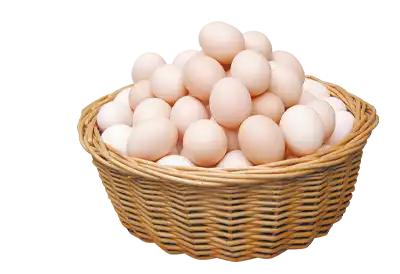
- An average hen lays between 250 and 300 eggs each year.
- Eggshell color depends on the breed of chicken, not the quality or nutritional value of the egg.
- Fresh eggs contain everything needed to support the development of a chick, making them one of nature's most complete food packages.
- The world's largest omelets have used tens of thousands of eggs at a time.
- A hen can communicate with her chicks before they hatch through sounds made inside the egg.
And despite popular belief, cracking an egg with one hand does not automatically make someone a professional chef, though many people continue to try.
How to Celebrate National Egg Day
National Egg Day offers plenty of opportunities to appreciate this remarkable food.
Start your morning with your favorite egg dish, whether that's scrambled eggs, a classic omelet, Eggs Benedict, or a hearty breakfast sandwich. Try a new recipe you've never made before or visit a local restaurant known for its breakfast menu.
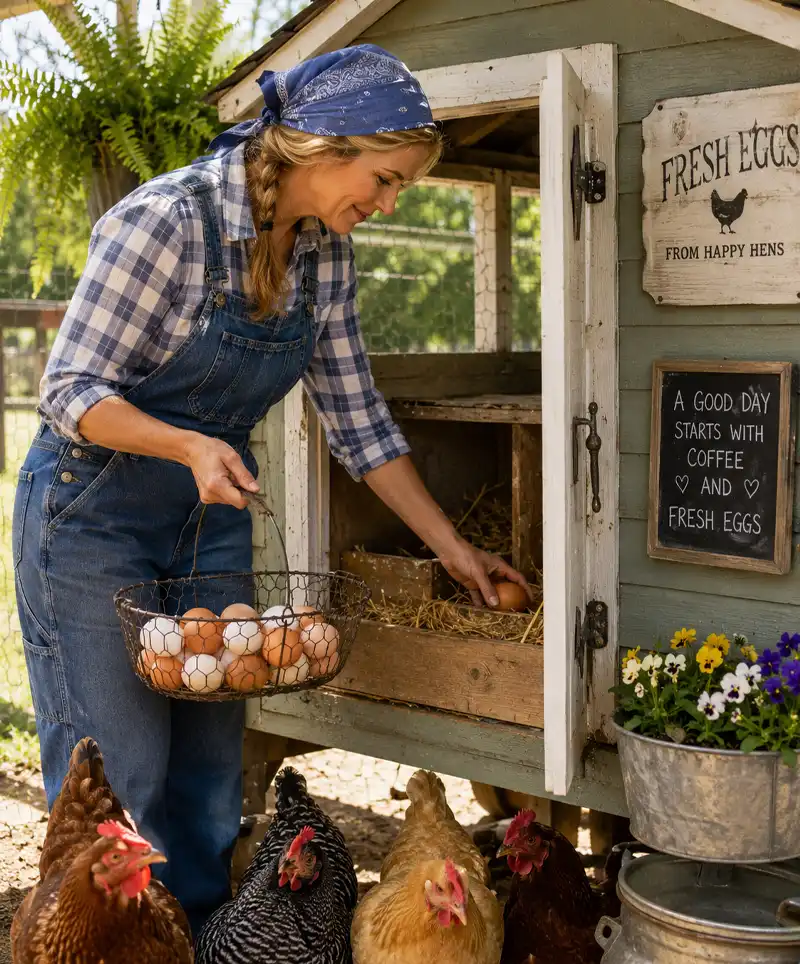
If you keep backyard chickens, spend some time appreciating the hardworking ladies who make the celebration possible. Collect fresh eggs, learn about different chicken breeds, or share a few eggs with friends and neighbors.
You can also explore egg-based dishes from around the world. From French soufflés and Spanish tortillas to Japanese tamagoyaki and British Scotch eggs, cultures everywhere have found creative ways to enjoy eggs.
Most importantly, take a moment to appreciate just how much we rely on this simple ingredient. Without eggs, breakfast would never be quite the same, baking would become considerably more complicated, and many chickens would be wondering why nobody appreciates their efforts.
National Egg Day FAQ
Whether you're a devoted egg enthusiast, a backyard chicken keeper, or someone who occasionally wonders why brown eggs and white eggs are sitting side by side in the grocery store, you've probably got a few questions. To help crack open some of the most common curiosities, we've gathered answers to frequently asked questions about National Egg Day, eggs, hens, and the remarkable role they play in our daily lives.
- When is National Egg Day?
National Egg Day is celebrated annually on June 3. - Why do we celebrate National Egg Day?
The day recognizes the importance of eggs as a nutritious food source and their role in cuisines around the world. - Are brown eggs healthier than white eggs?
No. Eggshell color is determined by the breed of the hen and has little effect on nutritional value. - How many eggs does a hen lay per year?
Most laying hens produce between 250 and 300 eggs annually, depending on breed, age, and care. - What is the most popular way to eat eggs?
Scrambled eggs consistently rank among the most popular egg dishes worldwide.
A Perfect Food in a Fragile Package
National Egg Day celebrates a food that has nourished humanity for thousands of years. Eggs are affordable, versatile, nutritious, and surprisingly fascinating when you stop to think about them. They have fueled farmers heading into the fields, explorers crossing oceans, soldiers on campaign, and generations of families gathering around breakfast tables.
What makes eggs so remarkable is their simplicity. Inside a thin shell is a carefully balanced package of protein, vitamins, minerals, healthy fats, and everything needed to support the development of a chick. Nature spent millions of years perfecting the design, and despite all our modern technology, we still haven't come up with a better all-in-one food package. It arrives ready to cook, ready to bake, and ready to become part of countless recipes.
Eggs are also one of the few foods that comfortably fit into almost every meal. They can star in a hearty breakfast, add richness to lunch, provide protein at dinner, or quietly perform essential duties behind the scenes in cakes, cookies, pastries, sauces, and pasta. Few ingredients work harder while receiving so little recognition.
Of course, no discussion of eggs would be complete without acknowledging the hardworking hens responsible for producing them. Every fresh egg begins with a chicken going about her daily routine, blissfully unaware that her efforts will soon become someone's omelet, birthday cake, or favorite breakfast sandwich. Backyard chicken keepers know this better than anyone. Collecting fresh eggs each morning creates a connection to food that many people have never experienced. It's one of the reasons sites like AboutCluckingTime have become popular with people who want to learn more about chickens, egg production, and the joys—and occasional frustrations—of keeping a flock.
Perhaps that's why eggs continue to hold a special place in our lives. They connect us to agriculture, cooking, family traditions, and even history itself. The same basic food enjoyed by ancient civilizations remains a staple in kitchens around the world today.
So whether your eggs come from a backyard coop, a local farm, or the grocery store, National Egg Day is a chance to appreciate one of the most useful foods ever discovered. Raise a fork to the humble egg—a perfect food in a fragile package that continues to make breakfasts, baking, and everyday meals a little bit better.