
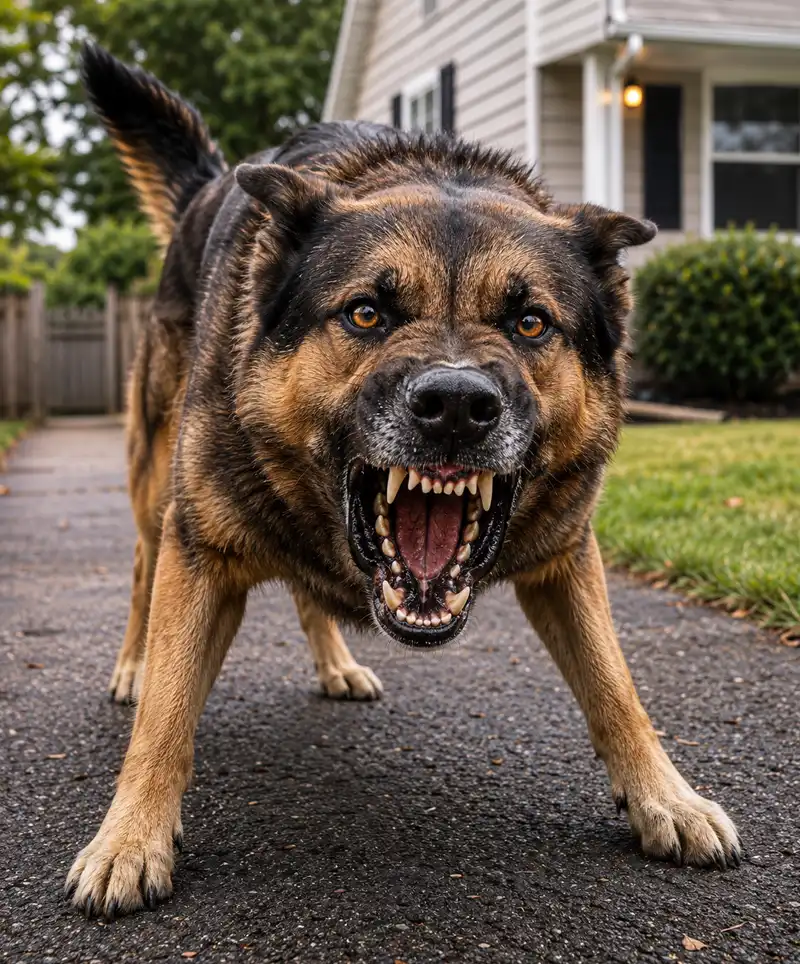
Helping Humans Avoid Making Questionable Decisions Around Dogs
National Dog Bite Prevention Week is observed annually during the second full week of April and serves as an important reminder that understanding canine behavior can help keep both people and dogs safe. Sponsored by veterinary organizations, animal welfare groups, and pet advocates, the observance focuses on educating the public about responsible dog ownership and safe interactions with dogs of all breeds and sizes.
Dogs have earned their reputation as loyal companions, trusted protectors, and enthusiastic experts in the field of stealing unattended sandwiches. Yet even the friendliest dog can bite under certain circumstances. National Dog Bite Prevention Week encourages people to learn why bites occur and how simple precautions can prevent injuries while strengthening the bond between humans and their canine companions.
The week is not about creating fear of dogs. Instead, it promotes awareness, education, and responsible pet care so that dogs and people can continue living happily together without unexpected visits to the emergency room or awkward explanations involving a mail carrier.
What Is National Dog Bite Prevention Week?
National Dog Bite Prevention Week is an annual public awareness campaign dedicated to promoting safe interactions between people and dogs. Observed during the second full week of April, the event encourages dog owners, families, educators, veterinarians, and animal welfare organizations to share information about canine behavior and responsible pet ownership. The goal is not to make people afraid of dogs but to help them better understand how dogs communicate and why bites sometimes occur.
One of the central messages of National Dog Bite Prevention Week is that most dog bites are preventable. Dogs rarely bite without warning. They often display signs of discomfort, fear, anxiety, or stress long before a situation escalates. Learning to recognize body language such as growling, baring teeth, stiff posture, pinned ears, or avoidance behaviors can help people respond appropriately and avoid potential problems. Understanding these signals allows humans to respect a dog's boundaries before the dog feels compelled to make its opinion known more forcefully.
The observance also highlights the importance of responsible dog ownership. Proper training, socialization, regular veterinary care, and adequate exercise all contribute to a dog's overall well-being and behavior. Dogs that are well cared for and properly supervised are generally less likely to become involved in situations that could lead to aggression or defensive reactions.
Special attention is often given to educating children because they are among the most common victims of dog bite injuries. Young children may not recognize warning signs and sometimes approach dogs in ways that make the animal uncomfortable. Teaching children how to interact respectfully with dogs, when to leave a dog alone, and how to ask permission before petting an unfamiliar dog can significantly reduce the risk of accidents.
National Dog Bite Prevention Week ultimately serves as a reminder that successful relationships between humans and dogs depend on mutual understanding. Dogs have been our companions for thousands of years, but they still communicate primarily through body language rather than spoken words. Since most dogs have not yet mastered the phrase, "Please stop hugging me while I am trying to sleep," it falls to us to learn what they are trying to say. A little knowledge can go a long way toward keeping both people and dogs safe, happy, and out of situations that end with awkward conversations in an emergency room waiting area.
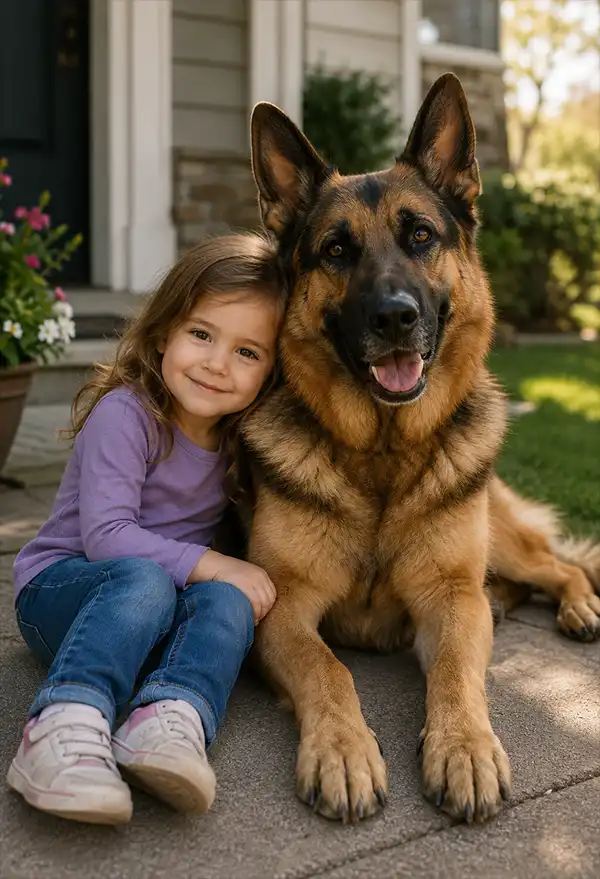
The History of National Dog Bite Prevention Week
National Dog Bite Prevention Week was established through the efforts of veterinary and animal welfare organizations seeking to reduce preventable injuries caused by dog bites. Over the years, veterinarians, trainers, animal shelters, and public health officials have used the observance to educate communities about responsible dog ownership and safe behavior around animals.
The campaign gained support as research demonstrated that many dog bites occur in familiar settings. Contrary to popular belief, bites are often not caused by stray dogs lurking in dark alleys waiting for dramatic movie music. Instead, many incidents involve family pets or dogs known to the victim. Misunderstanding a dog's signals, startling an animal, or interrupting it while eating, sleeping, or caring for puppies can sometimes trigger defensive behavior.
As awareness increased, educational programs began focusing on prevention rather than fear. The message remains consistent today: understanding canine behavior is one of the most effective ways to reduce dog bite incidents.
Why Dog Bite Prevention Matters
Dog bite prevention matters because it protects both people and dogs from injuries, stress, and consequences that can often be avoided through education and responsible behavior. Millions of households share their lives with dogs, and the vast majority of those relationships are positive. Dogs serve as companions, working animals, service animals, protectors, and beloved family members. However, when misunderstandings occur between humans and dogs, the results can sometimes be painful for everyone involved.
Children are particularly vulnerable to dog bite injuries because they may not recognize the warning signs that adults often overlook. A child may see a dog as a furry friend eager for attention, while the dog may be feeling frightened, startled, protective, or simply overwhelmed. Teaching children how to approach dogs respectfully, avoid disturbing them during meals or naps, and recognize signs of discomfort can dramatically reduce the risk of bites. In many cases, a few minutes of education can prevent an accident that could have lifelong consequences.
Dog bite prevention is also important because bites can affect the future of the dog involved. Even when a bite occurs because a dog was frightened or provoked, the animal may face restrictions, legal consequences, or even removal from its home. Responsible ownership, proper training, and careful supervision help reduce situations where dogs feel the need to react defensively. Protecting people and protecting dogs often go hand in hand.
Another reason prevention matters is that many dog bites occur in familiar settings rather than during encounters with unknown animals. People are often surprised to learn that bites frequently involve family pets, friends' dogs, or animals the victim already knows. Familiarity can sometimes lead people to ignore warning signals or assume a dog will tolerate behavior that makes it uncomfortable. National Dog Bite Prevention Week encourages everyone to remember that even the friendliest dog has limits and deserves respect.
Perhaps most importantly, dog bite prevention strengthens the bond between humans and dogs. When people understand canine body language and dogs are treated with patience and respect, interactions become safer and more enjoyable. Dogs would much rather spend their time chasing tennis balls, guarding the house from suspicious squirrels, and convincing their owners that they have never been fed before in their entire lives. By learning how to prevent bites, we help ensure that our relationships with these loyal companions remain built on trust, safety, and plenty of tail wagging.
How to Observe National Dog Bite Prevention Week
National Dog Bite Prevention Week is an excellent opportunity to learn more about canine behavior and responsible pet care. Reading educational materials, attending community events, speaking with veterinarians, or working with professional trainers can improve understanding of dog communication and safety.
Families can use the week to teach children how to approach dogs respectfully. Learning not to disturb dogs while they are eating, sleeping, or caring for puppies can prevent many unfortunate encounters. Adults can also review household routines to ensure pets receive proper exercise, training, and socialization.
Of course, spending quality time with your dog is perfectly acceptable as well. Most dogs fully support educational efforts, especially when those efforts involve treats, belly rubs, and lengthy discussions about who is a good boy.
Fun Facts About Dog Bite Prevention
Dogs communicate largely through body language, and many warning signs appear long before a bite occurs. A wagging tail does not always mean a dog is happy, and a quiet dog is not necessarily a relaxed dog. Veterinary experts often emphasize that understanding canine signals is one of the most effective forms of bite prevention.
Research shows that many dog bites occur in familiar environments rather than during encounters with unknown animals. Children are among the most common victims, which is why education programs often focus on teaching safe interactions from an early age.
Dogs have shared their lives with humans for thousands of years, developing strong bonds and remarkable communication skills. Unfortunately, they have not yet mastered the ability to calmly say, "Please stop hugging me while I'm trying to nap," so learning to read their signals remains important.
National Dog Bite Prevention Week FAQ
Dogs have been living alongside humans for thousands of years, yet there are still many misconceptions about why dogs bite and how those incidents can be prevented. National Dog Bite Prevention Week encourages people to learn more about canine behavior, responsible pet ownership, and safe interactions with dogs of all breeds and sizes. These frequently asked questions provide helpful information about the observance and offer practical insights that can help keep both people and dogs safe. After all, it's much easier to learn about dog bite prevention from an article than from a dog that feels strongly about protecting its chew toy.
Why do dogs bite?
Dogs may bite when they feel threatened, frightened, injured, startled, stressed, or protective of resources, territory, or family members.
Are certain dog breeds more likely to bite?
Any dog can bite under the right circumstances. Responsible ownership, training, socialization, and understanding canine behavior are more important factors than breed alone.
How can children stay safe around dogs?
Children should always be supervised around dogs and taught to approach animals calmly and respectfully while recognizing signs that a dog wants to be left alone.
What is the purpose of National Dog Bite Prevention Week?
The observance promotes education and awareness to help prevent dog bites while encouraging safe and responsible interactions between people and dogs.
A Better Understanding Creates Safer Friendships
National Dog Bite Prevention Week reminds us that the relationship between humans and dogs is one of the oldest and most successful partnerships in history. For thousands of years, dogs have worked beside us, protected our homes, assisted with hunting and herding, provided companionship, and become cherished members of our families. That remarkable bond continues today, but like any good relationship, it works best when both sides understand one another.
Many dog bite incidents occur not because a dog is aggressive, but because communication breaks down. Dogs communicate through body language, posture, facial expressions, and vocalizations rather than spoken words. When people learn to recognize signs of fear, stress, discomfort, or anxiety, they are far more likely to avoid situations that could lead to a bite. Understanding what a dog is trying to communicate helps create safer and more positive interactions for everyone involved.
Education plays a major role in prevention. Teaching children how to approach dogs respectfully, supervising interactions between pets and young family members, and ensuring dogs receive proper training and socialization can significantly reduce the risk of accidents. Responsible ownership also means recognizing that even the friendliest dog has limits and deserves space, patience, and understanding when needed.
The benefits of prevention extend beyond human safety. Dogs that avoid bite incidents are less likely to face restrictions, legal consequences, or separation from their families. By creating environments where dogs feel secure and people understand canine behavior, communities can help protect both pets and their owners. It is a simple idea, but an important one: preventing bites often begins long before a dog ever feels the need to use its teeth.
Ultimately, National Dog Bite Prevention Week celebrates the idea that knowledge creates stronger relationships. The more we understand our canine companions, the safer and happier those relationships become. Most dogs would much rather spend their day playing fetch, chasing squirrels, begging for snacks they absolutely do not need, and convincing everyone that they have never been fed before. A little education helps ensure that dogs and humans can continue enjoying their friendship for many years to come—without anyone learning about dog bite prevention the hard way.