Mark The Days - August

August is the month that rolls in like July’s lazy younger cousin who refuses to put on pants because it’s just too hot. It’s when the sun turns every car seat into a frying pan, and even the mosquitoes look tired of their own nonsense. August is all about squeezing the last drops of summer fun before someone starts whispering “pumpkin spice” and ruining everything. Whether you’re celebrating watermelons, friendship, or just surviving another afternoon without melting into the driveway, August offers a buffet of quirky holidays that remind us to relax… or at least find some shade and a cold drink.

- Details
There’s something oddly satisfying about watching a dust bunny flee in terror as you wield your mighty mop like a warrior’s sword. You start out with the best intentions, but soon you’re slipping around like a novice ice skater, desperately clinging to the countertop for balance. And let’s not forget the classic move where you clean one spot only to realize the cat just walked through with muddy paws, leaving a trail of tiny footprints like a crime scene. It’s a never-ending battle of man versus mess, but hey, at least it’s a good workout!
Celebrated: Annually, on August 3rd
Discover the history, techniques, and humour of floor cleaning on Clean Your Floors Day, a celebration of spills, scrubs, and shine. Embrace the journey of keeping floors sparkling.

- Details
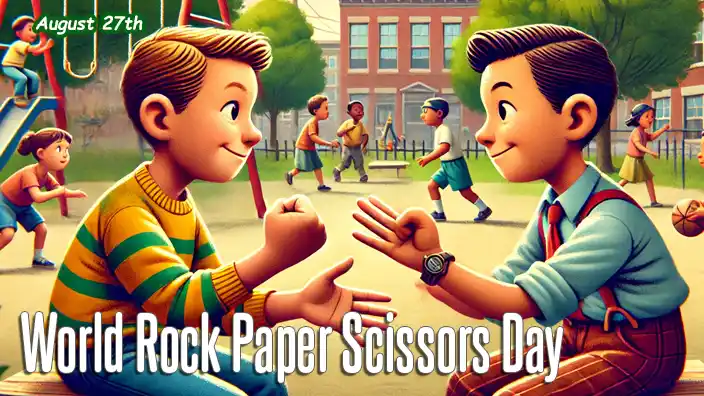
Rock, Paper, Scissors is the ultimate showdown of wits, reflexes, and sheer luck—a game where your opponent’s next move is as unpredictable as your Wi-Fi connection during a Zoom call. It’s the one game where a simple piece of paper can beat a solid rock, which, when you think about it, is kind of like bringing a spreadsheet to a boxing match and still walking away with the trophy. And let’s not forget the mind games—nothing beats the thrill of trying to outthink your opponent, only to realize you’ve both thrown rock three times in a row, making you wonder if you’re playing Rock, Paper, Scissors or synchronized hand gestures.
Celebrated: Annually, on August 27th
Discover the global impact of Rock, Paper, Scissors - a game that transcends cultures and generations, offering a universal language for settling disputes and making decisions.

- Details
The Navajo Code Talkers were the ultimate communicators who turned the complexities of their native language into an unbreakable wartime code. Imagine trying to make sense of "turtle" meaning tank or "buzzard" for bomber—good luck, Axis powers! These brave Marines were heroes, handling radios and battlefield chaos with the calm precision of someone ordering lunch at a drive-thru. Instead of burgers, they were serving up top-secret military strategies that helped secure victory. Their ability to stay cool under pressure and keep everyone guessing makes them some of the most respected—and dare we say, cleverest—heroes in history.
Celebrated: Annually, on August 14th
Discover the inspiring story of the Navajo Code Talkers, Native American Marines who played a crucial role in World War II. Learn about their bravery, ingenuity, and unbreakable code.


- Details
Imagine you're a sea serpent, the ultimate hide-and-seek champion of the ocean. You've spent centuries perfecting the art of lurking just out of sight, popping up occasionally to scare the scales off a sailor or two. You have the perfect spot in the deep, dark abyss where you can snooze without anyone bothering you. But now and then, you get the urge to stretch your coils and terrify some poor fishermen. As you rise to the surface, you catch their wide-eyed expressions, and you can’t help but chuckle. After all, being a mythical monster isn't just a job—it's a hobby!
Celebrated: Annually, on August 7th
Discover the deep-rooted fascination with sea serpents on National Sea Serpent Day. Explore the lore, sightings, and scientific theories surrounding these elusive creatures. Dive into the mysteries of the deep seas!


- Details
Elvis Presley wasn’t just the King of Rock ‘n’ Roll; he was the king of turning every situation into an event. Whether he was swiveling his hips on stage or ordering peanut butter and banana sandwiches at 3 AM, Elvis did everything with a flair that made it unforgettable. He even made sequined jumpsuits look like the height of fashion—something only a true icon could pull off. And let's be honest, anyone who can make a rhinestone-encrusted cape seem like a perfectly reasonable addition to a wardrobe is operating on a level of cool that’s out of this world.
Celebrated: Annually, on August 16th
Learn about the life and legacy of the King of Rock ‘n’ Roll, Elvis Presley, on his memorial day. Celebrate his music, impact, and cultural revolution that still resonates today.

- Details
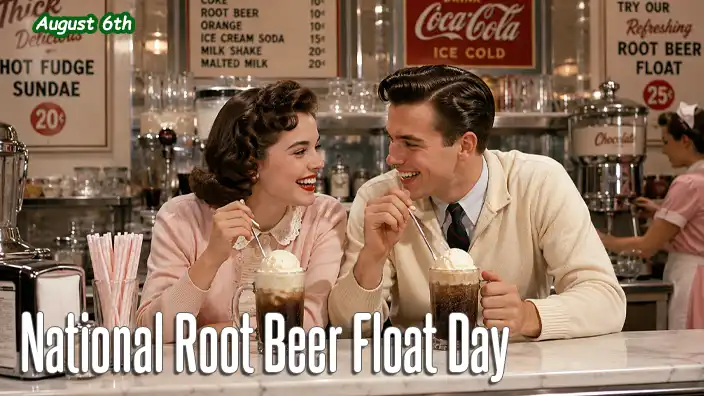
Some inventions change the world. Others put ice cream in soda and make people incredibly happy. National Root Beer Float Day celebrates the magical moment when fizzy root beer meets creamy vanilla ice cream and immediately tries to escape the glass in a bubbling foam uprising. It is a dessert, a drink, and a delicious engineering challenge all rolled into one frosty American classic.
Celebrated: Annually, on August 6th
Learn about the history of the root beer float, fun facts, classic recipes, and the story behind this frothy favorite

- Details
The Coast Guard is like the Swiss Army knife of the sea: versatile, reliable, and always ready for action. They handle everything from rescuing lost sailors and pursuing smugglers to ensuring our maritime environment remains pristine. Think of them as the ultimate lifeguards but with way cooler gear and a helicopter for good measure. And while they might not have the dramatic flair of Hollywood blockbusters, their real-life heroics are the stuff of legends, minus the special effects and slow-motion explosions. So, here's to the Coast Guard—protecting our waters and proving every day that they can handle anything the ocean throws at them, all with a smile and a Semper Paratus attitude.
Celebrated: Annually, on August 4th
Discover the multifaceted roles of the U.S. Coast Guard, from maritime law enforcement to heroic rescues, celebrated annually on National Coast Guard Day.


- Details
Skyscrapers are like the overachievers of the architectural world—they’re not content with just standing tall; they have to soar above everyone else, flaunting their height like a peacock with steel feathers. It’s as if they’re saying, “Look at me. I’m so high up even the clouds have to squint!” Meanwhile, down on the street, we mere mortals try to take a picture that fits the whole building into the frame, only to end up with a shot of our foreheads and a tiny bit of sky. Skyscrapers: making us feel small, one neck cramp at a time.
Celebrated: Annually, on August 10th
Explore the history and allure of skyscrapers, from the ancient ziggurats to modern marvels like the Burj Khalifa. Discover the challenges and cultural impact of these towering structures.

- Details
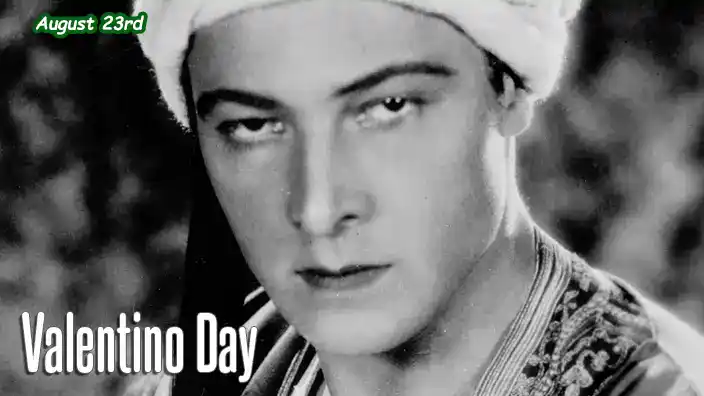
With a gaze that could melt ice and a mustache so perfectly groomed it might have had its own stylist, the original heartthrob of Hollywood didn’t just steal hearts—he practically set them on fire. His smoldering looks and silent intensity made women swoon, men sulk, and Hollywood gossip columns work overtime. Whether he was brooding on screen or battling with journalists in real life (yes, he actually challenged one to a boxing match), his life was the kind of drama that silent films could only dream of capturing. But even in a world of black-and-white, this man lived in full, fiery color.
Celebrated: Annually, on August 23rd
Explore the life and legacy of Rudolf Valentino, Hollywood's original heartthrob of the silent film era. Discover his journey to stardom and the enduring mystique surrounding his persona.


- Details
Capturing the perfect moment often feels like trying to herd cats—no matter how much you prepare, something always manages to move, blink, or photobomb at just the wrong second. And then there’s the endless quest for good lighting, which usually results in standing in the most awkward positions possible, all while pretending it’s completely natural to lie flat on the ground or dangle halfway out a window. But when you finally get that shot—the one where everyone’s eyes are open, the lighting is just right, and no one’s doing anything embarrassing—it’s all worth it… until someone asks, “Can you take just one more, but this time, can you make me look taller?”
Celebrated: Annually, on August 19th
Discover the magic of capturing moments through photography on World Photography Day, from the evolution of the selfie to tips for better photos.

- Details
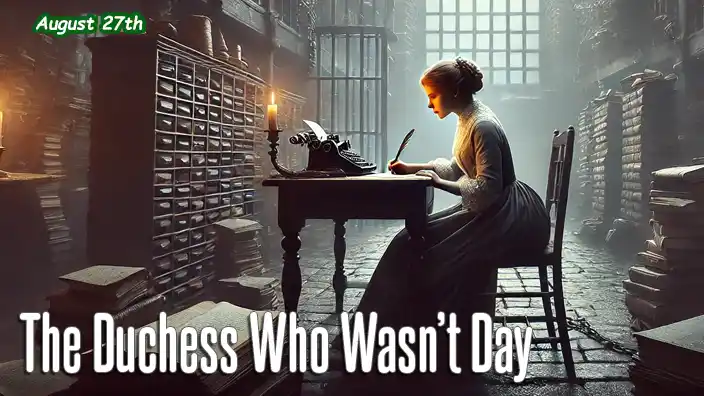
It's almost mind-boggling to think about how our ancestors, in all their "wisdom," decided that half of the population should be confined to the kitchen and the nursery, rather than, say, helping to invent the lightbulb or write great literature. Imagine the sheer arrogance it took to believe that women couldn't possibly handle voting or owning property, but were perfectly capable of juggling a household, raising a dozen kids, and managing to cook a three-course meal—all while in a corset. It’s as if they thought multitasking was only for knitting and not for, you know, running the world. Looking back, it’s clear that keeping women down wasn’t just unfair—it was a monumental lapse in judgment that deprived society of half its genius for far too long.
Celebrated: Annually, on August 27th
Explore the life of Margaret Wolfe Hungerford, a talented writer who defied societal norms of her time. Discover her struggles and triumphs in a restrictive era.

- Details
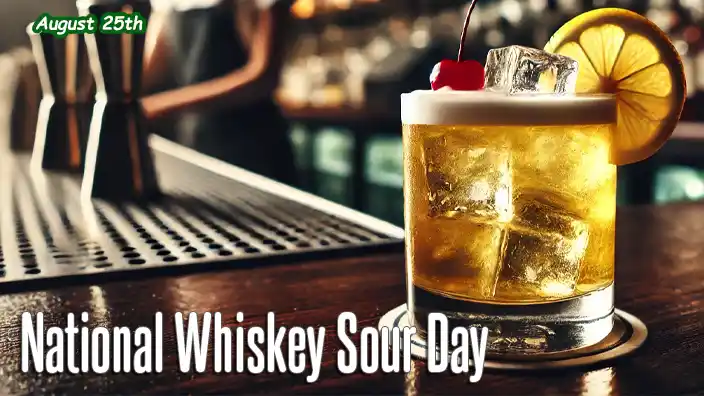
When it comes to cocktails, the Whiskey Sour is like the friend who shows up to the party in a perfectly tailored suit but secretly has a stash of confetti in their pocket. It’s got all the class of a well-dressed gentleman, with the smooth, rich notes of whiskey, but it’s also just sour enough to keep you on your toes. The drink doesn’t just quench your thirst—it keeps you guessing, like that one friend who tells you they’re "just going to have one drink" and ends up leading the conga line by midnight.
Celebrated: Annually, on August 25th
Celebrate National Whiskey Sour Day with the classic cocktail that perfectly balances lemon juice, sugar, and whiskey. Discover the origins and science behind this iconic drink.


- Details
They might be the only creatures that can make a shadow look lazy. These sleek, mysterious felines have mastered the art of sneaking up on you in broad daylight, only to sit there with an expression that says, “I’ve been here the whole time.” While some folks might still cling to superstitions about bad luck, anyone who's ever owned a black cat knows the truth: the only thing unlucky is trying to find them in a dark room. They’re like furry ninjas, appearing out of nowhere when you least expect it, usually when you’re holding something fragile.
Celebrated: Annually, on August 17th
Discover the fascinating history and cultural significance of black cats, from ancient Egypt to modern myths. Explore how these mysterious felines have been revered and feared throughout the ages.


- Details
National Social Security Day may not inspire parades, marching bands, or discount hot dogs, but it does celebrate something millions of Americans appreciate deeply: the comforting possibility of retirement that doesn’t involve living exclusively on canned beans and optimism. Every August 14, we tip our hats to the system that has helped generations navigate aging with a little more dignity and a little less financial panic. It may not be flashy, but Social Security is proof that sometimes the real hero wears sensible shoes, carries paperwork, and arrives once a month.
Celebrated: Annually, on August 14th
National Social Security Day honors the Social Security Act, its history, benefits, and lasting impact on American financial security


- Details
Mountain Day is that one day where we all collectively decide that "because it's there" is the best possible reason to tackle an enormous pile of rocks. It’s the kind of day where you convince yourself that the view from the top will be worth every grueling step, every mosquito bite, and every existential crisis halfway up the trail. By the time you reach the summit, you’re either in awe of nature’s majesty or questioning all your life choices—particularly the decision not to take the cable car. But hey, nothing says accomplishment like standing on top of a mountain, panting like a dog, and realizing you still have to make it all the way back down.
Celebrated: Annually, on August 11th
Discover the awe-inspiring world of mountains on Mountain Day, a celebration of nature's grandeur and Japan's majestic landscapes. Join in the appreciation of these colossal formations and their deep cultural significance.


- Details
If dogs ran civilization, National Spoil Your Dog Day would likely be a federal holiday complete with steak dinners, unlimited belly rubs, tennis ball stimulus packages, and mandatory couch privileges. Since our four-legged companions already believe the world revolves around them—and frankly, they may not be wrong—this delightful observance gives devoted dog owners an official excuse to heap even more love, treats, toys, and ridiculous affection upon their furry best friends.
Celebrated: Annually, on August 10th
Discover the meaning of National Spoil Your Dog Day, its origins, and hilarious ways to pamper your dog with treats, toys, and affection.

- Details
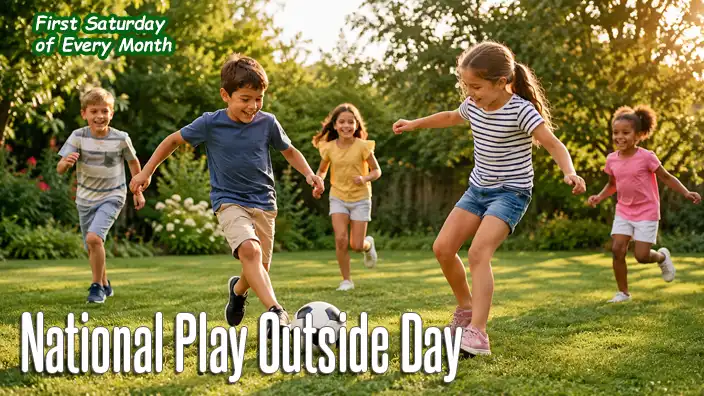
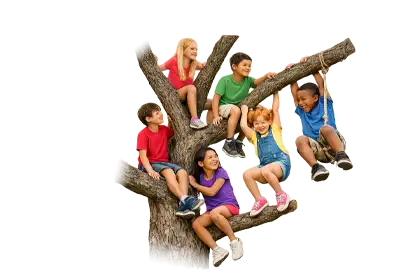
Remember when "logging in" meant climbing onto your favorite tree branch, your social network lived three houses down, and the only notification you cared about was your mom calling you home for dinner? National Play Outside Day is a monthly invitation to swap screens for sunshine, replace Wi-Fi with wildlife, and discover that the greatest adventures still begin by opening the front door.
Celebrated: Annually, on the First Saturday of Every Month
Celebrate National Play Outside Day on the first Saturday of every month with fun outdoor activities, family adventures, fresh air, and memories that last a lifetime

- Details
Farmworkers are the real-life superheroes of the agricultural world. Armed with hoes instead of capes and tractors instead of Batmobiles, they tackle the daily challenges of farming with a blend of grit and humor. Picture this: one farmworker asks another, "Why did the scarecrow become a successful farmer?" The other replies, "Because he was outstanding in his field!" Amidst the mud-splattered boots and sunburned noses, you'll find a camaraderie that’s tighter than a tractor’s lug nuts, proving that even in the toughest conditions, a good laugh is the best fertilizer for the soul.
Celebrated: Annually, on August 6th
Celebrate Farmworker Appreciation Day by acknowledging the vital role of unsung heroes in agriculture. Explore their hard work, challenges, and cultural significance with a touch of humor.

From Our Marks Catelog
-
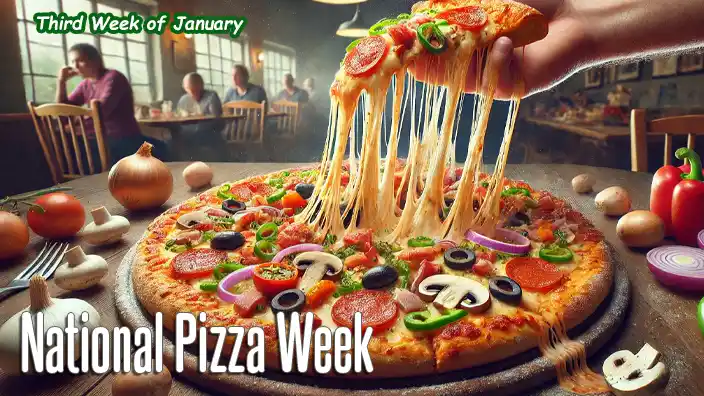
Pizza is the ultimate customizable dish. It caters to all, from the staunch meat-lover who wants...
-

Your toes don't ask for much. They spend their days squeezed into shoes, dodging coffee tables,...
-

You’re trying to relax after a long day, but your dog has decided that now is the perfect time to...
-
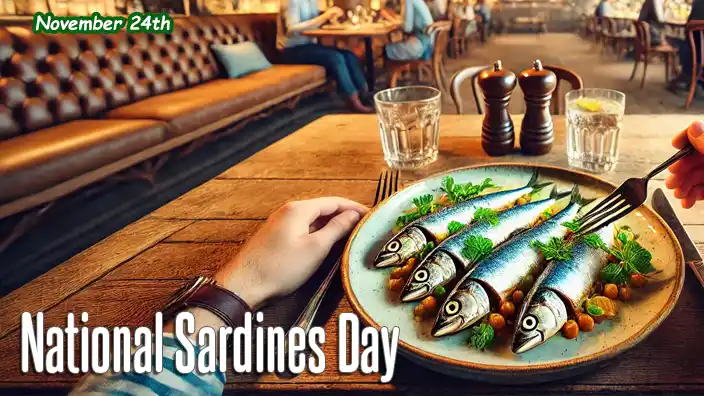
Tiny, shiny, and unapologetically bold, these little fish have a knack for stealing the show at...
-
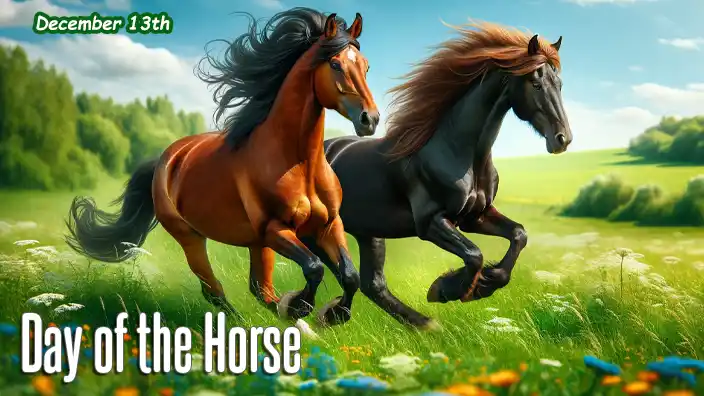
Horses are the comedians of the animal world, even if they don’t realize it. From sneaky maneuvers...
-
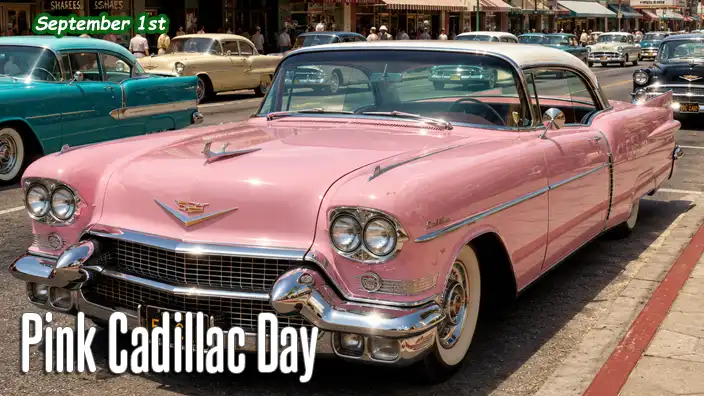
Some cars are built to get you from point A to point B. The Pink Cadillac was built to make sure...

