Celebrating Hope After Loss
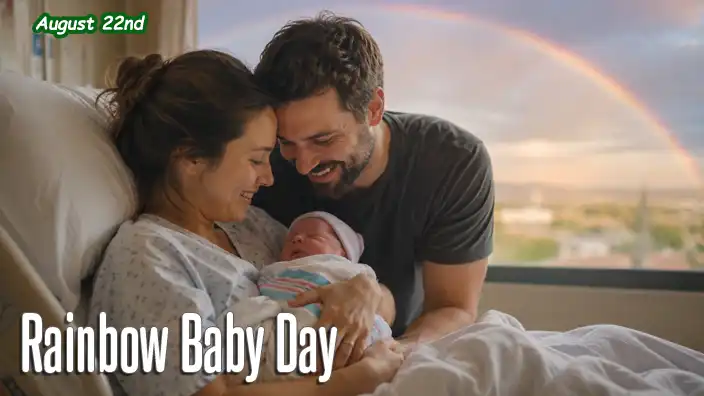
Rainbow Baby Day is a compassionate observance that recognizes the hope, healing, and love experienced by families who welcome a child after the loss of a previous pregnancy or infant. While the arrival of a rainbow baby brings tremendous joy, it also carries memories of the child who came before, making this a day that honors both new beginnings and cherished remembrance.
Rainbow Baby Day encourages understanding, kindness, and open conversations about pregnancy and infant loss. It reminds us that grief and happiness can exist together, and that every family's journey is unique. By raising awareness and offering support, the day helps ensure that no parent feels they must walk that path alone.
What is Rainbow Baby Day?
Rainbow Baby Day, observed each year on August 22, is a heartfelt occasion that honors children born after the loss of a previous pregnancy or infant. The term "rainbow baby" symbolizes hope after a storm, representing the joy that can follow the heartbreak of miscarriage, stillbirth, ectopic pregnancy, neonatal loss, or infant death. While no child replaces the one who was lost, a rainbow baby reminds families that healing and hope can exist alongside grief.
For many parents, Rainbow Baby Day is both a celebration and a day of remembrance. It recognizes the emotional journey of families who have experienced pregnancy or infant loss before welcoming another child. The observance also encourages greater understanding of the complex emotions parents may experience, including happiness, anxiety, gratitude, and lingering sadness.
The rainbow has long been used as a symbol of hope following difficult times. In this context, the image represents the beauty that can appear after life's darkest storms. The phrase "rainbow baby" became widely used in the early 2000s through pregnancy support groups, bereavement organizations, and online communities, eventually gaining international recognition among healthcare professionals and families alike.
Pregnancy loss is more common than many people realize. Millions of families around the world experience miscarriage, stillbirth, or the loss of an infant each year. Because these losses are often deeply personal, many parents suffer in silence. Rainbow Baby Day helps open conversations about grief while reassuring families that they are not alone.
Expecting a rainbow baby often brings mixed emotions. Parents may feel excitement about the future while simultaneously carrying understandable fears rooted in their previous experience. Healthcare providers increasingly recognize the importance of offering additional emotional support throughout these pregnancies, acknowledging that each milestone can bring both hope and anxiety.
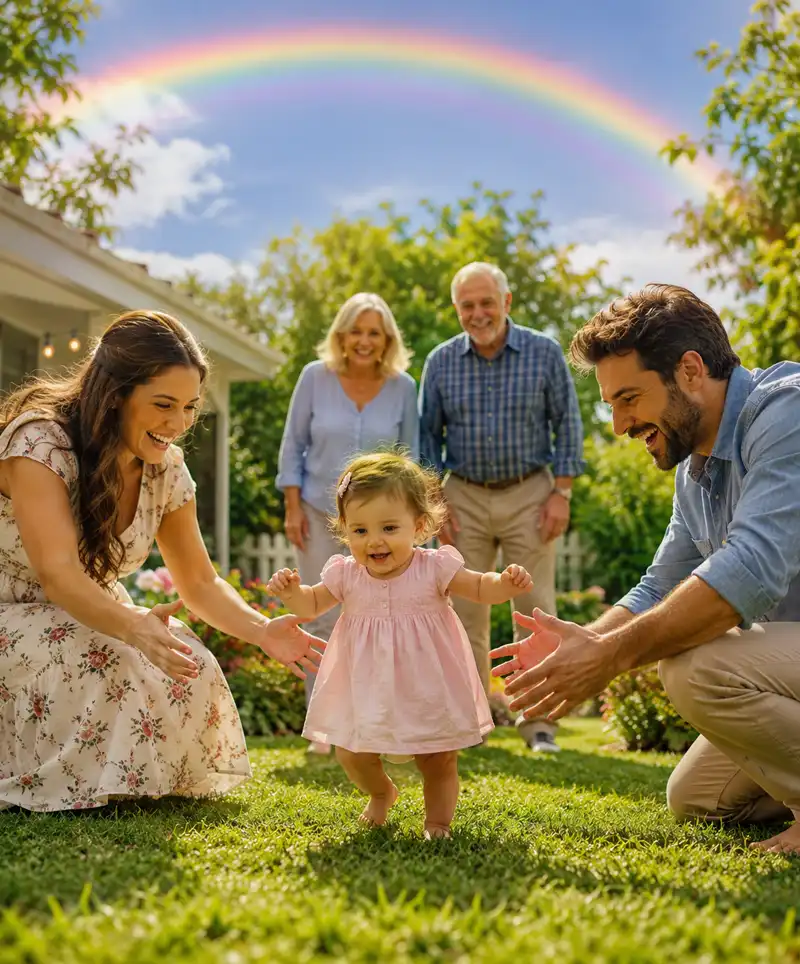
For siblings and extended family members, the arrival of a rainbow baby can also be a powerful moment. It provides an opportunity to celebrate new life while continuing to remember the child who came before. Many families find comfort in honoring both children, recognizing that love is never divided but simply grows to include everyone.
Ways to Observe Rainbow Baby Day
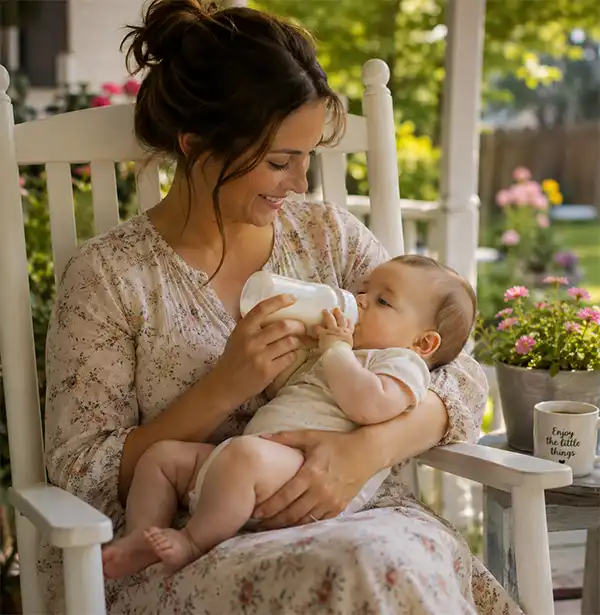
There is no single "right" way to observe Rainbow Baby Day. Every family's experience with pregnancy or infant loss is deeply personal, and each journey through grief and healing is unique. For some, the day is an opportunity to celebrate the joy a rainbow baby has brought into their lives. For others, it is a quiet time for reflection, remembrance, and honoring the child who will always hold a special place in their hearts.
Whether the day is marked with a family gathering, a simple moment of silence, or an act of kindness in memory of a loved one, the goal is the same—to acknowledge both the pain of loss and the hope that followed. Rainbow Baby Day also encourages friends, relatives, and communities to offer understanding and compassion, helping families feel supported as they celebrate new life while remembering those they have lost.
- Celebrate the arrival of a rainbow baby with family and close friends.
- Light a candle in memory of a child who was lost.
- Plant a tree or flowers as a living tribute.
- Create a scrapbook or memory box that honors both children.
- Share a personal story to help reduce the stigma surrounding pregnancy and infant loss.
- Support organizations that provide counseling and bereavement services.
- Offer compassion and understanding to families who are navigating grief.
Sometimes the most meaningful gesture is simply listening. Parents who have experienced loss often appreciate having their child's memory acknowledged with kindness and sensitivity.
Interesting Facts About Rainbow Baby Day
Although Rainbow Baby Day is a relatively modern observance, the ideas behind it are timeless. The day shines a light on the emotional journey experienced by countless families around the world while helping to raise awareness of pregnancy and infant loss. These interesting facts offer additional insight into the meaning of the term "rainbow baby," the symbolism behind the observance, and why this compassionate day continues to resonate with so many parents and their loved ones.
- Rainbow Baby Day is observed each year on August 22.
- A "rainbow baby" is a child born after the loss of a previous pregnancy or infant.
- The rainbow symbolizes hope and renewal after a storm.
- The observance has gained international recognition through support groups and healthcare organizations.
- Pregnancy after loss often involves both joy and increased emotional stress.
- Many hospitals now offer specialized care for parents expecting a rainbow baby.
- Families frequently commemorate both the child they lost and the child they welcomed.
- The day promotes awareness, compassion, and emotional support for grieving families.
Why Rainbow Baby Day Matters
Rainbow Baby Day matters because it gives a voice to an experience that has often been surrounded by silence. Pregnancy and infant loss affect millions of families each year, yet many parents struggle to talk openly about their grief. Feelings of sadness, guilt, anxiety, and isolation are common, especially when those around them are unsure of what to say or mistakenly believe they should simply "move on." By recognizing this observance, we acknowledge that these losses are real, that every child is deeply loved, and that every family's journey deserves compassion and understanding.
The day also reminds us that welcoming a rainbow baby does not erase the pain of a previous loss. Parents often carry a mixture of emotions throughout a subsequent pregnancy and after their child's birth. Joy, hope, gratitude, fear, and remembrance can all exist together, and Rainbow Baby Day validates those feelings. It encourages healthcare providers, family members, and friends to offer patience, empathy, and meaningful support during what can be an emotionally complex time.
Beyond individual families, Rainbow Baby Day helps raise public awareness about miscarriage, stillbirth, neonatal loss, and infant loss. Increased awareness can lead to better emotional support, improved healthcare resources, and more open conversations that reduce stigma. As more people understand the challenges grieving parents face, communities become better equipped to provide comfort and encouragement when it is needed most.
Perhaps most importantly, Rainbow Baby Day celebrates resilience without diminishing remembrance. It recognizes that hope can return after heartbreak, while honoring the memory of the children who will always remain part of their families. In doing so, the observance offers reassurance that healing is not about forgetting the past, but about finding the strength to embrace the future while carrying love for every child, both remembered and present, in one's heart.

Rainbow Baby Day Frequently Asked Questions
Rainbow Baby Day often raises thoughtful questions from parents, family members, friends, and anyone wishing to better understand the observance. The following frequently asked questions explain the meaning behind the day, the term "rainbow baby," and how people can offer meaningful support to families who have experienced pregnancy or infant loss while celebrating the hope that follows.
What is a rainbow baby?
A rainbow baby is a child born after the loss of a previous pregnancy or infant through miscarriage, stillbirth, neonatal loss, or infant death.
When is Rainbow Baby Day celebrated?
Rainbow Baby Day is observed annually on August 22.
Why is a rainbow used as the symbol?
A rainbow traditionally represents hope after a storm, symbolizing healing and new beginnings following a period of grief.
Does a rainbow baby replace the child who was lost?
No. Families widely agree that a rainbow baby is not a replacement. Each child holds a unique and cherished place in the family's heart.
How can someone support parents of a rainbow baby?
Listening without judgment, acknowledging their previous loss, offering practical help, and remembering that grief and happiness can exist together are all meaningful ways to provide support.
A Future Filled With Hope
Rainbow Baby Day reminds us that even after life's most profound heartbreaks, hope can find a way to shine through. For parents who have experienced the loss of a pregnancy or infant, the arrival of a rainbow baby is often the beginning of a new chapter—one filled with love, gratitude, and cautious optimism. While the pain of loss may never completely disappear, many families discover that healing is possible without letting go of the cherished memories of the child they lost.
The observance also serves as an invitation for society to become more compassionate and understanding. By encouraging open conversations about pregnancy and infant loss, Rainbow Baby Day helps remove the stigma that has too often surrounded these deeply personal experiences. Every act of kindness, every listening ear, and every acknowledgment of a family's journey can make an enormous difference to someone navigating grief while embracing hope.
For healthcare professionals, support organizations, and communities, the day highlights the importance of providing emotional care alongside medical care. Families who have experienced loss often benefit from reassurance, counseling, and the knowledge that they are not facing their journey alone. Increased awareness can lead to better resources, stronger support networks, and greater understanding for parents during both pregnancy after loss and the years that follow.
Above all, Rainbow Baby Day celebrates the remarkable resilience of the human spirit. It honors the children who will always be remembered, while embracing those who bring new hope into their families' lives. The rainbow is not a symbol of forgetting the storm—it is a reminder that beauty can emerge because the storm has passed. By observing Rainbow Baby Day with compassion, remembrance, and hope, we affirm that every child's life has meaning and that every family's story deserves to be heard with understanding, respect, and love.