October 12, 1986, in Los Angeles, California
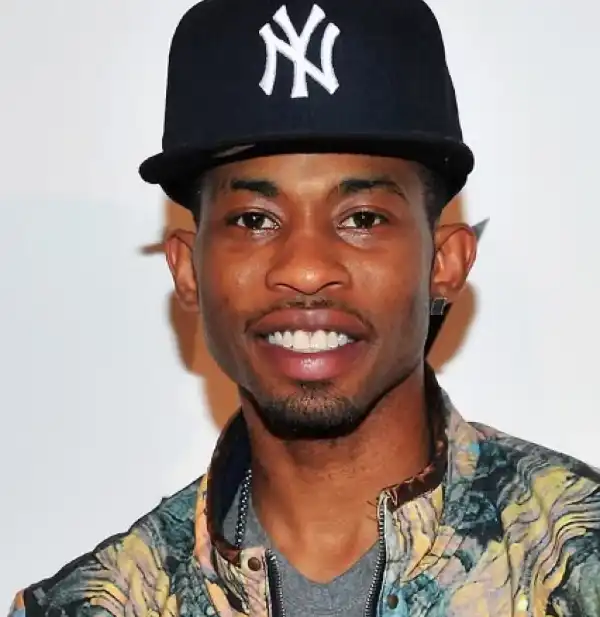
Marcus Terrell Paulk was born on October 12, 1986, in Los Angeles, California, and became a familiar face to American television audiences through his portrayal of Myles Mitchell on the popular sitcom Moesha. An actor, dancer, rapper, and occasional producer, Paulk began entertaining audiences as a small child and developed a career encompassing television comedy, feature films, voice acting, and music. His performances in Roll Bounce, Take the Lead, Another Cinderella Story, and Red Tails demonstrated that his abilities extended beyond the wisecracking younger brother who first made him famous. Although millions of viewers remember him as the mischievous Myles, Paulk's professional journey has included everything from roller-skating competitions to military aviation dramas. Not bad for someone whose earliest claim to fame involved interrupting his television sister at precisely the wrong moment.
Marcus T. Paulk grew up in Los Angeles, surrounded by the entertainment industry that would eventually become his professional home. His interest in performing appeared remarkably early, and according to his IMDb biography, he began entertaining crowds along the Venice Beach boardwalk when he was approximately three years old. Street performing provided an unusual introduction to show business, requiring confidence, enthusiasm, and the ability to capture the attention of passing strangers. His parents recognized his interest and encouraged him to pursue professional opportunities, helping him move from informal public performances into television and commercial work. For most children, a trip to the beach involves sandcastles, ice cream, and perhaps an argument about sunscreen. For young Marcus, it also provided an opportunity to develop the performance skills that would eventually carry him into American living rooms.
Paulk's early professional experience included voice work for Hammerman, the animated television series associated with rapper MC Hammer that premiered in 1991. The program followed a fictionalized version of the entertainer, whose magical dancing shoes transformed him into a superhero. Its combination of animation, music, and contemporary popular culture reflected the enormous influence of hip-hop entertainment during the early 1990s. Although Paulk was still a young child, the assignment introduced him to the demands of professional voice recording and television production. He subsequently appeared in guest roles on several popular programs, including Grace Under Fire, Thea, Martin, Me and the Boys, and The Fresh Prince of Bel-Air. These appearances allowed him to work within different comedy formats while developing his confidence in front of television cameras. They also provided valuable experience in an industry where even the youngest performers must learn dialogue, follow directions, and deliver their lines while surrounded by adults who occasionally take make-believe rather seriously.
The defining breakthrough in Marcus T. Paulk's career arrived in 1996 when he was cast as Myles Mitchell in Moesha, the UPN sitcom starring singer and actress Brandy Norwood. Created by Ralph Farquhar, Sara V. Finney, and Vida Spears, the series premiered on January 23, 1996, and followed the everyday experiences of Moesha Mitchell, a teenage girl growing up in the Leimert Park neighborhood of Los Angeles. The program explored family relationships, friendships, school, dating, and the challenges of adolescence through a combination of comedy and more serious storytelling. Brandy portrayed the intelligent and independent Moesha, while William Allen Young played her father, Frank Mitchell, and Sheryl Lee Ralph portrayed her stepmother, Dee. Paulk's Myles was Moesha's younger brother, a character whose enthusiasm for mischief frequently provided comic relief during the family's more complicated discussions.
Myles Mitchell quickly became an important part of the show's appeal. Younger than Moesha and frequently eager to involve himself in matters that did not concern him, Myles possessed the familiar qualities of a television little brother: curiosity, cheekiness, an occasional disregard for household rules, and a remarkable talent for appearing when privacy would have been preferable. Paulk portrayed the character with lively comic timing, expressive reactions, and an appealing sense of youthful confidence. His interactions with Brandy helped establish the believable sibling relationship at the center of the series, with Myles frequently teasing his older sister or becoming involved in her latest predicament. The character also provided opportunities to explore the experiences of younger children within a family undergoing significant changes. Like many younger siblings, Myles seemed convinced that being the smallest person in the household was an entirely unreasonable limitation on his authority.
Moesha became an important television series during the 1990s, particularly for its portrayal of a middle-class African American family and the experiences of a teenage girl navigating school, relationships, and personal identity. The sitcom combined familiar family comedy with discussions of subjects including peer pressure, racism, family conflict, and social expectations. Its success helped establish UPN as a destination for programs featuring Black performers and family-centered storytelling. Alongside Brandy and Paulk, the ensemble included Countess Vaughn as Kimberly Ann Parker, Shar Jackson as Niecy Jackson, Lamont Bentley as Hakeem Campbell, and Yvette Wilson as Andell Wilkerson. The characters developed a recognizable television community that audiences followed through six seasons. While Moesha's personal adventures provided the central narrative, Myles contributed an important younger perspective, reminding viewers that even serious family conversations could be interrupted by someone with a completely unrelated question.
The popularity of Moesha also reflected the growing influence of music and youth culture on television during the 1990s. Brandy was already an established recording artist, and her presence helped connect the sitcom with audiences interested in contemporary R&B, fashion, and popular entertainment. The program featured guest appearances by musicians and other recognizable personalities, while its stories frequently incorporated the language and social experiences of young people. Paulk's character participated in this environment as the younger member of a household surrounded by teenage trends and changing cultural expectations. His performances helped maintain the balance between the show's comedic elements and its more serious family themes. For viewers who grew up during the decade, Moesha became part of a familiar television landscape in which family sitcoms provided both entertainment and opportunities to discuss everyday challenges.
During its six-season run from 1996 to 2001, Moesha produced 127 episodes, with Paulk appearing throughout the series as Myles Mitchell. His work attracted recognition through several award nominations, including attention from the Young Artist Awards, YoungStar Awards, and NAACP Image Awards. These nominations acknowledged his contribution to a successful television production at a time when child performers faced considerable competition for prominent roles. Maintaining a regular character over multiple seasons required consistency, discipline, and the ability to develop alongside changing storylines. Paulk also experienced the unusual circumstances of growing up before a national television audience, with viewers watching Myles mature while the actor himself moved through childhood and adolescence. The experience provided a substantial professional foundation and established a character that remains closely associated with his name.
One of the most memorable aspects of Moesha was its ability to combine humorous family situations with dramatic developments. As the series progressed, the Mitchell family encountered increasingly complicated relationships, revelations, and personal challenges. Myles was involved in several important storylines, including events surrounding the show's unresolved conclusion. The final season ended with multiple cliffhangers, including the disappearance of Myles, leaving audiences without a complete resolution when the program was canceled in 2001. The unfinished storyline became one of the lingering questions associated with the series, particularly among longtime viewers who hoped for a continuation or reunion. Television audiences generally appreciate a satisfying ending, and discovering that a familiar character has disappeared just as the final credits arrive is hardly the ideal way to conclude six years of family entertainment.
While appearing on Moesha, Paulk continued building his film and television résumé. In 1997, he appeared in the action comedy Nothing to Lose, starring Martin Lawrence and Tim Robbins. The film follows an advertising executive whose disastrous day leads to an unlikely partnership with a would-be carjacker, creating a series of increasingly chaotic adventures. Paulk portrayed Joey Davidson, adding another feature-film credit to his growing career. That same year, he appeared in Mike Figgis's drama One Night Stand, starring Wesley Snipes, Nastassja Kinski, Kyle MacLachlan, and Robert Downey Jr. Although his roles were relatively small, these productions provided opportunities to observe established actors working in different cinematic genres. Such experience helped him develop beyond the structured environment of a weekly sitcom, where familiar sets and recurring characters provide a relatively predictable professional routine.
Paulk also appeared in Disney's television film Safety Patrol (1998), portraying Walt Whitman in a family comedy about an enthusiastic student determined to join his school's safety patrol. The production featured Leslie Nielsen, Bug Hall, and other performers in a story built around school rivalries, responsibility, and the familiar desire of children to obtain positions of authority. Paulk's participation reflected his continuing appeal within family-oriented entertainment, particularly productions featuring young casts and accessible humor. He also appeared in The Parkers, the sitcom that developed as a spin-off from Moesha and starred Countess Vaughn and Mo'Nique. His appearance provided a connection between the two programs and reinforced the shared television universe that had developed around the original series.
Following the conclusion of Moesha, Marcus T. Paulk continued working in television, including voice performances for animated productions. He contributed to Disney's The Proud Family, portraying Myron Lewinski, a character associated with the show's school environment and youthful social dynamics. The animated series, which premiered in 2001, followed Penny Proud and her family through humorous and sometimes meaningful stories about adolescence, friendship, and cultural identity. Paulk's involvement allowed him to explore character performance through voice acting rather than physical appearance, drawing upon skills he had first developed during his early childhood work. He also provided a voice for the animated series Fillmore!, another Disney production centered on the adventures of a school safety patrol. These assignments demonstrated that his comic abilities could translate effectively into animation, where personality must be communicated primarily through vocal expression.
A significant step in Paulk's transition toward more mature film roles came with Roll Bounce (2005), a coming-of-age comedy-drama directed by Malcolm D. Lee. Set in Chicago during the late 1970s, the film follows a group of teenage roller skaters whose beloved neighborhood skating rink closes, forcing them to compete at a more prestigious establishment. The movie stars Bow Wow as Xavier "X" Smith and features Chi McBride, Mike Epps, Meagan Good, Nick Cannon, and Jurnee Smollett. Paulk portrayed Boo, one of the young skaters whose friendship and enthusiasm contribute to the film's energetic atmosphere. The production combined comedy, music, friendship, and roller-skating competition while celebrating the fashions and musical culture of the disco era. For Paulk, the role provided an opportunity to demonstrate physical performance skills alongside his acting abilities. It also offered a useful reminder that roller skating looks wonderfully graceful until gravity decides to participate.
Roll Bounce became particularly memorable for its soundtrack, colorful period setting, and energetic skating sequences. The film explored themes of friendship, community, family responsibility, and the importance of preserving personal connections during times of change. Its young ensemble cast helped recreate the atmosphere of neighborhood skating culture, where music, fashion, and competition formed an important part of social life. Paulk's involvement placed him alongside several rising performers associated with contemporary music and youth entertainment. His dancing background proved valuable in a production where physical coordination and movement were essential to the storytelling. The film helped introduce him to audiences who may not have followed Moesha, demonstrating that he could contribute effectively to an ensemble feature film without relying on the familiar character of Myles Mitchell.
In 2006, Paulk appeared in Take the Lead, a dance drama starring Antonio Banderas as Pierre Dulaine, a ballroom dance instructor who introduces competitive dancing to students at a New York public school. Inspired by the real-life work of Dulaine, the film explores the relationship between traditional ballroom techniques and the contemporary dance styles favored by the students. Paulk portrayed Eddie, one of the young people involved in the program, appearing alongside performers including Rob Brown, Yaya DaCosta, Dante Basco, and Alfre Woodard. The role required Paulk to undertake ballroom dance training, adding a new discipline to his existing experience with movement and performance. The film emphasized cooperation, self-confidence, respect, and the ability of artistic activities to bring together people from different backgrounds. It also demonstrated that a performer comfortable with hip-hop dancing might still discover that ballroom footwork has an entirely different opinion about where the feet should go.
The experience of working on Take the Lead reinforced Paulk's reputation as a performer with interests extending beyond conventional acting. Dance had been part of his entertainment background since childhood, and the film allowed him to combine movement, music, and dramatic performance within a single production. Its story also reflected the educational and social possibilities of artistic expression, particularly for young people facing difficult circumstances. Although the movie received mixed reviews, its dance sequences and ensemble performances attracted attention from audiences interested in music-driven entertainment. Paulk's participation added another recognizable credit to his filmography and helped distinguish his career from those of child sitcom performers who struggled to find opportunities after their original television success.
Paulk continued exploring music-oriented films with Another Cinderella Story (2008), a romantic musical comedy starring Selena Gomez and Drew Seeley. The film reimagines the familiar Cinderella fairy tale within a contemporary high school environment, replacing the traditional royal ball with dance competitions, musical performances, and teenage romance. Paulk portrayed Dustin, also known as The Funk, a friend of the male lead whose humor and energetic personality contribute to the story. The production allowed him to draw upon his acting and musical interests while working with a cast associated with Disney-era youth entertainment. He also contributed the song 1st Class Girl to the film's soundtrack, demonstrating his interest in developing a recording career alongside his screen work. Cinderella may have required a glass slipper to find her prince, but in this version, knowing the correct dance steps was considerably more useful.
Music has remained an important part of Marcus T. Paulk's creative identity. In addition to acting and dancing, he has pursued songwriting, rapping, and recording under the nickname MP. His musical interests reflect the close relationship between television, hip-hop, and youth culture that shaped much of his early career. His participation in music-driven films provided opportunities to combine these interests, while his soundtrack contributions demonstrated a willingness to work behind the scenes as a songwriter and performer. Although his acting credits remain the most widely documented aspect of his career, his musical pursuits have contributed to his identity as a multifaceted entertainer. In an industry where performers frequently explore several creative disciplines, Paulk's interests in music and dance have allowed him to pursue opportunities beyond traditional dramatic roles.
In 2012, Paulk appeared in Red Tails, the historical action drama executive produced by George Lucas and directed by Anthony Hemingway. The film tells a fictionalized story inspired by the Tuskegee Airmen, the pioneering African American military aviators who served during the Second World War. Paulk portrayed David "Deke" Watkins, one of the pilots involved in the film's depiction of aerial combat and military service. The ensemble cast included Cuba Gooding Jr., Terrence Howard, Nate Parker, David Oyelowo, and Tristan Wilds. The production represented a significant departure from Paulk's earlier comedy and dance-oriented roles, placing him within a historical military drama that explored courage, discrimination, teamwork, and the achievements of Black American servicemen. For audiences familiar with Myles Mitchell, watching Paulk portray a wartime fighter pilot was quite a transformation. The mischievous little brother had apparently exchanged his household adventures for a military aircraft and a considerably more serious set of responsibilities.
Red Tails brought renewed attention to the history of the Tuskegee Airmen, whose wartime service challenged discriminatory assumptions within the American military. The film dramatizes the experiences of Black pilots serving in a segregated armed forces during the Second World War, highlighting their determination to demonstrate professional excellence despite institutional prejudice. Although the production takes creative liberties with historical events, it introduced many viewers to an important chapter in American military history. Paulk's participation contributed to a project with broader historical and cultural significance than many of his previous entertainment roles. The film also gave him experience working within a large-scale production featuring aerial action sequences, military settings, and extensive visual effects, further expanding the range of his professional work.
In 2015, Paulk appeared in the comedy-drama Sister Code, which explores the relationships among three foster sisters navigating love, business, and family responsibilities. The film features Amber Rose, Eva Marcille, Drew Sidora, and other performers, with Paulk portraying Lil Danger. The production combined humor with themes of loyalty, personal ambition, and the importance of family connections. His role reflected his continuing participation in independent films and productions featuring ensemble casts. Paulk also made a guest appearance on the ABC comedy series Black-ish, another television program exploring family relationships and contemporary social experiences. These projects demonstrated his ongoing connection to the television and film industries after the enormous popularity of Moesha had become part of 1990s entertainment history.
His later screen work has included appearances in smaller independent productions and digital entertainment projects. He has also received producer credits, including for The Babysitter (2017), Bomb Pizza (2023), and Different with Me (2025). Producing represents a different aspect of the filmmaking process, involving creative development and responsibilities beyond performing a character on camera. His participation in these projects suggests an interest in the broader business of entertainment and the opportunities available through independent production. The modern film industry offers performers more routes into creative work than traditional network television once provided, including streaming releases, smaller productions, and collaborations with independent filmmakers. Paulk's career reflects that changing environment, where familiar television personalities can continue developing projects through a variety of platforms.
Another connection to his earlier television career came through The Proud Family: Louder and Prouder, the Disney animated revival that premiered in 2022. Paulk returned to voice work associated with the franchise, including the character Myron Lewinski. The revival brought familiar characters to a new generation while updating the stories to reflect contemporary family life, technology, and social experiences. His participation connected his earlier animation work with a modern streaming production, demonstrating the continuing popularity of television properties originally developed during the early 2000s. Such revivals have become an important part of contemporary entertainment, appealing simultaneously to viewers discovering the characters for the first time and adults who remember watching the original programs after school. For performers like Paulk, they provide an opportunity to revisit familiar creative territory while reaching an entirely new audience.
Beyond entertainment, Marcus T. Paulk has participated in charitable activities and initiatives intended to support young people. In 1997, he served as a national spokesperson for the Kids Are Paramount campaign, an initiative associated with encouraging children to develop confidence, courage, and the ability to overcome challenges. His involvement reflected the public responsibilities that sometimes accompany childhood celebrity, particularly when young performers become recognizable role models for audiences of a similar generation. He has also participated in fundraising activities and community-oriented events. These efforts provided opportunities to use his visibility for purposes beyond television promotion and film publicity, reinforcing the idea that entertainment personalities can contribute to causes affecting their audiences.
Paulk's early success also illustrates the opportunities and challenges associated with growing up in the entertainment industry. Child performers often become closely identified with the characters that made them famous, and audiences may continue remembering those roles long after the actors have moved into adulthood. For Paulk, Myles Mitchell remains his most recognizable character, even though his later filmography includes dance dramas, historical productions, romantic comedies, and independent films. Moving beyond an established childhood image requires performers to demonstrate new abilities while accepting that nostalgic audiences may continue greeting them by a fictional name. His work in Roll Bounce, Take the Lead, and Red Tails provided opportunities to explore different professional identities while retaining the audience recognition established during his television years.
The lasting popularity of Moesha has helped preserve Marcus T. Paulk's place in American television history. The series belongs to a significant period of Black television comedy, when programs including The Fresh Prince of Bel-Air, Living Single, The Parkers, and Sister, Sister offered audiences a variety of stories centered on African American families, friendships, and professional experiences. These programs helped broaden representation within mainstream television while developing memorable characters and relationships. Moesha was particularly notable for placing a teenage Black girl at the center of its storytelling, allowing Brandy's character to explore issues of independence, identity, and family expectations. Paulk's Myles contributed to that portrayal by representing the younger sibling whose experiences and personality helped make the Mitchell household feel like a recognizable family.
The show's availability through streaming services has introduced Moesha to viewers who were not watching television during its original UPN run. For longtime fans, revisiting the series offers an opportunity to remember the fashions, music, humor, and cultural atmosphere of the late 1990s. For younger audiences, it provides a glimpse of a television era when sitcoms frequently combined self-contained family stories with ongoing character development. Paulk's performances remain part of that appeal, particularly his comic exchanges with Brandy and the other members of the ensemble. Although television production techniques and audience expectations have changed considerably, the humor of sibling rivalry remains remarkably timeless. Apparently, no amount of technological progress has eliminated the universal childhood pleasure of annoying an older brother or sister.
As Marcus T. Paulk celebrates his birthday on October 12, his career offers an interesting journey through several decades of American entertainment. From entertaining strangers on Venice Beach as a young child to becoming Myles Mitchell on Moesha, he developed an early professional identity that introduced him to millions of television viewers. His subsequent work in Roll Bounce, Take the Lead, Another Cinderella Story, Red Tails, and other productions demonstrated his versatility as an actor, dancer, and musical performer. His continued involvement in television, animation, and independent filmmaking reflects a career that has extended well beyond the sitcom that first made him famous. For fans who remember the Parker and Mitchell households, Marcus T. Paulk will always be the energetic younger brother whose perfectly timed interruptions helped make Moesha such enjoyable family television. And considering how often Myles managed to get himself into trouble, perhaps it is fortunate that Marcus eventually found a profession where causing a little chaos is occasionally written directly into the job description.