
A Toast to a Bold Red
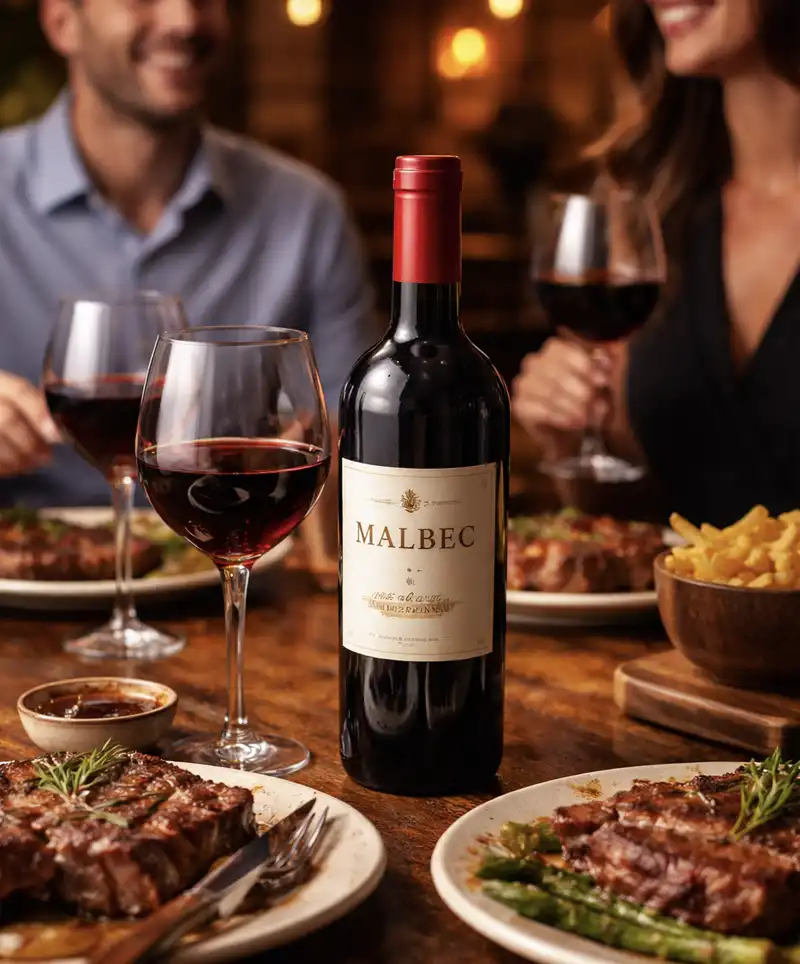
Some wines quietly introduce themselves. Malbec arrives like it owns the room, pulls up a chair, and asks if anyone remembered the steak. Known for its deep purple color and rich flavors of dark fruit and spice, Malbec has become one of the world’s most popular red wines. Each year on April 17, wine lovers celebrate Malbec Day, raising a glass to a grape that traveled thousands of miles before finding its true home.
Malbec Day honors not only the wine itself, but also a turning point in wine history that transformed Argentina into one of the world’s leading wine-producing nations.
A French Grape with a Long History
Although Malbec is closely associated with Argentina today, the grape’s roots stretch back centuries to France. Historians believe Malbec originated in the southwest of the country, particularly in the region surrounding the town of Cahors. Records suggest the grape was cultivated there as far back as the Middle Ages, long before it began its global journey.
In Cahors, Malbec became famous for producing exceptionally dark wines. The wines were so deeply colored that they earned the nickname “black wine.” These powerful reds were rich in tannins and structure, making them ideal for aging. In fact, wines from Cahors were widely traded throughout Europe and were even popular in medieval England.
Malbec was also grown in other French wine regions, including Bordeaux. In Bordeaux vineyards, however, it usually played a supporting role rather than the star of the show. Winemakers often blended Malbec with other grape varieties such as Merlot and Cabernet Sauvignon to add color, depth, and tannic structure to their wines.
Despite its strengths, Malbec proved to be a somewhat challenging grape to grow in France. The vines were sensitive to frost and disease, which meant harvests could be unpredictable. One particularly devastating setback came during the winter of 1956, when a severe frost destroyed large numbers of Malbec vines across parts of France. Many vineyards replaced them with hardier grape varieties, reducing Malbec’s presence in several regions.
Even so, Cahors remained loyal to the grape and continues to produce Malbec-based wines today. French Malbec wines tend to be more structured and tannic than their Argentine counterparts, often showing flavors of dark plum, earth, tobacco, and leather.
Although Malbec never achieved the global fame of some other French grapes, its history in France laid the foundation for what would become one of the world’s most beloved wines. Centuries of cultivation and winemaking experience helped shape the grape’s character long before it crossed the Atlantic and found new success in the vineyards of Argentina.

The Journey to Argentina
The story of Malbec Day begins in 1853. That year, Argentina’s government launched an effort to improve its agricultural industries, including winemaking. President Domingo Faustino Sarmiento encouraged the development of vineyards and invited French agronomist Michel Aimé Pouget to introduce new grape varieties to the country.
Among those grapes was Malbec.
Argentina’s climate turned out to be an ideal match for the grape. Vineyards planted near the Andes Mountains enjoyed abundant sunshine, cool nights, and dry conditions that helped grapes ripen slowly while maintaining healthy acidity. Over time, Malbec thrived in these conditions and began producing wines that were smoother and fruitier than many of their French counterparts.
The region of Mendoza soon became the heart of Malbec production, and today it remains one of the most important wine regions in the world.
Why Malbec Became So Popular
Part of Malbec’s appeal lies in its flavor profile. Many Malbec wines feature notes of blackberry, plum, cherry, cocoa, and sometimes a hint of spice or vanilla. The wines tend to have a smooth, velvety texture that makes them approachable even for people who are just beginning to explore red wines.
Unlike some bold red wines that can feel overly intense, Malbec often balances richness with softness. This combination has helped it gain popularity with casual wine drinkers and experienced enthusiasts alike.
Another reason for Malbec’s success is its remarkable ability to pair with food.
The Perfect Partner for Steak
In Argentina, beef is practically a national treasure, and Malbec has become its perfect companion. The wine’s structure and dark fruit flavors pair beautifully with grilled meats, burgers, barbecue, and roasted dishes.
That pairing is so famous that many people jokingly consider Malbec to be the official wine of steak night.
Of course, Malbec also works well with a variety of other foods, including roasted vegetables, hearty pasta dishes, and rich cheeses. In other words, it’s a versatile wine that rarely feels out of place at the dinner table.
Celebrating Malbec Day
Malbec Day was officially established in 2011 by Wines of Argentina, an organization dedicated to promoting Argentine wines around the world. The date—April 17—was chosen to mark the anniversary of the 1853 initiative that brought Malbec vines to Argentina.
Today the celebration is truly global. Wine bars, restaurants, and vineyards host tastings, special dinners, and educational events to introduce people to the grape’s history and flavors.
For many people, however, celebrating Malbec Day is wonderfully simple: open a bottle, pour a glass, and enjoy it with friends or family.
After all, wine has always been about more than just grapes and vineyards. It’s about conversation, shared meals, and the occasional slightly exaggerated story told around the dinner table.
A Grape That Found Its True Home
Malbec’s journey from France to Argentina is one of the most fascinating stories in the wine world. A grape that once played a secondary role in European vineyards found a new environment where it could truly flourish.
Today, Argentina produces the majority of the world’s Malbec wine, and the grape has become a symbol of the country’s winemaking success.
So, on April 17, take a moment to appreciate the long journey behind that glass of deep purple wine. Malbec has traveled across continents, adapted to new climates, and earned its place among the world’s most beloved red wines.
Not bad for a grape that simply needed the right patch of sunshine—and perhaps a perfectly grilled steak—to reach its full potential.