Celebrating Creativity, Fashion, and the Art of Headwear
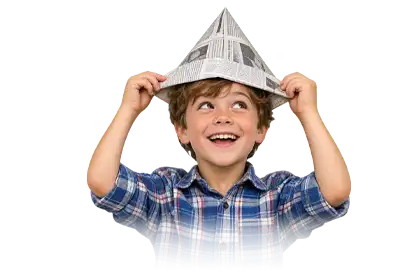
Make a Hat Day is the perfect excuse to put your thinking cap on, preferably one you made yourself! Whether you're creating a magnificent masterpiece from felt and feathers or turning yesterday's newspaper into something resembling royal headwear, this celebration encourages everyone to get creative. Just remember, if your finished hat frightens the family dog, you may have gone a little too far.
What Is Make a Hat Day?
Make a Hat Day is a fun and creative celebration that encourages people of all ages to design, decorate, and make their own hats. Observed annually on September 15, this unusual holiday celebrates imagination, artistic expression, traditional hat-making skills, and the simple pleasure of creating something with your own hands. From homemade paper hats and colorful children's crafts to carefully constructed fashion accessories, Make a Hat Day proves that headwear can be much more than protection from the weather.
Unlike many traditional holidays, Make a Hat Day does not require elaborate preparations, expensive supplies, or a formal invitation. A little imagination, some basic craft materials, and a willingness to experiment are usually enough. Children can enjoy making party hats, adults can explore traditional millinery techniques, and families can work together on imaginative designs that may never be seen on a fashion runway. That is probably just as well, considering what can happen when someone discovers a glue gun and an unlimited supply of artificial flowers.
The celebration also offers an opportunity to appreciate the remarkable history of hats and the important role they have played in human civilization. Throughout history, headwear has identified occupations, indicated social status, expressed religious beliefs, protected workers, and reflected changing fashion trends. Make a Hat Day brings these traditions together in a lighthearted celebration of creativity, craftsmanship, and personal style.
The History of Hats and Hat-Making
The history of hats stretches back thousands of years, long before department stores, fashion designers, or anyone thought it necessary to spend a small fortune on a decorative feather. Ancient civilizations used head coverings for protection, ceremonial purposes, and identification. Evidence of early headwear appears in archaeological discoveries and ancient artwork, demonstrating that people have been decorating and protecting their heads for much of recorded history.
One particularly interesting example comes from Ötzi the Iceman, whose naturally preserved remains were discovered in the European Alps in 1991. Dating to approximately 3300 BCE, Ötzi was found with a bearskin cap constructed from several pieces of fur. His clothing provides valuable evidence of the practical skills and materials used by prehistoric communities. Even thousands of years ago, keeping one's head warm was clearly considered a sensible idea.
In ancient Egypt, head coverings often carried symbolic significance. Pharaohs wore distinctive royal headdresses, including the nemes, while other forms of headwear reflected religious, ceremonial, and social traditions. In ancient Greece and Rome, hats served practical purposes, particularly for travelers and outdoor workers. The Greek petasos, a broad-brimmed hat associated with travelers, offered protection from the sun and influenced later styles of headwear.
During the Middle Ages, European hats became increasingly varied, with different designs reflecting occupation, wealth, and regional customs. By the Renaissance, elaborate hats decorated with feathers, jewels, ribbons, and fine fabrics had become important fashion accessories among wealthy Europeans. Some were so extravagant that the hat appeared to have more social standing than the person underneath it.
The development of professional hat-making eventually transformed headwear into a specialized trade. Hatters and milliners became skilled craftspeople who understood the properties of felt, straw, silk, wool, and other materials. Their work required patience, precision, and an appreciation for fashion that continues to influence modern hat design.
The Art of Millinery: How Professional Hats Are Made
Millinery is the traditional craft of designing, making, trimming, and selling hats, particularly fashionable women's headwear. Although the word is often associated with elaborate decorative hats, the craft encompasses a wide range of techniques and materials. Professional milliners combine practical construction skills with artistic design to produce headwear that is comfortable, durable, and visually appealing.
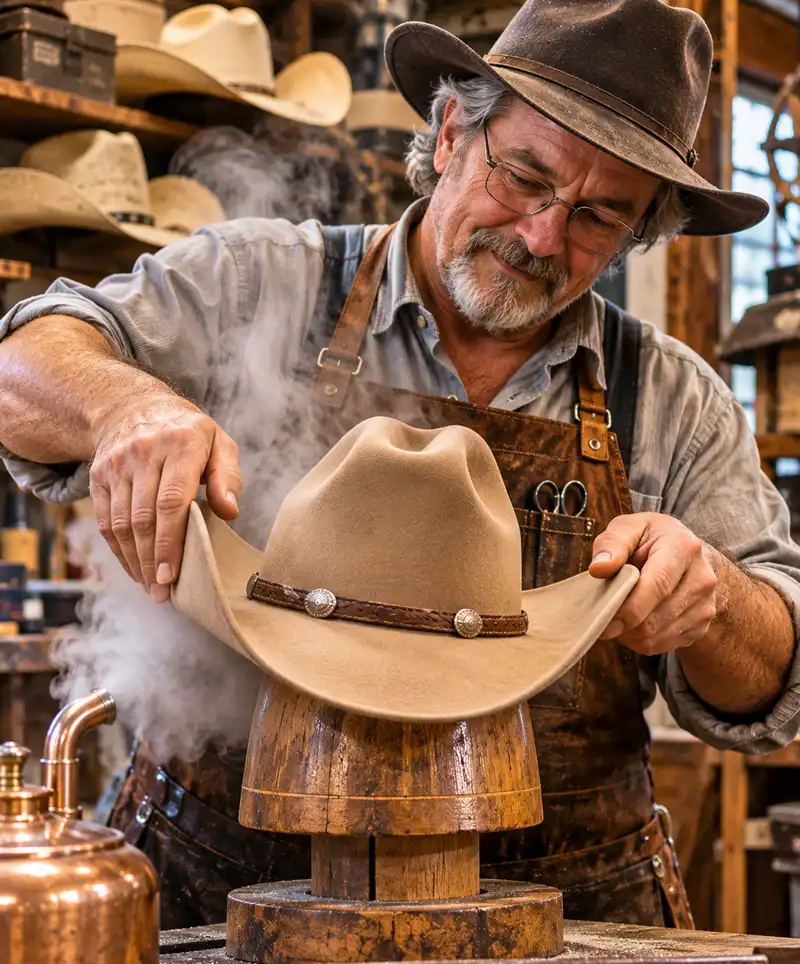
Traditional hat-making may involve blocking, a process in which materials such as felt or straw are shaped over specially designed wooden forms called hat blocks. Steam, moisture, heat, and careful manipulation help the material take the desired shape. Once the basic structure is complete, the hat may be trimmed, lined, reinforced, or decorated with ribbons, flowers, feathers, veiling, or other embellishments.
Felt hats are often made using wool or animal fibers that become interlocked through mechanical action, moisture, and heat. Straw hats may be woven or braided before being shaped into their final form. Fabric hats, including many casual and decorative styles, can be constructed using sewing patterns and techniques similar to those used in clothing manufacture.
Professional millinery remains an important part of fashion, particularly for weddings, formal ceremonies, theatrical productions, and prestigious horse-racing events. Elaborate hats are especially associated with occasions such as Royal Ascot in Britain, where spectacular headwear has become part of the event's visual identity. Some creations are elegant examples of craftsmanship, while others appear capable of receiving television signals from neighboring counties.
Make a Hat Day provides an opportunity to appreciate these traditional skills while encouraging beginners to experiment with simpler methods. Nobody needs to become a professional milliner overnight, but understanding how hats are made can inspire more ambitious projects.
Famous Hats That Made Fashion History
Throughout history, certain hats have become instantly recognizable symbols of particular eras, professions, and personalities. The top hat, for example, became fashionable among European gentlemen during the late eighteenth and nineteenth centuries. Its tall, cylindrical shape eventually became associated with formal occasions, wealthy businessmen, and political figures. Abraham Lincoln's distinctive stovepipe hat remains one of the most recognizable examples in American history.
The bowler hat, developed in Britain during the nineteenth century, offered a more practical alternative to the top hat. Its rounded crown and sturdy construction made it popular with various social groups, including businessmen and workers. The bowler later became closely associated with British city gentlemen and the unforgettable screen persona of Charlie Chaplin.
The fedora emerged as a fashionable style during the late nineteenth century and became particularly popular during the twentieth. Its creased crown and flexible brim helped establish its place in popular culture, especially through Hollywood films featuring detectives, gangsters, and adventurous heroes. A fedora could make almost anyone look mysterious, although it offered little assistance when the wearer had forgotten where the car keys were.
Other famous designs include the beret, associated with artists, military units, and various European fashion traditions; the cowboy hat, developed for practical use in the American West; and the baseball cap, which evolved from sporting headwear into one of the world's most common casual accessories.
Each of these styles demonstrates how hats can combine practicality, cultural identity, and fashion. Make a Hat Day invites participants to borrow inspiration from these familiar designs or create something entirely original.
How to Celebrate Make a Hat Day at Home
Celebrating Make a Hat Day on September 15 is a wonderful opportunity to unleash your creativity, gather the family, and discover just how much fun can be had with a little cardboard, some colorful fabric, and a healthy disregard for conventional fashion. Whether you're making a simple newspaper hat, decorating an old baseball cap, or attempting something elaborate enough to attract attention at a royal wedding, the possibilities are practically endless. Best of all, you don't need professional millinery skills or expensive equipment to participate. A few basic craft supplies, a comfortable workspace, and a willingness to experiment are all you need to get started.
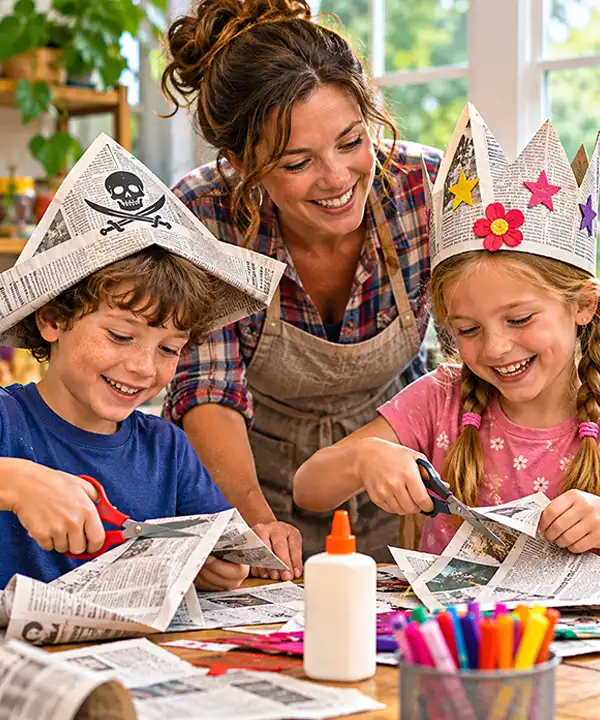
One of the most enjoyable ways to celebrate Make a Hat Day at home is to organize a family hat-making competition. Gather construction paper, felt, cardboard, ribbons, buttons, feathers, fabric scraps, and other decorative materials, then challenge everyone to create their own original headwear. Younger children might enjoy making colorful paper crowns, pirate hats, or silly animal hats, while older participants can experiment with more sophisticated designs. Once the creations are complete, organize a homemade hat fashion show and award prizes for the most creative, most colorful, and most outrageous designs. Just be prepared for the possibility that Grandpa's masterpiece will resemble an overturned laundry basket decorated with Christmas ornaments.
Interestingly, September 15 is also National Felt Hat Day, giving hat enthusiasts two reasons to celebrate on the same date. While Make a Hat Day encourages creativity with virtually any material, National Felt Hat Day recognizes the history, craftsmanship, and enduring popularity of felt hats. This makes the two observances natural companions. Families can explore the traditional art of felt hat-making, learn how wool fibers are transformed into durable headwear, or decorate inexpensive felt hats with ribbons, flowers, and other embellishments. For those feeling particularly ambitious, experimenting with simple felt hat patterns can provide an introduction to traditional millinery techniques. It's a splendid opportunity to celebrate both holidays together, although wearing two hats at once is entirely optional.
Make a Hat Day is also an excellent occasion to embrace recycling and sustainable crafting. Old newspapers can be folded into traditional paper hats, discarded cardboard boxes can become elaborate costume headwear, and leftover fabric from sewing projects can find new life as colorful hat decorations. Even an old sun hat or forgotten baseball cap can be transformed with a little imagination. Repurposing existing materials not only reduces unnecessary waste but also encourages children to think creatively about everyday objects. After all, today's empty cereal box could become tomorrow's magnificent royal crown, although the breakfast mascot might object to being promoted to royalty.
For a more educational celebration, spend some time exploring famous hats throughout history and the fascinating traditions associated with them. Children can learn about Abraham Lincoln's stovepipe hat, the practical design of the cowboy hat, the elegance of Victorian bonnets, or the distinctive headwear worn in different cultures. Families might even choose a historical period and create hats inspired by its fashions. Combining a little history with hands-on creativity makes Make a Hat Day both entertaining and educational, proving that learning doesn't always require a textbook.
Finally, don't forget to photograph the finished creations and share the results with friends and family. A homemade hat parade, a neighborhood craft gathering, or a friendly competition between generations can turn this unusual September holiday into a memorable annual tradition. Whether your finished hat is a beautifully crafted accessory or something that looks as though it survived a disagreement with a glue gun, wear it with pride. Make a Hat Day isn't about perfection. It's about imagination, creativity, laughter, and enjoying the satisfaction of making something entirely your own.
Easy Hat-Making Ideas for Children
Make a Hat Day is particularly well suited to children's craft activities because hat-making combines creativity, problem-solving, and hands-on learning. Young children can practice cutting, folding, coloring, and assembling materials while developing fine motor skills and confidence in their artistic abilities. With appropriate adult supervision, these activities can be adapted for different ages and skill levels.
A simple paper crown is an excellent starting project. Children can decorate a strip of sturdy paper or lightweight cardboard with crayons, stickers, paper shapes, or colorful drawings before joining the ends to fit their heads. This basic design can become a royal crown, a birthday hat, or an imaginative costume accessory.
Paper party hats are another popular option. A sheet of cardstock can be rolled into a cone, secured, and decorated with colorful materials. A comfortable elastic strap or ribbon can help keep the finished hat in place, provided it is fitted safely and appropriately. Children can experiment with different colors, patterns, and decorations to create individual designs.
Older children may enjoy constructing pirate hats from folded paper, decorating baseball caps with fabric-safe materials, or creating imaginative animal hats with ears, eyes, and other features. Adults should supervise the use of scissors, hot glue, sharp tools, and small decorative pieces, especially when younger children are involved.
These projects also provide opportunities to discuss the history of hats, the materials used in clothing, and the ways different cultures have developed distinctive forms of headwear. A simple afternoon craft activity can become a surprisingly entertaining educational experience.

Hats Around the World: Culture, Tradition, and Identity
Hats and head coverings have played important roles in cultures around the world, often carrying meanings that extend far beyond fashion. Traditional headwear can express regional identity, religious observance, professional affiliation, or participation in important ceremonies. Exploring these traditions adds historical and cultural depth to Make a Hat Day.
The Mexican sombrero is recognized for its broad brim, which provides shade in sunny conditions. Different styles have developed over time, including highly decorated versions associated with traditional charro clothing. In parts of East and Southeast Asia, conical hats made from materials such as bamboo and palm leaves have long provided practical protection against sun and rain.
The Scottish tam o' shanter, traditionally made from wool, is associated with Scottish dress and cultural identity. The French beret has connections to regional clothing traditions and later became internationally recognized as a fashion accessory. In Morocco and other parts of North Africa, the fez has a complex history involving regional traditions, changing fashions, and political symbolism.
Religious head coverings also have significant cultural importance. Examples include the Jewish kippah, the Sikh dastar, and various forms of Christian clerical headwear. These coverings carry specific meanings within their respective traditions and should be understood as expressions of faith and identity rather than merely decorative fashion accessories.
Learning about traditional headwear encourages appreciation for the craftsmanship, history, and cultural significance behind different designs. It also reminds us that an ordinary-looking hat can represent centuries of tradition.
Why Making Things by Hand Still Matters
In a world where clothing and accessories can be purchased with a few clicks, Make a Hat Day offers a refreshing opportunity to experience the satisfaction of making something by hand. Craft activities encourage creativity, patience, concentration, and experimentation. They also provide an alternative to screen-based entertainment and can bring families, friends, and community groups together around a shared project.
Designing a hat involves more decisions than might initially be expected. The maker must consider its shape, size, materials, construction, appearance, and intended purpose. Even a simple paper hat requires planning and adjustment, particularly when the finished creation needs to remain securely on someone's head.
Mistakes are part of the experience. A brim may be uneven, a decoration may refuse to cooperate, or an ambitious design may collapse under the weight of too many artificial flowers. These small setbacks encourage creative problem-solving and demonstrate that handmade projects do not need to be perfect to be enjoyable.
For adults, hat-making can introduce an interest in sewing, textile crafts, fashion history, or traditional millinery. For children, it can help develop practical skills and confidence. For everyone involved, the finished hat provides a tangible reminder of time spent creating something original.
Make a Hat Day and Sustainable Fashion
Make a Hat Day also offers an opportunity to explore sustainable fashion and the benefits of reusing existing materials. The fashion industry consumes substantial resources, and extending the useful life of clothing and accessories can help reduce unnecessary waste. Creating a hat from recycled or repurposed materials encourages a more thoughtful approach to consumption.
An old pair of jeans might provide denim for a casual hat, while leftover fabric from sewing projects can become colorful panels or decorative trims. Unwanted clothing may supply buttons, ribbons, or other reusable components. Even an outdated hat can receive a new appearance through careful cleaning, reshaping, or decoration.
Repairing and modifying existing headwear can be just as rewarding as creating something from scratch. A faded sun hat might gain a new ribbon, a plain fabric cap could be decorated with embroidery, or a damaged costume hat might be transformed into something entirely different.
The principle is simple: useful materials do not always need to be thrown away merely because their original purpose has ended. Make a Hat Day encourages resourcefulness while demonstrating that creativity and sustainability can work together beautifully.
Interesting Facts About Hats and Hat-Making
The history of hats contains some unusual facts that demonstrate how deeply headwear has influenced language, fashion, and everyday life.
- Ötzi the Iceman wore a bearskin cap more than 5,000 years ago.
- The bowler hat was developed in Britain in 1849.
- The fedora takes its name from a nineteenth-century theatrical production.
- Abraham Lincoln was famous for wearing tall stovepipe hats.
- Traditional hat blocks are often carved from wood.
- The phrase "mad as a hatter" is associated with the historical hazards of mercury exposure in hat-making.
- Baseball caps evolved from nineteenth-century sporting headwear.
- The Panama hat is traditionally made in Ecuador, not Panama.
One of the most sobering chapters in hat-making history concerns the use of mercury compounds in processing animal fur for felt. Prolonged exposure could cause serious neurological symptoms among workers, contributing to the historical association between hatters and unusual behavior. Modern understanding of occupational health has made these dangerous practices an important reminder of why workplace safety matters.
A Celebration Worth Tipping Your Hat To
Make a Hat Day may be one of the more unusual celebrations on the calendar, but its message is both simple and worthwhile. It encourages people to use their imagination, learn practical skills, appreciate traditional craftsmanship, and enjoy the satisfaction of creating something original.
Whether you make a paper crown with your children, decorate an old sun hat, experiment with fabric and felt, or attempt a magnificent creation worthy of a royal garden party, the important thing is to participate. A homemade hat does not need to be expensive, fashionable, or particularly sensible to bring enjoyment to its maker.
So gather your supplies, clear a little space on the table, and celebrate Make a Hat Day with a creation that reflects your personality. If the finished product looks magnificent, wear it proudly. If it looks ridiculous, wear it anyway. After all, fashion has survived far stranger things.
References & Sources