The History, Traditions, and Spooky Fun of October 31
Every October 31, Halloween brings together centuries of fascinating history, ancient folklore, supernatural legends, and modern traditions in one wonderfully peculiar celebration. From its connections to the Celtic festival of Samhain and the Christian observance of All Hallows' Eve to today's elaborate Halloween costumes, glowing jack-o'-lanterns, haunted houses, and trick-or-treating adventures, this extraordinary holiday has undergone quite a transformation. What once involved seasonal rituals and beliefs about wandering spirits has evolved into a celebration enjoyed by millions of people around the world, complete with enough candy to keep dentists in business until Christmas.
But there's much more to Halloween than ghosts, goblins, and suspicious noises coming from the attic. Behind the costumes and decorations lies a remarkable story of cultural traditions, religious influences, immigration, and changing attitudes toward the supernatural. Why do we carve pumpkins? Where did trick-or-treating originate? And how did black cats, witches, and bats become the unofficial representatives of October 31? Exploring the history and traditions of Halloween reveals how an ancient seasonal observance developed into one of the most recognizable celebrations of the modern calendar. So, grab your flashlight, keep an eye on the shadows, and join us as we uncover the history, mysteries, and delightful madness of Halloween.
What Is Halloween and Why Do We Celebrate It?
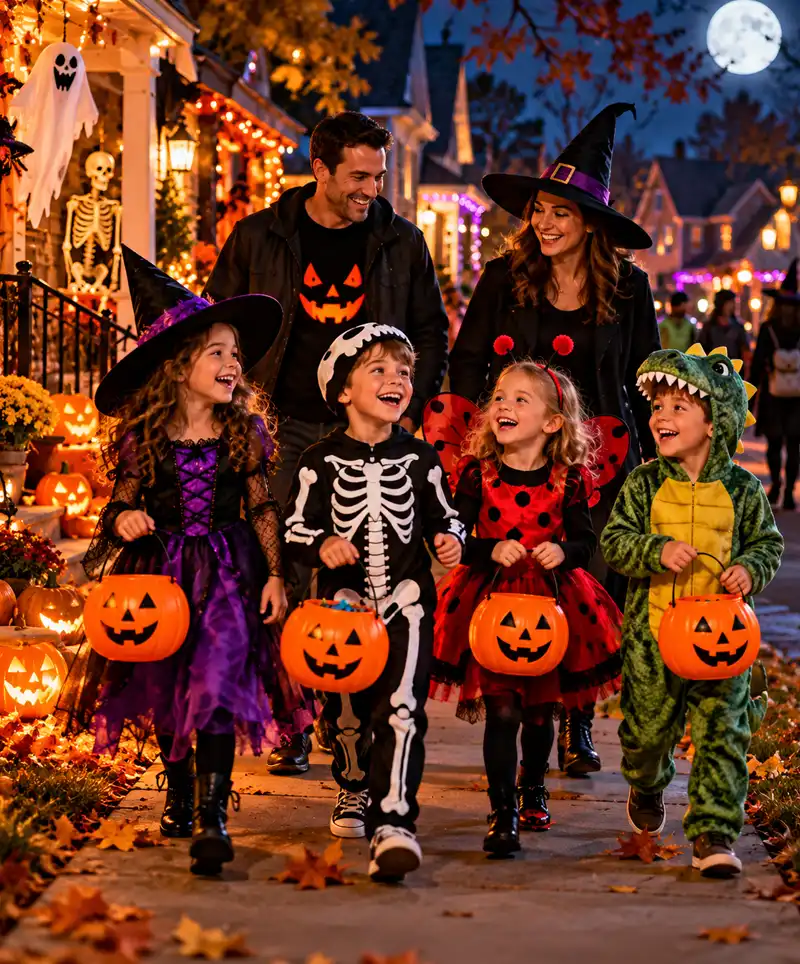
Every year on October 31, Halloween transforms ordinary neighborhoods into extraordinary displays of imagination, mystery, and occasionally questionable decorating decisions. Houses become haunted mansions, front lawns turn into graveyards, and people who normally complain about spiders suddenly spend considerable money purchasing enormous plastic ones. Children dress in Halloween costumes and travel from door to door collecting candy, while adults organize Halloween parties, watch horror movies, and carefully inspect the trick-or-treat bowl to ensure that none of the chocolate goes to waste.
Halloween is celebrated most prominently in the United States, Canada, Ireland, and the United Kingdom, although its popularity has spread to many other countries. The holiday combines ancient seasonal customs, Christian religious traditions, European folklore, and modern entertainment. What began as a period associated with harvests, changing seasons, and remembrance of the dead has developed into a celebration of creativity, community, and playful fright.
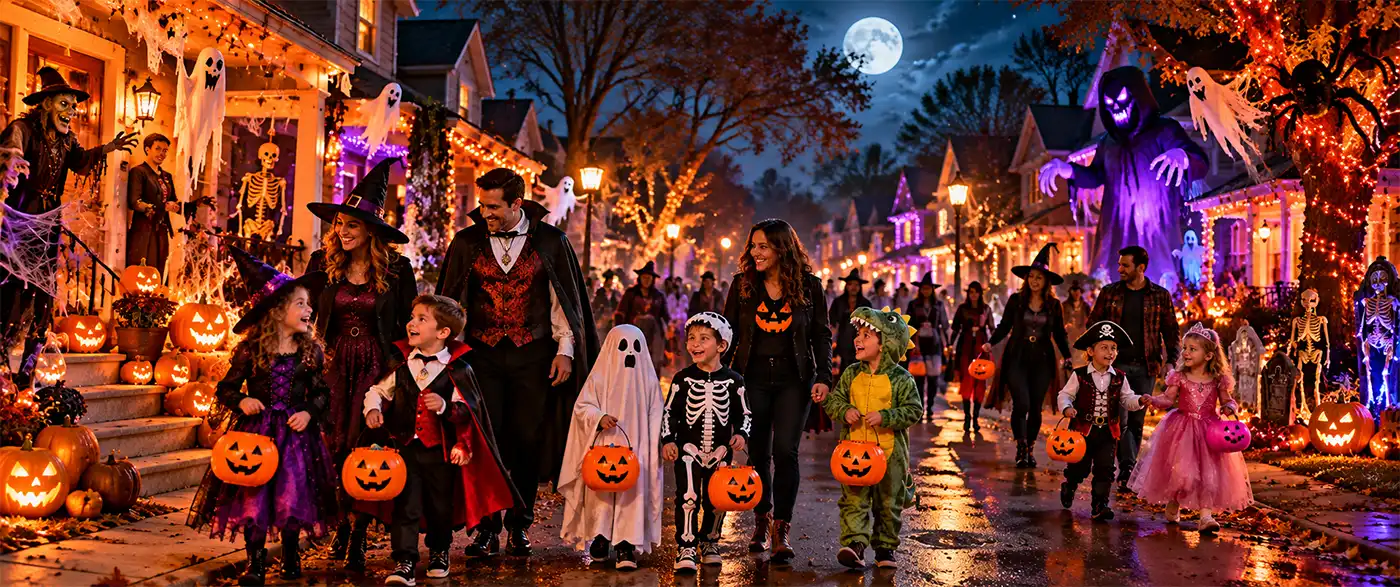
Despite its spooky reputation, modern Halloween is primarily about having fun. Families carve jack-o'-lanterns, neighborhoods organize trick-or-treating, and communities host festivals, costume contests, haunted attractions, and seasonal gatherings. For one evening, the ordinary rules of appearance are suspended. A pirate can escort a princess down the sidewalk, a dinosaur can demand a chocolate bar, and nobody seems particularly concerned when a vampire asks whether the candy contains peanuts.
The Ancient Origins of Halloween and the Celtic Festival of Samhain
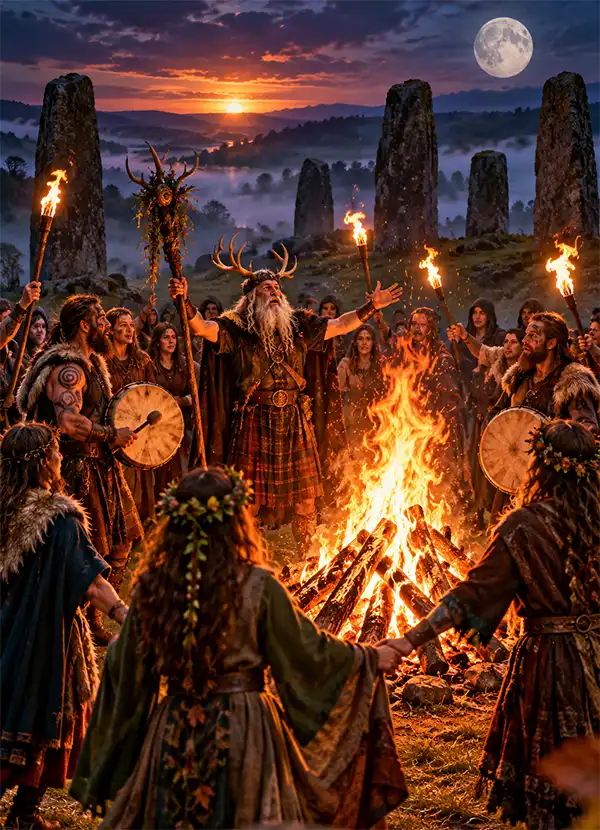
The history of Halloween is often traced to Samhain, an ancient Gaelic seasonal festival associated with the end of the harvest and the beginning of winter. Celebrated around the transition from October to November, Samhain marked an important turning point in the agricultural calendar of Ireland and other Gaelic-speaking regions. Livestock were brought in from summer pastures, food supplies were prepared for the colder months, and communities gathered as the days grew shorter.
Samhain also became associated with supernatural beliefs and stories about the Aos Sí, mysterious beings connected with the Otherworld in Irish folklore. Later traditions described this period as a time when boundaries between the human world and the supernatural realm were less secure. Offerings, communal gatherings, and protective customs featured in various accounts of the festival. Bonfires were particularly important in some historical Samhain traditions, although the precise practices of ancient Celtic communities are difficult to reconstruct because much of the surviving evidence was recorded centuries later.
Popular Halloween histories sometimes claim that ancient Celts wore elaborate costumes specifically to disguise themselves from wandering ghosts. While disguises and supernatural impersonations became part of later seasonal customs, historians cannot establish that every familiar Halloween practice originated directly with ancient Samhain celebrations. The relationship between the two is more complicated than a simple story of one festival changing its name.
Nevertheless, the themes of seasonal transition, darkness, the supernatural, and remembrance help explain why Samhain remains closely associated with Halloween's historical background. Ancient communities were preparing for winter, a season when food, warmth, and survival demanded serious attention. Modern celebrants prepare for the same date by buying enormous bags of miniature candy bars. Civilization has certainly changed its priorities.
How All Hallows' Eve Became Halloween
The name Halloween developed from All Hallows' Eve, the evening before All Saints' Day, a Christian observance celebrated on November 1 in many Western churches. The word hallow is an older English term referring to a saint or holy person. Over time, All Hallows' Evening was shortened through forms such as Hallowe'en, eventually becoming the familiar name Halloween.
All Saints' Day honors saints and other holy figures, while All Souls' Day, observed on November 2 in many Christian traditions, commemorates the faithful departed. Together, these observances form a period sometimes called Allhallowtide. During the medieval period, customs involving prayers for the dead, special foods, candles, and visits to homes developed in parts of Europe.
The relationship between Christian observances and older seasonal customs evolved over centuries. Rather than appearing suddenly as a completely new holiday, Halloween gradually acquired traditions from different communities and historical periods. Religious remembrance, folk beliefs, harvest celebrations, and seasonal entertainment all contributed to its development.
This mixture of influences helps explain why Halloween can mean different things to different people. For some, it retains religious or cultural significance. For others, it is a family celebration centered on costumes, decorations, and neighborhood activities. And for a substantial number of adults, it is the annual opportunity to purchase candy supposedly intended for children and then conduct a thorough quality-control inspection.
The History of Jack-o'-Lanterns and Halloween Pumpkins
Few Halloween decorations are more recognizable than the jack-o'-lantern, a hollowed-out pumpkin with a carved face and a candle or electric light glowing inside. These illuminated creations appear on porches, windowsills, and garden walls throughout October, displaying expressions ranging from cheerful smiles to faces that suggest someone has just opened an unexpectedly large electricity bill.
The tradition has connections to Ireland and Britain, where people carved faces into turnips and other root vegetables. One explanation for the name comes from Irish folklore about Stingy Jack, a cunning character who repeatedly tricked the Devil but ultimately found himself unable to enter either Heaven or Hell. According to versions of the legend, Jack wandered through the darkness carrying a glowing ember inside a hollowed-out turnip.
When Irish immigrants brought their customs to North America, they encountered pumpkins, which were larger, more plentiful in many regions, and considerably easier to carve than hard turnips. Pumpkins eventually became the preferred material for Halloween lanterns, particularly in the United States.
Today, pumpkin carving is one of the most popular Halloween family activities. Some people create traditional triangular eyes and toothy grins, while others produce elaborate designs featuring animals, landscapes, movie characters, and intricate patterns. Pumpkin-carving competitions can become surprisingly sophisticated, with professional artists transforming ordinary vegetables into remarkable sculptures.
Of course, not every attempt produces a masterpiece. Sometimes the intended terrifying monster looks more like a confused potato. Fortunately, once the lights go out and the candle goes in, artistic shortcomings become considerably less noticeable.
Why Do People Wear Halloween Costumes?
Halloween costumes are among the holiday's most entertaining traditions, allowing people to temporarily abandon their everyday identities and become almost anything imaginable. Witches, ghosts, skeletons, vampires, and monsters remain popular choices, but modern costumes also feature superheroes, historical figures, animals, fictional characters, and celebrities.
The custom of dressing in disguise has several historical influences. In parts of Ireland and Scotland, seasonal traditions of guising involved people wearing costumes or disguises while visiting homes, sometimes performing songs, jokes, or other entertainments in exchange for food or treats. Similar practices existed in different forms across Europe, although their origins and development varied considerably.
Costume traditions expanded significantly in North America during the twentieth century. As Halloween became increasingly associated with children's activities, commercially manufactured costumes grew more common. Characters from films, comic books, television programs, and eventually video games joined the traditional supernatural figures.
Today, Halloween costume parties are popular among adults as well as children. Some participants spend months creating detailed outfits, while others discover at the last minute that a bedsheet and two carefully positioned eyeholes might still qualify as a ghost.
The beauty of Halloween is that imagination matters more than perfection. Whether someone appears as an elaborate medieval sorcerer or a suspiciously familiar office worker wearing plastic vampire teeth, the evening offers an opportunity to enjoy a little harmless make-believe.
Trick-or-Treating: The Sweetest Halloween Tradition
For millions of children, the most important part of Halloween is undoubtedly trick-or-treating. Armed with buckets, bags, or pillowcases, costumed youngsters travel through neighborhoods, knocking on doors and announcing the traditional demand: "Trick or treat!"
The history of trick-or-treating includes influences from several older European customs. Medieval souling involved people visiting homes and receiving food, including small cakes, sometimes in exchange for prayers for the dead. In Scotland and Ireland, guising traditions included costumed visitors performing for treats. These practices contributed to the cultural background from which modern Halloween visiting customs developed, although trick-or-treating was not simply an unchanged medieval tradition.
In North America, Halloween celebrations during the nineteenth and early twentieth centuries included parties, games, community gatherings, and sometimes considerable mischief. Organized neighborhood activities became increasingly popular as communities sought to encourage safer and more enjoyable celebrations. The familiar phrase "trick or treat" appeared in North American accounts during the early twentieth century, and door-to-door candy collecting became especially widespread after World War II.
As commercially produced sweets became more affordable and widely available, candy gradually replaced many homemade treats. Chocolate bars, candy corn, chewy sweets, and individually wrapped confections became standard Halloween offerings.
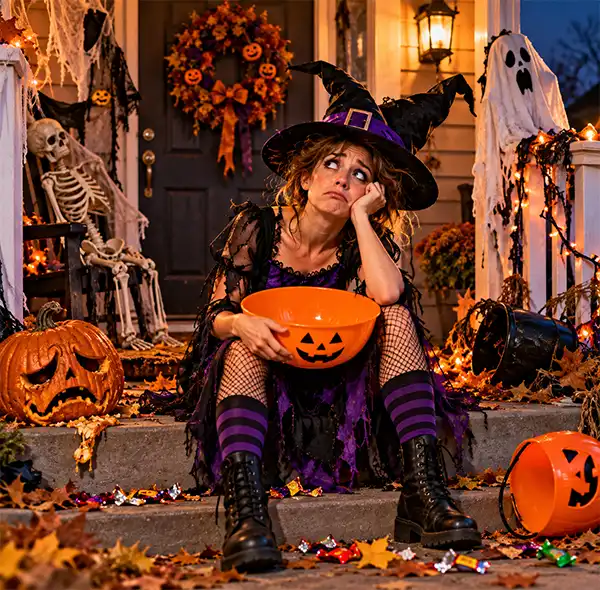
Of course, every neighborhood has its own candy hierarchy. The house distributing full-sized chocolate bars achieves legendary status, while the household offering toothbrushes may find itself the subject of disappointed conversations for years afterward. And somewhere, inevitably, there is the person handing out raisins, bravely defending a nutritional principle that nobody requested.
Haunted Houses, Ghost Stories, and Halloween Frights
Halloween would hardly be complete without haunted houses, ghost stories, and things that go bump in the night. Although tales of ghosts and supernatural encounters have existed for centuries, modern commercial haunted attractions developed into a major form of Halloween entertainment during the twentieth century.
Early community haunted houses and Halloween displays were often organized by schools, charitable groups, and local organizations. Over time, increasingly elaborate attractions introduced theatrical lighting, sound effects, mechanical props, costumed performers, and carefully designed routes intended to surprise visitors.
Today, some haunted attractions rival professional theater productions. Visitors wander through abandoned-hospital settings, creepy forests, imaginary asylums, and darkened corridors where something unpleasant is almost certainly waiting around the next corner. The performers specialize in appearing precisely when everyone has convinced themselves that the danger has passed.
The popularity of haunted houses reflects a fascinating aspect of human psychology: many people enjoy controlled fear. Knowing that an experience is fictional or staged allows participants to experience excitement and suspense without facing the genuine dangers associated with frightening situations.
Not everyone shares this enthusiasm, naturally. Some people prefer to watch a horror movie from the comfort of their sofa, surrounded by snacks and protected by a reassuringly locked front door. Others find that even a relatively harmless Halloween decoration is sufficient excitement for one evening.
And then there are those unfortunate individuals who volunteer to lead the group through a haunted attraction. They generally discover that bravery is a wonderful quality until something leaps out of a cupboard.
Black Cats, Witches, Bats, and Halloween Superstitions
The traditional symbols of Halloween include black cats, witches, bats, spiders, ghosts, and skeletons, each carrying its own collection of historical associations and folklore.
Black cats have long been connected with superstition in parts of European culture, sometimes appearing in stories about witches and magical companions known as familiars. Yet attitudes toward black cats have varied considerably across countries and historical periods. In some traditions, they have been regarded as symbols of good fortune rather than bad luck.
Witches became associated with Halloween through a mixture of European folklore, popular entertainment, and the holiday's broader supernatural themes. The familiar image of a pointed hat, broomstick, and bubbling cauldron owes much to centuries of storytelling and artistic interpretation.
Bats are another recognizable Halloween symbol. Their nocturnal habits, unusual appearance, and association with dark places made them natural additions to spooky imagery. The connection between bats and vampires became especially prominent through literature and popular culture, including adaptations of Bram Stoker's Dracula.
Spiders and cobwebs contribute to the atmosphere of abandoned houses and mysterious places, while skeletons and ghosts represent humanity's longstanding fascination with mortality and the unknown.
Despite the superstitions, real black cats, bats, and spiders are ordinary animals with important roles in the natural world. Bats help control insect populations, spiders capture numerous pests, and black cats are no more mysterious than cats of any other color.
Admittedly, anyone who has lived with a cat knows that mysterious behavior is included in the standard equipment, regardless of the paintwork.
Halloween Celebrations Around the World
Although Halloween is particularly associated with North America, Halloween traditions and related seasonal observances vary around the world.
In Ireland, where many of the holiday's historical influences originated, Halloween remains an important celebration featuring costumes, games, parties, and seasonal foods. Traditional activities have included apple games and the preparation of barmbrack, a fruit bread historically associated with fortune-telling customs.
Scotland also maintains strong Halloween traditions, including guising, seasonal games, and celebrations connected with local folklore. In England and Wales, Halloween has become increasingly popular, particularly among children, although its prominence varies by community.
Mexico celebrates Día de los Muertos, or the Day of the Dead, primarily on November 1 and 2. Although its dates overlap with the Halloween season, it is a distinct cultural tradition rather than a Mexican version of Halloween. Families honor deceased relatives through decorated altars called ofrendas, photographs, favorite foods, flowers, and gatherings that celebrate remembrance and continuing family connections.
Japan has embraced certain aspects of modern Halloween, especially elaborate costumes and themed entertainment in urban areas and amusement parks. Japan also observes Obon, generally during the summer, when families honor their ancestors through visits, ceremonies, and traditional activities. Obon has its own religious and cultural history and should not be confused with Halloween.
In many European countries, All Saints' Day and All Souls' Day remain important occasions for remembering deceased loved ones, often involving cemetery visits, flowers, and candles.
These traditions reveal a common human interest in memory, community, seasonal change, and the mysteries surrounding life and death. The celebrations may look very different, but the desire to remember, gather, and share meaningful experiences crosses cultural boundaries.
Halloween Parties, Horror Movies, and Modern Entertainment
Modern Halloween has grown far beyond its traditional neighborhood activities. Halloween parties, horror movie marathons, pumpkin festivals, costume competitions, and themed entertainment now attract people of all ages.
Halloween parties offer adults a chance to enjoy the same imaginative freedom that children experience while trick-or-treating. Decorations transform ordinary rooms into haunted castles, graveyards, or laboratories occupied by fictional mad scientists. Food and drinks often receive appropriately disturbing names, while otherwise respectable guests arrive dressed as pirates, monsters, and characters from their favorite films.
Horror movies are another important part of Halloween entertainment. Classic films featuring vampires, werewolves, ghosts, and mysterious creatures remain seasonal favorites, alongside modern supernatural thrillers and suspense stories. Some viewers enjoy genuine scares, while others prefer family-friendly Halloween films featuring more laughter than terror.
Communities also organize pumpkin festivals, illuminated trails, harvest celebrations, and public costume parades. Theme parks and entertainment venues frequently introduce special Halloween attractions, turning the season into a major part of their annual calendars.
For businesses, Halloween has become an important commercial occasion. Americans spend billions of dollars annually on costumes, candy, decorations, greeting cards, and seasonal activities. Retailers begin displaying Halloween merchandise well before October arrives, occasionally creating the unsettling impression that summer has barely ended before a twelve-foot skeleton appears in the gardening department.
Still, beneath the commercial excitement, the most enduring pleasures remain relatively simple: spending time with family, sharing treats, enjoying neighborhood traditions, and having a good laugh at an especially ridiculous costume.
Halloween Safety: Keeping the Frights Fun
While Halloween is intended to be entertaining, a few sensible precautions help ensure that the evening remains memorable for the right reasons.
Children who go trick-or-treating should be accompanied or appropriately supervised according to their age and maturity. Costumes should allow clear vision and comfortable movement, and reflective accessories or lights can make participants easier for drivers to see after dark. Families should use sidewalks and designated crossings wherever possible, especially in neighborhoods with heavy Halloween traffic.
Battery-operated lights are generally safer than open flames inside jack-o'-lanterns, particularly when decorations are placed near costumes, dry leaves, or other flammable materials. Homeowners can also help by keeping walkways clear and ensuring that outdoor decorations do not create tripping hazards.
Candy should be checked for damaged packaging and for ingredients that may cause allergies or other problems. Younger children also need age-appropriate treats to reduce choking risks.
Pets deserve consideration, too. Frequent doorbell ringing, unfamiliar costumes, and excited visitors can be stressful for animals. Keeping pets safely indoors and away from busy entrances helps prevent escapes and unnecessary distress. Chocolate and certain sugar-free sweets can be dangerous to dogs and other pets, so Halloween treats should remain out of their reach.
With a little preparation, families can concentrate on the enjoyable parts of the holiday rather than explaining to the emergency room how someone became entangled in an inflatable dragon costume.
Why Halloween Continues to Capture Our Imagination
The lasting appeal of Halloween on October 31 comes from its remarkable ability to combine history, folklore, creativity, and community participation. Few celebrations encourage such enthusiastic transformations of ordinary homes, clothing, and neighborhoods. For one night, familiar surroundings become mysterious, and everyday routines make room for imagination.
Halloween also connects generations. Parents remember the costumes they wore as children, grandparents share stories about neighborhood traditions, and youngsters create memories that may remain with them for decades. Some families carefully preserve handmade decorations, while others enthusiastically purchase new ones every year until the garage begins resembling a supernatural storage facility.
The holiday has changed enormously since its earliest historical influences, and it will undoubtedly continue evolving. New costume characters will appear, decorations will become more elaborate, and technology will introduce increasingly inventive ways to frighten unsuspecting visitors.
Yet the essential ingredients remain familiar: a little darkness, a little mystery, plenty of imagination, and the unmistakable sound of children calling "Trick or treat!" from the doorstep.
So, this Halloween, carve a pumpkin, put on a costume, enjoy a ghost story, and share a few treats with your neighbors. Remember the traditions that helped shape the celebration, and enjoy the harmless thrills that make October 31 such a distinctive occasion.
And if you hear strange footsteps outside your door, don't panic. It's probably just another trick-or-treater.
Unless, of course, the footsteps sound suspiciously like a twelve-foot skeleton walking across your lawn.